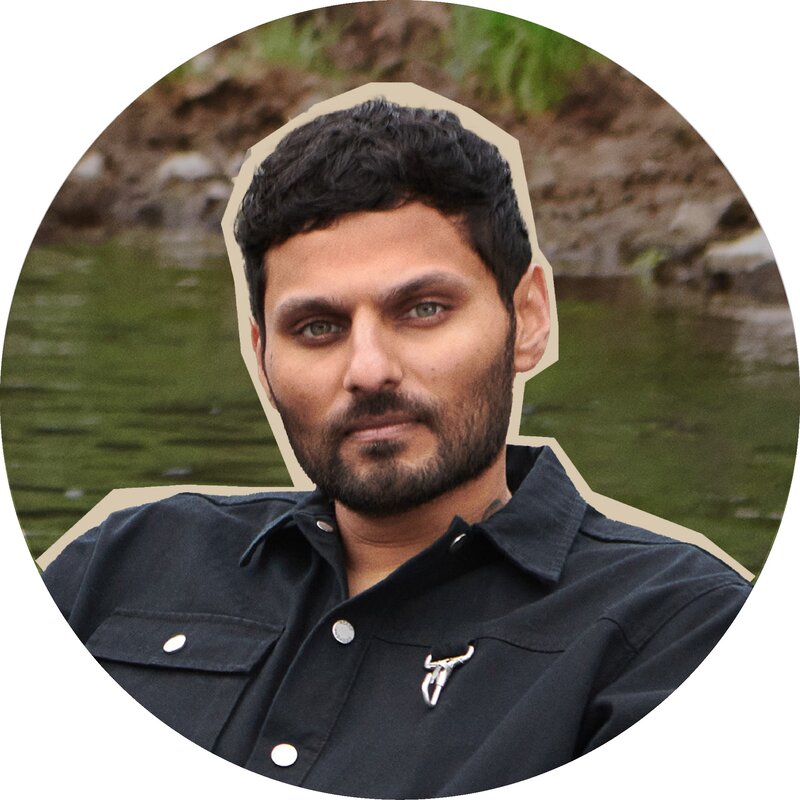
 Jay Shetty Podcast
The EXACT Blueprint to Dominate 2026 and Crush Your Goals
Jay Shetty and Rob Dial on discipline, purpose, and focus: a practical 2026 goal-crushing blueprint.
In this episode of Jay Shetty Podcast, featuring Jay Shetty and Rob Dial, The EXACT Blueprint to Dominate 2026 and Crush Your Goals explores discipline, purpose, and focus: a practical 2026 goal-crushing blueprint They reframe discipline as an act of self-love—choosing short-term discomfort for long-term wellbeing—and argue it can be trained like a muscle through repeated practice.
At a glance
WHAT IT’S REALLY ABOUT
Discipline, purpose, and focus: a practical 2026 goal-crushing blueprint
- They reframe discipline as an act of self-love—choosing short-term discomfort for long-term wellbeing—and argue it can be trained like a muscle through repeated practice.
- They explain why people abandon passions: fear-based self-protection rooted in past pain, which can be reduced through self-awareness, healing work, and “exposure therapy” by taking the scary action anyway.
- They emphasize competence-building through starting before you’re ready, staying consistent, and embracing beginner mistakes while using the confidence–competence loop and deliberate hours of practice.
- They propose a 2026 strategy of doing less: focus on one priority for 100 days, expect slips without shame, and design your environment to reduce willpower demands.
- They recommend shifting from outcome-only goals to daily action-based goals with a dopamine reward system (celebration, identity reinforcement, meaning-based stories) to sustain motivation and consistency.
IDEAS WORTH REMEMBERING
5 ideasTreat discipline as self-love, not punishment.
They argue discipline is mainly required for things that benefit you (health, craft, business), so reframing it as care for “future you” makes it emotionally easier to practice.
Make habits easier by “shrinking the start.”
Reduce friction to under a few seconds (clothes by the sink, coffee auto-timer, phone in another room) so the first step is nearly automatic and resistance is less likely to win.
If you’re stuck, look for the fear you’re being protected from.
Not taking action often signals a future fear (judgment, failure) linked to past pain (bullying, criticism); naming the fear helps you choose healing and/or action instead of avoidance.
Use exposure therapy: ship the work even while afraid.
Publishing, cold-calling, or performing repeatedly teaches your nervous system “this isn’t dangerous,” reducing sensitivity to criticism and making courage a practiced skill.
Don’t force passion to be your paycheck or forever-plan.
They recommend a “hummingbird” approach—follow interests in 2–3 year seasons—because skills often connect in hindsight into a purpose without needing a lifetime commitment upfront.
WORDS WORTH SAVING
5 quotesI think discipline, if used correctly, is possibly the greatest form of self-love.
— Rob Dial
It's okay if you are listening to this podcast right now and you don't know what your purpose is. But it's not okay if you're in that situation to wake up every single day and not try to find what your purpose is.
— Rob Dial
You cannot be a graceful master if you will not allow yourself to be a foolish beginner.
— Rob Dial
That is the most liberating thing in the world to me.
— Jay Shetty
Whatever you pray for and believe that you have received it, it will be yours.
— Rob Dial
QUESTIONS ANSWERED IN THIS EPISODE
5 questionsRob mentions the anterior midcingulate cortex as linked to discipline—what specific daily practices best “train” it without risking burnout?
They reframe discipline as an act of self-love—choosing short-term discomfort for long-term wellbeing—and argue it can be trained like a muscle through repeated practice.
How do you decide whether to stay in an “unhappy job” while building your purpose on the side versus uprooting your life and switching careers now?
They explain why people abandon passions: fear-based self-protection rooted in past pain, which can be reduced through self-awareness, healing work, and “exposure therapy” by taking the scary action anyway.
Jay listed four motivators (goals, influence, precision, care)—how can someone identify their dominant driver, and what jobs or projects map to each?
They emphasize competence-building through starting before you’re ready, staying consistent, and embracing beginner mistakes while using the confidence–competence loop and deliberate hours of practice.
What does a realistic “one thing for 100 days” plan look like for someone with kids and an unpredictable schedule—what’s the minimum viable version?
They propose a 2026 strategy of doing less: focus on one priority for 100 days, expect slips without shame, and design your environment to reduce willpower demands.
If someone’s goal is external (money, fame, views), is it always the wrong motivation—or can it be structured in a healthy, sustainable way?
They recommend shifting from outcome-only goals to daily action-based goals with a dopamine reward system (celebration, identity reinforcement, meaning-based stories) to sustain motivation and consistency.
Chapter Breakdown
Discipline as self-love: the fastest way to get ahead
Rob argues that the biggest separator is not talent or hacks—it’s discipline. He reframes discipline as a positive act of self-love: choosing what’s good for you even when it’s uncomfortable. They also touch on how doing “the opposite of the crowd” compounds over time.
Trainable willpower: the neuroscience behind getting stronger
Rob introduces the idea that willpower is trainable, citing research on the anterior midcingulate cortex. Like a muscle, this part of the brain can grow when you repeatedly do hard, beneficial things. This builds a practical case for starting small and repeating.
Habit change that actually works: “shrink the start”
To overcome resistance, Rob recommends making the beginning of a habit nearly frictionless. He gives concrete examples like placing workout clothes by the sink or automating coffee. The goal is to reduce activation energy so action becomes almost automatic.
Craft-first living: structuring life around what matters (and saying no)
Jay explains how intense output is sustainable when life is structured around the craft—sleep, workouts, nutrition, and recovery are non-negotiables. He emphasizes saying no even to fun opportunities when they conflict with priorities. Meaning beats the appearance of “balance.”
When you’re unhappy at work: purpose isn’t always your paycheck
They discuss how draining misaligned work can be and why it steals energy. Rob reframes midlife dissatisfaction as “life two” starting now, even if change is hard. Purpose can live outside your job, and it can evolve without being a single forever-identity.
Finding purpose by ‘collecting and connecting’ (the hummingbird approach)
Rob describes purpose as emerging from exploring interests for a few years at a time—like a hummingbird moving flower to flower. Over a decade, experiences often converge into a coherent calling, visible only in hindsight. Jay mirrors this with his monk-to-business-to-media path.
Why we talk ourselves out of passions: fear, past pain, and exposure therapy
They unpack procrastination as protection—fear in the future linked to unhealed pain in the past. Rob outlines a self-inquiry process to name the fear and trace it to earlier experiences (judgment, bullying, shame). Action becomes a form of exposure therapy that retrains the brain to feel safe.
Stop chasing likes: motivation, criticism, and the real ‘why’
Jay raises the common spiral: someone starts creating, gets low engagement, then quits. Rob argues that if the goal is fame/validation, you’ll burn out; if the goal is service/craft, you can persist. They emphasize removing ego and measuring success by impact and alignment, not applause.
Building competence from scratch: start, don’t stop, and embrace being a beginner
Rob’s method is simple: begin and keep going long enough for skills to compound. He discusses the confidence–competence loop and the 10,000-hour idea, plus the necessity of being a ‘foolish beginner’ before becoming skilled. Consistency creates the conditions for a breakthrough.
Consistency without perfection: identity change and environment design
They redefine consistency as returning to the path repeatedly, not never slipping. Rob explains why shame after a miss causes people to quit and suggests treating setbacks as data. He distinguishes habits, lifestyle, and identity change—and stresses designing an environment that reduces temptation.
Dominate 2026 by doing less: one focus for 100 days
Jay’s core advice is to do less and pick one priority for a season, like nature’s seasons. Rob agrees and warns that trying to change everything at once is an ego trap that leads to overload and failure. Their shared blueprint: choose one focus, commit for 100 days, and iterate.
Goal setting that sticks: daily action goals + a dopamine reward system
Rob explains why results-only goals backfire—people feel bad when progress is slow. He proposes keeping the outcome goal but shifting daily wins to action-based goals, then celebrating small completions to create dopamine-driven motivation. Falling in love with the process is the real accelerator.
Reframing negativity, aging, and control: make it your best year on purpose
They close by emphasizing perception: change the lens, not just the situation. Jay argues aging fear comes from the story that the best years are behind you; instead, decide each year will be your best and act accordingly. Rob adds a faith/manifestation framing: believe you’ve already received what you’re working toward, then live into it.
EVERY SPOKEN WORD
Install uListen for AI-powered chat & search across the full episode — Get Full Transcript
Get more out of YouTube videos.
High quality summaries for YouTube videos. Accurate transcripts to search & find moments. Powered by ChatGPT & Claude AI.
Add to Chrome