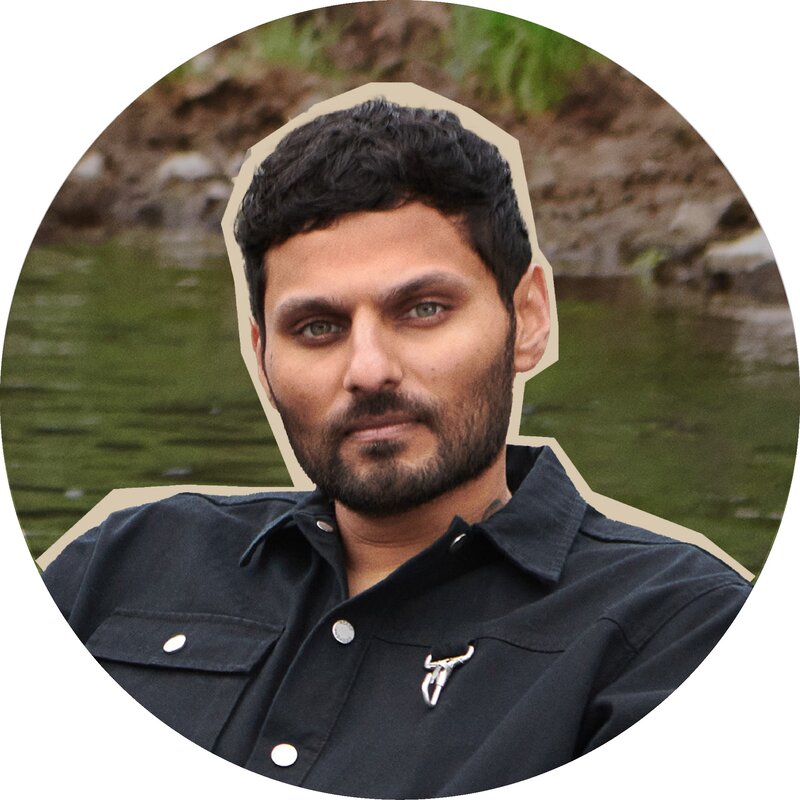
 Jay Shetty Podcast
7 Money Lessons I Wish Knew in My 20s! (The Step-by-Step Guide to Build Financial Freedom Faster)
Jay Shetty on seven mindset shifts to master money, saving, debt, and giving.
In this episode of Jay Shetty Podcast, featuring Jay Shetty, 7 Money Lessons I Wish Knew in My 20s! (The Step-by-Step Guide to Build Financial Freedom Faster) explores seven mindset shifts to master money, saving, debt, and giving Financial well-being depends more on decisions and a sense of control than on income level, so taking responsibility early accelerates wealth-building.
At a glance
WHAT IT’S REALLY ABOUT
Seven mindset shifts to master money, saving, debt, and giving
- Financial well-being depends more on decisions and a sense of control than on income level, so taking responsibility early accelerates wealth-building.
- Saving works best when it’s automated and separated from spending money, because willpower and “discipline” usually fail against visibility and convenience.
- Consumer spending provides short-term dopamine but weakens long-term freedom, while consistent financial learning (e.g., compound interest, inflation) reduces anxiety and improves outcomes.
- Debt is not inherently bad, but avoiding debt education leads to costly mistakes, so understanding APR, interest, and credit scores is essential.
- Money behaviors are driven by inherited scripts and emotions, and shifting toward a secure “attachment style” with money—plus intentional generosity—creates healthier motivation and impact.
IDEAS WORTH REMEMBERING
5 ideasYou don’t have an income problem; you have a decision problem.
He argues financial control predicts well-being better than salary, so progress starts the moment you choose small, concrete actions (e.g., cancel a subscription, move $5 to savings) rather than waiting for a raise.
Make saving invisible to make it consistent.
Automation and separation beat motivation: route a percentage of every paycheck into a second account (renamed something motivating like “Freedom Fund”) so your brain stops labeling it as spendable.
Buy less strategy-killing dopamine; buy more learning.
Impulse purchases optimize short-term pleasure, but literacy (compound interest, inflation, investing basics) improves long-term outcomes and reduces money anxiety; he suggests swapping 10 minutes of scrolling for a financial concept daily.
Track spending as percentages, not impressive-looking numbers.
He warns that comparing raw amounts hides the real strain; evaluating lifestyle as a share of after-tax take-home pay makes costs (cars, weddings, rent) feel real and prevents lifestyle from “competing with income.”
Avoiding lifestyle inflation prevents “golden handcuffs.”
When fixed expenses rise with income, you can’t leave a job you dislike; keeping lifestyle flexible preserves freedom to take purpose-aligned opportunities even if they pay less temporarily.
WORDS WORTH SAVING
5 quotesYou're not bad with money. You were just never taught how to use it.
— Jay Shetty
Money is the root of all evil. You know what's really interesting about that? When you actually check the actual reference, the actual quote is, "The love of money is the root of all evil."
— Jay Shetty
Number one, you don't have an income problem, you have a decision problem.
— Jay Shetty
Don't save what is left after spending, but spend what is left after saving.
— Jay Shetty
Debt isn't evil, but ignorance is.
— Jay Shetty
QUESTIONS ANSWERED IN THIS EPISODE
5 questionsWhich “money attachment style” (secure, anxious, avoidant) do you think is most common, and what’s a first step to move from avoidant to secure?
Financial well-being depends more on decisions and a sense of control than on income level, so taking responsibility early accelerates wealth-building.
In your “Freedom Fund” idea, what percentage should someone choose if they’re paycheck-to-paycheck, and what do they do if emergencies keep wiping it out?
Saving works best when it’s automated and separated from spending money, because willpower and “discipline” usually fail against visibility and convenience.
You criticize get-rich-quick investing (crypto/NFT hype); what basic investing framework would you suggest after the learning phase—index funds, retirement accounts, or something else?
Consumer spending provides short-term dopamine but weakens long-term freedom, while consistent financial learning (e.g., compound interest, inflation) reduces anxiety and improves outcomes.
How do you recommend people calculate lifestyle spending as a percentage of after-tax income in a simple way (especially with irregular income)?
Debt is not inherently bad, but avoiding debt education leads to costly mistakes, so understanding APR, interest, and credit scores is essential.
Where’s the line between “treat yourself” and harmful lifestyle inflation—what signals tell you it’s becoming imbalance?
Money behaviors are driven by inherited scripts and emotions, and shifting toward a secure “attachment style” with money—plus intentional generosity—creates healthier motivation and impact.
Chapter Breakdown
Money avoidance is learned: shift to a secure relationship with finances
Jay frames money stress as a skills gap, not a character flaw—most people were taught how to earn and spend, not how to grow and invest. He introduces the idea that we have “attachment styles” with money (secure, anxious, avoidant) and argues that the goal is calm, consistent engagement rather than fear or avoidance.
Reframing the “money is evil” myth to build a healthier mindset
He challenges the common belief that “money is the root of all evil,” clarifying the original idea as the love/obsession of money being harmful. Money itself is positioned as a neutral tool—energy and resource—while greed and fixation are the real dangers.
Lesson 1: Wealth starts with decisions, not a bigger paycheck
Jay argues you don’t have an income problem—you have a decision problem—because a sense of control predicts financial well-being better than salary. He urges listeners to take responsibility through small, immediate actions that build momentum and confidence.
Lesson 2: Make saving automatic—separate it before you can spend it
He explains that people spend what they perceive as “available,” so willpower alone is unreliable. Automation and account separation reduce friction and turn saving into a default behavior rather than a monthly battle.
Lesson 3: Stop buying for status—study money and invest in knowledge first
Jay contrasts dopamine-driven impulse purchases with the long-term returns of financial literacy. He recommends replacing some consumption and scrolling with consistent learning, emphasizing that understanding comes before investing in any asset.
Avoid lifestyle inflation and the “golden handcuffs” trap
He expands Lesson 3 into a deeper critique of lifestyle creep: people compare numbers instead of percentages and underestimate after-tax reality. He describes “golden handcuffs”—when fixed lifestyle costs force you to stay in work you dislike—and shares his own career risk to pursue purpose.
Lesson 4: Debt isn’t evil—ignorance is (learn the system)
Jay argues that blanket fear of debt leads to costly mistakes because avoidance prevents understanding. He encourages learning foundational concepts and breaking debt down into categories so you can create a realistic plan one step at a time.
Lesson 5: You’re not lazy—decision fatigue is draining you
He reframes inconsistent money behavior as overwhelm from too many unresolved micro-decisions. The antidote is simplification: pick one goal for 30 days and track only that to rebuild confidence and consistency.
Lesson 6: Your money beliefs are inherited—rewrite your “scripts”
Drawing on “money scripts,” Jay explains that childhood messages shape adult financial behavior until consciously updated. He recommends identifying inherited beliefs, testing whether they serve you, and replacing them with empowering alternatives.
Lesson 7: Generosity multiplies wealth mindset and well-being
Jay argues that intentional giving—money, time, skills—shifts scarcity into purpose and improves motivation and optimism. He shares fundraising examples to show how small contributions scale through collective action and matching donations.
Closing: Money is emotion and identity—build the best relationship with it
He ends by reframing money as more than math: it’s tied to energy, emotions, and self-concept. The goal isn’t to make the most money, but to build the healthiest relationship with it—starting today with one practical shift.
EVERY SPOKEN WORD
Install uListen for AI-powered chat & search across the full episode — Get Full Transcript
Get more out of YouTube videos.
High quality summaries for YouTube videos. Accurate transcripts to search & find moments. Powered by ChatGPT & Claude AI.
Add to Chrome