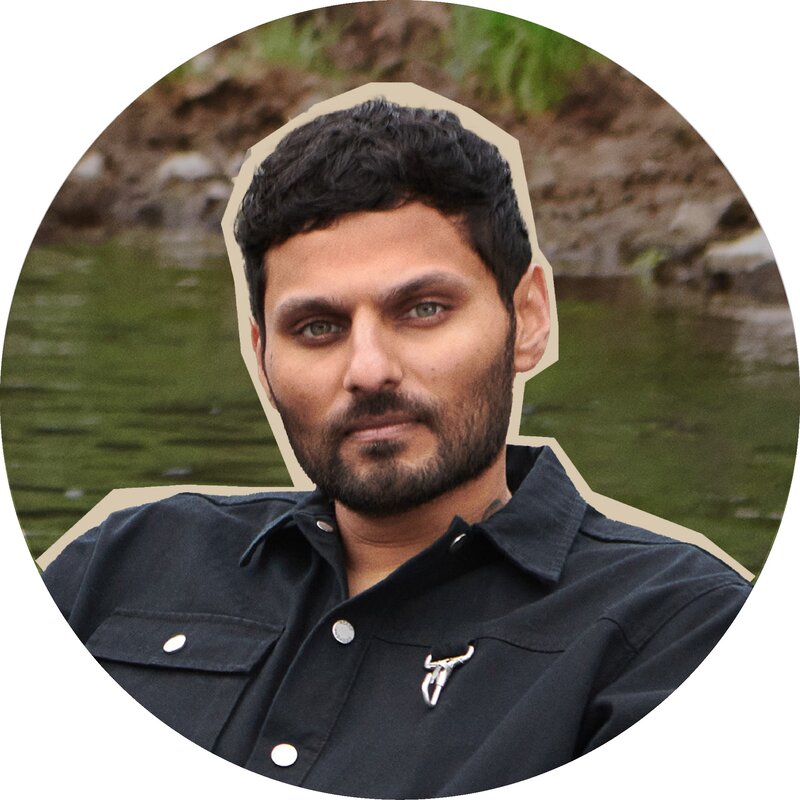
 Jay Shetty Podcast
MONEY EXPERTS: If I Had to Make 1 MILLION From $0 — Here's EXACTLY What I'd Do!
Jay Shetty on transform money mindset: pursue wealth, monetize skills, invest consistently, generously.
In this episode of Jay Shetty Podcast, featuring Jay Shetty and Scott Galloway, MONEY EXPERTS: If I Had to Make 1 MILLION From $0 — Here's EXACTLY What I'd Do! explores transform money mindset: pursue wealth, monetize skills, invest consistently, generously Scott Galloway distinguishes being “rich” (visible consumption) from being “wealthy” (passive income exceeding expenses) and argues financial security is built by lowering burn and increasing savings.
At a glance
WHAT IT’S REALLY ABOUT
Transform money mindset: pursue wealth, monetize skills, invest consistently, generously
- Scott Galloway distinguishes being “rich” (visible consumption) from being “wealthy” (passive income exceeding expenses) and argues financial security is built by lowering burn and increasing savings.
- The episode emphasizes that money anxiety is often worsened by silence and shame, and that financial literacy plus candid conversations can normalize learning and improve decisions.
- Codie Sanchez argues the job market is shifting from credentials to demonstrable skills, urging people to translate capabilities into measurable business outcomes that can be negotiated into equity upside.
- Lewis Howes and Jay Shetty unpack scarcity beliefs (e.g., “money is bad” or “making money is hard”) and propose gratitude and generosity as practical mindset habits that expand opportunities and relationships.
- Jaspreet Singh provides a simple “wealth formula” (income minus expenses equals savings plus investments) and stresses consistent, automated investing and delayed gratification over get-rich-quick thinking.
IDEAS WORTH REMEMBERING
5 ideasAim for wealth (passive income > burn), not “rich-looking” spending.
Galloway frames wealth as economic security: when passive income reliably covers your lifestyle, stress drops and you can prioritize relationships and meaning over appearances.
Cutting expenses can be as powerful as earning more—sometimes more so.
Examples like relocating from high-cost cities to places like Costa Rica or Portugal show how reducing burn rate can dramatically improve financial stability without needing extraordinary income.
Treat money like a skill: learn it, practice it, and talk about it.
The episode argues money “unwellness” improves with financial literacy and open discussion—comparing it to how experts constantly discuss and refine their craft.
Credentials matter less than demonstrated value you’ve already created.
Sanchez highlights a shift toward proof-of-work: employers and partners respond more to specific outcomes (revenue growth, cost cuts, operational improvements) than elite degrees alone.
Use “expertise to equity” to build ownership without fronting large capital.
If you can increase revenue, reduce costs, or remove an owner’s pain, you can propose performance-based deals (e.g., a share of growth) that create upside beyond a salary.
WORDS WORTH SAVING
5 quotesThe goal isn't to be rich. Rich is the things you see. Wealth is what you don't see, and your pursuit should be wealth or economic security.
— Scott Galloway
Wealth is having passive income that's greater than your burn.
— Scott Galloway
If you wanna be good at money, put down the facade and start talking to people about their investments, how much money they make, what they do with their money, how they save money, what they do to try and limit their spending.
— Scott Galloway
How bad do you want it? And don't tell me what you learned. Show me what you can do, or even better, show me what you did.
— Codie Sanchez
Your beliefs dictate your behaviors.
— Lewis Howes
QUESTIONS ANSWERED IN THIS EPISODE
5 questionsScott defines wealth as passive income exceeding burn—how should someone calculate their “burn” if their expenses vary month to month?
Scott Galloway distinguishes being “rich” (visible consumption) from being “wealthy” (passive income exceeding expenses) and argues financial security is built by lowering burn and increasing savings.
If buying a home isn’t always the right move, what specific signals (life stage, city, savings rate, stability) should determine whether renting is smarter?
The episode emphasizes that money anxiety is often worsened by silence and shame, and that financial literacy plus candid conversations can normalize learning and improve decisions.
Codie suggests working for free or proposing upside deals—what safeguards (scope, time limits, written terms) prevent this from turning into exploitation?
Codie Sanchez argues the job market is shifting from credentials to demonstrable skills, urging people to translate capabilities into measurable business outcomes that can be negotiated into equity upside.
What are concrete examples of “expertise to equity” for common skills (marketing, operations, sales, project management) with small local businesses?
Lewis Howes and Jay Shetty unpack scarcity beliefs (e.g., “money is bad” or “making money is hard”) and propose gratitude and generosity as practical mindset habits that expand opportunities and relationships.
Lewis says beliefs dictate behaviors—what’s a practical exercise to uncover hidden money beliefs like “money is bad” or “good people are poor”?
Jaspreet Singh provides a simple “wealth formula” (income minus expenses equals savings plus investments) and stresses consistent, automated investing and delayed gratification over get-rich-quick thinking.
Chapter Breakdown
Why money is hard to talk about—and why it matters
Jay frames money as one of the most emotionally loaded topics, affecting relationships, self-worth, and day-to-day stress. He sets the intention for the episode: shift from surviving to thriving by changing how you think and behave with money.
Wealth vs. being “rich”: the invisible goal of financial security (Scott Galloway)
Scott distinguishes “rich” (visible consumption) from “wealth” (invisible security). He defines wealth as passive income exceeding your burn rate, and challenges the assumption that buying a home is always the right milestone.
Lower your burn rate: lifestyle design as a wealth strategy
Scott uses real examples to show how relocating or redesigning lifestyle can dramatically improve financial stability. Cutting expenses can be as powerful as increasing income—and often more controllable in the short term.
Rewiring money anxiety with literacy, openness, and “gamified” saving
Scott argues that money stress improves through education and normalizing conversations about money. He encourages people—especially men who feel status pressure—to practice vulnerability, learn the basics, and make saving motivating rather than depriving.
Degrees vs. skills: converting what you can do into economic value (Codie Sanchez)
Codie explains that prestige credentials are becoming less important than demonstrated ability. She encourages building a ‘resume of proof’ and focusing on practical skills that make companies money, reduce costs, or remove pain.
How bad do you want it? The reality of early-career sacrifice
Codie emphasizes that building wealth often requires uncomfortable effort—longer hours, unglamorous tasks, and patience. She challenges the expectation of immediate fulfillment and reframes hard seasons as the price of later autonomy.
Want to quit your job but don’t know what’s next? Use ‘expertise-to-equity’ deals
For someone mid-career and stuck, Codie suggests not simply job-hopping—especially without savings or conviction. Instead, identify a monetizable skill and negotiate upside (equity or revenue share) by solving specific business problems.
Abundance starts with beliefs: unpacking money stories (Jay Shetty & Lewis Howes)
Jay and Lewis explore how childhood narratives and social conditioning create limiting beliefs about money. Jay shares a core belief: money is hard, and people with money must be “dodgy,” which created internal conflict when his impact grew but income didn’t.
The mindset habit that unlocks wealth: generosity and gratitude
Lewis argues that scarcity makes people hoard time, ideas, and energy, but sustained wealth correlates with generosity. Gratitude reframes money as a tool rather than a moral test, and generosity builds relationships and opportunities that compound over time.
Practical abundance exercises: ‘thank you’ money and creating value from nothing
Lewis shares practices inspired by Ken Honda’s ‘Happy Money’: thank money when it arrives and when it leaves. Jay adds a real example of creating value without pay (Nasdaq interview series) to access mentors, build proof, and form key relationships.
The wealth formula: income – expenses = savings + investments (Jaspreet Singh)
Jaspreet lays out a simple framework: the margin between income and expenses fuels savings and investing. He explains that building wealth means owning equity—through businesses, stocks, real estate investments, and other assets.
Start small, automate, and compound: defeating ‘I don’t have enough’ thinking
Jaspreet counters the belief that small amounts can’t matter by emphasizing consistency and automation. He recommends low-friction investing methods like ETFs (e.g., S&P 500 exposure) for those who don’t want to pick individual stocks.
Avoid get-rich-quick traps: the decade of sacrifice and ‘growing the pie’ mindset
Jaspreet and Jay address impatience and the illusion of overnight wealth. Jaspreet argues it often takes a decade of learning (including failures and scams) and that the best returns may come from investing in yourself to increase income—not just pinching pennies.
Staying wealthy: lifestyle restraint and reinvesting instead of looking rich
Jaspreet illustrates the gap between looking rich and being wealthy through his own frugal choices, even after high earnings. The focus is redeploying capital into assets (business, stocks, real estate) rather than liabilities that signal status.
EVERY SPOKEN WORD
Install uListen for AI-powered chat & search across the full episode — Get Full Transcript
Get more out of YouTube videos.
High quality summaries for YouTube videos. Accurate transcripts to search & find moments. Powered by ChatGPT & Claude AI.
Add to Chrome