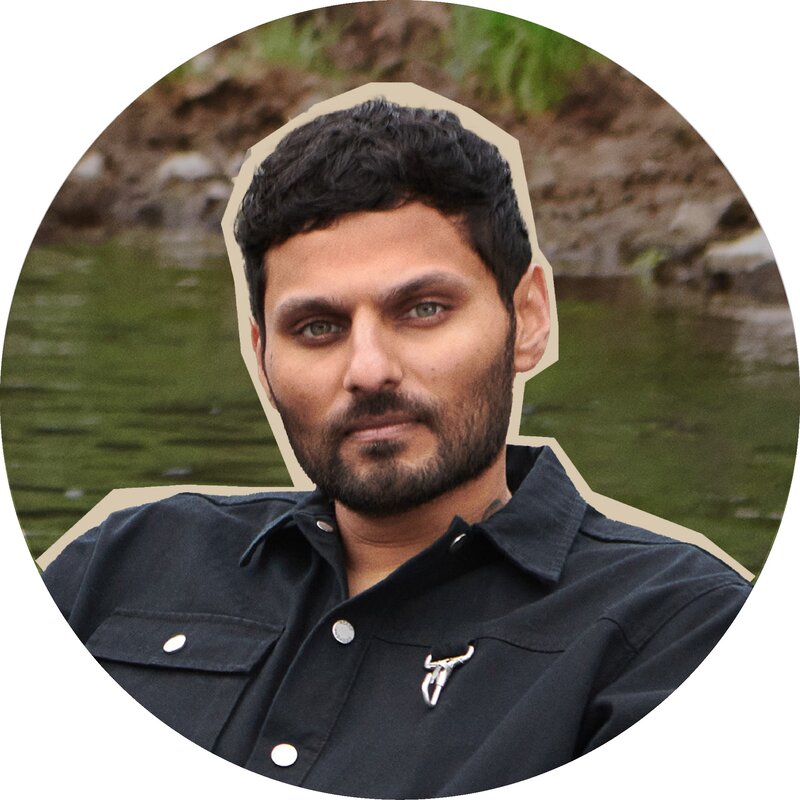
 Jay Shetty Podcast
Novak Djokovic REVEALS His Secret Mindset Shift That ENDS Self-Doubt...
Jay Shetty and Novak Djokovic on djokovic explains survival-driven ambition, self-doubt, and mental training tools.
In this episode of Jay Shetty Podcast, featuring Novak Djokovic and Jay Shetty, Novak Djokovic REVEALS His Secret Mindset Shift That ENDS Self-Doubt... explores djokovic explains survival-driven ambition, self-doubt, and mental training tools Djokovic credits an early “holistic” foundation—visualization, journaling, music, poetry, breathwork, and mindfulness—for building an internal game as important as technique.
At a glance
WHAT IT’S REALLY ABOUT
Djokovic explains survival-driven ambition, self-doubt, and mental training tools
- Djokovic credits an early “holistic” foundation—visualization, journaling, music, poetry, breathwork, and mindfulness—for building an internal game as important as technique.
- He describes how wartime scarcity and family survival pressure shaped a relentless success drive that later blended with a persistent feeling of “not being enough,” especially rooted in his relationship with his father.
- He reframes mental toughness as emotional regulation and surrender—accepting negative thoughts, shortening how long he stays in dark states, and using nature, solitude, and controlled distraction to reset after losses.
- He explains performance pivots: nutrition changes (removing gluten/dairy/refined sugar), learning from rivals, analyzing painful losses, and converting hostile crowds into fuel by “hearing” cheers as support.
- Djokovic shares how injury recovery, purpose, and post-career preparation motivate him now, including wellness ventures (Sila hydration) and a multi-sensory recovery capsule (Regenesis Pod).
IDEAS WORTH REMEMBERING
5 ideasConsistency beats intensity in mental training.
Djokovic emphasizes daily practice—prayer, mindfulness, meditation, breathwork, visualization—because you can’t “turn it on” only in crisis; the foundation is built when nobody is watching.
High achievement can be powered by both purpose and insecurity.
He distinguishes a “good place” (love of sport, inspiring others, testing limits) from a less healthy driver (deep feelings of inadequacy), arguing the work is learning to live with the latter without letting it steer you.
Negative thoughts aren’t failure; lingering in them is the problem.
He rejects the “only positive vibes” wellness narrative and shares a Zen teaching: elite calm comes from training to exit difficult emotions quickly, not from never having them.
Environment can accelerate or sabotage habit change.
He notes habit change may take weeks, but without a supportive environment—people, routines, and reduced friction—new behaviors collapse under social norms and constant temptation.
Solitude and boredom are performance tools, not luxuries.
After losses he needs isolation to process before hearing others’ opinions, and he actively teaches his kids to tolerate boredom because it unlocks creativity and helps metabolize suppressed thoughts.
WORDS WORTH SAVING
5 quotesNot having success is not an option. Like, I have to succeed. It's basically a matter of existence, a survival of my family.
— Novak Djokovic
But what comes from maybe a l- uh, say not necessarily a bad place, but less of a good place, I have identified that as well, is my feeling of not being enough.
— Novak Djokovic
You cannot convince me that there's a single person in this planet, even a monk in Tibet that is meditating 24/7, or an Orthodox Christian priest in a holy island in Greece that is 24/7 praying, you know, peace isolated in the cave, that is not experiencing some negative thoughts.
— Novak Djokovic
The difference between you and me is my training and my ability to not stay in that state and in that emotion for a long time.
— Novak Djokovic
So I was convincing myself, and I managed to convince myself, especially in the second part of the match, that they were cheering, "No- Nolan," or, "Novak, Novak."
— Novak Djokovic
QUESTIONS ANSWERED IN THIS EPISODE
5 questionsWhen you say your childhood coach introduced a “holistic approach,” what was the exact daily routine (time, sequence, duration) at age 9–12 that built those habits?
Djokovic credits an early “holistic” foundation—visualization, journaling, music, poetry, breathwork, and mindfulness—for building an internal game as important as technique.
How do you personally separate “purpose-driven ambition” from “not-being-enough ambition” in the moment—what signals tell you which one is operating?
He describes how wartime scarcity and family survival pressure shaped a relentless success drive that later blended with a persistent feeling of “not being enough,” especially rooted in his relationship with his father.
You said you’re working on surrender and letting go—what’s one recent match or relationship moment where you failed to let go, and what would you do differently now?
He reframes mental toughness as emotional regulation and surrender—accepting negative thoughts, shortening how long he stays in dark states, and using nature, solitude, and controlled distraction to reset after losses.
Can you break down your post-loss recovery protocol hour-by-hour (first 60 minutes, first evening, next day) and how it changes depending on the type of loss?
He explains performance pivots: nutrition changes (removing gluten/dairy/refined sugar), learning from rivals, analyzing painful losses, and converting hostile crowds into fuel by “hearing” cheers as support.
Your ‘hear Roger as Novak’ technique is powerful—what other specific mental reframes have you used in hostile environments, and how long did it take before they felt automatic?
Djokovic shares how injury recovery, purpose, and post-career preparation motivate him now, including wellness ventures (Sila hydration) and a multi-sensory recovery capsule (Regenesis Pod).
Chapter Breakdown
Welcome back: Djokovic on inner work, intuition, and why tennis is a battlefield
Jay Shetty reunites with Novak Djokovic and frames the conversation around Novak’s internal game—consciousness, mindset, and emotional mastery. Novak explains how he reads intention through intuition and why high-performance environments reveal both our best and worst selves.
Early foundations: the ‘tennis mother’ who built his holistic mindset
Novak credits early mentorship for introducing a multidisciplinary approach: visualization, journaling, music, poetry, and reflective practices. These habits started as simple childhood routines and evolved into the backbone of his mental resilience.
Ego, evolution, and the shock of still having work to do
Despite decades of inner work, Novak describes a humbling realization: practices that once worked aren’t a permanent guarantee. He explains how peak confidence can slide into ego, and why accepting continued growth is both challenging and necessary.
Achieving ‘everything’—and still wanting more: purpose vs. not-enoughness
Novak answers whether he’s achieved his goals: yes, and more—yet he still feels driven to continue. He distinguishes between a healthy drive (purpose, love, inspiration) and a more painful fuel source: a deep-rooted feeling of inadequacy tied to childhood dynamics.
Survival mindset: war, poverty, and the pressure to succeed
Novak shares how growing up amid conflict and scarcity shaped his urgency, maturity, and relationship to success. A defining moment—his father showing the family’s last money—turned achievement into perceived necessity for family survival.
Faith and the unseen edge: prayer, practice, and ‘divine intervention’
Novak describes faith as a real performance support, especially in inexplicable comeback wins. He details a consistent spiritual-mental routine—prayer, mindfulness, breathwork, visualization—and emphasizes daily practice so it’s available in crisis.
Nature, boredom, and healthy distraction: resetting after losses
Novak explains his post-loss process: he needs solitude before analysis or comfort. He advocates for boredom as a creative and emotional-processing space, and treats nature (especially uphill walking) as a powerful regulator; distractions can be useful if controlled.
From admirer to legend: rivalries, nutrition transformation, and learning from losses
Novak recounts facing heroes (Sampras) and emerging rivalries with Federer and Nadal. A pivotal shift came through nutrition changes (gluten/dairy/sugar), improved recovery and clarity, and adopting a painful-but-effective habit: studying losses, inspired by Kobe Bryant.
The ‘flip’ with the new generation: leadership, respect, and unity in sport
With Federer/Nadal/Murray retiring, Novak describes an emotional shift and the challenge of redefining rivalries. He embraces a mentorship role—sharing experience beyond tactics—and argues that appreciation and respect outlast records.
Handling hostile crowds: creating reality and mastering the subconscious
Novak explains how he learned to thrive when crowds favored Federer/Nadal. His key technique: transmuting opposition energy into support by reframing what he hears, paired with a deeper understanding of subconscious programming and radical responsibility.
Men, vulnerability, and emotional permission: why caring isn’t weakness
Novak challenges the sports culture that equates emotion with weakness, citing Cristiano Ronaldo’s tears as evidence of care and commitment. He shares his own shift—moving from emotional shutdown shaped by upbringing to allowing vulnerability, especially in national competitions.
Worst injuries and comeback fuel: elbow surgery, knee meniscus, and proving people wrong
Novak recounts his toughest physical setbacks: elbow surgery (2017) and knee meniscus rupture (Roland Garros 2024). He describes the psychological trigger that powered his rapid Wimbledon return—being told ‘don’t even think about it’—and how challenge is essential at this stage.
What’s next: building wellness ventures (Sila hydration & Regenesis Pod) with purpose
Novak shares how he’s preparing for life after tennis by building health and wellness products rooted in his personal standards. He introduces Sila (hydration and supplements pipeline) and the Regenesis Pod (multi-sensory recovery capsule) as mission-driven extensions of his performance philosophy.
Final Five: present-moment advice, Olympic extremes, and lessons in legacy
In the rapid-fire closing, Novak shares guiding principles: live in the present, reject revenge-based thinking, and protect nature through collective empathy. He names Olympic gold in Paris as his best on-court day and Rio 2016 as his worst, and identifies Nadal as his toughest physical opponent.
EVERY SPOKEN WORD
Install uListen for AI-powered chat & search across the full episode — Get Full Transcript
Get more out of YouTube videos.
High quality summaries for YouTube videos. Accurate transcripts to search & find moments. Powered by ChatGPT & Claude AI.
Add to Chrome