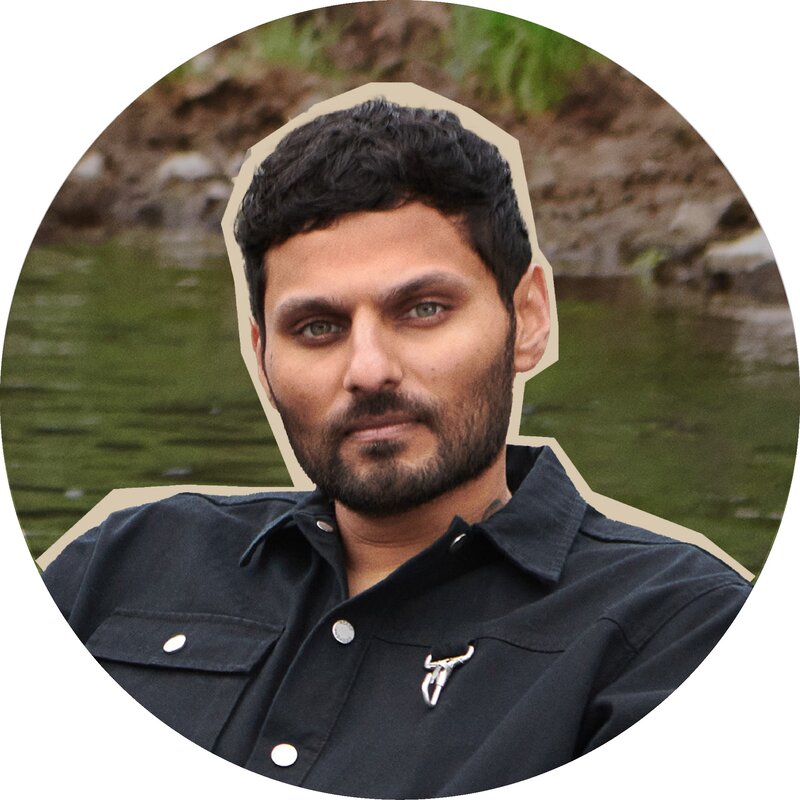
 Jay Shetty Podcast
Wim Hof: Your Brain Can HEAL Your Body - Here's Proof!
Jay Shetty and Wim Hof on breath, cold exposure, and willpower to reduce stress inflammation.
In this episode of Jay Shetty Podcast, featuring Wim Hof and Jay Shetty, Wim Hof: Your Brain Can HEAL Your Body - Here's Proof! explores breath, cold exposure, and willpower to reduce stress inflammation Hof argues that controlled breathing and cold exposure can train the nervous system to reduce stress reactivity and help regulate emotions such as anxiety and fear.
At a glance
WHAT IT’S REALLY ABOUT
Breath, cold exposure, and willpower to reduce stress inflammation
- Hof argues that controlled breathing and cold exposure can train the nervous system to reduce stress reactivity and help regulate emotions such as anxiety and fear.
- He claims the method can lower inflammation and strengthen immune response, referencing studies where trained participants showed reduced symptoms after endotoxin (bacterial) exposure.
- He explains a physiological model: cyclic hyperventilation and breath holds shift blood chemistry and trigger an adrenaline surge that he says “flushes” brain and body systems.
- The “commitment” pillar is framed as disciplined discomfort training—learning to surrender in the cold, quiet mental chatter, and build willpower through direct bodily experience.
- Beyond performance and health, Hof links the practice to meaning, love, and healing grief, describing cold exposure as pivotal in coping with his wife’s suicide and inspiring his broader mission.
IDEAS WORTH REMEMBERING
5 ideasTreat breathwork as a fast, repeatable state-change tool.
Hof emphasizes a simple protocol (e.g., ~30 deep breaths, then exhale and hold; repeated in rounds) to rapidly shift how you feel, especially before stressful moments like interviews or presentations.
Cold exposure is positioned as “discomfort practice” that builds resilience.
He argues that learning to calm yourself in an ice bath transfers to everyday stress, because you practice staying present, regulating panic, and letting the body adapt instead of fleeing discomfort.
Consistency (“commitment”) is the multiplier, not complexity.
Hof repeatedly downplays technical perfection (nose vs. mouth, esoteric breathing rules) and highlights adherence—doing it daily, ideally morning on an empty stomach, to accumulate benefits.
Use the cold to train surrender and reduce mental rumination.
He describes cold water as forcing mental “shutdown” of excessive thinking, shifting attention into bodily sensation and interoceptive control—what he equates with deeper meditative states.
Anxiety is reframed as an actionable biological message.
Hof suggests anxiety often signals overload and poor internal “cleaning,” and that breathwork can reduce the obstructive feeling by changing physiology and restoring a sense of control.
WORDS WORTH SAVING
5 quotesIf the world think that, uh, hunger, uh, abuse, pollution, disease, darkness, depression is normal, then I think it is sick, and I'm going to do something about it.
— Wim Hof
We're not only here to drink a glass of water. We are here to drink the full cup of life.
— Wim Hof
Anxiety actually is a neural signal saying to me, "Hey, clean up before you go up."
— Wim Hof
I've learned over time that things that are good for you feel good after, and things that are bad for you feel good before.
— Jay Shetty
Just try it out once, and then you will see for yourself 'cause feeling is understanding.
— Wim Hof
QUESTIONS ANSWERED IN THIS EPISODE
5 questionsIn the endotoxin/bacteria study you reference, what exact training did participants receive, and what outcomes (symptoms, cytokines, temperature, heart rate) changed versus controls?
Hof argues that controlled breathing and cold exposure can train the nervous system to reduce stress reactivity and help regulate emotions such as anxiety and fear.
You say “inflammation is the cause and effect of every disease”—which conditions do you think this framing fits well, and where does it oversimplify?
He claims the method can lower inflammation and strengthen immune response, referencing studies where trained participants showed reduced symptoms after endotoxin (bacterial) exposure.
You describe adrenaline surging higher than a first-time bungee jump during breathing—how should someone with panic disorder, arrhythmia, or hypertension modify or avoid the practice?
He explains a physiological model: cyclic hyperventilation and breath holds shift blood chemistry and trigger an adrenaline surge that he says “flushes” brain and body systems.
What is your step-by-step progression for a complete beginner who can only tolerate 10 seconds of cold—time, temperature, breathing cues, and weekly increases?
The “commitment” pillar is framed as disciplined discomfort training—learning to surrender in the cold, quiet mental chatter, and build willpower through direct bodily experience.
You mention cleansing “biochemical residue” including PFAS/microplastics—what evidence supports elimination of these via breathwork/cold, and what markers would you measure to validate it?
Beyond performance and health, Hof links the practice to meaning, love, and healing grief, describing cold exposure as pivotal in coping with his wife’s suicide and inspiring his broader mission.
Chapter Breakdown
Healing by controlling inflammation, the nervous system, and immunity
Wim Hof frames his mission as helping people access deeper control over the autonomic nervous system and immune response to reduce inflammation, which he calls a root driver of disease. He positions his method as a fast, practical way to “clean” stress-related biochemical buildup and restore energy and emotional balance.
Why Wim dedicated his life to this: purpose, faith, and early worldview
Hof links his drive to a powerful origin story—his mother’s fearful prayer at his birth—and to a childhood conviction that suffering and dysfunction shouldn’t be considered “normal.” He describes his work as breaking through ignorance by returning to nature rather than complex doctrines.
Wim Hof Method, simplified: the three pillars and what they change
Jay asks for a beginner explanation, and Hof breaks the method into breathing, cold exposure, and commitment. He emphasizes outcomes: emotional regulation, stronger stress response, more energy, and measurable physiological changes that science once said were impossible.
Breath as a performance and power amplifier (including the push-up demo)
Hof illustrates how breathwork can immediately change neuromuscular output and perceived limits, using a stage example where breathing boosts push-up capacity. He downplays perfectionism about nasal vs mouth breathing for short sessions and stresses consistency over complexity.
A daily starter routine: empty stomach, morning practice, cold shower
Hof recommends practicing on an empty stomach—ideally in the morning—and pairing breathwork with a cold shower to set the day’s physiology and mindset. He frames this as a quick, repeatable routine that increases clarity, focus, and resilience to daily stressors.
How the breathing ‘cleanses’: CO₂, alkalinity, adrenaline spike, and brain/heart flushing
Hof gives a mechanistic explanation: controlled hyperventilation lowers CO₂, shifts blood alkalinity, enables long exhale holds, and triggers the brainstem’s alarm response, creating a large adrenaline release. He claims this surge plus increased blood flow “flushes” the brain and heart and reduces inflammatory markers.
Anxiety reframed: a signal to ‘clean up before you go up’
Jay raises widespread anxiety, and Hof argues the same simple breathing protocol can reduce it quickly by changing the underlying physiology. He reframes anxiety as a warning signal that the system needs regulation and “cleanup” before performance moments.
Breathing and immunity: controlled inflammation and fewer sick days
Hof cites research where trained participants reportedly resisted symptoms after exposure to an inflammatory trigger, presenting it as evidence for voluntary immune modulation. He positions the method as both preventative (daily practice) and responsive (when stress or illness threatens).
Discomfort training: why cold exposure builds stress resilience
The conversation shifts to modern comfort-seeking and how it can backfire long-term. Hof argues controlled stress (cold) trains the stress system, making everyday stressors less overwhelming, and provides an immediate reward of calm and improved sleep.
Cold plunge coaching: getting past the first 10 seconds and learning surrender
Jay asks how beginners can handle the initial shock and urge to quit. Hof emphasizes shifting from thinking to sensing, staying at least a minute to allow adaptation, and using cold as a practice of surrender that strengthens control under stress.
Origin story of the method: cold as a doorway beyond rumination
Hof describes being highly cerebral and ruminative as a teenager until an intuitive pull toward cold water stopped the mental noise. He then discovered breathing patterns that extended cold tolerance and translated the practice into a repeatable, at-home method.
Evidence and ‘untapped brain power’: intention, interoception, and brain-scan claims
Hof and Jay explore the idea that we already ‘talk to the body’ through intention, and Hof claims practices can expand conscious control far beyond what people assume. He references brain-scan observations and research with distressed participants showing rapid pattern interruption and renewed agency.
Mantra, meditation, and willpower: concentration trained through cold
Hof touches on mantra traditions and argues meditation should become a natural, joyful state rather than a separate activity. He defines willpower as deep internal control and concentration (dharana), trained by meeting stress (like cold) and learning focused regulation.
Applying the method to life’s hardest moments: grief, fear, and turning pain into purpose
Hof shares how losing his wife to suicide drove profound grief that nothing relieved except cold water, which quieted the mind and reactivated a will to live. He links surrender and controlled stress to breaking traumatic loops and transforming suffering into a mission of service and love.
EVERY SPOKEN WORD
Install uListen for AI-powered chat & search across the full episode — Get Full Transcript
Get more out of YouTube videos.
High quality summaries for YouTube videos. Accurate transcripts to search & find moments. Powered by ChatGPT & Claude AI.
Add to Chrome