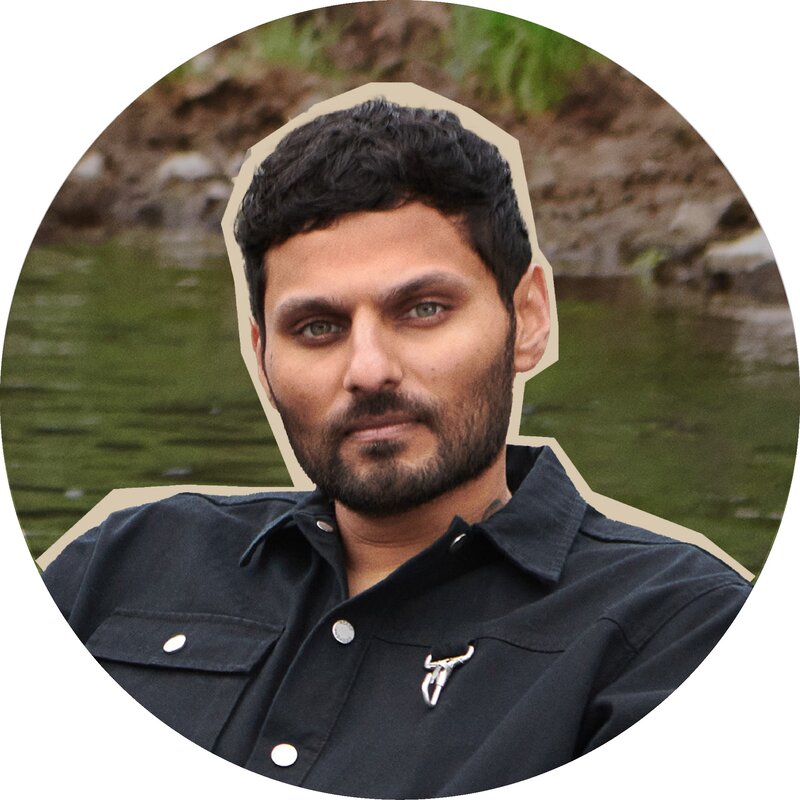
 Jay Shetty Podcast
CELEBRITY NUTRITIONIST: Do THIS For 14 Days and Stop Feeling Bloated! (Doctors Won't Tell You This!)
Jay Shetty and Mona Sharma on stress-first healing for gut, energy, and lasting lifestyle change rituals.
In this episode of Jay Shetty Podcast, featuring Mona Sharma and Jay Shetty, CELEBRITY NUTRITIONIST: Do THIS For 14 Days and Stop Feeling Bloated! (Doctors Won't Tell You This!) explores stress-first healing for gut, energy, and lasting lifestyle change rituals Sharma argues most modern health struggles persist because conventional care and diet culture treat symptoms rather than investigating root causes like chronic stress and nervous system dysregulation.
At a glance
WHAT IT’S REALLY ABOUT
Stress-first healing for gut, energy, and lasting lifestyle change rituals
- Sharma argues most modern health struggles persist because conventional care and diet culture treat symptoms rather than investigating root causes like chronic stress and nervous system dysregulation.
- She frames healing as a whole-person process—mind, body, and spirit—combining Western diagnostics (labs, cortisol, genetics) with Eastern practices (breathwork, meditation, yoga, Ayurveda).
- Using her own story of heart surgeries and corporate burnout, she claims recovery accelerated when she shifted from “hardcore” control to regulation, rest, emotional processing, and alignment with purpose.
- The episode links stress to gut dysfunction through the vagus nerve and highlights common lifestyle drivers of bloating: eating in fight-or-flight, ultra-processed foods, seed oils, excess sugar, caffeine, and alcohol.
- Action steps emphasized include a 14-day trial of savory high-protein/high-fiber breakfasts, reducing stimulants, building sleep/kitchen “audits,” and turning habits into identity-shaping rituals anchored by a strong “why.”
IDEAS WORTH REMEMBERING
5 ideasTreat symptoms as signals, not the problem.
She describes headaches, bloating, fatigue, and anxiety as “whispers” from an intelligent body; the goal is to ask when symptoms began and what life stressors or patterns were present rather than only suppressing discomfort.
Nervous system regulation is a prerequisite for digestion and healing.
In her framing of polyvagal states, healing occurs most reliably when you can return to “rest and digest”; eating and recovery suffer when you stay chronically in fight/flight or compensate with shutdown behaviors (wine + Netflix).
How you eat matters as much as what you eat for bloating.
She argues that eating while scrolling, driving, or working keeps the body in a stress state that impairs digestion; creating calm meals (device-free, slower, more present) is positioned as a first-line intervention.
Remove common modern gut disruptors before chasing complex protocols.
Her starting targets are ultra-processed foods, inflammatory seed/vegetable oils (soybean/canola/safflower), excess added sugar, too much caffeine, and alcohol—because these compound inflammation, dysbiosis, and metabolic instability.
Run a 14-day savory breakfast experiment to reduce cravings and crashes.
She claims sugary breakfasts trigger glucose spikes and mid-morning crashes that perpetuate more caffeine/sugar, raising risk for insulin resistance; she recommends 30–40g protein plus fiber at breakfast for two weeks to stabilize mood, energy, and appetite.
WORDS WORTH SAVING
5 quotesFood is information that helps every single one of the trillion cells in our body thrive.
— Mona Sharma
I would say the instigation of everything, and we know the instigation of all dis-ease in the body, is stress.
— Mona Sharma
These symptoms are whispers from your body. Again, it's that intelligence of your body which is communicating with you.
— Mona Sharma
If you don't know what the ingredient is, then neither will your body.
— Mona Sharma
Habits come and go, but rituals become you.
— Mona Sharma
QUESTIONS ANSWERED IN THIS EPISODE
5 questionsYou call stress the “instigation of all dis-ease”—what evidence or specific biomarkers do you rely on to distinguish stress-driven symptoms from primarily dietary or medical causes?
Sharma argues most modern health struggles persist because conventional care and diet culture treat symptoms rather than investigating root causes like chronic stress and nervous system dysregulation.
If someone can’t change their workload, what are your top 3 fastest nervous-system regulation practices that measurably improve digestion (and how long should each take)?
She frames healing as a whole-person process—mind, body, and spirit—combining Western diagnostics (labs, cortisol, genetics) with Eastern practices (breathwork, meditation, yoga, Ayurveda).
For bloating specifically, how would your first 14 days look—what exact foods to prioritize/avoid, and what daily signals indicate it’s working vs. backfiring?
Using her own story of heart surgeries and corporate burnout, she claims recovery accelerated when she shifted from “hardcore” control to regulation, rest, emotional processing, and alignment with purpose.
Seed oils are controversial: what data or client outcomes most convinced you they drive inflammation, and what fats do you recommend instead for most people?
The episode links stress to gut dysfunction through the vagus nerve and highlights common lifestyle drivers of bloating: eating in fight-or-flight, ultra-processed foods, seed oils, excess sugar, caffeine, and alcohol.
You recommend 30–40g protein at breakfast—how should vegetarians or people with low appetite in the morning practically hit that target?
Action steps emphasized include a 14-day trial of savory high-protein/high-fiber breakfasts, reducing stimulants, building sleep/kitchen “audits,” and turning habits into identity-shaping rituals anchored by a strong “why.”
Chapter Breakdown
Food as information + breaking up with diet culture
Mona frames food as “information” that shapes cellular health and asks listeners to evaluate whether their diet nourishes or depletes them. She explains why many clients come to her ready to unlearn diet/workout culture and take a mind-body-spirit approach.
Why conventional healthcare treats symptoms instead of root causes
Jay and Mona discuss how modern medicine often becomes fragmented—focusing on organs and symptoms rather than the whole system. Mona explains how she combines Western diagnostics (labs, imaging, genetic testing) with deeper inquiry into beliefs, values, and lived experience.
Mona’s health crisis: burnout, PCOS, palpitations, and surgeries
Mona shares her corporate burnout story and escalating symptoms—digestive issues, PCOS, and severe heart palpitations. She describes undergoing two catheter ablations, the trauma of being awake during procedures, and the looming possibility of a pacemaker.
Returning to her roots: ashram healing, nervous system calm, and identity shift
Mona recounts growing up with ashram summers (yoga, meditation, vegetarian meals, community) and returning there to heal. She emphasizes that relaxing, processing emotion, and reconnecting spiritually helped resolve symptoms and changed her understanding of true health.
Stress as the catalyst of dis-ease: finding when symptoms began
Mona argues that stress is a key instigator of many chronic issues and encourages investigating when symptoms started and what was happening then. She notes that doctors often overlook life context (divorce, moves, emotional load) and the state of the nervous system.
Regulated vs. dysregulated nervous system (polyvagal basics)
Mona explains polyvagal states—safety/rest-digest, fight-flight-freeze, and shutdown—and how people get stuck in hypervigilance. She reframes “trauma” as how the nervous system metabolizes experiences, including subtle childhood moments that shape adult patterns.
Building stress resilience: breath, movement, journaling, coaching, visualization
Mona outlines practical ways to interrupt stress loops and retrain the body toward calm. She emphasizes breathwork, walking, yoga, journaling, and coaching tools like “best self snapshot,” plus visualization that creates a physiological shift toward regulation.
Morning routines that heal: creating a personalized ‘magic morning’
Mona recommends mornings as prime time for nervous system retraining and intentional living. She offers a guided nature-based visualization and explains how sensory detail and emotion (joy, calm) can become an anchor state throughout the day.
Why mindset practices work: frequency, coherence, gratitude, and modern science
Addressing skepticism, Mona connects concepts like vibration/frequency to emerging science and biofeedback. She highlights HeartMath-style gratitude practices and returning to childhood ‘essence’ as a direct route to coherence and emotional regulation.
Stress and gut health: the vagus nerve, normalization of bloating, and microbiome effects
Jay and Mona explore how stress translates into digestive symptoms via the vagus nerve and bidirectional gut-brain communication. Mona stresses that bloating is common but not normal, and chronic dysbiosis can amplify cravings, anxiety, sleep issues, and inflammation.
Simple fixes for bloating: eating state + removing ultra-processed foods, seed oils, sugar, excess stimulants
Mona offers a practical starting framework for reducing bloating: slow down and eat in a calm state, then upgrade food quality. She calls out ultra-processed foods, inflammatory seed oils, hidden sugars, caffeine overload, and alcohol as major drivers of gut distress.
Breakfast, alcohol, and coffee: stabilizing energy and mood
Mona explains why sugary breakfasts create glucose spikes and crashes that fuel cravings and insulin resistance. She advocates high-protein, fiber-rich savory breakfasts for two weeks, challenges normalized alcohol intake, and suggests coffee alternatives and step-down strategies.
Turning habits into rituals: stacking small changes that stick
Mona describes why early habit change feels hard and how ritual and repetition make behaviors identity-level. She encourages choosing 1–3 high-impact changes and stacking them onto existing routines (e.g., mindfulness after workouts) to reduce overwhelm.
Brain fog + becoming your own healer: environment, sleep audits, and ‘self-care starts in the kitchen’
Mona frames brain fog as a clue requiring investigation—environmental toxins, food sensitivities, nervous system dysregulation, and especially sleep quality. She and Jay discuss practical ‘audits’ of bedroom and home, and Mona emphasizes creating an at-home ‘ashram’ through kitchen, space, and meditation.
Three daily pillars + purpose-driven longevity, then Final Five rapid-fire
Mona distills daily health into nutrition, movement, and spirit—small 1% upgrades in each category. She stresses having a strong ‘why’ for longevity, then closes with Final Five answers on best/worst advice, personal beliefs, morning/night practice, and a universal law.
EVERY SPOKEN WORD
Install uListen for AI-powered chat & search across the full episode — Get Full Transcript
Get more out of YouTube videos.
High quality summaries for YouTube videos. Accurate transcripts to search & find moments. Powered by ChatGPT & Claude AI.
Add to Chrome