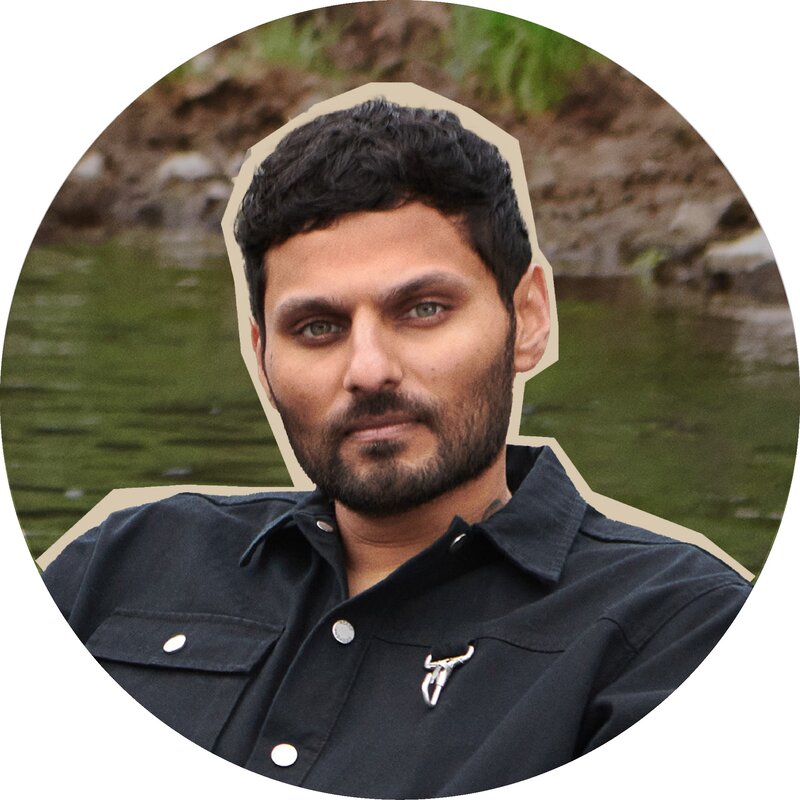
 Jay Shetty Podcast
#1 Holistic Doctor: ''If You Want to Avoid Cancer - Start Doing THIS Today''
Jay Shetty and Dr. Darshan Shah on reduce toxin exposure, track biomarkers, and prevent chronic disease early.
In this episode of Jay Shetty Podcast, featuring Dr. Darshan Shah and Jay Shetty, #1 Holistic Doctor: ''If You Want to Avoid Cancer - Start Doing THIS Today'' explores reduce toxin exposure, track biomarkers, and prevent chronic disease early Dr. Darshan Shah defines modern “toxins” as manmade chemicals (e.g., pesticides, BPA, microplastics) that can disrupt hormones, damage blood vessels, and contribute to chronic disease when exposure outpaces the body’s detox capacity.
At a glance
WHAT IT’S REALLY ABOUT
Reduce toxin exposure, track biomarkers, and prevent chronic disease early
- Dr. Darshan Shah defines modern “toxins” as manmade chemicals (e.g., pesticides, BPA, microplastics) that can disrupt hormones, damage blood vessels, and contribute to chronic disease when exposure outpaces the body’s detox capacity.
- He outlines four main exposure routes—air, water, food, and skin—and recommends simple, low-cost changes like opening windows, changing HVAC filters, filtering tap water, and swapping heated plastics for glass/wood/metal.
- The conversation links toxin burden and “convenience culture” to root drivers of disease—poor metabolic health, chronic inflammation (often gut-driven), high blood pressure, and atherogenic cholesterol particles—connecting these to heart disease, cancer, and Alzheimer’s.
- Shah emphasizes proactive prevention: many people discover heart disease at their first (often fatal) heart attack, and earlier screening plus at-home tracking (not just annual doctor visits) can catch risk decades sooner.
- He argues genetics are a smaller factor than commonly believed because environment and habits influence gene expression, and he highlights emerging tests like p-tau217 for earlier Alzheimer’s detection and ApoB as a superior cardiovascular marker versus LDL alone.
IDEAS WORTH REMEMBERING
5 ideasTreat toxins as a manageable exposure problem, not a hopeless crisis.
Shah notes the environment has many new manmade chemicals, but small daily mitigation steps can reduce total load so the body’s detox systems can keep up.
Improve indoor air first: ventilation beats assumptions.
He claims indoor air can be worse than outdoor air because pollutants get trapped; opening windows when AQI is good, changing HVAC filters, and using room HEPA-style filters are his highest-ROI actions.
Filter your main water source and stop “heat + plastic.”
He recommends reverse osmosis (or at least carbon filtration) for the sink you use most, and strongly discourages plastic bottles and microwaving/storing hot foods in plastic due to leaching and microplastic exposure.
Microplastics hide in “paper” and “convenient” items people trust.
Examples given include paper coffee cups with plastic liners, plastic K-cups, and some tea bags; he advocates switching to options like French press and loose-leaf tea with metal infusers.
Food quality is more than macros—pesticide load matters.
He highlights glyphosate and pesticide exposure, pointing to EWG’s “Dirty Dozen,” recommending organic when possible and better washing practices for thin-skinned produce.
WORDS WORTH SAVING
5 quotesThere's 150,000-plus toxins in our environment that have never been here before, and the reason we use the word toxin or toxic is because they do cause biological problems. They do cause hormone dysregulation, for example. They cause plaque in our arteries.
— Dr. Darshan Shah
Cancer's biggest enemy is being diagnosed as stage one.
— Dr. Darshan Shah
50% of people find out they have heart disease at their first heart attack. Somewhere between 30 to 50% of that first heart attack is fatal.
— Dr. Darshan Shah
We've been convinced through marketing that we need to do more and more and more and more, and the reality is you need less. You just have to know where to cut back.
— Dr. Darshan Shah
No one's gonna care more about your health than you do.
— Dr. Darshan Shah
QUESTIONS ANSWERED IN THIS EPISODE
5 questionsYou said there are “150,000+ toxins” in the environment—what criteria make something a toxin versus a harmless chemical, and which exposures worry you most clinically?
Dr. Darshan Shah defines modern “toxins” as manmade chemicals (e.g., pesticides, BPA, microplastics) that can disrupt hormones, damage blood vessels, and contribute to chronic disease when exposure outpaces the body’s detox capacity.
On indoor air: which specific portable air filter specs (HEPA level, CADR, room size) do you recommend, and how do people prioritize if they can only filter one room?
He outlines four main exposure routes—air, water, food, and skin—and recommends simple, low-cost changes like opening windows, changing HVAC filters, filtering tap water, and swapping heated plastics for glass/wood/metal.
For water: what contaminants does reverse osmosis remove best, what does it miss, and how do you weigh RO vs high-quality carbon filters for cost and practicality?
The conversation links toxin burden and “convenience culture” to root drivers of disease—poor metabolic health, chronic inflammation (often gut-driven), high blood pressure, and atherogenic cholesterol particles—connecting these to heart disease, cancer, and Alzheimer’s.
Microplastics: which everyday swaps deliver the biggest reduction (microwaving containers, cutting boards, kettles, coffee/tea systems), and what’s “good enough” for busy families?
Shah emphasizes proactive prevention: many people discover heart disease at their first (often fatal) heart attack, and earlier screening plus at-home tracking (not just annual doctor visits) can catch risk decades sooner.
You emphasized avoiding heating plastic—does that include dishwashers, hot takeout containers, and “microwave-safe” plastics, and what’s your evidence threshold there?
He argues genetics are a smaller factor than commonly believed because environment and habits influence gene expression, and he highlights emerging tests like p-tau217 for earlier Alzheimer’s detection and ApoB as a superior cardiovascular marker versus LDL alone.
Chapter Breakdown
Toxins 101: what they are and why they’re linked to chronic disease
Dr. Darshan Shah defines “toxins” as largely man‑made chemicals new to human biology and explains why the modern environment is different from 60–70 years ago. He frames the core problem as exposure outpacing the body’s detox capacity, contributing to hormone disruption, arterial plaque, and chronic disease risk.
The four biggest exposure routes—and the ‘small changes compound’ mindset
They map toxin exposure into four main pathways: air, water, food, and skin. Jay and Dr. Shah emphasize that tiny, realistic habit shifts—done consistently—create an “upward spiral” of health.
Cleaner air fast: why indoor air can be worse than outdoor
Dr. Shah explains why enclosed indoor spaces often concentrate particulates and chemicals, making indoor air surprisingly “dirtier.” He offers a simple air-quality playbook that starts with ventilation and basic HVAC maintenance before adding devices.
Water upgrades: filter your tap and ditch plastic bottles
The conversation shifts to drinking water as a daily detox lever—while noting municipal water can contain multiple additives or contaminants. Dr. Shah recommends targeted filtration at the main drinking source and moving away from plastic storage to reduce microplastic exposure.
Microplastics in the body: what we know, what we don’t, and why to act now
Jay challenges the common attitude of ‘I’ve been fine,’ and Dr. Shah explains why uncertainty isn’t reassurance. They discuss emerging evidence of microplastics in blood vessels and organs and argue for precautionary avoidance, especially with heat exposure.
Plastics hiding in plain sight: kitchen gear, clothing, cups, pods, and tea bags
They broaden the microplastic conversation beyond bottles to everyday items most people don’t suspect—especially anything involving heat. Dr. Shah recommends swapping items gradually (or immediately, per Jay) toward wood, glass, ceramic, and metal alternatives.
Food toxins and pesticides: glyphosate, ‘Dirty Dozen,’ and practical buying habits
Dr. Shah explains how modern farming practices introduce pesticide residues into common produce, with thin-skinned fruits/vegetables being especially vulnerable. He offers a pragmatic approach: wash effectively, use the EWG list, and buy organic strategically rather than obsessively.
Convenience culture, stress eating, and the underrated power of eating slowly
Jay connects fast eating to childhood/social conditioning and modern hustle culture, while Dr. Shah ties slow eating to nervous system balance. Meals become positioned as daily “self-care” opportunities to shift into parasympathetic mode and improve digestion and recovery.
Skin and personal care: toxic labels, scanning apps, and washing hair less
They discuss the skin as a major exposure pathway due to frequent product use and opaque ingredient lists. Dr. Shah recommends using rating/scanning tools to swap products once, plus a counterintuitive hair-care tip: shampoo far less often to protect scalp microbiome and reduce chemical load.
Environment vs genetics: epigenetics, toxin ‘symptoms,’ and supporting detox capacity
Dr. Shah argues environment and lifestyle ‘turn genes on/off’ more than DNA alone, shrinking the role of genetics in many outcomes. They cover common signs of higher toxic burden and reiterate that detoxification is largely about lowering exposure so the liver can catch up.
Detox at home: simplifying cleaning products and avoiding harsh chemicals
Dr. Shah challenges the idea that a healthier home requires many specialized cleaners. He recommends simplifying to fewer non-toxic products and reducing chronic chemical exposure from sprays and air fresheners.
Top killers and prevention reality: heart disease, cancer, Alzheimer’s—and why screening is late
They pivot to the leading causes of death and the promise of future tech, but emphasize today’s gap: prevention isn’t well-handled by the current system. Dr. Shah stresses earlier, proactive screening and personal responsibility, especially because many diagnoses occur after major events.
Heart disease’s real drivers: metabolic dysfunction, inflammation, blood pressure, and ApoB
Dr. Shah reframes heart disease away from ‘LDL alone’ and into four interacting causes, then offers concrete ways to reduce risk. They discuss sugar exposure (including hidden sugars), post-meal movement, home blood pressure tracking, and why ApoB is a more modern cholesterol risk marker.
Inflammation, gut health, and medication tradeoffs (antibiotics/NSAIDs)
They define inflammation as immune overactivity that can reduce the immune system’s bandwidth for surveillance and repair. Dr. Shah points to gut health as a major origin point and cautions against routine antibiotics and NSAIDs due to microbiome disruption.
Brain health and Alzheimer’s: new blood testing, lifestyle prevention, and ‘mental reprocessing’
Dr. Shah explains newer options for early Alzheimer’s detection using blood biomarkers and emphasizes prevention through daily practices. He introduces ‘mental reprocessing’—learning, reflecting, and teaching—as a brain-protective routine linked to resilience seen in long-term studies.
Lowering cancer risk: connect the dots, catch it early, and track what matters
They address cancer fear with a two-part approach: reduce root causes (metabolic health, inflammation, toxins) and catch disease early through proactive screening. Dr. Shah’s guiding principle is that stage-one detection dramatically changes outcomes, and he advocates tracking key biomarkers over time.
The 10-biomarker ‘health dashboard’ + mind–body link
Dr. Shah outlines a practical tracking system: a small set of lab and home metrics that can be trended over time to guide prevention. They close by emphasizing the bidirectional connection between mental health and physiology—hormones, vitamin D, and inflammation can influence mood and cognition, and vice versa.
EVERY SPOKEN WORD
Install uListen for AI-powered chat & search across the full episode — Get Full Transcript
Get more out of YouTube videos.
High quality summaries for YouTube videos. Accurate transcripts to search & find moments. Powered by ChatGPT & Claude AI.
Add to Chrome