7 Best Podcasts on the Iran War
Curated by Ahaan Ugale · Last reviewed Apr 25, 2026
The strikes on Iran's nuclear sites reset the Middle East analysis cycle in weeks, and most coverage of what comes next has compressed into headlines or partisan one-liners. These seven long-form conversations bring in the people actually modeling the war — University of Chicago's Robert Pape, the Horton vs. Dubowitz debate on Lex, an Under Secretary of Defense in emergency-pod mode, and Ian Bremmer on the broader G-Zero picture — to work through what bombing actually buys, where Iran's leverage sits, and how the Strait of Hormuz, oil markets, and the alliance system shape the next stage. Best for listeners trying to make sense of the 2026 escalation with substance, not soundbites.
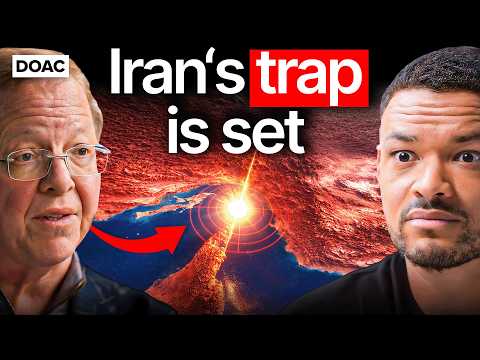
Start here for the latest read on the war. University of Chicago's Robert Pape, who has war-gamed Iran scenarios for two decades, walks through why bombing wrecked facilities but didn't reliably eliminate the enriched uranium, and what that means for the next escalation stage and Hormuz disruption.
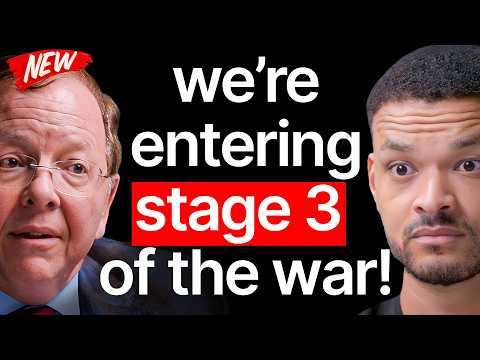
Pape's earlier conversation lays out the underlying framework — why precision strikes destroy facilities but often fail strategically, the staged escalation trap, and how horizontal escalation runs through drones, oil-price shocks, and coalition fracture.
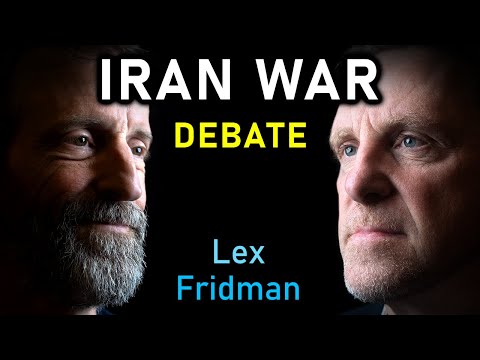
Iran War Debate: Nuclear Weapons, Trump, Peace, Power & the Middle East | Lex Fridman Podcast #473
Guests: Mark Dubowitz, Scott Horton
The pick if you want the cleanest dialectic on the page — anti-war libertarian Scott Horton and Iran-hawk policy analyst Mark Dubowitz argue Iran's nuclear history, the post-strike landscape, and the broader US doctrine, with Lex Fridman moderating.
Emergency-pod conversation with Under Secretary of Defense for Research & Engineering Emil Michael on Operation Epic Fury — objectives and timeline, boots-on-the-ground risk, drone autonomy, and how Hormuz disruption flows into oil and inflation.
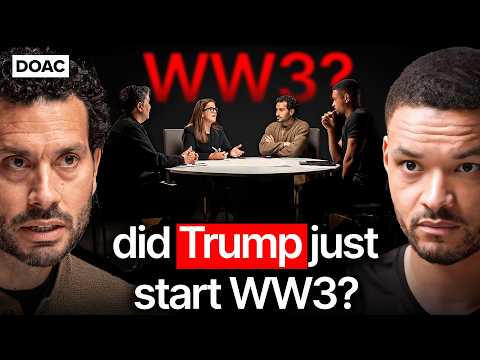
WW3 Threat Assessment: "Trump Bombing Iran Just Increased Nuclear War Threat" The Terrifying Reality
Guests: Benjamin Radd, Annie Jacobsen, Andrew Bustamante
A panel debate on the real rationale for striking Iran now — weighing stated nuclear concerns against domestic politics and opportunistic post-Oct 7 timing, framed through Title 10 vs. Title 50 authorities and ODNI threat assessments versus political narratives.
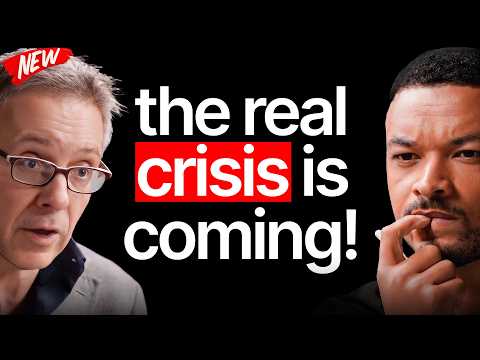
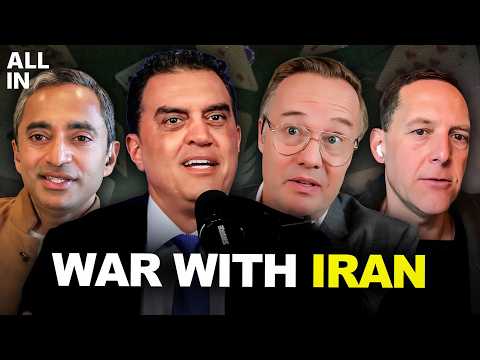
Eurasia Group's Ian Bremmer puts Iran inside a bigger G-Zero picture — Hormuz leverage, China's critical-minerals position, and why he argues the US has become the world's largest source of geopolitical uncertainty.
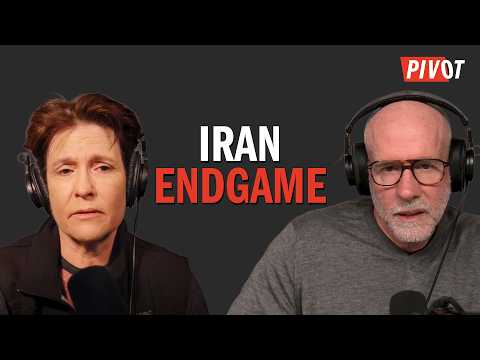
If you're following Iran from a domestic-politics angle, Kara Swisher and Scott Galloway dissect Trump's evolving war plan, strikes without congressional approval, shifting justifications, and the missing off-ramp.
How we picked these
We searched every transcript in our catalog of 6,000+ podcast episodes for substantive discussion of the Iran war, then ranked by relevance — not popularity, recency, or paid placement. Summaries and topic tags are AI-generated from the full transcripts.
Get more from every podcast
AI summaries, key takeaways, and searchable transcripts. Free forever.
Add to Chrome