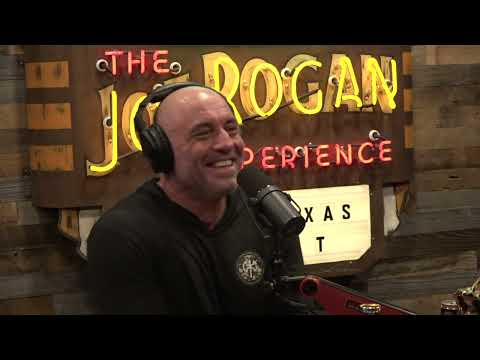
Joe Rogan Experience #1871 - Jon Peters
Jon Peters (guest), Joe Rogan (host), Narrator
In this episode of The Joe Rogan Experience, featuring Jon Peters and Joe Rogan, Joe Rogan Experience #1871 - Jon Peters explores legendary producer Jon Peters on movies, fights, trauma, and redemption Jon Peters, famed Hollywood producer and former hairdresser, sits down with Joe Rogan for his first in-depth interview in decades, weaving wild, often shocking life stories with reflections on filmmaking, fighting, and personal healing. He recounts producing classic films like A Star Is Born, Batman, Caddyshack, Vision Quest, and American Werewolf in London, and his near-mythic encounters with Elvis, Michael Jackson, Jack Nicholson, Mike Tyson, and UFC pioneers. A lifelong fight fan, Peters details his deep involvement with early Gracie jiu-jitsu, Vitor Belfort, Chuck Norris, and his aborted attempt to produce a UFC project, while comparing the brutality and artistry of fighting to making movies. Underneath the bravado, he speaks candidly about childhood abuse, juvie, being shot, addiction, near “accidental suicides,” therapy, spirituality, and how love and helping others have become his driving purpose late in life.
Legendary producer Jon Peters on movies, fights, trauma, and redemption
Jon Peters, famed Hollywood producer and former hairdresser, sits down with Joe Rogan for his first in-depth interview in decades, weaving wild, often shocking life stories with reflections on filmmaking, fighting, and personal healing. He recounts producing classic films like A Star Is Born, Batman, Caddyshack, Vision Quest, and American Werewolf in London, and his near-mythic encounters with Elvis, Michael Jackson, Jack Nicholson, Mike Tyson, and UFC pioneers. A lifelong fight fan, Peters details his deep involvement with early Gracie jiu-jitsu, Vitor Belfort, Chuck Norris, and his aborted attempt to produce a UFC project, while comparing the brutality and artistry of fighting to making movies. Underneath the bravado, he speaks candidly about childhood abuse, juvie, being shot, addiction, near “accidental suicides,” therapy, spirituality, and how love and helping others have become his driving purpose late in life.
Key Takeaways
Obsessive focus fuels exceptional careers—whether in fighting or filmmaking.
Peters repeatedly links elite fighters’ mindsets to his own approach to movies: a willingness to be consumed by the work, see the finished vision in his head, and endure immense difficulty to make it real.
Relationships can make or break long-term success in high-pressure creative fields.
He emphasizes that producing films is largely about managing intense personalities over 16‑hour days, and admits nearly losing a 15‑year partnership with Peter Guber by letting an emotional entanglement with Guber’s wife get too close.
Unprocessed childhood trauma silently shapes adult risk-taking and aggression.
Peters describes witnessing domestic abuse, beating his stepfather with a two‑by‑four, gang fights, juvie, and being shot—then later realizing in therapy that his numbness, constant fighting, womanizing, and anxiety were trauma responses.
Physical training and combat sports can be powerful psychological regulators.
He and Rogan discuss how jiu-jitsu, boxing, and MMA training force presence, burn off anxiety, and help people like Mark Zuckerberg and Peters himself manage overthinking and stress in high-stakes lives.
Creative decisions often hinge on instinctive reading of people rather than formulas.
Peters says he cast Michael Keaton as Batman based on the “killer” look in his eyes, not his physique, and chooses actors when their energy “speaks” to him—much like spotting future great fighters early in their careers.
Success without inner work and meaning can lead to self-destruction.
Despite enormous wealth and status, Peters details hospitalizations from “accidental suicides,” heavy self‑medication, and profound unhappiness, only finding stability after deep therapy, spiritual study, and a loving partner who pushed him inward.
Later life impact can come from giving back rather than chasing more wins.
He talks about using his money, experience, and network to help others—through projects like an Africa anti‑poaching love story, a potential Gracie/UFC origin film, and supporting people around him in therapy and personal growth.
Notable Quotes
“My life became my story. My stories became my life.”
— Jon Peters
“Any movie that you make is a gift from God—they’re so hard.”
— Jon Peters
“Life is a fucking musical. You’re either in it or you’re out of it.”
— Jon Peters
“If you’re alive, you can get better. Everybody can.”
— Joe Rogan
“Of all the people in the whole world, you’re the only one that I wanted to talk to, ’cause you’re the only one who would get what I am.”
— Jon Peters
Questions Answered in This Episode
How did early exposure to extreme violence and juvie shape Jon Peters’ appetite for risk, conflict, and control in Hollywood?
Jon Peters, famed Hollywood producer and former hairdresser, sits down with Joe Rogan for his first in-depth interview in decades, weaving wild, often shocking life stories with reflections on filmmaking, fighting, and personal healing. ...
What would a Gracie-centered film about the origins of the UFC look like in Jon Peters’ hands, and why has no one made it yet?
How does Peters’ instinct-based casting philosophy compare to today’s data-driven, franchise-focused studio system?
In what ways do fighters’ short competitive primes parallel creative “peaks” in film, and how can artists or athletes extend their effectiveness without burning out?
What role should psychedelics and structured therapy play in helping high-achieving but traumatized people like Peters resolve their past without destabilizing their lives?
EVERY SPOKEN WORD
Install uListen for AI-powered chat & search across the full episode — Get Full Transcript
Get more out of YouTube videos.
High quality summaries for YouTube videos. Accurate transcripts to search & find moments. Powered by ChatGPT & Claude AI.
Add to Chrome