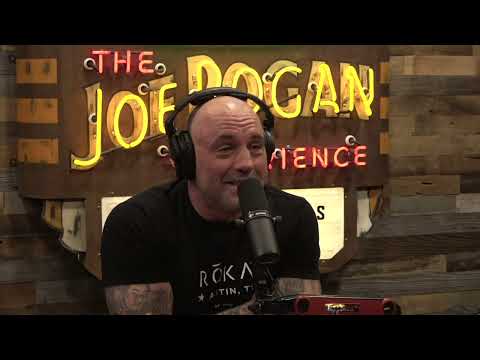
Joe Rogan Experience #1845 - Zachary Levi
Narrator, Zachary Levi (guest), Joe Rogan (host), Guest (guest), Guest (guest), Guest (guest), Guest (guest)
In this episode of The Joe Rogan Experience, featuring Narrator and Zachary Levi, Joe Rogan Experience #1845 - Zachary Levi explores zachary Levi on self-love, psychedelics, greed, and healing culture Joe Rogan and Zachary Levi range from light banter about Austin, fashion, and dogs into a long, candid exploration of capitalism, greed, mental health, and spirituality. They criticize runaway corporate profit-seeking, the pharmaceutical and energy industries, and the broken incentives in politics and media. Levi opens up about severe depression, suicidal ideation, and the intensive therapy that helped him reframe his life, self-worth, and career—experiences that led to his book "Radical Love." Throughout, they discuss psychedelics, prayer, meditation, love as a transformative force, and the need for more empathy in a hyper-judgmental, divided culture.
Zachary Levi on self-love, psychedelics, greed, and healing culture
Joe Rogan and Zachary Levi range from light banter about Austin, fashion, and dogs into a long, candid exploration of capitalism, greed, mental health, and spirituality. They criticize runaway corporate profit-seeking, the pharmaceutical and energy industries, and the broken incentives in politics and media. Levi opens up about severe depression, suicidal ideation, and the intensive therapy that helped him reframe his life, self-worth, and career—experiences that led to his book "Radical Love." Throughout, they discuss psychedelics, prayer, meditation, love as a transformative force, and the need for more empathy in a hyper-judgmental, divided culture.
Key Takeaways
Runaway profit-seeking often trumps human and planetary well-being.
They argue that many industries—fossil fuels, pharmaceuticals, finance—accept environmental damage and human harm as acceptable tradeoffs for quarterly gains and shareholder satisfaction, when these companies could remain profitable without “killing everything.”
Status culture and social media incentivize empty performative living.
Rogan and Levi mock the obsession with Lamborghinis, luxury brands, and curated images; they note how young people chase likes and appearances instead of real fulfillment, and how even owners posing with their cars aren’t really living, just posing.
Extraordinary comedic or creative talent often exists outside entertainment.
They discuss how some of the funniest people Rogan knows—like an old PI boss—never pursued stand-up, and how an audience member he invited onstage became a “real-life Mrs. ...
Public trials and scandal content erode empathy and turn trauma into entertainment.
Using the Depp–Heard trial as an example, Levi warns that mass reaction videos and courtroom streaming train us to consume others’ pain as content, making it harder to see both sides as flawed, traumatized humans rather than caricatures to judge.
Self-hatred and inherited psychological abuse can quietly drive success and self-destruction.
Levi explains that abusive parental voices often become our inner monologue; despite career success, he felt like a failure, self-medicated with alcohol, drugs, and sex, and approached suicide before intensive therapy helped him recognize and change his “garbage” self-talk.
Therapy, prayer, and psychedelic-style introspection can rewire destructive mental grooves.
They discuss neuroplasticity and how repeating trauma-based thoughts deepens mental “ruts,” while modalities like CBT/DBT, meditation, prayer, psilocybin, float tanks, and even cold plunges can interrupt patterns, quiet ego, and help people reframe their stories.
Love—starting with self-love—is framed as a practical, not sentimental, solution.
Levi argues that we can’t “hate our way” to a better society; genuine self-love enables people to invest in themselves, set boundaries, reduce fear-driven reactions, and see even difficult others as wounded rather than purely evil, which he sees as the only path away from escalating division.
Notable Quotes
“We can only love our way to a better future. We can’t hate our way there.”
— Zachary Levi
“If you don’t value yourself, you’re not going to invest in yourself.”
— Zachary Levi
“You’re not the voice of your mind; you’re the one who hears it.”
— Zachary Levi (citing *The Untethered Soul*)
“If you could measure love like vitamin D, most people would show a massive deficiency.”
— Joe Rogan (paraphrased concept in their discussion)
“Everybody wants more. Nobody wants to say, ‘We make a hundred million a year, we’re good.’”
— Joe Rogan
Questions Answered in This Episode
How do you distinguish between healthy ambition and the kind of greed that harms people and the planet?
Joe Rogan and Zachary Levi range from light banter about Austin, fashion, and dogs into a long, candid exploration of capitalism, greed, mental health, and spirituality. ...
In practical terms, what does it look like to start developing genuine self-love if your inner voice has been abusive for decades?
Where is the line between necessary public accountability and exploitative “trauma entertainment” in high-profile trials and scandals?
How should societies responsibly integrate psychedelics like psilocybin or ibogaine for healing trauma while protecting those for whom they may be unsafe?
If love and empathy are the only real way out of our cultural polarization, what structural changes—beyond individual kindness—are needed to reinforce that shift?
EVERY SPOKEN WORD
Install uListen for AI-powered chat & search across the full episode — Get Full Transcript
Get more out of YouTube videos.
High quality summaries for YouTube videos. Accurate transcripts to search & find moments. Powered by ChatGPT & Claude AI.
Add to Chrome