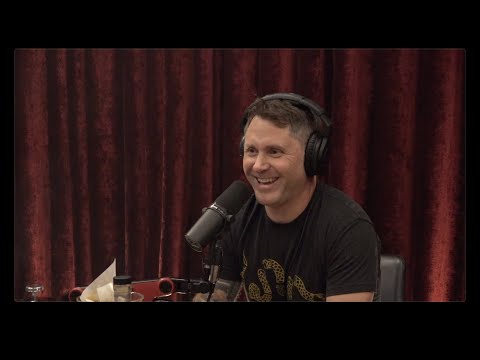
Joe Rogan Experience #2230 - Evan Hafer
Narrator, Narrator, Joe Rogan (host), Evan Hafer (guest), Narrator, Narrator, Narrator, Narrator, Narrator, Narrator, Narrator
In this episode of The Joe Rogan Experience, featuring Narrator and Narrator, Joe Rogan Experience #2230 - Evan Hafer explores combat, corruption, cartels, and psychedelics: a veteran’s unfiltered reckoning Joe Rogan and Evan Hafer (Green Beret, CIA contractor, Black Rifle Coffee founder) unpack his war experiences in Iraq and Afghanistan, focusing on cultural shock, child exploitation, and the psychological toll of prolonged combat. Hafer details systemic failures, from CIA and State Department blindness to practices like Bacha Bazi, to the disastrous strategic decisions behind Iraq and the broader “forever wars.”
Combat, corruption, cartels, and psychedelics: a veteran’s unfiltered reckoning
Joe Rogan and Evan Hafer (Green Beret, CIA contractor, Black Rifle Coffee founder) unpack his war experiences in Iraq and Afghanistan, focusing on cultural shock, child exploitation, and the psychological toll of prolonged combat. Hafer details systemic failures, from CIA and State Department blindness to practices like Bacha Bazi, to the disastrous strategic decisions behind Iraq and the broader “forever wars.”
They connect this to today’s veteran suicide crisis, arguing that the VA and pharmaceutical model have failed warfighters while psychedelic therapies like ibogaine and ayahuasca show dramatically better outcomes but remain illegal in the U.S. for political reasons. The conversation then broadens into deep skepticism of politicians, media, the military‑industrial complex, and the censorship regime of Big Tech.
Rogan and Hafer also talk about U.S. border and cartel policy (including the idea of using Tier 1 units against cartels), drug legalization, China’s influence via fentanyl precursors and infrastructure, and the 2024 election as a populist rejection of establishment narratives. The episode closes on lighter ground with bowhunting gear, wild game, and why hunting reconnects people to food, risk, and meaning.
Key Takeaways
Prolonged combat radically reshapes a person’s emotional bandwidth and worldview.
Hafer describes how repeated ambushes and life‑or‑death operations compress your emotional range: you must suppress fear and elation to function, which later manifests as numbness, depression, and difficulty accessing love and connection at home.
Western institutions systematically minimized or ignored deeply abusive cultural practices in Afghanistan.
He recounts widespread child sexual exploitation (Bacha Bazi) and open male harems, saying everyone on the ground knew it was pervasive while leadership in State, CIA, and the military either denied or downplayed it, eroding frontline trust in policymakers.
The Iraq War was driven more by hubris and ideology than sound intelligence or wisdom.
Hafer argues Wolfowitz, Rumsfeld, Cheney, and others cherry‑picked intel, underestimated occupation complexity, and dismissed internal warnings—while decisions like de‑Ba’athification ‘paint‑by‑numbers’ created the insurgency, costing thousands of lives with no accountability.
The current veteran suicide crisis is worsened by a failed VA/pharma model and blocked access to effective psychedelics.
Hafer cites organizations like VETS and cases where ibogaine or ayahuasca let warfighters drop 10–15 prescriptions after a single treatment, yet these therapies remain illegal domestically, forcing vets to ‘break the law’ or leave the country to heal.
Censorship and narrative control by legacy media, government, and platforms undermine public trust.
They discuss how discussions on Islam, COVID policy, or gun content are labeled ‘hate speech’ or suppressed, and how coordinated media talking points reveal an alignment with corporate and political interests rather than open inquiry.
The U.S. security and drug crises are structurally linked to cartels, China, and prohibition-era thinking.
They outline how Chinese precursors fuel Mexican fentanyl and meth, how cartels exploit weak enforcement (e. ...
Hunting your own meat restores an ancient, psychologically healthy relationship to risk and food.
Rogan and Hafer contrast factory farming and ‘supermarket hitmen’ with the meaning, adrenaline, and deep satisfaction of killing, butchering, and eating an animal you hunted, arguing it activates ancestral reward circuits and reduces the hypocrisy of eating meat while opposing hunting.
Notable Quotes
““If you don’t have a solution to the problem, just shut the fuck up.””
— Evan Hafer (quoting his team leader in Iraq)
““Psychology is more contagious than the flu.””
— Evan Hafer (quoting his team sergeant Jeff Kirkham)
““They have squandered the courage of the American servicemen in these forever wars that we’ve entered under lies.””
— Evan Hafer
““You can send me to Iraq under false pretenses… but I have to break the law to go fix what’s wrong with my head.””
— Evan Hafer
““If you’re a meat eater and anti-hunting, you’re hiring a supermarket hitman.””
— Joe Rogan
Questions Answered in This Episode
Given Hafer’s perspective, what specific structural reforms would be needed to prevent future ‘Iraq-style’ policy failures and hold decision‑makers accountable?
Joe Rogan and Evan Hafer (Green Beret, CIA contractor, Black Rifle Coffee founder) unpack his war experiences in Iraq and Afghanistan, focusing on cultural shock, child exploitation, and the psychological toll of prolonged combat. ...
How could psychedelic therapies for veterans be safely integrated into U.S. medicine without creating new forms of abuse or over‑commercialization?
They connect this to today’s veteran suicide crisis, arguing that the VA and pharmaceutical model have failed warfighters while psychedelic therapies like ibogaine and ayahuasca show dramatically better outcomes but remain illegal in the U. ...
Is it realistic—or desirable—to deploy U.S. Special Operations forces against Mexican cartels, and what unintended consequences might that create in Mexico and at home?
Rogan and Hafer also talk about U. ...
What kind of legal drug framework (for cocaine, opioids, psychedelics, etc.) would balance personal freedom, public health, and the dismantling of cartel power?
If more people personally hunted or at least witnessed the killing of their food, how might that change public attitudes toward meat, factory farming, and animal welfare?
EVERY SPOKEN WORD
Install uListen for AI-powered chat & search across the full episode — Get Full Transcript
Get more out of YouTube videos.
High quality summaries for YouTube videos. Accurate transcripts to search & find moments. Powered by ChatGPT & Claude AI.
Add to Chrome