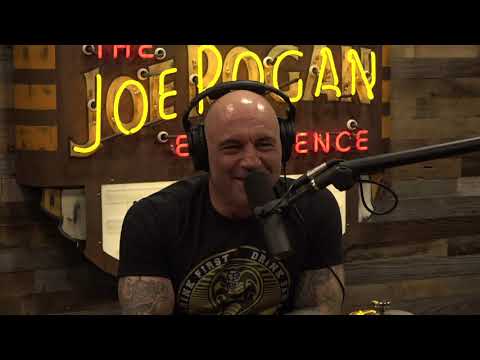
Joe Rogan Experience #1662 - Tom Papa
Narrator, Joe Rogan (host), Tom Papa (guest), Narrator, Narrator
In this episode of The Joe Rogan Experience, featuring Narrator and Joe Rogan, Joe Rogan Experience #1662 - Tom Papa explores joe Rogan and Tom Papa Tackle Politics, Pandemics, Bread, and Life Joe Rogan and Tom Papa have a long-form, freewheeling conversation that moves from U.S. politics and media bias to COVID, Fauci, and gain‑of‑function research, then into health, diet, and the psychology of fear. They discuss how partisan news and social media shape public perception of Trump, Biden, and the pandemic, and how institutional trust has eroded.
Joe Rogan and Tom Papa Tackle Politics, Pandemics, Bread, and Life
Joe Rogan and Tom Papa have a long-form, freewheeling conversation that moves from U.S. politics and media bias to COVID, Fauci, and gain‑of‑function research, then into health, diet, and the psychology of fear. They discuss how partisan news and social media shape public perception of Trump, Biden, and the pandemic, and how institutional trust has eroded.
A substantial middle section is devoted to health: masks, variants, immune systems, obesity, sugar, dairy, and why most people ignore foundational fitness in favor of quick fixes. Papa’s obsession with baking sourdough bread, making pasta, and canning tomatoes becomes a lens on craftsmanship, pleasure, and food quality versus ultra‑processed products.
They explore the social fallout of COVID—lockdowns, comedy shutdowns and reopenings, Zoom shows, Canadian restrictions, and how different U.S. states handled the crisis—before pivoting to travel, space tourism, cars, and the future of stand‑up in cities like New York, LA, and Austin.
Throughout, they return to themes of personal responsibility, skepticism toward institutions, and the value of community, craftsmanship, and live performance as antidotes to anxiety and isolation.
Key Takeaways
Political and media tribalism distorts reality and erodes trust.
Rogan and Papa argue that most major outlets operate as team-based, partisan entities rather than neutral news sources, which leads people to minimize problems with 'their' side (e. ...
The COVID conversation is deeply muddled by shifting narratives and incentives.
They walk through Fauci’s early mask statements, later reversals, and leaked emails about masks and gain‑of‑function research, suggesting that changing stories—whether for supply reasons, liability, or politics—have left the public confused and skeptical.
Metabolic health and obesity are central but underemphasized in pandemic risk.
Rogan cites data that roughly 78% of COVID hospitalizations involved obese patients and argues that government and media missed a major opportunity to push exercise, vitamin D, weight loss, and nutrition as primary defenses alongside vaccines and masks.
Ultra‑processed foods and hidden sugars significantly affect energy, mood, and weight.
Papa describes cutting out dairy and processed bread and seeing allergies vanish, and both note how products like 'healthy' bread, nut milks, juices, and coffee drinks hide large sugar loads that drive crashes, weight gain, and chronic illness.
Craftsmanship in food transforms both health and experience.
Papa’s three‑day bread process, canning tomatoes, and stories of elite restaurants like Felix and Joe Beef illustrate how simple ingredients plus time, skill, and care can make food more digestible, satisfying, and meaningful than mass-produced equivalents.
Comedians adapted creatively to COVID but faced moral policing from peers and publics.
They recount drive‑ins, rooftops, backyards, warehouses, and reduced‑capacity clubs—and the online shaming of comics for touring 'too early'—arguing that if local rules permit and audiences choose to attend, performing is legitimate work, not reckless.
Environment and lifestyle strongly shape stress, happiness, and creativity.
Rogan contrasts Austin’s friendliness, cleaner air, and looser rules with LA’s density, regulation, traffic, and tension; Papa describes how a structured daily routine (meditation, radio, workouts, writing) kept him sane and productive during lockdown.
Notable Quotes
“It's all team-based. There’s nobody that just takes the center and just deals with news.”
— Joe Rogan
“The big opportunity that was missed during this whole pandemic was a concerted government effort to educate people on how to strengthen your immune system.”
— Joe Rogan
“You can tell when you walk into a place that there’s an owner involved who really cares.”
— Tom Papa
“I don’t think Fauci is talking about masks to harm people. I feel like they have limited information and are trying to muddle their way through the best they can.”
— Tom Papa
“I was so proud to be a comedian during all of this—just watching everybody doing whatever they could. They just wanted to work. They just wanted to relate.”
— Tom Papa
Questions Answered in This Episode
How should ordinary people evaluate conflicting information from experts, media outlets, and leaked documents during a crisis like COVID?
Joe Rogan and Tom Papa have a long-form, freewheeling conversation that moves from U. ...
What would a serious, nationwide strategy to improve metabolic health and immunity actually look like in practice?
A substantial middle section is devoted to health: masks, variants, immune systems, obesity, sugar, dairy, and why most people ignore foundational fitness in favor of quick fixes. ...
Where should the ethical line be drawn for comedians choosing to perform during pandemics or emergencies, and who gets to decide?
They explore the social fallout of COVID—lockdowns, comedy shutdowns and reopenings, Zoom shows, Canadian restrictions, and how different U. ...
How much responsibility do platforms like Facebook and Twitter have when they deplatform political figures or censor particular narratives?
Throughout, they return to themes of personal responsibility, skepticism toward institutions, and the value of community, craftsmanship, and live performance as antidotes to anxiety and isolation.
In a world of processed food and digital convenience, how realistic is it for most people to embrace craft-based cooking and routines like the ones Tom Papa describes?
EVERY SPOKEN WORD
Install uListen for AI-powered chat & search across the full episode — Get Full Transcript
Get more out of YouTube videos.
High quality summaries for YouTube videos. Accurate transcripts to search & find moments. Powered by ChatGPT & Claude AI.
Add to Chrome