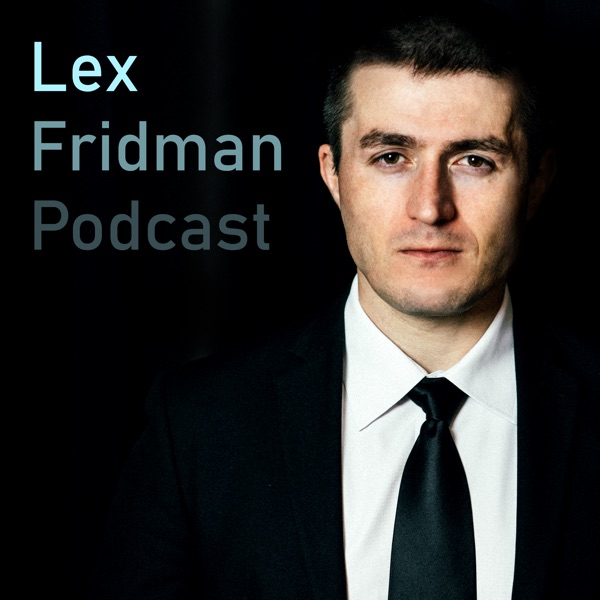
 Lex Fridman Podcast
Georges St-Pierre: The Science of Fighting | Lex Fridman Podcast #179
Lex Fridman and Georges St-Pierre on georges St-Pierre Reveals Fear, Strategy, and Sacrifice Behind Greatness.
In this episode of Lex Fridman Podcast, featuring Lex Fridman and Georges St-Pierre, Georges St-Pierre: The Science of Fighting | Lex Fridman Podcast #179 explores georges St-Pierre Reveals Fear, Strategy, and Sacrifice Behind Greatness Lex Fridman and Georges St-Pierre explore the psychology, science, and philosophy behind GSP’s legendary MMA career and his identity as a lifelong martial artist rather than just a fighter.
Georges St-Pierre Reveals Fear, Strategy, and Sacrifice Behind Greatness
Lex Fridman and Georges St-Pierre explore the psychology, science, and philosophy behind GSP’s legendary MMA career and his identity as a lifelong martial artist rather than just a fighter.
Georges explains how fear, anxiety, and the pursuit of freedom and satisfaction drove him, detailing his mental strategies, tactical fight planning, and why he walked away on top.
They dive into fasting, health, training smarter vs. harder, the difference between sport and street self-defense, and how to build confidence and character from being bullied and insecure.
The conversation widens into legacy, GOAT debates, free will, AI, UFOs, acting, and what it means to continually reinvent yourself while staying grounded and human.
Key Takeaways
Fear and confidence can coexist, and fear can be weaponized.
GSP is deeply afraid before every fight but uses routines like positive self-talk, body language, and warm-ups (James-Lange style) to transform anxiety into focused confidence and to project strength for himself and his team.
Train smarter, not just harder; recovery and playfulness are crucial.
He believes most top athletes overtrain, arguing that consolidation happens in recovery and that playful, non-ego-driven training speeds learning, reduces damage, and prolongs careers.
Fasting and targeted nutrition can radically improve health and performance.
After ulcerative colitis from forced weight gain, GSP adopted intermittent fasting and periodic 3-day water fasts, saw improved body composition and inflammation markers, and eliminated symptoms—while keeping muscle and performance.
Winning in MMA is about strategy, adaptability, and exploiting odds—not just toughness.
He always built plan A/B/C, studied opponents’ reaction/reset times, and sought to become their “perfect nemesis,” shifting tactics mid-fight (e. ...
Being a martial artist means lifelong growth, not chasing endless fights.
GSP trains for self-improvement and the ‘science of fighting,’ not just scheduled bouts; he urges fighters who don’t truly love fighting and have enough money to walk away early to protect health, legacy, and future options.
True preparation includes a Plan B in life, not just in fights.
He warns young athletes not to put all eggs in one basket; very few can retire on sports alone, so education and alternate paths reduce desperation, improve decision-making, and paradoxically can enhance performance.
Confidence can be built by changing behavior first, then internal state.
As a bullied, insecure kid, GSP deliberately changed his posture, eye contact, and willingness to speak up, ‘faking’ confidence until he grew into someone he could respect and love, illustrating inside-out personal transformation.
Notable Quotes
“I don't like to fight at all. I love the science of fighting.”
— Georges St-Pierre
“Being afraid and being confident is two different things.”
— Georges St-Pierre
“If you don't love to fight and you don't need the money, get out of here, man.”
— Georges St-Pierre
“It's not the best fighter that wins; it's the fighter who fights the best that night.”
— Georges St-Pierre
“If you don’t like who you are, become someone you can love.”
— Georges St-Pierre
Questions Answered in This Episode
How would GSP’s fasting and “train smarter” philosophy have changed his prime years if he had discovered it earlier?
Lex Fridman and Georges St-Pierre explore the psychology, science, and philosophy behind GSP’s legendary MMA career and his identity as a lifelong martial artist rather than just a fighter.
Where is the ethical line between intelligent risk management in fights and ‘playing it safe’ to protect legacy and health?
Georges explains how fear, anxiety, and the pursuit of freedom and satisfaction drove him, detailing his mental strategies, tactical fight planning, and why he walked away on top.
Can the psychological tools GSP uses before fights (self-talk, posture, rituals) be systematically applied to non-sport performance under pressure?
They dive into fasting, health, training smarter vs. ...
How should young athletes balance obsessive pursuit of greatness with building a realistic Plan B in life?
The conversation widens into legacy, GOAT debates, free will, AI, UFOs, acting, and what it means to continually reinvent yourself while staying grounded and human.
In what ways might GSP’s analytical approach to combat—frames, reaction time, mental games—inform how we design and train future AI or robotic systems for complex decision-making?
EVERY SPOKEN WORD
Install uListen for AI-powered chat & search across the full episode — Get Full Transcript
Get more out of YouTube videos.
High quality summaries for YouTube videos. Accurate transcripts to search & find moments. Powered by ChatGPT & Claude AI.
Add to Chrome