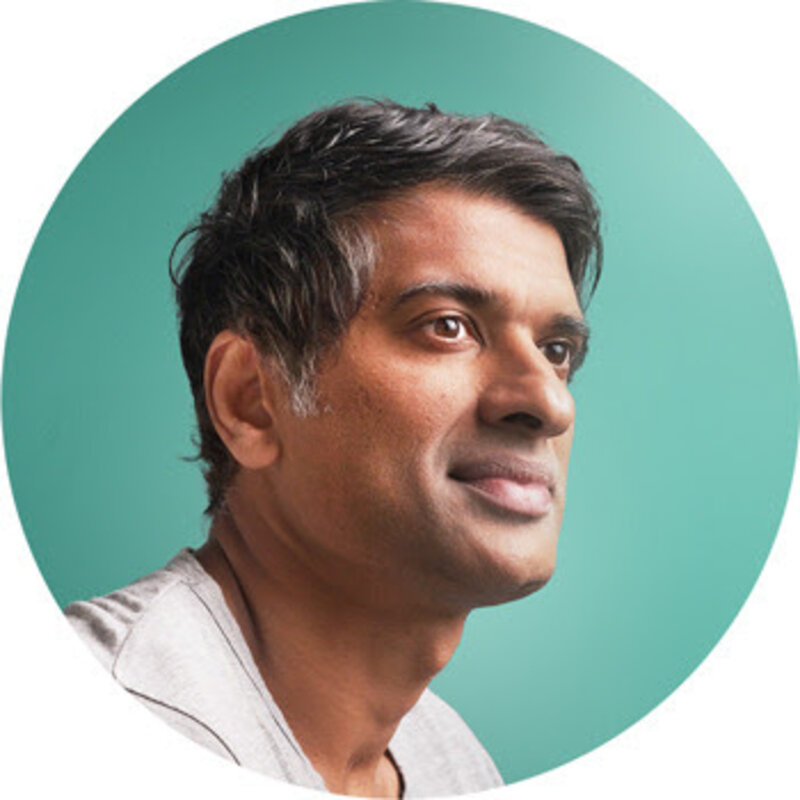
 Dr Rangan Chatterjee
The Question I’d Ask My Dying Father — It Will Make You Rethink Your Life
Dr. Rangan Chatterjee on a son’s grief reframes success, caregiving, and lasting life change.
In this episode of Dr Rangan Chatterjee, featuring Dr. Rangan Chatterjee, The Question I’d Ask My Dying Father — It Will Make You Rethink Your Life explores a son’s grief reframes success, caregiving, and lasting life change Chatterjee recounts his immigrant father’s relentless work ethic, severe illness, and death, which forced him to confront whether he was living his own life or someone else’s definition of success.
At a glance
WHAT IT’S REALLY ABOUT
A son’s grief reframes success, caregiving, and lasting life change
- Chatterjee recounts his immigrant father’s relentless work ethic, severe illness, and death, which forced him to confront whether he was living his own life or someone else’s definition of success.
- He reframes the core question from judging his father’s choices to asking, “Was it worth it?”, recognizing that sacrifice can be meaningful even when it carries health costs.
- He describes how caregiving became his identity and a self-made “myth” of total responsibility, which harmed his wellbeing and family life without actually improving outcomes.
- He argues that self-care isn’t selfish: even five minutes a day and a daily practice of solitude help caregivers detect stress signals early and respond before burnout escalates.
- He emphasizes that lasting change is accessible to anyone—including those in very dark places—because consistent five-minute actions build self-esteem, agency, and momentum.
IDEAS WORTH REMEMBERING
5 ideasReplace judgment with a better question: “Was it worth it?”
Chatterjee shifts from criticizing his father’s workaholism to exploring meaning and trade-offs, acknowledging that sacrifice can be experienced as purposeful by the person making it.
Caregiving becomes destructive when it turns into identity.
He explains that believing a loved one’s wellbeing is a reflection of your worth creates “inner torture,” strains relationships, and fuels chronic stress—often based on a story you invented, not reality.
Self-care improves care; it doesn’t compete with it.
A small daily action (even five minutes) restores energy and patience, making you more effective and kinder as a caregiver while protecting your health and other roles (partner/parent).
Solitude is a practical tool for burnout prevention.
Sitting quietly without stimulation helps you notice bodily stress signals (tightness, tension) early, then adjust workload, boundaries, or conversations before the situation escalates.
Your body may hold the emotional bill for your beliefs.
His back pain resolving at his father’s funeral illustrates how subconscious pressure and responsibility can manifest physically—and how releasing the belief can change symptoms.
WORDS WORTH SAVING
5 quotes“If my dad was still alive today, the one question I would have for him… ‘Dad, was it worth it?’”
— Dr. Rangan Chatterjee
“I see my dad’s death as a gift.”
— Dr. Rangan Chatterjee
“My belief that his wellbeing was entirely my responsibility wasn’t helpful.”
— Dr. Rangan Chatterjee
“That’s a story I created inside my own head. Wasn’t real.”
— Dr. Rangan Chatterjee
“Anyone can change their lives… and it started with a five-minute action.”
— Dr. Rangan Chatterjee
QUESTIONS ANSWERED IN THIS EPISODE
5 questionsWhen you ask “Was it worth it?”, what criteria should someone use to evaluate a life choice without rationalizing harm (e.g., chronic stress, missed family time)?
Chatterjee recounts his immigrant father’s relentless work ethic, severe illness, and death, which forced him to confront whether he was living his own life or someone else’s definition of success.
How can caregivers distinguish between healthy responsibility and the “myth” of total responsibility in day-to-day decisions?
He reframes the core question from judging his father’s choices to asking, “Was it worth it?”, recognizing that sacrifice can be meaningful even when it carries health costs.
What are concrete examples of “five-minute actions” you recommend specifically for overwhelmed caregivers versus someone struggling with depression?
He describes how caregiving became his identity and a self-made “myth” of total responsibility, which harmed his wellbeing and family life without actually improving outcomes.
You link long-term stress and sleep deprivation to illness in your father’s story—how confident are you about that causal relationship, and how should listeners think about it responsibly?
He argues that self-care isn’t selfish: even five minutes a day and a daily practice of solitude help caregivers detect stress signals early and respond before burnout escalates.
What does a “daily practice of solitude” look like for someone with zero privacy (e.g., single parent, hospital shift worker), and how can they implement it realistically?
He emphasizes that lasting change is accessible to anyone—including those in very dark places—because consistent five-minute actions build self-esteem, agency, and momentum.
Chapter Breakdown
A father’s immigrant mission and the hidden cost of “success”
Rangan describes his father’s journey from India to the UK and the classic immigrant drive to provide. He contrasts outward achievement with the extreme personal toll his father paid over decades.
Illness, dialysis, and confronting death up close
He recounts his father’s sudden lupus diagnosis and long decline, including years on dialysis. His father’s death becomes Rangan’s first deeply personal confrontation with mortality.
The one question he’d ask: “Dad, was it worth it?”
Rangan shares the question he wishes he could ask his father and explores two competing interpretations: the health damage from chronic stress versus the meaning of sacrifice for family impact.
Reframing grief: from “poor me” to “a gift”
He explains how his relationship to grief evolved over time. By changing the story he tells himself, he now views his father’s death as a catalyst for his deepest life lessons.
Caregiving reflections: the myth that everything was his responsibility
Prompted by a passage from his book, Rangan describes how caregiving became a harmful personal myth. He acknowledges the collateral damage to his body, mind, and marriage from trying to meet every need alone.
A day in the life of burnout: relentless caregiving and family strain
He vividly outlines his daily routine during the final months/years: early mornings at his parents’ home, full clinical days, constant check-ins, and arriving home depleted. He uses this to show how unseen “costs” accumulate.
How he cares differently now: separating identity from responsibility
Rangan contrasts his earlier approach with his current caregiving for his mother. The critical shift is no longer tying his identity and self-worth to whether the loved one is doing well.
The body keeps score: back pain, emotional load, and release
He tells a striking story of chronic back tightness disappearing during his father’s cremation. The moment crystallized how emotional pressure and responsibility can manifest physically.
Two practical shifts for overwhelmed caregivers: self-care and solitude
Asked for one actionable change, Rangan offers two: a daily five-minute act of self-care and a daily practice of solitude. Both help restore capacity and reveal early warning signals before burnout escalates.
The “five-minute action” principle: how lasting change really starts
Rangan shares his most powerful lesson from decades of practice: anyone can change. He emphasizes that consistent, tiny actions build self-esteem and belief, even for people in very dark places.
Closing challenge: is this the life you want—and if not, why wait?
He ends with a direct reflection prompt about whether your current life aligns with what you want. The message is urgent but hopeful: improvement is closer than you think, but it requires deciding to act now.
EVERY SPOKEN WORD
Install uListen for AI-powered chat & search across the full episode — Get Full Transcript
Get more out of YouTube videos.
High quality summaries for YouTube videos. Accurate transcripts to search & find moments. Powered by ChatGPT & Claude AI.
Add to Chrome