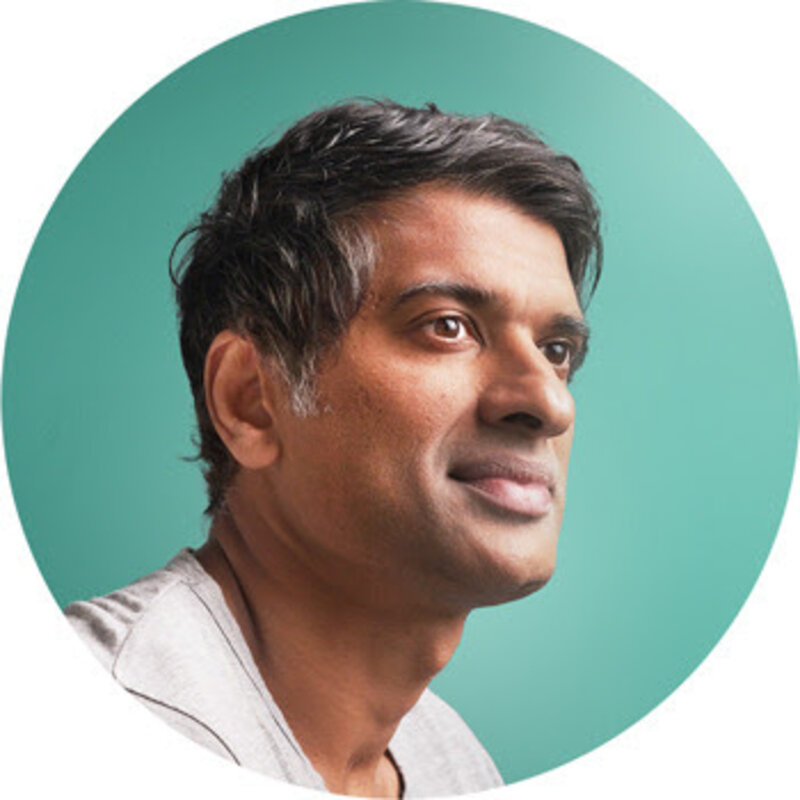
 Dr Rangan Chatterjee
Buddhist Monk Explains Why You Feel Lost & Empty Inside
Dr. Rangan Chatterjee and Gelong Thubten on compassion, meditation, and resisting outsourced happiness in modern life.
In this episode of Dr Rangan Chatterjee, featuring Dr. Rangan Chatterjee and Gelong Thubten, Buddhist Monk Explains Why You Feel Lost & Empty Inside explores compassion, meditation, and resisting outsourced happiness in modern life Compassion reframes difficult people and situations by recognizing that with the same conditioning, you might act similarly, which reduces emotional triggering while preserving boundaries.
At a glance
WHAT IT’S REALLY ABOUT
Compassion, meditation, and resisting outsourced happiness in modern life
- Compassion reframes difficult people and situations by recognizing that with the same conditioning, you might act similarly, which reduces emotional triggering while preserving boundaries.
- Thubten describes moving from burnout-driven extremes to a stable monastic life, with his long-term commitment arising from deeper resonance with Buddhism’s compassion philosophy.
- The discussion argues that many habits (alcohol, social media, constant audio stimulation) become harmful when they “outsource” relaxation and wellbeing to external crutches, eroding inner sovereignty.
- They critique pervasive advertising and media as reinforcing a sense of inadequacy—“you are not enough”—which fuels endless consumption and a chronic feeling of lack.
- Meditation is presented not as “clearing the mind” but as changing your relationship to thoughts, making practice accessible even for busy lives.
IDEAS WORTH REMEMBERING
5 ideasCompassion is a power move, not permission to be mistreated.
Seeing that you’d behave similarly with someone else’s history reduces reactivity and stress, which makes you more capable of taking clear action—speaking up, setting limits, or leaving toxic situations.
The motive behind a habit matters more than the habit itself.
Using something to connect or celebrate differs psychologically from using it to numb loneliness or frustration; the “energy” behind the action determines whether it strengthens or depletes you.
External crutches can quietly weaken your internal skills.
Relying on alcohol, constant stimulation, or even caffeine to relax or focus can train you to believe calm is sourced outside you; removing the crutch can rebuild autonomy and resilience.
Your sense of lack is often manufactured and reinforced.
Advertising and ubiquitous media messaging imply you’re incomplete without products, which can amplify self-loathing and inadequacy—especially noticeable when you finally sit still in retreat or silence.
Intentional “input control” improves mental wellbeing.
Reducing social media, negative content, or constant entertainment can quickly restore calm and contentment, revealing that many thoughts and moods are downstream of what you consume.
WORDS WORTH SAVING
5 quotesIf I was that other person, I'd be doing exactly the same as them.
— Dr. Rangan Chatterjee
What is going on inside yourself in terms of blame, upset, anger, can that be transformed through forgiveness, through compassion?
— Gelong Thubten
We do seem to outsource our wellbeing, and we lose our own power.
— Gelong Thubten
You're going through life feeling there is something missing all the time.
— Gelong Thubten
It's not about clearing the mind... it's about changing the relationship between yourself and your thoughts.
— Gelong Thubten
QUESTIONS ANSWERED IN THIS EPISODE
5 questionsHow do you practice compassion toward someone while still setting firm boundaries—what does that look like in a real conflict?
Compassion reframes difficult people and situations by recognizing that with the same conditioning, you might act similarly, which reduces emotional triggering while preserving boundaries.
You both emphasize the ‘energy’ behind behaviors; what are concrete signs that a habit is connection-driven versus avoidance-driven?
Thubten describes moving from burnout-driven extremes to a stable monastic life, with his long-term commitment arising from deeper resonance with Buddhism’s compassion philosophy.
What specific meditation techniques helped you (Thubten) transform the internal voice of self-loathing during early retreats?
The discussion argues that many habits (alcohol, social media, constant audio stimulation) become harmful when they “outsource” relaxation and wellbeing to external crutches, eroding inner sovereignty.
Is capitalism inherently incompatible with inner contentment, or can people cultivate ‘enoughness’ without disengaging from consumer culture?
They critique pervasive advertising and media as reinforcing a sense of inadequacy—“you are not enough”—which fuels endless consumption and a chronic feeling of lack.
In what ways does constant phone use mimic ‘eating sugar all day,’ and what would a balanced ‘mental nutrition’ plan look like?
Meditation is presented not as “clearing the mind” but as changing your relationship to thoughts, making practice accessible even for busy lives.
Chapter Breakdown
Compassion as a mindset: “If I were them, I’d do the same”
Rangan introduces a reframing phrase that reduces reactivity and increases compassion: if you had lived someone else’s life, you’d likely behave similarly. Thubten agrees and explains how compassion changes your inner state, making it easier to respond wisely rather than impulsively.
Boundaries without blame: compassion doesn’t mean tolerating abuse
They address a common fear: that compassion invites people to walk over you. Thubten clarifies that compassion can coexist with firm boundaries, including speaking up or leaving toxic situations, while transforming anger and blame internally.
From New York burnout to a Scottish monastery: an ‘extreme’ pivot
Rangan asks whether Thubten’s life changes reflect a tendency toward extremes—party life to monastic life. Thubten describes how the initial decision came from crisis, while the later commitment matured into something grounded and meaningful.
The retreat that changed everything: solitude, insight, and compassion
Thubten recounts a long solitary retreat where Buddhism’s compassion teachings began to “get under his skin” in a transformative way. He contrasts running away from pain with moving toward a life that could benefit both himself and others.
What people misunderstand about monastic life: ‘rules’ vs liberation
They explore the public’s fascination with what monks can’t do (celibacy, no alcohol, no smoking). Thubten explains that from the inside it feels relaxing and liberating—and it also fits his identity as a communicator with something valuable to share.
Behavior vs the energy underneath: why the ‘why’ matters
Rangan reframes habits (alcohol, social media) as not inherently “bad,” but dependent on the intention behind them. They discuss how coping motives (numbing loneliness) differ from connecting motives (shared enjoyment), producing different outcomes.
Stop outsourcing calm: intoxicants, autonomy, and inner strength
Thubten explains that relying on alcohol (or anything external) for relaxation can weaken your ability to self-regulate. Renouncing intoxicants becomes a practice of reclaiming internal agency—learning to access calm and happiness from within.
Even coffee as a ‘crutch’: subtle dependencies revealed in retreat
They discuss caffeine as a psychoactive stimulant and how retreat heightened Thubten’s sensitivity to its effects. Noticing coffee improved meditation, he chose to stop during retreat to cultivate concentration without relying on any aid.
Low-grade addictions and the ‘incompleteness’ message of modern life
Rangan shares how dependence can form even around benign technologies (e.g., needing earbuds to enjoy a walk). Thubten expands this into a critique of advertising and media that repeatedly imply you’re “not enough” without products, feeding chronic lack.
Consumerism, mental health, and sustainability: redefining ‘enough’
They connect personal craving with societal systems—arguing that constant consumption is normalized despite rising mental distress. They extend the idea to climate and sustainability: lasting change requires cultivating “sustainable happiness” from within, not endless acquisition.
Technology like nutrition: discipline, balance, and intentional consumption
Thubten clarifies he isn’t anti-technology; he advocates using it with the same care as food. They emphasize balance—recognizing some content as “sugar” and choosing deliberate limits so the mind stays healthy.
Meditation’s biggest obstacle: the myth of ‘clearing your mind’
Thubten identifies a primary reason people quit meditation: they believe they must silence thoughts, then feel like failures when they can’t. He reframes meditation as changing your relationship to thoughts—shifting the dynamic rather than eliminating thinking.
EVERY SPOKEN WORD
Install uListen for AI-powered chat & search across the full episode — Get Full Transcript
Get more out of YouTube videos.
High quality summaries for YouTube videos. Accurate transcripts to search & find moments. Powered by ChatGPT & Claude AI.
Add to Chrome