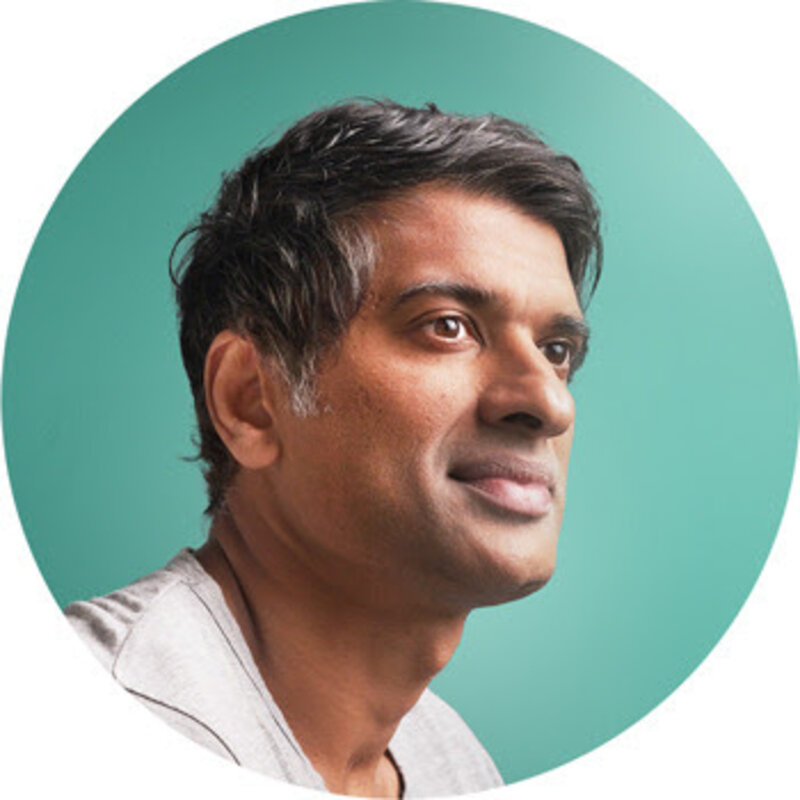
 Dr Rangan Chatterjee
World’s Fastest Runner: "Why You Feel Empty Inside!" - Let Go Of Perfection & Find Happiness
Dr. Rangan Chatterjee and Eliud Kipchoge on eliud Kipchoge on values-driven success, discipline, humility, happiness, resilience.
In this episode of Dr Rangan Chatterjee, featuring Dr. Rangan Chatterjee and Eliud Kipchoge, World’s Fastest Runner: "Why You Feel Empty Inside!" - Let Go Of Perfection & Find Happiness explores eliud Kipchoge on values-driven success, discipline, humility, happiness, resilience Kipchoge defines a “beautiful race” as starting and finishing with the same spirit and values—respect, integrity, love—regardless of time or placing.
At a glance
WHAT IT’S REALLY ABOUT
Eliud Kipchoge on values-driven success, discipline, humility, happiness, resilience
- Kipchoge defines a “beautiful race” as starting and finishing with the same spirit and values—respect, integrity, love—regardless of time or placing.
- They explore how goals can motivate discipline yet become psychologically limiting when identity and self-worth depend on outcomes rather than the process.
- Kipchoge frames marathon-running as a metaphor for life: setbacks are inevitable “potholes,” and the real measure is how you recover, learn, and continue forward.
- He emphasizes legacy and service—nurturing the next generation, building community, and using running as a “movement” to improve health, unity, and humanity.
- Practical mindset tools recur throughout: plan and journal daily, build trust through consistency, train happily, and treat humility as the antidote to anger and ego.
IDEAS WORTH REMEMBERING
5 ideasSuccess is values-aligned completion, not podium position.
Kipchoge calls any race “beautiful” if you start and finish while maintaining respect, integrity, and the spirit of sport; the result is secondary to how you conduct yourself.
Goals should sit behind the system, not in front of the mind.
He supports having goals, but stresses the “recipes” (planning, preparation, consistency, nutrition, discipline) are what actually produce results; over-fixation on outcomes creates unnecessary suffering.
The unseen work is the real transformation.
Using the seed-in-soil metaphor, he highlights that growth happens in the difficult, invisible phase—fatigue, hunger, setbacks—before any visible “success” emerges.
A setback isn’t a verdict; it’s data for the next roadmap.
After pulling out of the Olympic marathon, he reframed the event as learning—review what happened, absorb emotions, adjust the plan, and return stronger rather than treating it as identity-threatening failure.
Discipline creates freedom by building self-trust.
Doing what you said you’d do forms a “cement” of trust between you and your craft; that trust stabilizes mindset under pressure and reduces reliance on motivation.
WORDS WORTH SAVING
5 quotesA beautiful race is a race whereby you start and you finish.
— Eliud Kipchoge
It was beautiful because I was running with the values. I was running with the spirit of sport and spirit of humanity, and I managed to go through all 42 kilometers with the same spirit and finish with the same spirit, with the same spirit, and that's beautiful.
— Eliud Kipchoge
In this world, there is no human being who is limited. The, if the moment you are limited, then it only applies in your thinking.
— Eliud Kipchoge
I always say marathon is life, and life is marathon.
— Eliud Kipchoge
I always say those who are disciplined are the free people.
— Eliud Kipchoge
QUESTIONS ANSWERED IN THIS EPISODE
5 questionsWhen you say “run with the values of humanity,” what does that look like in concrete race-day decisions (e.g., pacing, competition, fan interactions)?
Kipchoge defines a “beautiful race” as starting and finishing with the same spirit and values—respect, integrity, love—regardless of time or placing.
How do you personally keep the goal “at the back of your mind” during a high-stakes Olympic build, when external pressure is pushing outcomes nonstop?
They explore how goals can motivate discipline yet become psychologically limiting when identity and self-worth depend on outcomes rather than the process.
You said “there is nobody who is busy”—how would you adapt that advice for people with caregiving duties, shift work, chronic illness, or limited control over their schedules?
Kipchoge frames marathon-running as a metaphor for life: setbacks are inevitable “potholes,” and the real measure is how you recover, learn, and continue forward.
What specific lessons did you extract from the Paris Olympic DNF that you could not have learned from a win, and how did it change your training or decision-making?
He emphasizes legacy and service—nurturing the next generation, building community, and using running as a “movement” to improve health, unity, and humanity.
You describe training “in a happy way” to keep the mind calm—what are the signs that training has stopped being healthy happiness and become avoidance or denial?
Practical mindset tools recur throughout: plan and journal daily, build trust through consistency, train happily, and treat humility as the antidote to anger and ego.
Chapter Breakdown
“Run a beautiful race”: finishing with values, not position
Rangan opens by asking Eliud Kipchoge what he means by wanting to “run a beautiful race,” especially after finishing 6th at the London Marathon. Kipchoge explains that beauty in racing is completing the journey with the same spirit you started with—grounded in respect, integrity, and humanity—regardless of ranking.
Goals can inspire—or trap you: focus on planning and the “recipes”
They unpack how time-based goals (like a 5K target) can motivate, but also narrow attention and drain joy. Kipchoge stresses that the goal matters far less than the planning, preparation, and daily habits that make the goal possible—using a seed-germination metaphor to highlight unseen work.
Redefining success: 119 great days still count if race day goes wrong
Rangan describes how a perfect training block can be judged as “failure” if race-day variables derail the final outcome. Kipchoge agrees this mindset is a major problem and encourages people to value the learning and accomplishment embedded in the preparation, building resilience (“shock absorbers”) for setbacks.
From champion to mentor: nurturing the next generation
Kipchoge reflects on aging in elite sport and his shifting role from “next generation” to builder of the next generation. He describes a fatherly approach to younger athletes—offering holistic education and guidance so they become better than he is.
Records are meant to fall: reacting to Kiptum and the sub-2 future
They discuss Kelvin Kiptum breaking Kipchoge’s world record and Kipchoge’s genuine happiness at seeing progress. Kipchoge argues sport stays alive only if records keep being broken, and he believes a sub-2 official marathon is achievable within 10 years through daring to think, try, and do.
“No human is limited”: origin story and real-life application
Kipchoge explains how the “No Human Is Limited” idea crystallized during the 2017 Nike sub-2 attempt amid intense skepticism. He argues limitation is primarily a mental construct, and he extends the message to everyday hardship—especially encouraging single mothers, drawing from his own upbringing.
Marathon as life: potholes, rocks, and bouncing back from Paris 2024 DNF
Kipchoge describes life and marathon as the same journey—full of bumps, potholes, and moments that feel fatal but aren’t. He then addresses the shock of not finishing the 2024 Olympic marathon, framing it as a major challenge that taught him adaptability, humility, and how fast to “wake up” after falling.
The hard decision to stop—and choosing purpose over retirement narratives
Kipchoge recounts realizing at ~20km that his legs wouldn’t move and facing intense internal dialogue about finishing, stopping, and retirement. He shares how even dismissive social media messages became fuel for a deeper choice: stay in sport and use it as a messenger to empower others.
Humility in disappointment: walking with the crowd and rejecting anger
They reflect on Kipchoge’s conduct after withdrawing—walking with spectators, giving away gear, signing items, and staying warm and open. Kipchoge emphasizes humility as a tool for clear thinking, and describes anger as a destructive “weed” that blocks knowledge and right action.
Mindset is trained: discipline, trust, and the cement that holds progress
Kipchoge explains that running success is driven by heart and mind more than legs, and that mindset is cultivated through consistent, happy training. Rangan connects discipline to self-trust—keeping promises to yourself—while Kipchoge describes trust as “cement” that must be kept strong through follow-through.
Planning beats “busy”: journaling, prioritization, and compassion vs discipline
Kipchoge argues most people aren’t truly too busy; they lack planning and clarity. He advises writing tomorrow’s plan before sleep, finding small “loopholes” for movement, and prioritizing what matters—while acknowledging injury or genuine constraints as exceptions.
Kenyan running culture and the “we” mindset: teamwork, trust, and shared joy
They explore why Kenya produces so many distance runners—Kipchoge points to culture, altitude, and belief—while insisting talent isn’t exclusive to any nation. He highlights Kenyan respect for sport and a collective “we” mindset: training in groups, sharing outcomes, and enjoying the journey together.
Legacy habits and life lessons: cleaning toilets, seven principles, happiness, and ego
Kipchoge illustrates leadership through service in camp routines (including cleaning toilets) and revisits his seven life lessons from Oxford: discipline, preparation, organization, positivity, teamwork, consistency, and adapting to change. He closes with definitions of happiness (accepting what’s on your plate) and practical guidance on dissolving ego by focusing on your own “bed” and your own work.
EVERY SPOKEN WORD
Install uListen for AI-powered chat & search across the full episode — Get Full Transcript
Get more out of YouTube videos.
High quality summaries for YouTube videos. Accurate transcripts to search & find moments. Powered by ChatGPT & Claude AI.
Add to Chrome