Curated by Ahaan Ugale · Last reviewed Apr 27, 2026
Sleep is one of the most studied — and most misunderstood — systems in human biology, and the surface-level coverage of it tends to flatten the science into life-hacks. These seven long-form conversations go into the actual mechanisms: circadian rhythms, adenosine, sleep architecture, REM and memory consolidation, and the debates over what regularity, chronotype, and dreaming really do. Andrew Huberman and Matt Walker dominate the list, so the blurbs differentiate which angle each episode takes — evidence and mechanism, not bullet-point tips.
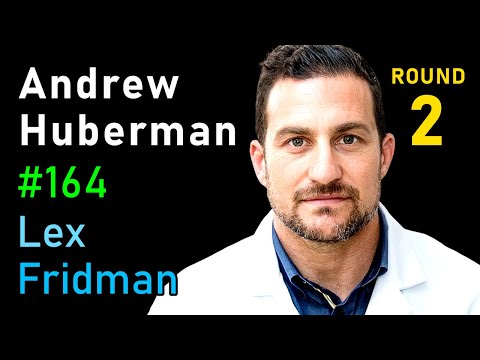
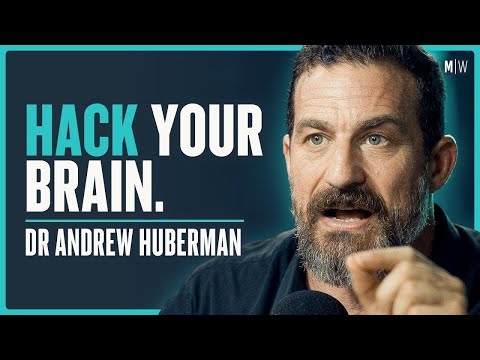
Huberman and Lex on the neuroscience of sleep, circadian rhythms, and temperature regulation, framed alongside fasting and neuroplasticity.
Biology of sleep: adenosine, circadian rhythms, temperature cycles, and lightSleep architecture, REM vs non-REM, dreams, and emotional processingNon-sleep deep rest (NSDR), naps, hypnosis, and recovery strategiesStress, effort, dopamine, testosterone, and the role of happiness/anger in performanceFasting, intermittent feeding windows, ketosis, and nutrition for alertness and sleep
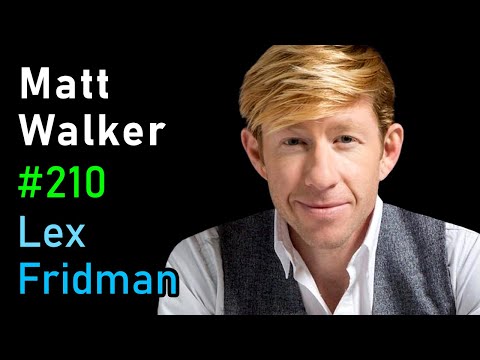
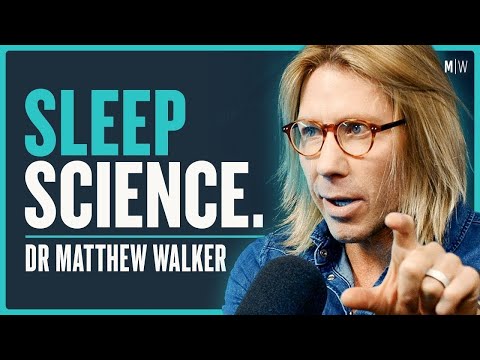
The definitive Matt Walker primer with Lex on why sleep evolved and how it shapes memory, emotion, dreams, and nearly every system in the body.
Evolutionary purpose of sleep and its universality across speciesSleep’s impact on learning, memory consolidation, creativity, and forgettingDreaming as a distinct conscious state and emotional ‘overnight therapy’Sleep deprivation, mental health, mood, and suicide riskCaffeine, naps, chronotypes, and practical sleep optimization
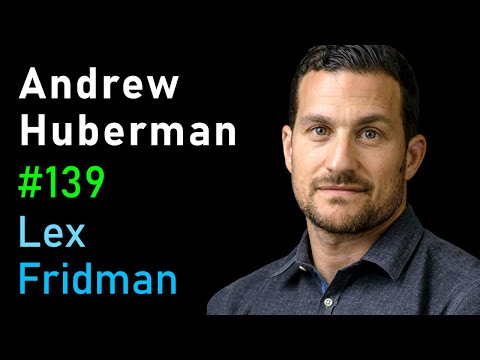
Huberman on fear, focus, and optimal performance states; sleep appears as one piece of a larger neuroscience-of-performance discussion.
Neural mechanisms of fear, stress, and autonomic arousalVirtual reality as a tool to study and train stress responsesOptimal performance, working memory, and state matching (interoception vs exteroception)Neural circuitry of vision and abstraction (from retina to face areas)Subcortical vs cortical targets for brain–machine interfaces (e.g., Neuralink)
The deepest dive on mechanism — non-REM versus REM stages, sleep architecture across the night, and how adenosine builds pressure across the day. Pick this over the Walker/Lex primer if you already know sleep matters and want to understand how it actually works.
Fundamentals of sleep: architecture, stages, and cross‑night dynamicsCircadian rhythms, light exposure, temperature, and adenosineCaffeine, alcohol, THC/CBD, melatonin, and other sleep‑related substancesNaps, insomnia, and the importance of sleep quality versus quantityHormones, growth, metabolism, sex, and their bidirectional links with sleep
Huberman's series introduction explaining the show's deep-dive format, with sleep flagged as a recurring monthly topic alongside focus and learning.
Monthly deep-dive format on single scientific themesApplication of neuroscience to everyday life (motivation, focus, sleep, learning)Types of tools: behavioral, nutritional, supplemental, pharmacological, and technologicalListener participation and feedback-driven topic selectionPodcast format: solo episodes, studio guests, remote guests
Walker with Chris Williamson on his four sleep 'macros' — quantity, quality, regularity, timing — and why regularity may predict mortality more than total hours.
The four macros of good sleep: quantity, quality, regularity, timing (QQRT)Sleep efficiency, insomnia, and the ‘tired but wired’ stress responseCircadian rhythm, chronotypes, and the life‑long shift of sleep timingSleep’s links to mortality, physical health, mental health, and relationshipsSnoring, sleep apnea, sleeping positions, and nighttime breathing
Start here if you want practical protocols you can apply tomorrow morning: caffeine timing, light exposure, NSDR, and the zero-cost levers Huberman keeps coming back to for energy, focus, and sleep.
Adenosine, caffeine, and the biology of sleepiness and energyMorning routines: delaying caffeine, light exposure, hydration, NSDRCircadian rhythms, chronotypes, and becoming a morning personSleep quantity, quality, snoring, and tools/tech (Eight Sleep, nose strips)Light, melatonin, cortisol, and protecting sleep from evening screens
How we picked these
We searched every transcript in our catalog of 6,000+ podcast episodes for substantive discussion of sleep science, then ranked by relevance — not popularity, recency, or paid placement. Summaries and topic tags are AI-generated from the full transcripts.