By playing, you agree to uListen's Terms and Privacy Policy and YouTube's Terms of Service.
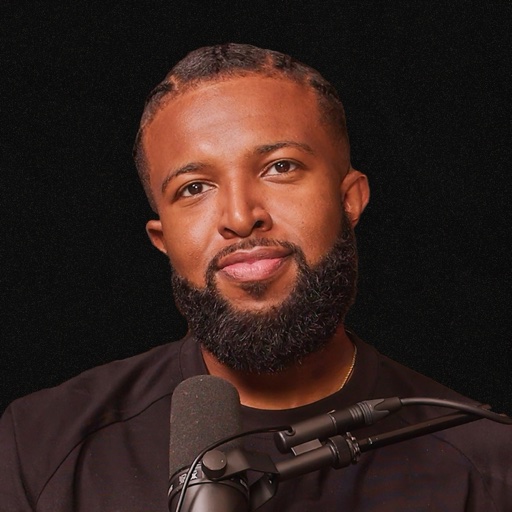 The Calum Johnson Show
Dan Koe REVEALS How To Start A $4,000,000 Business With Zero Stress
 Summaries, chapters, transcripts, and FAQs on this page are made by uListen, not YouTube.
Great conversations run long. Their best ideas don't have to.
uListen is free on iPhone, iPad, Android, Chrome, and Claude.
See howTranscript
110 min read · 21,985 words- 0:00 – 1:29
Intro
- DKDan Koe
It's not about dominating an industry, it's just about taking your piece of the pie. And as one person, as a one-person business, my advice is take the product that you've purchased that has changed your life and create your own version of it that is slightly better. Tailor that product that you've purchased to you. That's it. And then go and sell it, and I feel like you'll do really well, or surprise yourself with how well you do.
- CJCalum Johnson
Okay, so before we get into the episode, I need to tell you guys something. A few weeks ago, we hit 100,000 subscribers on this channel, and it's such a joyous moment, and I'm on a team meeting, I'm celebrating it with my team. And we're talking about, how can we hit the next level? What's the next milestone? And I mentioned to them, I want to go even deeper with you guys. And so if you're serious about making a transformation in your life or finally building that business, that personal brand, or just self-improvement in general, here's what we've done. We've just launched our YouTube Membership Community, and when you join, you'll get access to bonus content with some of our most popular guests. We just released an exclusive interview with Mr. Grateful where he breaks down step by step how you can build a business using ChatGPT in just 30 minutes. So good. And so if you wanna get access to that content and more, hit the join button in the YouTube description. And when you do so, you're actually supporting this channel. So thank you, and let's get into the show.
- 1:29 – 4:39
The formula for a successful 1 person business
- CJCalum Johnson
This morning, I'm at my table in my kitchen, I'm eating breakfast, and I'm reading one of your newsletter posts, "My Story: The Untold Truth of Dan Koe."
- DKDan Koe
[laughs]
- CJCalum Johnson
In that article, you mention that in 2022, you made $800,000 working two hours a day.
- DKDan Koe
Mm-hmm.
- CJCalum Johnson
In 2023, you made $3.3 million. And so here's where I wanted to begin. Let's say that someone has just stumbled on this video, it popped up on their feed in YouTube, and they're intrigued with the idea of starting a one-person business. What has been the value of that business model in your life?
- DKDan Koe
I'll preface with a few things. So the first thing about working only two hours a day, I need to correct that to writing two hours a day, because a few people brought it up, and I've talked about it in, like, a YouTube video, but it's writing two hours a day. 'Cause working on top of that, there's, like, admin tasks and other things like that.
- CJCalum Johnson
Yeah.
- DKDan Koe
So writing w- I'm sure we'll dig into that, but writing two hours a day is the base. But, uh, in terms of a one-person business, I'm not a one-person business anymore, 'cause I'm building startup and other things. But in terms of it being the entry into all of those things in order for me to build that cashflow to have money to invest in the other things I wanted to do with my life or just kind of buy back the freedom that I was missing in a conventional job, it was invaluable for that reason. Where a lot of people don't think, or they were just raised in the mindset that you can't make a lot of money as one person, and even though if you don't say ... If people don't say that explicitly, that's what they're thinking. It's a limiting belief that's preventing them from even trying those things. So the one-person business and the time that we're in with the technology that we have, even just being able to build a website is something so new. Like drag and drop websites-
- CJCalum Johnson
Mm.
- DKDan Koe
In the past, I don't know if it would take 10 programmers, but one, two, three to build a good e-commerce site would take a good amount of time and an engineering team to build out. And now it's like you can spin that up in a few hours just by yourself. And now take that and apply it to every other area of business, like just attracting an audience or generating traffic by sending [laughs] out a social media post or being consistent with that, is incredible. You can set up a website to sell your products or services, and then you can attract traffic by writing content on social media. And so you've effectively paid maybe 50 to 100 bucks to start the business. And depending on what kind of product you sell, a service, digital product, physical product, like it's just so easy to get started in those things.
- CJCalum Johnson
Yeah. You know what? You mentioned, um, especially in the times that we're in, and I think one of the things that's kind of stood out to me from doing the show, so many people are, like, unaware, and even I was unaware, of how people are making money today-
- DKDan Koe
Right
- CJCalum Johnson
... with online entrepreneurship-
- DKDan Koe
[laughs] Yeah
- CJCalum Johnson
... and, like, the tools that they're using.
- DKDan Koe
It's so mystical.
- CJCalum Johnson
Yeah.
- DKDan Koe
Yeah.
- CJCalum Johnson
And
- 4:39 – 8:40
AI will change change everything (And we are not ready!)
- CJCalum Johnson
so there was a video that you had. Um, I was, I was just talking to you about it, the future of work.
- DKDan Koe
Mm-hmm.
- CJCalum Johnson
And in the thumbnail of that video, you have "Survive Mass Replacement."
- DKDan Koe
Yeah.
- CJCalum Johnson
And so I wanted to talk about some of these tools and AI and automation, all these things that are changing. But to begin, like, it's the first time I've even heard that term mass replacement.
- DKDan Koe
Mm.
- CJCalum Johnson
Like, can you speak about that? What is that?
- DKDan Koe
I don't know if it's as big a deal as maybe it's perceived as in the thumbnail. I mean, it's attention grabbing. It gets people to click. But I mean, what we can see is just jobs being replaced. Like, that's in the headlines of everywhere. You look it up, you can find as many headlines as you want on that for all different industries. Take Elon Musk, for example. When he bought X and laid off, I think it was, like, over 6,000 people, and he's running ... X is running perfectly fine. I feel like it's growing more because of that. So I don't know the explicit details of it, but I know that it is a global worry. And for that reason, in order to find more clarity in your life, I think it's smart to look deeper into it, acquire skills that allow you to do something of your own or pursue something more and escape something that is more replaceable, so to say. I think it's just worth doing.
- CJCalum Johnson
Yeah. You know, as I was, um, 'cause I think there's a lot of- There's a lot of things about like AI and what the impact of it's gonna be. And I think one of the things that was surprising to me is like often we hear about these new like technological advances, but it's like 10 years in the future.
- DKDan Koe
Yeah.
- CJCalum Johnson
All of the stuff about AI, it's like, "Oh yeah, this will be happening like next year."
- DKDan Koe
Yeah, yeah.
- CJCalum Johnson
Or like [laughs] in a few months.
- DKDan Koe
It's just picked up so much faster.
- CJCalum Johnson
Yeah.
- DKDan Koe
Yeah.
- CJCalum Johnson
And so there was even, um, I saw this stat that the World Economic Forum said that by 2025, automation and a new division of labor between humans and machines will disrupt 85 million jobs, and the robot revolution will create 97 million new jobs.
- DKDan Koe
Yeah.
- CJCalum Johnson
I'm just kinda curious, like what's even your ... From what you've seen, how do you think in the next few years like work will change as a result of AI, machines, all of this stuff? Quick break. A few months ago, I did an episode with 19 Keys, and during that episode we had an unsponsored ad read for Huel. At the time, it was just a product I loved and I wanted to share it with you guys. Anyway, fast-forward, so many of you commented Huel on that video that now this episode is sponsored by Huel, which is amazing. I've been drinking Huel since I was 17, back when I started working out in London and I needed something high in protein and plant-based. And so fast-forward, earlier this year, I'm back in London, I'm recording, and I see Huel Black on the shelf at my local Sainsbury's. So I pick it up, and from that moment it became part of my recording routine. Every time I had an episode, I'd pick up Huel Black in the morning, I would head to the studio and I'd record. And so a fun fact is that before recording with guests like Robbie Lyle and Gary Stevenson, I was drinking Huel, and I felt great. Each bottle has 40 grams of protein, 7 grams of fiber, and 27 essential vitamins and minerals, and it's all 100% plant-based, which I love. And so if you want to try it, go to the link in the description, use the code Calum at checkout, and you'll get 15% off your first Huel order, plus a free T-shirt and protein shaker. And so that's code Calum, C-A-L-U-M. And when you actually use that code at checkout, you're also directly supporting this show. So thank you, and let's get back to the episode.
- 8:40 – 17:47
How to WIN in the AI revolution
- DKDan Koe
I ... This is me speculating, philosophizing. It's my perspective with what I've, based on my experience in life. I personally think that evolution is the process of solving the problems that humans don't enjoy, or that's kind of what pushes us forward. Maybe that's not, that doesn't describe evolution as a whole, but it definitely allows humans to kind of shift the course of evolution in our favor. And so we solve problems that cause us pain and suffering, and I would believe that labor work and just work that we hate doing because work takes up eight hours of our day, sometimes more, it drains our energy to do things we wanna do at night. We don't wanna wake up in the morning to learn, grow, expand, become better, become more complex, and be able to find more joy out of life because of that. And so that's just one thing that has prevented, or at least heavily stunted human development for a long time, is just not being able to pursue either something creative or the thing that you just deeply want to do, the thing that you're kind of pulled to do. I feel like everyone does have that voice or they can feel that pull to do something more, to grow. And because of that, a lot ... When you zoom out and take a bigger picture at what technology has done, over time it's kind of moved in the direction of solving that problem, allowing us to leave labor work behind, or at least make it very efficient and a lot easier to do. We have machines now that make it very efficient for us to do work. So as those continue to evolve, we look at Elon Musk's Optimus, who is maybe in our houses doing our laundry for us. Like all the things that we don't wanna do, machines will probably be able to do those things first. And so what that leaves us with is human problems or more creative problems and personal growth related problems and meaning related problems and education related problems.
- CJCalum Johnson
Mm.
- DKDan Koe
I'll, I'll stick there [laughs] 'cause we could unpack-
- CJCalum Johnson
Yeah, there's a lot-
- DKDan Koe
... so much more.
- CJCalum Johnson
You know what? Let, let, let's go, um, let's go deeper into it. And kind of where I wanna get your perspective is like do you think that we're ready? And, and here's what I mean, which is I think the kind of ... If we park the kind of pessimistic, almost apocalyptic version of like AI will lead to the de- complete destruction of humanity.
- DKDan Koe
Mm-hmm.
- CJCalum Johnson
If we park that to one side and we just take the optimistic viewpoint that like AI and machines will replace a lot of the work that we don't want to do, and then like you mentioned, like we can focus on more like creative things, our passions, art, like things that we want to do and everything else is taken care of. One of the things that kinda pops to mind for me, and I was listening to someone speak about this, we get a lot of our meaning and purpose through our work.
- DKDan Koe
Yep. 100%.
- CJCalum Johnson
So I'm just curious to get your opinion on it. Like let's say that in 2025, like it even mentions in this study, a bunch of people no longer need to work. Like there's actually not a requirement on it. Um, maybe it is even some universal basic income that they can do to cover their expenses. Like do you think as a race, as like humans, we're actually ready for that to be replaced in our, in like a work sense?
- DKDan Koe
I don't think we're ready for it, but I think it happening will accelerate us growing into it a lot faster. So, in terms of work being a necessary part of life, I do think that's a thing. It's like imagine going on vacation, you spend a lot of time there, you're there for two weeks, maybe a month. Eventually you wanna go back home. You don't want to be retired anymore. I don't think retirement is a thing that people actually want, it's just a big dream that they work towards, but once they reach that, then they're like, "Oh, now I'm gonna do the thing I was passionate about," or, "Then I'm gonna chase that." So if we are able to do that sooner, I feel like a lot of people are if they take the time to do that or if they're in the situation where they can do that, I'd recommend doing that because you want to ... Work balances out the rest. It's like when you can't have happy without a sad reference point. Like, you ju- if you're happy all the time, eventually it just becomes normal and boring and you're not too happy and you wanna chase something higher, or you need to go down. This is when people are stranded on an island, everything gets normal, everything's going well, and then someone wants some form of chaos. They want something interesting, so they light a fire or they do something crazy that causes a bit of drama, makes life interesting. So it's the same kinda thing with that, is when you're sad, then when you grow to the point of being happy, you have that sad reference point, happy makes sense. And then you're there for too long, et cetera, et cetera, and you can't be sad without being happy. Like, if you're just sad all the time and it normalizes, then it's kinda just your base operating state.
- CJCalum Johnson
Yeah. In a way, I almost, I kind of, I don't e- know if you agree with this, you kind of need the friction of people, like, of almost being out of a job or, like, that-
- DKDan Koe
Mm-hmm
- CJCalum Johnson
... mass replacement to then-
- DKDan Koe
You need the pain
- CJCalum Johnson
... even go ... Yeah, you need the pain to then even go through the process of, like, okay, how do I adapt-
- DKDan Koe
Yeah
- CJCalum Johnson
... to this, like, new world that we're in.
- DKDan Koe
Yeah.
- CJCalum Johnson
Um, I think one of the things that's really interesting watching your content, it is kind of like we're moving into this new world. Like, the, the rules of the game are just different than they've ever been. One of the things actually that you mentioned in the Future of Work video when it comes to, like, the impact that AI will have, you said that entry-level jobs will be extinct.
- DKDan Koe
Hmm.
- CJCalum Johnson
And so for people that are like, if someone's listening and they're almost, they're, like, fearful of that reality or they're even fearful about potentially feeling like they don't have utility in the world anymore-
- DKDan Koe
Yeah
- CJCalum Johnson
... how can someone protect themselves against this kind of new future, like, where AI can do a lot of the things that they can do?
- DKDan Koe
It's gonna be very empowering to some and very difficult to digest for others. You need to become very good at what you do. 'Cause I don't think the entry level will, so to say, go to, go extinct. I just think the entry level will become the junior level or the senior level, right? It's just g- the bar is going to be raised. So in order to either, in order to work for someone else, you have to be extremely good at what you do, and you have to be a generalist in the sense where you can, you have that expertise, but it's ... Now that you have AI tools and other things that allow you to either utilize skills faster or learn skills faster, that becomes more palatable to someone. But the other option is where a lot of people are going. If we look at the programming industry, there's a lot of people complaining about how entry-level jobs just require three plus years of experience and all of these things that shouldn't be required for an entry-level job. So what that's causing the programmers to do is just go the indie hacker route, which means independent hacker, independent programmer, building your own thing and trying to make that work, and there's a massive community growing online that are doing those things. And so I see that also reflecting in most other fields of work, where marketers become freelancers and designers also become freelancers, or they start going the digital product or education route. That's what I see. It's either you become extremely good at what you do and you get a very high-paying job, and one that treats you well and is flexible and leads to a relatively good life, or you take the route of creating that life for yourself by any means possible and just breaking off and doing your own thing.
- CJCalum Johnson
Yeah. No, it's, it's, it's so interesting. I remember, um, I've heard Naval talk about it. For anyone that's interested, Naval Ravikant, uh, a lot of great writing, successful entrepreneur. Almost like a philosopher now at this point-
- DKDan Koe
Yeah
- CJCalum Johnson
... to be honest.
- DKDan Koe
I love Naval.
- CJCalum Johnson
Yeah, he's so good. Um, I think to be hon- like, a lot of people that built, like, digital online businesses, I feel like he was-
- 17:47 – 34:53
How Dan’s Mormon background shaped him.
- CJCalum Johnson
okay, here's where I wanna go. I wanna get into your story, because I think once I started to, even in preparing for this episode, it was very clear to me that at, like, a very early stage, 13, 14 years old, you were clear that you didn't want a job. Like, there was almo- there was, it was more than you just didn't want it. It was like, "This is not gonna happen." And so explain that to me. Like, if I wanted to understand why you had such an aversion to getting a traditional 9 to 5 at such a young age, what would I need to know?
- DKDan Koe
I think it started before that. Well, yeah, it started around, like, 13 when I was becoming cognizant and self-aware to an extent. A lot of it came from just observing people around me. And when I-- as we start talking about this, I do wanna preface that I absolutely love my parents. They're great people. But in the past, they were going through a difficult time. They were on the verge of divorce. They-- it just wasn't a very good environment for them. And so living in that, as a young kid, what I noticed is, one, being-- people being tired when they came home, and, um, nagging, fighting against each other, and general health not being very good. So the first thing that I got into was fitness, right? I would see-- One thing they did try to do was, like, P90X when that was a thing. So they would be, uh, out in front of the TV doing the exercises with that guy on TV, whatever. And they bought the adjustable dumbbells that you can, like, take out-
- CJCalum Johnson
Oh, yeah, yeah
- DKDan Koe
... change the weight, lift those out. And so at night, I would sneak those into my room, and the only thing I would do is, like, wrist curls-
- CJCalum Johnson
Yeah
- DKDan Koe
... 'cause I thought it would be super cool if I had veins in my arms. [chuckles]
- CJCalum Johnson
Yeah.
- DKDan Koe
Of all things.
- CJCalum Johnson
Yeah.
- DKDan Koe
I just thought that was cool. And so did that for a while, but I-- That evolved into me getting really into fitness and learning more about it, and that being my main thing going into middle school, high school. That's just what I loved to do. You'd find me at the gym or watching YouTubers, fitness YouTubers on, like, OG YouTube. And that kind of instilled the mindset in me of observing and questioning. Observing, "Okay, here's what people are doing. Here's the life they have. Do I want that life? Not really. I'm going to do something to avoid that." And so as I started to dig deeper into the other problems, aside from just the general health or fitness problems, I realized, okay, my dad is gone from in the morning until 7:00 PM at night, and then he comes home, doesn't have any energy. It's kind of just this cycle of go to work, come home at 7:00, watch TV, repeat.
- CJCalum Johnson
Mm.
- DKDan Koe
And it's like, we'd watch TV with him on the couch, and it was a fun time, and we'd go on a lot of vacations. Actually, he was working very hard to provide for us. Very grateful for that. But it just made me realize I don't want to spend that much time outside of home and not having time to do the things that I enjoy doing right now as a kid. And since I was into fitness and I was watching these YouTube creators and seeing that they were-- I thought they were doing it for a living. It seemed like they were, so I'm like, "Okay, there's something else that's possible." And of course, I didn't go the YouTube creator route all of a sudden, but I j- it just stuck in my mind that I knew there was something different. I knew that it was at least possible. I had no idea what I wanted to do, but I just knew that I did not want a 9 to 5 job. Because even observing other people, that just seemed to be the underlying denominator of-
- CJCalum Johnson
Mm
- DKDan Koe
... not having a good life or not having full control over it.
- CJCalum Johnson
Yeah. You know what? One of the things as I've gotten older that's become clear, that ability of having, like, perspective, especially at that age, is, in my opinion, pretty unique. There's this, um, [lips smack] there's this quote, uh, "Smart people learn from their own mistakes. Wise people learn from the mistakes of others." And so it's actually pretty rare that, especially as a 13, 14-year-old kid, that you could observe someone else's life and see that they have, like, certain things that you don't want, and then take opposite action.
- DKDan Koe
Mm.
- CJCalum Johnson
Like, most of the time, I think for most people, especially at that age, we just don't think that deeply about it.
- DKDan Koe
Yeah.
- CJCalum Johnson
We're just like, "Oh, yeah, this is what everyone-- This is just my environment. This is what everyone does. There is no other way of doing it."
- DKDan Koe
Yeah.
- CJCalum Johnson
I'm interested, like, what do you think gave you such a strong perspective to almost zoom out of your own life, observe what people were doing, and then, like, take the parts that you wanted at that age?
- DKDan Koe
Yeah. I don't know. I hon- [chuckles] It's hard to, like, think about what the catalyst for that could've been. It could've been the YouTubers, right? Just having some alternate source of media-
- CJCalum Johnson
Mm
- DKDan Koe
... that-- 'cause they were very, progressive isn't the word, but very just unique and authentic people. And so when they would talk and give me ideas that I've never heard before, or I just thought they were super cool, they were super interesting. I watched YouTube all day, just their vlogs of them going about. I guess maybe that's the thing, is I would watch them. They were lifestyle vlogs, like what they eat, going to the grocery store, typical vlogs. And so-
- CJCalum Johnson
Who would you watch?
- DKDan Koe
It was Matt Ogus and Chris Lobato, and there were a few others, like Max Chewning at the time. He's actually still going pretty big, has Don't Be Sour podcast.
- CJCalum Johnson
Yeah.
- DKDan Koe
Really cool guy. But I'd watch them, and you just see a different life. So maybe that was it, is I see them living completely different lives from my own, and I'm starting to compare 'cause I don't think before that, unless you're watching reality TV, you don't see that, right? You're not following someone else around and seeing how they live and the decisions they make. And when the YouTube vlogging scene became a thing, you see that now, and you're like, "Oh, I can-- There's a life out there that I can live that isn't this one."
- CJCalum Johnson
Mm. It's almost like being able to see the two, the two realities-
- DKDan Koe
Yeah
- 34:53 – 40:51
"I Failed At So Many Businesses"
- CJCalum Johnson
you, you spoke about college. One of the things you wrote, you said, "One thing that I was truly excited to do was to go to college."
- DKDan Koe
Mm-hmm.
- CJCalum Johnson
"It allowed me to delay the amount of time I had to build a sustainable income for myself. I was hellbent on trying different business models."
- DKDan Koe
Yep.
- CJCalum Johnson
Talk to me about that, that excitement to go to college.
- DKDan Koe
The excitement is because I knew that I, I was going to be able to live by myself and kind of just get into this new environment and start to rebuild my environment from scratch. The people around me, meet new people, make new friends, kind of force myself into a new situation. And while in the back of my head I knew that I didn't really care about getting a degree, it was, I was in this transition period where I'm like, "Okay, if I get a degree, then I'm more likely to get a job and I'm, I can get the job and I'll be paid a lot of money. So I'm, I'm set that way. But if I spend this time as a way to just try to make something work," because it's what, four years? Four years I'm gonna be taking out loans for, um, but I'm gonna be by myself. I'm gonna have time. I'm gonna just focus on trying different things, learning as much as I can. And if I can make that work by the end of four years, and four years is a lot of time, and at least sustain what I would be making at a job that I would get, then I'm set that way too. So that was kind of my plan is scrape by in college [laughs] because I was a straight A student throughout high school. And so me going to college, I'm like, "I'm kind of done with this." It's like, "I'm excited to be here. I'm gonna scrape by just so I can stay in college and hopefully pass because I can't just be thrown out onto my own and have to spend a bunch of money on rent and other things." So I was just taking out loans. And yeah, so that was the story. But- The business models that I tried during that time weren't-- They didn't really work out. We can walk through the timeline, but the-- In short, I just tried everything creative, 'cause I always wanted to do something creative, so that's where I started because I figured, okay, I don't have to do something that just makes a ton of money outright. I have four years. Maybe I can make something creative work. So I started learning things like, uh, web design and photography and photo editing, and one thing led to another. It's like I get into one thing, okay, web design. Okay, I need to edit this image for the website. Oh, this is actually pretty fun. I should learn more about this. And then ended up buying a camera. My friend and I, we got really into photography. I made a couple bucks off of doing like graduation photos. And outside of that, that's when I started to buy courses on different business models. So I took a drop servicing course, which was called the Two Hour Agency.
- CJCalum Johnson
Mm.
- DKDan Koe
And that was a waste of my time because it was like, okay, you set up this offer, you set up this landing page, and then you go-- all your focus is on is getting clients. And then you pretty much take the client's requests and give them to someone on Fiverr, and then you get the deliverables from Fiverr, and you give it to the client. So it's like a way of having cheaper work done for you to give to a client, and I was doing like animated explainer videos. So one-minute animations based on a script that the client provided. I only got like two or three clients, but the animation sucked, and I didn't feel good about doing that. So moved on to content marketing with SEO and, uh, drop shipping. I took a drop shipping course, and I drop shipped rave clothes. So found a supplier on AliExpress, hooked it up to Shopify, uh, found some cool-looking like women's rave clothes and then tried selling those. Sold one or two, and I was just like, "This sucks. This-- Like I'm not making any money here, like substantial money that would actually justify me doing this full-time." But as I was taking these courses and learning things, skills started to click very slowly, where it's like in the drop shipping course, I learned that branding matters above all. And then in a Facebook ads course that I took, I learned copy matters above all. And so I'm like, okay, branding's important. Copywriting's important. Um, web design, I can already do that. And started to move more into the e-commerce space, and I ended up doing the blue light glasses where-- ordered those from my parents, or not my parents. My dad helped me. He gave me $3,000 so I could buy like 500 pairs of glasses from Alibaba and try to sell those. That didn't work. Just all these things that didn't work is the thing. I could go into each of them, but they all didn't last that long, but they taught me a lot that led to what works now.
- CJCalum Johnson
You know, it's interesting as, even as I went through your story, it's like, um, there's this thing they talk about in storytelling, like the hero's journey.
- DKDan Koe
Mm-hmm.
- CJCalum Johnson
It's almost this thing of being like you're lost, and then you're found. And then in your story, it's like you're lost and then found and then lost again and then found.
- DKDan Koe
[laughs]
- CJCalum Johnson
Like it's like this-
- DKDan Koe
Yeah
- CJCalum Johnson
... constant-- And one of the things that you even wrote in that newsletter, you say-- This was you reflecting on college. You say, "Around that time, my group of friends and I were arrested for smoking weed in the parking structure across from our dorm building."
- DKDan Koe
Mm-hmm.
- CJCalum Johnson
And then you, you go on to say, "This is an important turning point in my life."
- DKDan Koe
Yeah.
- CJCalum Johnson
What made you say that?
- DKDan Koe
The story of it is when I moved into the dorms freshman year of college, first time being on my own, and this
- 40:51 – 52:09
The power of the mind
- DKDan Koe
was maybe like a week or two after that, maybe a month, sometime around there. My dorm mate at the time was going through a situation with his girlfriend long ter- I mean, long distance girlfriend. She lived in Utah. He just came here for college, Arizona. And they were on the phone talking. She ended up breaking up with him that night, and he was not feeling good. And even like an hour later, he got a phone call from her, picked it up, and it was the guy that she was cheating on him with. And so he was just not [chuckles] in a good spot that night.
- CJCalum Johnson
Yeah.
- DKDan Koe
And so he was mad and was like, "Dude, I need to, I need to just like smoke." And he didn't smoke before that, right? So he went over to like another person's room, ended up finding someone that had weed. We went up to the parking garage to smoke. We had me, a few other people in the car. Obviously can't give too much detail here, but- [both laugh] Uh, 'cause it was on school campus. And a few other people in the car. We were smoking, having a good time, laughing. Uh, at the top of the parking garage, my friend turns to me and he's like, "Dude, there's a bicycle cop behind us." And I'm like, "No, don't lie right now. We're j- we're having a good time. Like don't do that." And I look in the mirror. Of course, there's someone like writing down my license plate. He eventually comes over, takes us out, or he doesn't take us out. He has to call backup because there's four of us and one of him.
- CJCalum Johnson
Mm.
- DKDan Koe
And so we wait. They end us taking-- They end up taking us out, sitting us down, handcuffing us, lining us up. They determine that it was my paraphernalia and the other guy's weed. They take us both in. They fingerprint us, book us, but we don't stay there overnight. So we were able to get out. They kinda just put us out the back gate, and our friends had to come pick us up. They're like, "Here, you can just walk." Like-
- CJCalum Johnson
Yeah
- DKDan Koe
... "You're good." And so- After that, everything was fine because I thought that, I thought that the officer said I wouldn't be looking for anything. He said I was cooperative, I didn't have to worry about anything. And over the summer, when I was working at a life- as a lifeguard living back with my parents, just trying to make some money, I come home from work one day, open the mail, and there's a letter in the mail from the court, some official government stamp on there. And so my heart sinks because that's the only thing it could've been. I'm like, "I know exactly what this is. My parents aren't home. I need to go inside, open this immediately." I go inside, open it, and in short, it gave me two options. It's like, "Hey, you can either go to court and possibly be convicted of a felony, or you can go to this, uh, drug diversion program task, and you pee in a cup once a week at random, and you also have to pay, like, $5,000," or some money like that. That was way too much for me to afford as a college student taking out loans to survive and working a part-time job just to, working a summer part-time job just to try to have some extra money. And during the summer, I got that close to the beginning of the summer, and so I'm like, "Okay, I'm not at school. I don't really have to start doing this yet," 'cause I had to be back up there in order to do the program. So the first week, I was like, "I don't know what to do. I can't tell my parents. I don't wanna be a convicted felon." Like, I just felt terrible. I'm like, "I'm not the type of person that should be receiving this letter in the mail."
- CJCalum Johnson
Mm-hmm.
- DKDan Koe
And dealt with some emotions, some thoughts related to that. But the guy that I was watching on YouTube, Matt Ogus, uh, fitness YouTuber, I remember him mentioning the book The Power of Now. And so I purchased that book and started reading it on the patio every morning just with a cup of coffee. And this was around the time where I would classify myself as an atheist at that time, and that was after coming out of Mormonism. And so reading something like The Power of Now, where it's using the word God and, uh, talking about what I thought was woo-woo, spiritual, hippie shit, and it ended... I, I opened my mind and I was like, "Okay, I just, I know there's something in here. I need to sit with it and find it." And at the time, The Power of Now wasn't all mainstream and it wasn't, like, common knowledge, I would think. And so I sat with it and I did the meditations, and I started to feel a lot better, and I started to feel the effects of meditation and being at one with life and not really having any worries in my head. And so I started to double down on that [chuckles] and eventually got into the flip side of, like, identifying too heavily as some spiritual person, and that started to backfire.
- CJCalum Johnson
Mm-hmm.
- DKDan Koe
But that was a turning point in my life because I realized, okay, I'm in this terrible situation. I don't know what to do. I can find my way out. And that's when I started being able to manage my emotions a lot better, through reading that book and dealing with that situation and realizing, hey, this isn't the end of the world. I can still move forward.
- CJCalum Johnson
You know, to someone, 'cause it, it's, um ... A lot of people swear by that book.
- DKDan Koe
Yeah.
- CJCalum Johnson
And it's like, even people that are very successful in business, and you would think that, like, that book is quite spiritual. Like you mentioned, it's kind of woo-woo. Like, why would these, like, business people, like, be into that book? To someone who they're hearing that title for the first time, The Power of Now-
- DKDan Koe
Mm-hmm
- CJCalum Johnson
... can you just explain, like, the power of it? Like, what is the value?
- DKDan Koe
[laughs]
- CJCalum Johnson
I didn't even mean to do that. But what is, like, the value of that book?
- DKDan Koe
Yeah. I've, I've studied very far beyond it in terms of, like, metaphysics, spirituality, uh, mindfulness in general, but I would say that it's a very good book for both beginners, if they approach it with an open mind and don't go into it thinking, "Oh, this is all spiritual woo-woo stuff," and it's also just a, a reiteration of the principles of those things, of Zen Buddhism, some would say, or just mindfulness in general and the power of it. So it's good for both beginner and reminding the advanced people of the main principles. So I think it's a good book for everyone to read and review, but since it's so mainstream, it can start to get that negative connotation attached to it of like, "Oh, everyone knows these things. It's not that important." But the power of the now or the present moment is that negative emotions or the interpretation of them can only be viewed from the perspective of the future or the past. So if you're projecting too far into the future, that's when anxiety and overwhelm start to come into play. Um, and when you're reminiscing on the past, you're pulling negative experiences from that time into the present moment. You're not living out those things. It's completely out of your control. You are not in the past. You're just replaying that in your head, and your body is experiencing those emotions again, so you feel bad. And so another thing is when you project into the future of a negative situation that can happen or is going to happen or you can predict is going to happen, the, like, the predictable future, you're usually doing the same exact thing because it's like, okay, I wake up and immediately project into the future of the stressful job that I'm going to, and I don't have ... Right then and there, I do not have any chance to create a new day for myself because I already know what's gonna happen. I already know today's gonna be bad. I already know today's gonna be stressful. I already know I'm gonna get home and not have energy, and you just go through the motions, and you condition that lifestyle into your head, and you get trapped in this negative thought loop. So by Training your mind to focus more on the present, not that the past or the future are bad things and that you shouldn't project into or reminisce or do whatever you need to do in order to gain clarity on where you should go in your life. But the present moment, fully focused in the present moment is where you can find that neutrality, where you can start to move in a positive direction. I don't think this is in The Power of Now, but I like to think of the present moment as the great neutralizer. So if I'm too deep in negativity, then I can focus on the present moment, bring myself back up to that neutral state, and then start to aim in a more positive direction and refocus in that way.
- CJCalum Johnson
Yeah. You know what? That's so good. I'm, I'm so glad that you explained it in the way you did. Um, it was interesting. Even-- I'm, I'm aware of these things, but even now, it's so easy to get caught up in reflecting almost too much on the past-
- DKDan Koe
Oh, for sure
- CJCalum Johnson
... or projecting too far into the future. And I was reading a post on Twitter, I don't remember the philosopher, but he was talking about the power of walking, of like, the power of like, going on walks.
- DKDan Koe
Mm.
- CJCalum Johnson
And part of the reason why it's so valuable is that in my experience, I've heard it from a lot of people that like, even in entrepreneurship or business or in their career, a lot of their anxiety comes from projecting into the future what's gonna happen, these like eventualities, and then going down the thought loop of that. And it's like, your experience can be improved simply by the action of just like, going on a walk.
- DKDan Koe
Oh, yeah. [laughs]
- CJCalum Johnson
Because going on a walk, like it, it brings you into the present. Now that you're, you're having to like, observe the scenery or like, even you're crossing the road, you're having to be present, like which cars are coming by. Like, these very small things, just in that simple act-
- DKDan Koe
Mm-hmm
- CJCalum Johnson
... make you present, and then it's this funny thing happens. I've, I've felt it even with myself. All of the problems you've had all of a sudden don't seem quite as serious as they did when you were in your room just like ruminating on it.
- DKDan Koe
Yeah.
- CJCalum Johnson
Um, and it's, it's essentially what you were saying, which is the power of now, the power of being present to the moment.
- 52:09 – 56:10
How to build your business while working 9-5
- CJCalum Johnson
as you follow the story. It's like, ultimately after university, you end up having to get a job.
- DKDan Koe
Yep.
- CJCalum Johnson
And so like [laughs] the-- We kind of even start off in the beginning, it's like, "I just do not want a job." It's kind of funny how life turns out that you end up having to get a job. Those initial days, first day, first week, first month of like, being in that, I don't know if it was an office or what.
- DKDan Koe
Mm-hmm.
- CJCalum Johnson
Take me back to that moment. What's the emotion of Dan at that time? You've tried all of these different things. They haven't worked, and now you're in that position where the one thing you didn't want to happen is your reality. Like, what's the emotion?
- DKDan Koe
It wasn't too bad. I was pretty excited to show up. I was nervous to show up the first day 'cause I'm like, "Man, I hope I [laughs] am actually able to do this."
- CJCalum Johnson
Yeah. [laughs]
- DKDan Koe
Uh, and that I don't get fired immediately.
- CJCalum Johnson
[laughs]
- DKDan Koe
'Cause I feel like I wasn't, I wasn't a good employee. And so me knowing that going into the job, I'm like, "I hope they don't find this out fast."
- CJCalum Johnson
[laughs]
- DKDan Koe
Uh, but it was good. I enjoyed going to the job because I'm like, "Okay, cool. I get to gain some experience of what it's like to be a professional web designer," so to say. But the entire time there, um, I did have my own office, which I thought was really cool, is like I could close the door the entire day and just not talk to anyone. So I would just sit in there and I'd scroll on Twitter and I-- the main thing that I did was try to make my freelance web design business a success 'cause it made the most sense to me at that time. Once I got into the job, I knew, okay, the longer I stay here, the more comfortable I'm going to get, the more responsibilities in my life are going to start to add on. Like, I'm that age where just things are gonna come at me, bills, car payments, other things like that. So the pressure was still on, where once I got the hang of the job, while I was at the job, really the only thing that I would do is focus on the freelance business and try to make that work and gain clients and do the client work. And I would put off [laughs] the, the web design job work until the end of the week or whenever it said in the project management dashboard, like, oh, you're-- the website for this client is due in two days. It's like, okay, that's my sign to actually just get it done that day and then send it out, and I would just use templates and do other things to finish the job. So that was my strategy.
- CJCalum Johnson
[laughs] You know what's funny? Um, I had this-- I literally did the same thing. I've, I've never really spoken about this on the show. Hopefully they're not mad about this.
- DKDan Koe
[laughs]
- CJCalum Johnson
Like two years ago, obviously, I was like at a job. I was a marketing manager at a fintech company.
- DKDan Koe
Mm.
- CJCalum Johnson
Um, and like- We, it was a hybrid model, so three days in the office, two days at home. And so, like, the three days in the office I would not really speak or say any- Like, I would just be intensely focused on doing like a week's worth of tasks in the three days that we had.
- DKDan Koe
Yeah.
- CJCalum Johnson
And then the two days I was o- I was at home, recordings.
- DKDan Koe
Yeah.
- CJCalum Johnson
Not like in a studio, but remotely, I would just be working on the show.
- DKDan Koe
Nice.
- CJCalum Johnson
And it's like that exact same thing of like how can I do the work in the shortest amount possible?
- DKDan Koe
Yeah.
- CJCalum Johnson
And it was actually great, 'cause people thought I was like really quick and efficient.
- DKDan Koe
[laughs]
- CJCalum Johnson
They didn't know that I was like just motivated-
- DKDan Koe
Yeah
- CJCalum Johnson
... to go do my own thing. Um, that's good. Do you, do you remember the moment where, like when did it start to become a thing that you could leave?
- DKDan Koe
It started to stack up, where before that, like before I got the job, I had made a few bucks here and there. Like, I'd landed clients beforehand, whether it be for web design or the SEO thing. Like, all of the business were failures, all the business I tried were failures because I just quit doing them, right? There
- 56:10 – 1:08:04
How to determine the price for your products.
- DKDan Koe
were some where I made a sale of the rave clothing stuff, or, uh, I landed a $500 client for the coding that I was doing. My sister's boyfriend wanted a website for his mattress business. And so little things like that where I knew that clients were possible. And so as I started to raise my prices, like I understood, okay, I've charged 500 before, I've charged 1,000 before. Okay, my girlfriend at the time, she was helping me, uh, get in with her boss, and I charged 1,500 when I char- I should have charged like 15,000. I wasn't in the mindset that I can charge a lot to people that have a lot of money, because I just hadn't experienced that much money before in my life, and I feel like this is where a lot of beginner freelancers struggle, is they think, "I can't charge above 500 to $1,000 simply because I'm used to Upwork and Fiverr gigs, and I've never worked with a company that's making a million plus dollars a month." And so they just don't realize, like, oh, 5,000, 10,000, $15,000 for this quality work that I'm doing, like they, some people will think that's too cheap and they won't even buy it. So you're, you just have to get into that mindset and find the right people if you're a freelancer, where that's not really what I do anymore or don't really teach. But that's how I did it, is I started raising my prices. As I started to learn more about freelancing and funnels, I pivoted my offer and made it more specific. So while before I was just selling general websites, like nothing special, just pretty looking websites. And to make more money and get more specific, I had to stack on a few different skills. So I would make a landing page for service businesses to, uh, generate leads for them. So all they would have to do is send whatever traffic they wanted to the landing page. The landing page would take their email, put it into an email sequence or an appointment sequence that would ask them to book a call with them, and that was my simple service funnel that I was selling to other people where... We can go into that more. But it would allow people to stop manually following up with leads and just use an email sequence to do that, and the landing page that was higher conversion was a better way of doing that. So a more specific solution that actually led to a more desirable result than a pretty website. That was how I started to make a bit more money and really focus my outreach on the right people.
- CJCalum Johnson
Mm. You know, b- before we go deeper into the, the one person, uh, business model and how someone can build it successfully, can we just talk about like the limiting beliefs, especially for beginners? 'Cause I think I've felt it, you've felt it. It's like, I think once you overcome it and you're, there, there's limiting beliefs at each stage of the game. Like, there's limiting beli-
- DKDan Koe
Mm.
- CJCalum Johnson
Like I'm sure that you have limiting beliefs with what you're doing now. I know I have it. Like, it just evolves. But right in the beginning, I feel like some of the common ones are what you're saying, like how to even, like pricing yourself. Like, a lot of what keeps people in the job is because they can never price themselves correctly. Like-
- DKDan Koe
Mm
- CJCalum Johnson
... if instead of making 1,500 a month from the client you were making 15,000-
- DKDan Koe
Yeah
- CJCalum Johnson
... you could quit tomorrow.
- DKDan Koe
Yeah.
- CJCalum Johnson
And it's like you see the impact of these, like, limiting beliefs. Another one that comes to mind is, 'cause I had this, is, um, maybe you're entrepreneurial, you know from an early point that you do not want to work a traditional job. So what do you do? You keep trying these different businesses. Each one keeps failing.
- DKDan Koe
Mm-hmm.
- CJCalum Johnson
And every time, it's always nice to reflect on the failures once you've had something successful. But-
- DKDan Koe
Yeah
- CJCalum Johnson
... at the time when you're just experiencing failure, there's this thing, at least for me, where like I still believed 'cause I'm just that way inclined, but each time you fail, there is like a slightly louder voice of doubt of like, maybe you just can't get it done. Like, maybe this, you're just not gonna do it. Um, because that's the evidence that the world's given you with each failure.
- DKDan Koe
Mm.
- CJCalum Johnson
For you, if you go back to Dan in that moment, like how did you overcome these sorts of like limiting beliefs, like the pricing or the constant failure? Like, how did you overcome that?
- DKDan Koe
I've always been very good at trying to prove myself wrong. I think that's helped me maintain a balanced perspective in many things, like especially in nutrition and fitness 'cause- That was one thing that I really got into, and it's just stayed a part of my life. But whenever I find myself falling into these little traps of, "Oh, here's the latest diet fad," especially when you're on Twitter or other things where they pop up very quick, like the ancestral diet or other things, and they provide a very compelling case study for the diet as a whole, so I kind of experiment with it, try it. But I also have to research the other side of the argument. I have to figure out, "Okay, what's wrong with this?" And, "Is it true?" And practice that bit of skepticism so I don't get more trapped into that and believe it that it's the only way to achieve some form of health result when you can observe society and just realize that's not what all healthy people do, and there are plenty of healthy people that don't do that specific diet. So no, it's not the one size fits all. The same is true for, like, a limiting belief where when I start to doubt myself or think, "Okay, maybe I'm not able to do this," I really wanna figure out, is it actually possible? And so I'll start to research, like, either videos of people who have done that specific thing or just start to educate myself more to fill in the perspective that I'm missing on that thing. Because if I can overwhelm myself with evidence that it is possible, then I'm less likely to succumb to those limiting beliefs that are kind of trapping me there.
- CJCalum Johnson
Yeah. You know what's, um, interesting? So, like, Alex Hormozi has this thing where he's like, you know, if you wanna hit-- Say that you're earning, I don't know, $50,000 a year, but you wanna earn a million a year. The only thing that's holding you back-
- DKDan Koe
Yeah
- CJCalum Johnson
... there's two things. It's either belief or skills. And so most people think it's, like, a skills thing, like they're not good enough at sales yet, they don't know marketing well enough, uh, branding or whatever. Their code isn't good enough. It's, like, very, uh, objective, like sca- skills-based thinking, which a lot of the time it can be.
- DKDan Koe
Mm-hmm.
- CJCalum Johnson
But he actually says the bigger thing is belief.
- DKDan Koe
Yeah.
- CJCalum Johnson
And so I-- It's funny when you mention kind of how you would overcome limiting beliefs. It's very similar to how I did it growing up, and I didn't even realize I was doing this. I would just be, like, watching interviews of people that I admired. Um-
- DKDan Koe
Mm.
- CJCalum Johnson
I'd be, like, watching vlogs or, like, behind-the-scenes documentaries, and essentially what you're doing, you're installing self-belief-
- DKDan Koe
Yeah
- CJCalum Johnson
... into you.
- DKDan Koe
Yeah.
- CJCalum Johnson
It goes back to what we were talking about originally with you being, like, observant as a kid. It's like by observing these other people, you're slowly convincing your, like, subconscious brain you can do this too.
- 1:08:04 – 1:15:38
How to turn your problems into $1M business ideas.
- CJCalum Johnson
got AI to take some of your videos on how to build a one-person business successfully.
- DKDan Koe
Yeah.
- CJCalum Johnson
And I said to it, you know, "Take these transcripts and put it down to a five-step framework." And so I'm gonna read off some of the headlines or the steps. We can go through this step by step, and we can just gonna make it so fucking real for people that wanna do this.
- DKDan Koe
Cool.
- CJCalum Johnson
So let's start in the beginning. Step one, this is what AI told me. It said, "Solve your own problems and sell the solution." Can you talk about that?
- DKDan Koe
I think the best place to start with business are the problems in your own life. And what I mean by that are problems that fall within the domains of health, wealth, relationships, and happiness. The, the problems that are just very apparent and very valuable. A lot of people go and try to solve a problem they haven't experienced, and that just doesn't lead them anywhere good because they don't know if it's a valuable problem to solve or not. If you're dealing with the pain that comes from the problem, like being overweight or unhealthy, or just not liking how you look, or being in this emotional state of chaos and needing to practice mindfulness or all of these other things. If you're experiencing the problem, you can bet that someone else is experiencing it as well. So if you solve it through self-experimentation in your own way, trying a bunch of different processes from other people, you actually solve the problem, and you have a replicable way of doing it. You can pass it down under your own personality, which is the unique thing, and that's how you sell. But in terms of how to actually create a product from that or solve the problem and sell-- solve the problem and sell the solution, you can do that in a bunch of different ways. For a productivity problem, you can create a physical planner. You can create a digital planner now too. But a lot of the time I want to go over-- I want to go for an education-based business model most of the time as a beginner. Because, one, it's completely accessible. Y-you don't need to have any overhead. You don't need to really learn anything aside from how to get your education product up and on the internet. Most of the time, the education product is going to be an info product. We can talk about the complexitive of-- the complexities of info products because a lot of people have a negative connotation with them-
- CJCalum Johnson
Mm-hmm
- DKDan Koe
... just because it's like, "Oh, make money online courses are everywhere."
- CJCalum Johnson
Yeah.
- DKDan Koe
But you look at there are so many online courses that are just life transforming. I think education as a whole, the thing that programs your mind and changes your behavior and leads to success in most regards way more than any kind of physical product. Like even buying an Oura Ring isn't as valuable as me reading one sentence that is going to change the direction of my life. Good education products are the most valuable kind of product in my eyes, and they are the most profitable. So with both of those things taken into account, if you can educate people on a specific system or process that you use to solve a painful problem in your life and sell it under your own personality as a personal brand or a creator, that's how you build a cash flowing business so that, one, it's hyper profitable. Two, you can use those profits to take and then do what you want if you wanted to start another business at that point.
- CJCalum Johnson
Yeah. You know, when I, when I was reading through this, I think one of the things that came to mind, and I know you've worked with, like, hundreds, and to be honest, w-with your content, thousands or millions of people-
- DKDan Koe
Yeah
- CJCalum Johnson
... you've interacted that-
- DKDan Koe
Yeah [laughs]
- CJCalum Johnson
... have tried to do these things. And so here's one of the things that in my mind it immediately popped up, is as humans, we take a lot of our own experiences for granted.
- DKDan Koe
Yeah.
- CJCalum Johnson
So a lot of, like, the problems that we have or face on a daily basis, we either, you know, we kind of discount it of, like, "Oh, that's just, like, a personal problem," or you just forget about it. Like, I'm sure that for someone every day, like, if we-- If people that are listening, if you say, "Okay, what's, like, the, you know, uh, solve a problem and sell the solution," in their mind, there's probably not a clear problem that comes to mind immediately.
- DKDan Koe
Yeah.
- CJCalum Johnson
But even just today, there's probably, like, three or four problems that you've had to solve. So a lot of the time it's, like, even we're-- either we're completely unaware of the problems that we have in our lives, or even if we are acutely aware, we just think, "Oh yeah, this was just my thing." Like, the reason I was overweight is 'cause I have this thing from when I was growing up, or, like, this condition or, you know, this family thing. It's not something that other people face, and so it's not something that could be a business.
- DKDan Koe
Mm-hmm.
- CJCalum Johnson
Like, we discount a lot of the things that we, um, experience. So talk about that. Like, how can someone know if almost like when a personal problem could potentially actually be a business problem that they can solve for others?
- DKDan Koe
Yeah. So to give more clarity just to the process in general, rather than just going straight into solving your own problem and selling the solution, the thing that I recommend is looking at what products or services or education or books that you've already bought and have benefited from. Because one, you're proving yourself, you're proving to yourself that people already buy those things because you've bought it. And I mean, you can look online and gauge how popular it is or around how much money it's making, then you can decide, "Okay, is this something worth going into?" One thing a lot of people get stuck on is they don't understand the business principle of sell what's already selling. They think, "Oh, if it's saturated, that's a bad thing," when that's where the money is. It's like think of if you lay out all industries or niches or whatever it may be, and you filter them based on how saturated they are, and then you bring it up with another graph that shows exactly how much money is in each space, it's gonna show the ones that are the most saturated have the most money because that's where people are spending money. So it's not about dominating an industry, it's just about taking your piece of the pie. And as one person, as a 1 person business, that piece of the pie is relatively small, especially at high profit margins. You don't have to ma-- I mean, $1 to $3 million, not a lot of people are gonna hit that in five plus years. It's gonna take a bit longer. But $100,000 a year, $200,000, that's life-changing money doing your own thing with full control over your time, and you have infinite direction that you can move upwards 'cause it's all dependent on your skill and belief at that point is how far you want to go up. But my advice is just take the product that you've purchased that has changed your life and create your own version of it that is slightly better and more suited to you. Tailor that product that you've purchased to you. That's it. And then go and sell it, and I feel like you'll do really well or surprise yourself with how well you do.
- CJCalum Johnson
Okay. Hey, you know what? I think that's so good, but let's go, let's go one step deeper 'cause here's-
- DKDan Koe
Yeah
- CJCalum Johnson
... the other, the limiting. And we can just go through and dispel all of it.
- 1:15:38 – 1:20:56
How to attract your target audience.
- CJCalum Johnson
Here's the other limiting belief that I see. So let's take the, the fitness example.
- DKDan Koe
Mm-hmm.
- CJCalum Johnson
Let's say, uh, the problem that I experienced was I was overweight, and in the last year, I've-- or year, two years, 18 months, let's say that, I've lost 50 pounds. I'm lean. I'm ripped. I'm in great shape. So now it's like, okay, so I'm gonna sell something kind of in that, um, info product, education, consulting, whatever it is.
- DKDan Koe
Yeah.
- CJCalum Johnson
I'm gonna sell in kind of this fitness niche. Then the kind of obstacle limiting belief pops up in my mind. "Well, why would someone buy my solution?"
- DKDan Koe
Yeah.
- CJCalum Johnson
"What about the Olympic, uh, weight, bodybuilder who is like, I don't know, 5%, 6% body fat and like has all of the followers? Surely they're just gonna go to their course. Like there's so many people that do it. Like why would they purchase from me?"
- DKDan Koe
Yeah.
- CJCalum Johnson
Can you speak about that?
- DKDan Koe
Yes. You're assuming that every person on earth follows that person and knows that they exist. That's it. It's like the way that I like to think about it is when I learn something, there, there's two types of way you can find a product for something. There's I have the intention to learn or buy this specific thing and I'm searching it up directly, and I'm gonna find someone who is actively advertising that thing. The second thing is that I'm introduced to it or I discover it from just someone that I follow online or they're thrown in front of me. So let's say I sell a web design product, 'cause that was one of my first products was a web design course, just literally teaching web design, how to build a website in WordPress. And there's plenty of people that do that on YouTube, and it's free, and they don't charge for it. But when I'm building an audience on social media and attracting random people on the internet to my thoughts, opinions, interests, ideas, I have this audience here who some of them understand what WordPress and web design is, but I can guarantee 99% of them are not actively subscribed or looking for a web design course on those specific thing. So that's where the skill of persuasion and even education come into play of, okay, I have a web design course. You're this random audience that follows me, and not completely random. They like what I talk about and kind of the vision and message that I'm giving out. They want to improve. My product on web design is a skill that they can learn to either start freelancing with or just increase their value by adding to their skill set or allowing them to transition into some other higher paying job if they want to. So it's very enticing for more than just the person who is searching for specifically how do I learn web design, right? I'm persuading people that web design as a skill added into their life for this small cost of whatever this course costs is beneficial to them. So I'm the only person they know that they can buy from at that point because I introduced them to that specific thing. And even if someone else, even if someone else is selling it, if they resonate with me and my message and the ideas and the content and the newsletters that I've put out before, they're more likely to buy from me.
- CJCalum Johnson
Hmm.
- DKDan Koe
So that's kind of the gist of all of it
- CJCalum Johnson
You know, I, I agree with what you're saying. I wanna make one more add-
- DKDan Koe
Yeah
- CJCalum Johnson
... because this is what I've realized, um, even with my business, is a lot of the times it's like we pedestalize the people that are at like the very top of a certain profession. So if you're in business, you're looking at Jeff Bezos, Elon Musk, Bill- Like, you're looking at the people that run the biggest companies or they founded the biggest companies in the world. Steve Jobs. To be honest, I think that the majority of the time, the people that are the best to learn from are only really like one or two steps ahead of where you are.
- DKDan Koe
For sure. Yeah.
- CJCalum Johnson
And so it's not only just that they can't, like, they may not, they might not be ... Your audience or your customers might not be aware of the person who's at the very top of the field. It's also like you're a better person for them to learn, learn from because you've just experienced what they've done. It's like if I was trying to learn basketball or like how to dribble a basketball, and I was like, "Okay, I need LeBron James to teach me." The guy's too far ahead in bas-
- DKDan Koe
Right
- CJCalum Johnson
... like, he doesn't think about how ... He can't teach me how to dribble a bask- Well, he probably could.
- DKDan Koe
Yeah.
- CJCalum Johnson
But it would be better someone that's like a few steps ahead and is more of an educator-
- DKDan Koe
Yeah
- CJCalum Johnson
... because they're more relatable to me. They understand the pain points 'cause they've just experienced those pain points.
- DKDan Koe
Yeah.
- CJCalum Johnson
Um, okay, here's where I wanna go next. So step one, solve your own problems and sell the solution. I think a big part of your framework is the content creation piece.
- DKDan Koe
For sure.
- CJCalum Johnson
So clear it up for me, like, for someone that's getting started, what is like the order of operations? Like, am I ... Let's say that
- 1:20:56 – 1:26:58
The 3 pivots of a successful business
- CJCalum Johnson
I've come up with a, I've ... I know what the problem is, I know what the solution I wanna sell. Do I need to know that first or do I need to decide which platform, which social media I'm posting on first? Like, what is the order?
- DKDan Koe
Uh, depends on how you wanna go about it. I know a lot of people do very well when they just know, "I wanna sell this. I'm gonna take it and I'm gonna market the crap out of that." I know other people who are just like, "I have something that I wanna talk about and build an audience around. The product can come later. Product or service can come later." So either way it works. I don't think you need a specific product or service for a specific platform. Um, but the order of operations in my eyes is you need, let's just say three things. You need social media posts, so you need to actually be growing and getting engagement. We'll come back to that. You need a newsletter or some kind of long form content, so newsletter, podcast, YouTube, something longer form. And then you need the product or service to plug within both of those. That's the entire one person business in a nutshell is social media posts, growing an audience there, sending that audience to your newsletter or long form content, promoting the product or service in your long form content. Because the long form content is more nurturing, you have more room to be educational, to prove your competence, to make people want to buy your thing because they can see the value in it now. On social media where things are kind of forced to be shallow because you don't have time or space to make them deep, you need that place for more depth, which is the long form newsletter, podcast, YouTube video, where that's where you're going to make the most sales. So if you were to split this up throughout the week, one thing that I like to do is for 30 to 60 minutes every single morning, I like to either outline or write my newsletter for the week. After that, the social media posts, 30 minutes a day if that. Sometimes they just come. Once you get good at writing social posts they just kind of come for you, right? Outside of that, the social media posts get cross-posted to all platforms, or they can be used as Reels, Shorts, or TikTok scripts. If you're just talking to the camera like this, you can just read the tweet off your phone. Pretty good Reel or Short. The newsletter gets used as a YouTube video script or a solo podcast script. So when I'm recording my YouTube videos, I quite literally have the newsletter pulled up on my computer and I start reading it, and if I know what to say then I'll just say it to the camera and riff. If I have to read the line or I don't wanna butcher the line, that's when I look down and read it directly from the computer, and that's when my editor puts over text screens or B-roll or something like that. It's just a very easy editing process that way. And then if I promote my digital product or even freelance service or coaching consulting service in the newsletter, my email list is getting that. When I read the YouTube script, I'm reading that promotion as well to the YouTube video, so it's getting promoted there as well. And then in my social media posts, if I promote my newsletter under it then it's just you can start to see where it all comes together and it's this big ecosystem of people being attracted by the short form, being nurtured by the long form, seeing the products, purchasing the products, doubling down that way and gone.
- CJCalum Johnson
Yeah. You know what, you know what's funny? Um, so today was like the first time we've met in person.
- DKDan Koe
Yeah.
- CJCalum Johnson
But it's not actually the first time we met. The first time we met was I did your course a few years ago.
- DKDan Koe
Nice.
- CJCalum Johnson
And I remember, I think it was the Modern Mastery, I think that was the one I did.
- DKDan Koe
That was like a community-
- CJCalum Johnson
Yeah
- DKDan Koe
... at the time.
- CJCalum Johnson
May I?
- DKDan Koe
Is it Two Hour Writer?
- CJCalum Johnson
Yeah. Did you r- Which one did you release first? There was one that you released just before Modern Mastery that was an offer that you ... Not before Modern Mastery. One that you released before the Two Hour Writer.
- DKDan Koe
Was it a free course?
- CJCalum Johnson
No, no, no, it was paid. I think it was the Modern Mastery HQ-
- DKDan Koe
Might've been
- CJCalum Johnson
... or something like that.
- DKDan Koe
Yeah. I had that.
- CJCalum Johnson
I think. Yeah.
- DKDan Koe
Yeah.
- CJCalum Johnson
I think that was it. And I remember when I first heard that framework, um, it's genius, and it's essentially how you've built- These multimillion dollar businesses that you've built, which is your, your week or your day. We were talking about writing for two hours a day or two to four hours a day, right? Your day starts with the long form writing piece.
- DKDan Koe
Yeah.
- CJCalum Johnson
And it doesn't have to be writing. So for example, like I don't love writing. I can write, I don't love to do it. It's a chore for me.
- DKDan Koe
Mm-hmm.
- CJCalum Johnson
This is easy for me. I'm just-
- DKDan Koe
Yeah
- CJCalum Johnson
... good at articulating myself and communicating in that way. So for someone that likes video or is more visual or likes talking more than they like writing, it could be a podcast or it could be like a really long form YouTube video. That's almost the basis, and then that can be sliced up into all of these other pieces of content.
- DKDan Koe
Yeah.
- CJCalum Johnson
And essentially the way that you're thinking about it is it's that classic like funnel that you have in marketing, which is at the top you kind of, is where you're getting people's attention, which is like the viral content. So I guess that's, um-
- DKDan Koe
Yeah
- 1:26:58 – 1:44:43
How to create content that drive sales
- CJCalum Johnson
Just to go a little bit deeper, 'cause I'm, I'm curious to learn about your process. So you write the newsletter. How does that go from being ... 'Cause your newsletters are l- like they are long form.
- DKDan Koe
Yeah.
- CJCalum Johnson
I felt it in researching for this. I was like, "This-
- DKDan Koe
[laughs]
- CJCalum Johnson
... this is like, I'm scrolling here."
- DKDan Koe
Yeah.
- CJCalum Johnson
How does that turn into a YouTube video? Like, you have like a teleprompter? Like, what is the, how does that happen?
- DKDan Koe
Uh, I pull it up on my laptop, just like have the camera like this sitting on my desk, laptop open. The newsletter, I post to my blog as well just so people can read it when it's publicly. And I'll go through it and I'll like read a bit without saying anything to the camera, and I'll get the gist of what I'm trying to say, and then I'll look at the camera and speak. And if there's any section where I don't want to butcher the sentence or I don't wanna mess things up, I'll just read looking down directly at the newsletter, and then that's when Devin knows to edit over it with a text screen or B-roll or some animation or something like that. So super simple because I just sit down for 30 minutes to an hour, how long it takes to record, and then he does the rest, and it's super simple.
- CJCalum Johnson
Okay. It's, it's cool 'cause we actually have Devin in the room.
- DKDan Koe
Yeah.
- CJCalum Johnson
Like, what, what does the files look like that he gets? So like, is it a bunch of ... Is it just one-
- DKDan Koe
Sure
- CJCalum Johnson
... thing with like gaps, I guess, where you've like had to focus on getting one point right?
- DKDan Koe
Mm.
- CJCalum Johnson
Or like, is it like separate pieces? Like what is, what is he receiving? Like how much work is he even doing versus you're just saying it kind of perfect first time off the newsletter?
- DKDan Koe
Oh, I'm definitely not saying it perfect the first time. So he gets just a long, usually like 45 minute to an hour long video clip. He drags that into Premiere, goes through his cuts, um, does a few watch-throughs. He could probably speak on this way better than me. But in, in short, he removes all the gaps, watches through, makes sure I'm not repeating anything, um, makes me sound a lot better than I sound without the cuts.
- CJCalum Johnson
[laughs]
- DKDan Koe
A lot of people, like even my mom or girlfriend, when they don't know the process, they're like, "How are you so articulate in these videos?"
- CJCalum Johnson
[laughs]
- DKDan Koe
And I'm like, "It's cut."
- CJCalum Johnson
Yeah.
- DKDan Koe
Like that is not how I sound at all. So yeah. I don't know how long these things-
- CJCalum Johnson
I think, you know, it's kind of funny 'cause I think y- we, we were talking about limiting beliefs earlier. People don't realize how much of like the content that they absolutely love is edited.
- DKDan Koe
Yeah.
- CJCalum Johnson
Like it's, that wasn't they just sat down and were like genius level at this and just went. There's like an editing process, and it's been edited so well that it's, it's indistinguishable to your eye. Like you can't tell that, that he cut it there. Like-
- DKDan Koe
Yeah
- CJCalum Johnson
... um-
- DKDan Koe
It's, that alone, some people don't like that. They want, they say they want the raw and the really, they just want it raw for some reason. That's like the buzzword, I guess. Raw and uncut.
- CJCalum Johnson
Yeah.
- DKDan Koe
But it's li- it's a universal principle. Like you look at the rug. Alan Watts talks about this where you have one side of the rug that's just beautiful, pretty, immaculate, but then you flip it over and you see the ugly side. You see the stitching underneath and everything that allows the beautiful part to be beautiful.
- 1:44:43 – 1:52:52
How to create offers that sell.
- CJCalum Johnson
three, which is develop a micro offer.
- DKDan Koe
Yeah.
- CJCalum Johnson
A micro offer is a low-commitment, high-value offer that you can deliver without building a complex product. This could be one-to-one coaching, consulting, or a series of tutorials. Can you talk about that? Why is that step three?
- DKDan Koe
Yes. I don't like the idea of doing all of this unnecessary stuff in order to build a product or service, and then just to have nothing for-- just to not make any money from it once you actually start selling it. People focus so much on having the prettiest landing page and whatever it may be to get this freelance service or whatever it is out. The thing that I just like to do is four calls. You're going to offer four calls. You're going to choose point A, point B, what you help people achieve in between, and the four calls are going to go over those things. You can think of it as consulting or coaching. Again, health, wealth, relationships, happiness. Whatever your interest is, whatever you can help someone with, think about where they don't want to be, where they want to be, the steps in between, and now how can you distribute those over four one-hour calls that you're going to go over a client with at that time? Those four calls are your offer. You're gonna charge $1,000 for those four calls. Why $1,000? Because, one, if someone pays you, that's a pretty decent price. If you can get paid $1,000 for four calls, that's on par with like a personal trainer, a good personal trainer. If you can get that, then once you develop the offer more, you can get into the five, $10,000 range for sure. The other thing is it's just a reasonable and respectable price for that amount of time investment, like four calls. So you're presenting yourself in an authoritative but not overly authoritative light to the client, so they don't just see you as a joke who's trying to have free work done, right? 'Cause when people approach you and they're like, "Oh, I'll do it for $100," most business owners are like, "I don't want free work." Like, "I don't want cheap work. I want to pay you more, so charge me more." So $1,000 is the happy medium. Then in order to get clients, by now you are creating content on social media. So there's a few different ways you can go about it. The first way is just in the DMs. You start talking to people. You write content about your topic of interest, so if it's health or fitness, just write a health or fitness tip on social media, your content. When people reply to it or repost it, that's your sign to pick up the conversation from where it is there, take it to the DMs, and start to talk to them about what it is that you offer. This is a lot different from cold email or cold outreach that you would normally hear in like the agency or freelance space because these people are already interested in what you have to say. They're already commenting on your stuff. When you take that into the DMs, one, they're just happy. They're excited to talk to you because they're like, "Oh, wow. I like your content."
- CJCalum Johnson
Mm.
- DKDan Koe
And then you work them through it and you say, "Hey, like, are you struggling with any of this? What are you trying to build towards? What are your goals? Like, why are you even liking my content in the first place?" They'll let something out that eventually lets you pivot into, "Hey, well, I offer this, um, uh, four-week coaching service. It's 1,000 bucks. I think it would really helpful-- It w- I think it would really help you. Do you want to talk about this at all? Maybe get on a call, or we can just talk about it here?" And then throughout this time, you can research sales tips and other things like that. Do your learning along the way. But another way to land clients is not through a landing page but through just a simple Google Form or any kind of form, type form, and you have a few questions. You have their name, their email, their username on social media, so you can DM them after. You have, "What are you struggling with right now in relation to this topic that I talk about? In four weeks, where would you want to be related to the topic that we talk about? Um, are you willing to commit to this process if we decide to work together?" That's it. And now when you're writing content, you can promote that form and ask people to fill it out if they want to work with you. So then they fill it out. You get a notification, "Hey, this guy filled it out." You DM them, walk them through it, send the payment link if they want to buy it, so on and so forth. That's the fastest way to get something out and making a decent chunk of change because $1,000, you need three clients to make a decent amount of money in a month, right?
- CJCalum Johnson
Mm.
- DKDan Koe
With a digital product, when you don't have a large following and you're charging 45 bucks to 100 bucks, like you need a lot more sales to sustain any level of income that would allow you to leave your job. So- That's why I say start with the micro offer because then you can, you're in the perfect position to improve on it really fast 'cause you don't have a landing page or any of this other stuff or curriculum holding you down. And you can either pivot into a coaching service or a freelance service or productize into a cohort or a digital product relatively quickly and move according to feedback. And then as your audience grows and that thing gets better, you just keep on building.
- CJCalum Johnson
Yeah. You know what? It, I think it's so good because one of the things that I struggled with, um, before the podcast took off, I was, like, trying to do an agency, and one of the things that I hated was, like, the ... I hated, like, pitching myself. I hated the whole-
- DKDan Koe
Yeah
- CJCalum Johnson
... sales thing. And one of the things, I'm sure that you have a ton of these people in your DMs. I know I have a ton of these people in my DMs, so I can only imagine what you have, is, like, these people that are just, like, cold pitching you stuff. "Oh, I can get you a bunch of leads." I'm like, "I got a podcast. I don't even need leads."
- DKDan Koe
[laughs]
- CJCalum Johnson
Like, it, the, it's just like their just first message is like they're going for the hard sell.
- DKDan Koe
Yeah.
- CJCalum Johnson
And it's like as soon as I see it, my brain, I'm like, I switch off and I'm like, "Oh, another sales person."
- DKDan Koe
Yeah.
- CJCalum Johnson
The good thing about what you're saying is is, like, it's basically building, like, warm interactions, like, warm leads.
- DKDan Koe
Yeah.
- CJCalum Johnson
So the first, uh, kinda signal is they've interacted, they've liked, they've commented on some of your content, so they're already familiar with you.
- DKDan Koe
Yeah.
- CJCalum Johnson
Then when you reach out, you're not even having to go for the hard sell, which just feels, like, kinda icky and kind of uncomfortable.
- DKDan Koe
Yeah. For sure.
- CJCalum Johnson
And you can just really just make conversation in the DMs about the thing, and then gradually scale that up to selling-
- DKDan Koe
Yeah
- CJCalum Johnson
... the micro offer. And to be honest, it's like someone can make their first, I don't know, you probably know better than me, someone can make their first 10,000, $20,000 a month just through really, like, the micro offers-
- DKDan Koe
Oh, for sure
- CJCalum Johnson
... doing-
- DKDan Koe
Yeah
- CJCalum Johnson
... doing these calls.
- DKDan Koe
Yeah. Definitely a lot easier if you were to have a more fleshed out offer and charge more for it. But as a starting point, like, your first five clients, you'll get a ton of data and know what to do after five clients. But the other thing with that is your content along the way, freelancers and agency owners don't get this too much unless they have a personal brand or are creating content, but that is the deciding factor for so many people that decide to pay or work for you, where if they watch a YouTube video of yours and then fill out that questionnaire with the micro offer to potentially work with you or you DM them after the fact, they're so much more likely to buy from you. It's a drastic night and day difference from if you were just to cold email or cold DM them or do that cold pitch. If you're writing content and taking one to two hours a day, potentially less, potentially more, however long, you're making it so much easier to land clients and not have to deal with the cold email, cold outreach, direct pitching, just the thing that makes you feel like crap.
- 1:52:52 – 1:57:13
How to make at least $1M/year
- CJCalum Johnson
Say that I'm at, I don't know, 15, 20k a month. How do I ... What is the delta from going to that, which is what? That's over s- that's six figures in a year. What's the delta from going from, like, six figures in a year to you're hitting, like, a million in a year? You're hitting seven figures. Like, what is that? What are you doing differently?
- DKDan Koe
Volume. For me, um, since I knew if I gained one follower, I could gain 1,000, and if I could gain 1,000, I could gain a million, I knew that for me, the route that I wanted to go, not that everyone wants to go, the path to a million-plus dollars a year was just volume of traffic. Getting in front of more eyes, right? Not niching down. Going a bit broader, nicher, as I've said, especially with something like YouTube. People think, "Oh, things will get saturated," but one video a week, it's not ... Like, it's hard to kind of saturate that market with one video a week. And I don't know, it just made sense to me. So I figured, "Okay, I just need to sustain this level of growth, and the sales will compound over years," because it's not like I'm losing all of those followers every month. I'm keeping them. So it's like I'm gaining this much every single month, so every single time that I either launch a new product or do a new cohort or whatever it is, I would launch something new almost every quarter throughout the year, whether it be my book or the special edition box for the book or a writing boot camp or a cohort or a full-on digital product or something, just anything. Every time I launched that, my audience was larger than the last time. So that was just increasing. So the larger it gets, the more money you make.
- CJCalum Johnson
The thing that's cool with a creative business is, like, you kinda see, as long as you can continue to scale the audience and give them value and the content can improve and you can have that focus on that, it's like the business keeps scaling. 'Cause to your point, it might be like, "Okay, how do I go from the micro offer to something that's gonna make me a million?"
- DKDan Koe
Yeah.
- CJCalum Johnson
Well, it's like the micro offer you're doing, you're doing four consulting calls or coaching calls with individuals, so one-to-one consulting. You then take that-
- DKDan Koe
Mm
- CJCalum Johnson
... uh, from one-to-one consulting to group coaching.
- DKDan Koe
Yeah.
- CJCalum Johnson
So now instead of doing one session with one person, maybe you have 10 people. Then as the audience continues to grow, maybe you're doing a cohort-based gr- course where, like, 100 people are there in the call with you and now in a community. Then maybe it's a course that you just roll out, I don't know, and it's not even live. It's just ... Then it's the book. Then, like, you can just keep kind of scaling it, and that's basically how people build these sort of multiples-
- DKDan Koe
Yeah
- CJCalum Johnson
... based off a one-person business.
- DKDan Koe
100%. Uh, I like to call it Koe's Law, where-
- CJCalum Johnson
Koe's Law [laughs]
- DKDan Koe
[laughs] Uh, there's Parkinson's Law, where it's like work expands to meet the time allotted for completion. Then Koe's Law is, uh How did I put it? Creative work evolves to earn more in the time allotted for completion. So if you want to stay as one person, there's two routes you can go. There's the one-person route, which will almost always involve some form of digital product evolution. You start with the micro-offer, you go to maybe consulting or coaching, you go to group coaching, you go to cohort, you go to digital product as your audience grows, because you need that higher leverage audience in order to sell more of those things to make more. The other route you can go is hiring a team and expanding that way so you don't need a massive audience in order to sustain the growth of something like a coaching offer or freel- I mean, agency offer at that point. And so you're not necessarily going the digital product route, although you could add that on if you wanted to, to make more. So it's like if you wanna stay as one person, you really have to get comfortable with growing an audience. That's like the main skill. Everything else can be figured out, and you can improve and iterate on a product until it is profitable. But the act of growing an audience and getting good at that, that takes a bit of time to master. But once you do, then you're like, "Okay, I've got this. It all makes sense."
- CJCalum Johnson
Okay. Here's, here's where I want to end. Final
- 1:57:13 – 2:00:44
Seek the truth!!!
- CJCalum Johnson
question is we spoke about kind of in the beginning, as a kid you had like this aversion to the traditional job.
- DKDan Koe
Mm-hmm.
- CJCalum Johnson
And we kind of went through this winding path of being like, you know, a Mormon to an atheist, to like all of these, all of these things from being lost to found, lost again, found again, building a business, $1 million then $3 million. I'm curious if you almost had to go back to that 13, 14-year-old version of Dan, you know, parents divorced, seeing kind of-- even just seeing how these traditional ways of doing things, how it kind of leads to unhappiness. I don't know. You just-- the point that you're at now, you just had to have a conversation with that kid and like tell him one thing, something that would give him-
- DKDan Koe
Mm
- CJCalum Johnson
... comfort or hope or, uh, inspiration for the future. I'm just curious, like what do you think that conversation would be? Like, what's the one thing you'd wanna tell him?
- DKDan Koe
I would tell him to dig deeper into the philosophy stuff earlier. And what I mean by that is when I was a kid, I was really trying to prove Mormonism wrong. And so I was trying to understand the atheist perspective and really adopt that. But then that-- if I were to have done that earlier and dug deeper into that, I think I would've reached, uh, like the other realization after that. Like if you've-- if nobody's heard of it, research the pre/trans fallacy. It's like pre/rational, rational, transrational, where there's like the Bible thumper stage, conformist stage of like this-- like Christianity is the one true thing, or insert any religion here is the one true thing. And then the rational is like, okay, they reject that, go to atheism, and that-- there's traps within that itself. And then transrational, so transcending and including both, is kinda like, okay, I understand the deep generalized principles of reality that religion is pointing at but wasn't meant to be interpreted as this one dogmatic thing that kinda keeps people trapped. If I were to have reached that stage a lot faster, I feel like that's a superpower. To be able to adopt nearly infinite perspectives and m-mold your mind to understand so many different situations and not become reactive or attached to any given one, that alone is very powerful. And especially when it comes to political stuff and religious stuff and all these other things, you can see and understand these different perspectives and learn to appreciate and enjoy them and correct your own actions with more data that way.
- CJCalum Johnson
Mm.
- DKDan Koe
And your mind just expands a lot more.
- CJCalum Johnson
You know, it's-- in the beginning we spoke about, uh, the future of work being adaptable.
- DKDan Koe
Mm-hmm.
- CJCalum Johnson
That mindset, being able to take different perspectives and put it all into one-
- DKDan Koe
Yeah
- CJCalum Johnson
... exactly it.
- DKDan Koe
Yep.
- CJCalum Johnson
Dan Koe, thank you so much.
- DKDan Koe
Thank you, man.
- CJCalum Johnson
Pleasure, man. Thank you so much for watching this episode. I hope you enjoyed it. It's really a dream for me that I get to do this. It's surreal that this is what I do full time and every week. So if you enjoy the content, if you enjoyed the conversation, the stories, please hit that subscribe button. It helps us immeasurably with growing the channel, with getting guests, all of those things. So please hit that subscribe button, and I'll see you next time.
Episode duration: 2:00:45
In the uListen app, the transcript lights up word by word as you listen. Get uListen
Transcript of episode g1GYGoMisE0


