By playing, you agree to uListen's Terms and Privacy Policy and YouTube's Terms of Service.
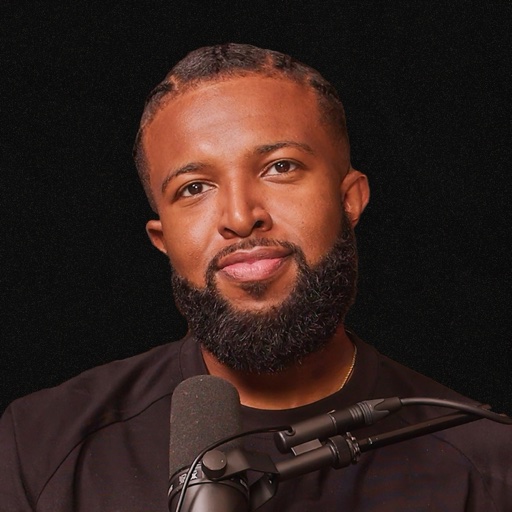 The Calum Johnson Show
The Master Storyteller EXPLAINS How To Build A $1M Brand, Not Just A Business! (5 Step Framework!)
 Summaries, chapters, transcripts, and FAQs on this page are made by uListen, not YouTube.
Great conversations run long. Their best ideas don't have to.
uListen is free on iPhone, iPad, Android, Chrome, and Claude.
See howTranscript
110 min read · 22,353 words- 0:00 – 2:08
Intro
- KKKane Kallaway
Anyone who wants to be successful in business has to go through the period of building something that no one wants. I did that four or five times, and at some point you're like, "I gotta stop doing the building and focus more on the creation of attention." All I did was make a video a day and posted it. I grew from, like, zero to 300,000 followers. People want you to be their favorite, and people's favorite is the person that speaks directly to them. So you need to customize your messaging, customize the topics to cover the pain points that they specifically have.
- CJCalum Johnson
One of your most popular videos was how to master storytelling. Over a million people have watched that, which is insane. Talk to me about the importance of storytelling.
- KKKane Kallaway
Storytelling is probably the most powerful skill anyone could have. The key to storytelling is-
- CJCalum Johnson
Today's guest is Kane Kallaway, and interestingly enough, we actually filmed an episode 12 months ago. At the time, he had just left his consulting job to do content creation full-time. He had a couple hundred thousand followers across TikTok and Instagram, all organic, only doing short-form. And I remember sitting in that studio and thinking to myself, "This guy's really figured out short-form content." Little did I know he was just getting started. And so speaking to you today, he has over a million followers. He's just passed 100,000 subscribers on YouTube, and did it in five months. And so to give you guys the context, Kallaway is the person that I go to to anything related to storytelling, building an audience, and getting attention. And so if you're sitting at home listening to this, and whenever you post on the internet about your business, your idea, whatever you're building, it feels like you are yelling into the void. It feels like you're invisible even though you have something valuable to offer. We created this episode for you. Basically, what Kallaway goes through and breaks down is his five-step framework to getting a mass amount of people to care about what you're building, and it's so damn good. And so you know what? I'm not gonna say anything more. We're just gonna get into it. You're listening to The Calum Johnson
- 2:08 – 3:50
The Content-Attention blueprint will save you pain!
- CJCalum Johnson
Show. If someone's listening to this conversation, let's just say they stumbled on this video on their feed. They have no idea who you and I are, but what they do know is that whenever they post something on the internet, whether it's their idea, their story, their business, whatever the thing is, it gets no attention.
- KKKane Kallaway
Yeah.
- CJCalum Johnson
Like, they feel invisible, like they're just not hitting people. And honestly, like, it's a frustrating experience. And so with that in mind, where I wanted to begin is for that human being, what is gonna be the value to them of listening to this conversation that we're about to have?
- KKKane Kallaway
Yeah, that's a big one. I think at the end of the day, attention is one of the most important things in business. I think it's the most important thing, and so my approach, at least f- like mental model frameworks, are going to break down ... It depends on where we go with the questions, but it's gonna break down systematically high level what's broken, and then tactically what is broken, each piece, right? So, like, the way I think of things is break them down into atomic units, and then analyze each building block like a Lego brick, fix it, and then stack it back up so that it works. So I have, like, pretty deep views on every component of the content-attention workflow, and so we can pick apart and, like, really fundamentally break down those blocks all the way into the problems. And then I think if you're watching this and you watch all the way through, hopefully this will be like a master class for the tactics, but also, like, the storytelling high level. And if you know both of those things, it's just a matter of reps after that.
- CJCalum Johnson
Mm, the consistency. You know what? And, um, it's funny, 'cause
- 3:50 – 10:44
This is why no one buys from you!
- CJCalum Johnson
I was watching, I was watching some of your videos this morning, and you always have this line in your videos of like, uh, "I'm Kallaway. I've got a billion views and a million followers."
- KKKane Kallaway
Yeah, yeah, exactly.
- CJCalum Johnson
And the, the thing is, 'cause I, I've known you for a little bit, it wasn't always like that.
- KKKane Kallaway
Right.
- CJCalum Johnson
And so I heard you say this on a podcast. I think you shot this podcast maybe, like, a year ago. You said, "When I think about business, it comes down to product and distribution. Can you sell it, and what are you selling?" And so I was doing a lot of what are you selling, but I was doing it to no one. And 18 month- uh, 18 months ago, I was like, "Fuck it. I'm just gonna go full audience." I knew nothing, and that's when I was working in consulting and posting a video every single day.
- KKKane Kallaway
Yeah.
- CJCalum Johnson
Can you, can you just talk to me, like, take us back to that point in time.
- KKKane Kallaway
Yeah, yeah. We've come a long way since then.
- CJCalum Johnson
We have come a long way.
- KKKane Kallaway
My, I feel like I'm like a caterpillar that's blossomed-
- CJCalum Johnson
[laughs]
- KKKane Kallaway
... many ti- like the metamorphosis many, many levels. Um, yeah, so, like, the way I- business is very simple at the base building blocks, right? So it's attention, funnels, and then offers or products. So it's like can I get someone to care, how do I get that person to care to the thing I'm selling, and then what am I selling? It's just those three things. A lot of people when they wanna build a business, they start with the what am I selling, which is natural, right? 'Cause you're like, "I need a product. What do people want?" Whatever. But you don't really spend a lot of time on the buyer at all.
- CJCalum Johnson
Mm.
- KKKane Kallaway
You spend time on the product. So when you do that, like I did for many years, you end up building things that people don't want, or you, you build something someone does want, but you can't get them to care, right?
- CJCalum Johnson
Mm.
- KKKane Kallaway
Because you, you haven't mastered the skill or the muscle of the attention side. And so what I figured out, I mean, really after failing so many times with the offer first method, I kind of zoomed out and just tried to look at holistically, right? Like, I can articulate this stuff much better now 'cause I've lived in the trenches as an entrepreneur for a while, but back then I didn't have these frameworks. But I, I did kind of zoom out and say, "Why don't I just focus on the skill of getting people to care period-
- CJCalum Johnson
Mm
- KKKane Kallaway
... and just learn that? And if I can learn that, I can then ask them what they want and build what they want. But I have to know the skill of getting them to care, 'cause even if I knew what they wanted and I built it, I have to get them to it, right?" So I kind of just stopped doing the offer- offers, products, whatever. I stopped doing the building and focused more on the creation of attention. How do you harness attention? How do you story tell? How do you get people to really care about anything you want? And that's what started me down this journey of like, okay- You go into formats and platforms. So I picked short form video to start, but that was just because I could iterate my learning the fastest, which we, we talked about a lot in the last pod. But I, but I kind of at a, at a blank slate level, you have all these social platforms, you have all these different formats. You can pick any of them to start, but you have to figure out how to win the game, the content game is what I call it, on that platform. When you figure that out, then you can harness attention, you start to build that muscle. Then as that attention accrues, which is a following or an audience, you can then start to ask them through interactive, whatever, comments or live calls or stories or whatever, ask them what they want, and then you can start to identify where is there a gap, what can I build, and kind of build the bridge, right?
- CJCalum Johnson
Mm.
- KKKane Kallaway
As a beginner, if you're watching this, the fundamental mistake I made for a long time is I started at the end with the product, when what I should have done is started with the buyer, analyzed what the buyer wants, and then both figure out what to build for them and also how to get them to care.
- CJCalum Johnson
Yeah. You know what? When, if you're in that position where like... And I know it firsthand, 'cause I remember like the first business that I tried to start was a T-shirt business, and I spent like six or seven months just trying to get the design perfect.
- KKKane Kallaway
Yeah, yeah.
- CJCalum Johnson
And then once you're ready to launch, there's no market for it.
- KKKane Kallaway
Yeah, it's crickets.
- CJCalum Johnson
And it's actually like this deeply frustrating kind of lonely experience.
- KKKane Kallaway
Yeah.
- CJCalum Johnson
Because you're like, "I've created this thing" that in your mind it's almost like a masterpiece. You're like, "I've put so much work into it. I think it's valuable to people. I think they should like it." But they just don't-
- KKKane Kallaway
They just don't
- CJCalum Johnson
... care.
- KKKane Kallaway
Yeah, because really, 'cause you're making that for you, you're not really making it for them, right?
- 10:44 – 24:32
How to identify your WHO
- CJCalum Johnson
Yeah. You know what? Let's, let's just get into it, 'cause I wanna, I wanna give people that blueprint and that five-step framework of how they can get people to care about what they're building.
- KKKane Kallaway
Let's do that.
- CJCalum Johnson
Okay. And so you know what? I wanna start with, uh, I wanna start right in the beginning with step one, which is identify exactly who you're trying to reach. It's the who. So before you create content or build a product, you have to start with a deep clarity. Who is this for? And so really where I wanted to start is like, I think that when you're starting out building something, that might actually be one of the toughest questions.
- KKKane Kallaway
The who?
- CJCalum Johnson
Because the, where, where your mind naturally goes, and it's where my mind went, and it was my mistake, it's like, "Well, I want everyone to wear my T-shirt."
- KKKane Kallaway
Yeah, yeah.
- CJCalum Johnson
"I want everyone to watch my content. I want..." Like-
- KKKane Kallaway
Yeah
- CJCalum Johnson
... we a- we instantly go everyone.
- KKKane Kallaway
Yeah. So, so to, to build, in that sense, to build on the warehouse analogy, imagine you had somebody go up on the lift that could only see green, which represents like a niche buyer. Then building a, a shirt that's white, they won't see.
- CJCalum Johnson
Mm-hmm.
- KKKane Kallaway
So you, you want your shirt to be green if you're sitting in the warehouse. And so that, what that means is, like there's a pr- it's really just a silly metaphor, but a proxy for specific buyers buy more often when you're targeting a specific pain point that they ha- or a set of pain points that they have. If you build something for everyone, the, there's a good chance that the pain point you're addressing is general.
- CJCalum Johnson
Mm.
- KKKane Kallaway
It's too generalized. So like are there companies that make blank white T-shirts that have one? Yes, but that's a way harder market to, to beat them at, because they have network effects and like escape velocity advantages, versus if- You identifying a person or a group of people, mapping the workflow or, like, whatever they do, picking where they struggle, and then making a product to solve that struggle. That's really, like, the essence of the who. And in terms of, like, you know, there's so many types of people that are watching this in terms of the businesses they have, right? Some people are just creators that are trying to grow media brands. So who is the, who is the buyer? The buyer is the viewer in that, in that case. And the viewer, you don't wanna make content that everybody... Is for everybody because-
- CJCalum Johnson
Mm
- KKKane Kallaway
... it's not going to cut through in a deep way. People wanna be- You- People want you to be their favorite, right? And people's favorite is the person that speaks directly to them. So you need to customize your messaging, customize the topics to cover the pain points that they specifically have. So if you're a creator, the buyer is the viewer, and the viewer needs to be a specific profile that you can speak to. Typically, creators are best when they can resonate with themselves. Other- Like, a pr- the viewer as a proxy for themselves, 'cause they know their own problems really deeply, and so they can talk about those in content. For business owners, the buyer has... I mean, you don't, like I said at the very beginning, you don't wanna start with the product before you have the buyer 'cause you don't know what pain points the buyer has. But step one, if you wanna cut through with anything, is you have to get intimately familiar with who that buyer is. Demographics, background, psychographics, where they hang out soc- like, digitally. Which platform are they on? What are the memes they like? Like, you really need to create this, like, 360 profile of the buyer so that you can understand, and this is the important part, the workflows that they spend their time doing and the struggles and pain points that they have within those workflows. When you can identify those-
- CJCalum Johnson
Mm
- KKKane Kallaway
... that helps with the content 'cause you can story tell around it, and it helps with the product because you can build to solve it, right?
- CJCalum Johnson
Yeah. It's such a, it's such a good point, and I think the... I remember, um, I remember actually reading... The, the way that I got introduced to this, especially on, like, the psychology level, was a lot through looking at, um, Alex Hormozi's content.
- KKKane Kallaway
Yeah.
- CJCalum Johnson
And the fact that, like, we just like people or we like things that it feels like it was made just for us.
- KKKane Kallaway
Yeah, exactly.
- CJCalum Johnson
It's like the... It's like, why does, why do people wanna go on, like, first class? Or, like, why do people wanna fry private? Like, that's a dream for a lot of people.
- KKKane Kallaway
Yeah, yeah.
- CJCalum Johnson
Like, one day I can fly private 'cause it's just you.
- KKKane Kallaway
Yeah, it's like a personalized-
- CJCalum Johnson
On the- It's personalized just to you.
- KKKane Kallaway
Yeah.
- CJCalum Johnson
And you will pay thousands of times more for the same journey.
- KKKane Kallaway
Yeah.
- 24:32 – 29:18
Sell personal solutions!
- KKKane Kallaway
why that works so well is because you know the pain points so well because you lived the struggle of having that pain, right?
- CJCalum Johnson
Mm.
- KKKane Kallaway
It's like there's a reason why when a lawyer starts a, a legal AI startup that it's gonna beat a rando who wasn't a lawyer. There's a reason why that happens. The reason why is 'cause the lawyer lived the arc of the buyer, which is the lawyer, like lawyers.
- CJCalum Johnson
Mm.
- KKKane Kallaway
They know the pain points mu- that's why you want subject matter expertise. So if you're watching this and you're 22 and you feel like you haven't really lived any pain point, whatever arcs- You gotta go build a skill first. Before you build a business, build a skill and learn the intricacies of what is tough about learning or applying that skill. Then now you have this user journey that you've lived. Very easy to build a business solving one of the points, pain points when you know what they are, right?
- CJCalum Johnson
Mm.
- KKKane Kallaway
So that's a, that's a crit- a critical thing people miss. They immediately they say, "I wanna make money." Well, what skill do you have? None. Well, what pain points are you aware of? None. So it's like what are you gonna sell to solve a pain point that you're not aware of, right?
- CJCalum Johnson
Mm-hmm.
- KKKane Kallaway
Like, you have to start with the journey of developing the skill to map the pain to come up with a solution to build the product. That's, like, the logical flow.
- CJCalum Johnson
Mm.
- KKKane Kallaway
A good example is, so we're building, uh, SandCastles.ai, is, shameless plug, is our-
- CJCalum Johnson
[laughs]
- KKKane Kallaway
... software, right?
- CJCalum Johnson
Yeah.
- KKKane Kallaway
And so the whole goal with that was, like, I went through the process of trying to make content. Scripting takes a long time, 60 to 90 minutes per video to get really good. I became a master at scripting. I tried to help people with it, but it takes so long to explain on a one-to-one level, so I was like let me just build a software that automatically takes everything I know about articulation, psychology, persuasion, scriptwriting, put it all in and just does it for people. That's an example of, like, the only way I would know how to build that is if I was in the trenches writing scripts for a year every day-
- CJCalum Johnson
Mm
- KKKane Kallaway
... knowing where things were breaking. That's the only way I could do that, right? And so it was only then after doing that, solving it, te- pressure testing the methods, and putting in product that I realized, like, yeah, you really can't build a thing unless you're intimately familiar with the problem set. And the best way to get intimately familiar with the problem set is to live the problem yourself-
- CJCalum Johnson
Yeah
- KKKane Kallaway
... right?
- CJCalum Johnson
You know what's funny? It's literally as you, you said it perfectly, and I was, I was just about to add to it, is, um, and we're kind of almost like we're, like, free styling. Like, we're-
- KKKane Kallaway
Yeah. [laughs]
- CJCalum Johnson
... coming up with it, like, right in this moment.
- KKKane Kallaway
The frameworks.
- CJCalum Johnson
It's like you have to have lived, like, lived the pain.
- KKKane Kallaway
Yeah.
- CJCalum Johnson
And it's like, and it, and it's back to what you were saying about edge, you know? And I think what you say is true is, like, and I felt this, is, um, I remember there, there's a quote by Nipsey Hussle when he talks about this. He's like, um, "A lot of the reason that people don't, like, go after their dreams or they don't build the thing that they want is because, uh, their ribs are touching." And basically what he means is is, like, you're kind of in this survival mode, or you're like you have such a certain outcome in your mind that you're pursuing that you're almost, like, trying to rush the result.
- KKKane Kallaway
Yeah, yeah.
- CJCalum Johnson
And it's like one thing you can't, you can't rush living the pain.
- KKKane Kallaway
Yeah.
- CJCalum Johnson
'Cause when you've actually lived the experience of, like, the pain points, it's very difficult. Like, that's an edge.
- 29:18 – 37:03
The blueprint to get your ideal customers to notice you!
- CJCalum Johnson
Step two, and I remember you mentioned it on our call. You spoke about surfaces. Find out ... It's the where. It's find out where they already hang out.
- KKKane Kallaway
Yeah.
- CJCalum Johnson
Where does this customer, where do they hang out? You need to know where they are. Are they watching YouTube tutorials at midnight? Are they scrolling TikTok after work? Are they subscribed to niche newsletters? Your job is to show up where they already are and hit the medium they trust with consistency.
- KKKane Kallaway
Yeah. Like, it's hard to know where they are if you don't know them, right? So step one is you gotta know them, and then step two is, like, immediately ... The beauty of social media is there's only a few options, right? You only have six or seven platform options. You only have a couple different formats. Short-form video, long-form video, text, audio, image. Those are your only formats, so, like, you, you can, you can pretty much profile where these people are in a couple ways. One, if you're them, chances are what you, where you like to hang out, they like to hang out, and you probably already know that. If you're, if you're not them, you ask a small sample set of your early customers or the people that you're trying to interview where they hang out.
- CJCalum Johnson
Mm.
- KKKane Kallaway
And, like, wherever they are, you then have to immerse yourself in that community. So let's say it's, like, it's LinkedIn. You l- the people you want are on LinkedIn. Immediately you need to go follow a bunch of people that are in your exact avatar group. Start commenting on their posts to start kind of triggering the algorithm to angle yours- yourself, your profile at them. Then you need to start making video native content on that platform. So either short-form or long-form video is gonna outkick everything else. It just will. That's where all the platforms are going. LinkedIn doesn't have native long-form video, so- You'd, you'd do short-form video 'cause they have their native short-form feed and you just start making short-form videos, and we'll get to that, like, these are later steps, but you pick the surface, LinkedIn, you pick the format, short-form video, and you just immerse in that sub-community. You can build, anyone can build an eight-figure business using that method. Who the buyer is, find the one format they're on, or find the one platform they're on, find the format they're on, and then I'm sure we're gonna get into three, four, and five, which is actually how you do it.
- CJCalum Johnson
Mm.
- KKKane Kallaway
But this is, like, the, this is the setup, right? This is the strategy setup for, like, how to actually make sure your effort is useful and not wasted.
- CJCalum Johnson
Yeah. You know what? There, there's different... And, and if we-
- KKKane Kallaway
[laughs]
- CJCalum Johnson
... just take it right down to the base, there's different forms of communications as humans, right? Like, obviously we have video, which is, like, a mixture, I guess, of, like, uh, verbal and then, like, visual. You have just audio, which is just you're listening. You have written. You said something very interesting there. You said native video.
- KKKane Kallaway
Yeah.
- CJCalum Johnson
That's the way it's going.
- KKKane Kallaway
Yeah.
- CJCalum Johnson
C- can you elaborate on that for people?
- KKKane Kallaway
Yeah. I have this, like, [laughs] fairly lame phrase that, like, people, people say, like, "A picture's worth a thousand words," and then I say, like, "A video is worth a thousand pictures," right?
- CJCalum Johnson
Yeah.
- KKKane Kallaway
And so, essentially, video's just way richer of a medium. You just take in so much more data when you're watching a video. Trust accrues when you take in more data faster. So if, if people watch this for five minutes, you've probably gotten 1000x more trust accrued than they would if they read, that same amount of people read, like, a blurb that you wrote in text. 'Cause it's just not as real when you're looking at the words as it is compared to video.
- CJCalum Johnson
Mm.
- KKKane Kallaway
So video p- p- like, first, you have to agree or b- buy into the fact that video is a richer medium than image, than text, right? That's step one. Then step two is when I say native video. The platforms are built to keep people on, right? The whole business of social media is they make money when people stay using it so they can run ads against them. That's, like, their whole job. So the algorithm's job is to prioritize whatever format are, is gonna keep the people on the longest. That turns out to be video. And so that's, that's the second piece. Like, we've bought into video. Now we've bought into the fact that all algorithms are prioritizing video. The next thing is the native. So platforms want you to stay on their thing. They don't want you to leave and go somewhere else. So LinkedIn has a short-form video feed built into it, so that's, like, native on LinkedIn. But if you were to post a long-form video from YouTube on LinkedIn, I, I think you can maybe upload a long form on LinkedIn, but most people want to link to YouTube. If someone were to click that link, they leave LinkedIn and go to YouTube. That means LinkedIn doesn't get the ad revenue anymore from that person. They don't want that.
- CJCalum Johnson
They're losing.
- KKKane Kallaway
So-
- CJCalum Johnson
Yeah
- KKKane Kallaway
... they don't want you to link out. So the easiest way to get them to push you, because you'll help keep people there, which is what they want, is to use their native video products. Instagram, Reels is native. TikTok, the TikTok video is native. YouTube, long form and shorts are native. I think long form is way more powerful on YouTube. LinkedIn, shorts. Twitter doesn't really have native video either way. Like, you can post both. I think Elon's trying to get long form to become native-
- CJCalum Johnson
Yeah
- KKKane Kallaway
... and so they're kind of boosting long form. Twitter is kind of a little bit of a weird one. Facebook, Reels, but you can also upload native kind of long form in there as well. Uh, and then I think I may have missed one, but I think that, I think that's all of them. So there is a native video, except for Twitter, on every single one of them, and if you want the best bang for buck, 80/20, like, do 20% of the work, get 80% of the results, it's native video on the platform where your buyers live. That's, like, step one and two.
- CJCalum Johnson
Yeah. In terms of the, the surfaces themselves, 'cause I, I know I had it when I was starting out, is you have that question of, like-
- KKKane Kallaway
Which-
- CJCalum Johnson
... which platform do I choose? You mentioned... I know there's all the ones that we always hear, right?
- KKKane Kallaway
Yeah.
- 37:03 – 46:39
Storytelling is the most important skill in business
- CJCalum Johnson
where I want to begin is in the last six months you have gone from zero to 100,000 subscribers on YouTube.
- KKKane Kallaway
Yeah.
- CJCalum Johnson
And one of your most popular videos was how to master storytelling. Um, one- over a million people have watched that, which is, which is insane. At that time even, how many subscribers did you even-
- KKKane Kallaway
When I posted it, I had less than 1,000.
- CJCalum Johnson
That's crazy.
- KKKane Kallaway
Yeah. To be fair, that video had been made... Well, actually, the video had been made six months before, and I posted it on a different channel. It didn't do well.
- CJCalum Johnson
Mm-hmm.
- KKKane Kallaway
So all I did was take the same video, re-thumbnail it, but-
- CJCalum Johnson
Yeah
- KKKane Kallaway
... the algo was different, obviously. I, like, audience matched my new channel, which we could get into, but-
- CJCalum Johnson
Yeah. We, we will get into that, but you know what? Just to, just to begin and to level set, storytelling.
- KKKane Kallaway
Yeah.
- CJCalum Johnson
Storytelling is one of those things that, like, I know especially before I really got into content, you just hear everyone talk about storytelling, and it's not even just marketers. It's, like, entrepreneurs. It's like, "Oh, Steve Jobs was an amazing storyteller."
- KKKane Kallaway
Yeah.
- CJCalum Johnson
And then you'll hear, like, a film director, like it's all about storytelling, and then a musician, and then, like, everyone talks about storytelling. And I'd always be like, "What's this thing?" It's like one of those, like, overused terms that we-
- KKKane Kallaway
Yeah
- CJCalum Johnson
... just hear.
- KKKane Kallaway
The invisible ghost.
- CJCalum Johnson
Literally. [laughs]
- KKKane Kallaway
[laughs]
- CJCalum Johnson
That's a good way to put it. Talk to me about the importance of storytelling.
- KKKane Kallaway
Yeah.
- CJCalum Johnson
Like, why is that so important when it comes to getting people to care about what you're doing?
- KKKane Kallaway
Yeah. I mean, s- storytelling is universally, like, probably the most powerful skill anyone could have, so we're gonna dive, you know... Like, I, I was thinking before I came here, like, how am I gonna tee up the intro? I was like, "Do you want me to tell you the secret about storytelling?"
- CJCalum Johnson
[laughs]
- KKKane Kallaway
"I'll give it to you right now." [laughs] That was in the intro.
- CJCalum Johnson
Give me my hooks.
- KKKane Kallaway
Yeah, yeah.
- CJCalum Johnson
My editor will be happy.
- KKKane Kallaway
So storytelling essentially is a bucket of things, but it's persuasion, it's psychology. It's really getting someone to care and keep caring about the thing you're saying, right? Through anything. Story- you can storytelling through music, and it's like, do you wanna keep listening to this song? Storytell through books. Do you wanna keep reading? Storytell through video. Do you wanna keep watching? It's just what is the... It- storytelling, storytelling is, like, the magnetism that keeps people holding on to-
- 46:39 – 50:20
How to become a master storyteller (its painfully simple!)
- CJCalum Johnson
to make it tactical for people because in that video that you had, How to Become a Master Storyteller-
- KKKane Kallaway
Yeah
- CJCalum Johnson
... you, um, you show this clip from the makers of South Park.
- KKKane Kallaway
Yeah.
- CJCalum Johnson
Um, and-
- KKKane Kallaway
Banger, banger clip.
- CJCalum Johnson
Yeah. And c- can you, can you break that down? Because they have like a very specific way that when it comes to like the scripting-
- KKKane Kallaway
Yeah
- CJCalum Johnson
... like actually creating, they make sure that they have those beats where it's kind of, it's keeping the audience off balance.
- KKKane Kallaway
Exactly. And th- so their lesson in this, uh, which is fu- they were teaching it like at NYU in some lecture. Uh, their lesson is you wanna use the words but, therefore instead of and then, right? So the whole, their whole thing is like if you tell, in an episode of South Park or any show, if you tell the episode, you know, this, the character did this and then they did this, and then they did that, and then they did this, and you're basically, it's like a list, that just gets boring because even if the things they're doing are kind of interesting, the presentation is like a straight line down. The story arc or direction is a straight line down. But therefore is embedded contrast in words, right? So it's like the character did this, but then something happened, therefore they changed their trajectory. The character was going, but then something else happened. So it's, it's more zigzag, right? It's, it's like straight line versus zigzag. And that, you don't have to force the word but, like there's other ways to create contra- other words to create contrast, but but is a really good one because it's a little onomatopoeia in a sense where it sounds sharp and it stops you with just the sound, but then the meaning of course also means like contrasting items.
- CJCalum Johnson
Mm.
- KKKane Kallaway
So you get like a double, double bonus. So if you watch my videos, a lot of the times I'm like, "Here's the thing that happens, but that's not even the interesting part. The interesting part is over here," right? I'm always like shifting where I want you to-
- CJCalum Johnson
Mm
- KKKane Kallaway
... like pay attention, because that shift is what holds attention.
- CJCalum Johnson
Yeah.
- KKKane Kallaway
Right?
- CJCalum Johnson
Onomatopoeia, I ain't heard that in years.
- KKKane Kallaway
Yeah. [laughs] Yeah, yeah.
- CJCalum Johnson
You know what? Actually, in one of your, um, in one of your videos you did it really well. Uh, maybe you can actually speak to it. You, um, you were talking about Stanley Cups.
- KKKane Kallaway
Yeah, yeah.
- CJCalum Johnson
Like this explosion in the demand which I think we've all seen. Like my sisters have Stanley Cups, they fucking love it.
- KKKane Kallaway
Yeah.
- CJCalum Johnson
But you did this video like breaking down like Stanley Cups and the explosion in their popularity.
- KKKane Kallaway
Yeah, yeah.
- CJCalum Johnson
And it was like very much you could see that-
- KKKane Kallaway
Yeah
- CJCalum Johnson
... framework, right?
- KKKane Kallaway
There were like three or four moments where I said like, "This happened, but then this happened." The best one was at the end where it's kind of like- I was able to... So when you're, when you're trying to make content, the best thing to do is coast off of other contrasting B-roll moments that you have and, like, just story tell around them. So there's one with Stanley that's, like, super famous, it got, like, millions of views, where this lady's car was burning, and she had a Stanley cup in the cup holder. And so she was like, "Oh, my car." And like the f- you could see the flames and, like, the metal was melting. And then she, she re- like the video cuts, hard cuts, and she's, like, reaching in to, like, the charred car, and she pulls out the Stanley and shakes it-
- CJCalum Johnson
[laughs]
- KKKane Kallaway
... and there was ice still in it. Like, it's just, like, the best marketing.
- 50:20 – 56:25
2 aspects of PERFECT storytelling content.
- CJCalum Johnson
that as well, of like, just because we, we do this all the time, you naturally start to communicate in that way.
- KKKane Kallaway
Exactly.
- CJCalum Johnson
Like, you're constantly doing the head fake.
- KKKane Kallaway
Yeah.
- CJCalum Johnson
But, like, there's- there's definitely, like, a ramp-up process, and you almost have to become cognizant of, like, when am I falling into, like, the and then form of... Well, it's not even storytelling, it's just, like, describing events.
- KKKane Kallaway
Yeah, ta- Yeah, talking. [laughs]
- CJCalum Johnson
Yeah.
- KKKane Kallaway
Yeah.
- CJCalum Johnson
Can you, can you speak to, like, to the person that's just starting out on this-
- KKKane Kallaway
Yeah
- CJCalum Johnson
... what was even your process in the beginning of actually... Like, you might have a s- an initial draft of a script that you've created-
- KKKane Kallaway
Yeah
- CJCalum Johnson
... but actually making it an interesting story. Like, are you literally going in and putting in "but" and "therefore"? Like, what was, what did it look like in the beginning, before you got to the point where now you're probably pretty unconscious, right?
- KKKane Kallaway
Yeah.
- CJCalum Johnson
Like, it's you're naturally doing it.
- KKKane Kallaway
Well, the good, the good thing is, like, and not, not to, not to plug this so hard, but if- if you are struggling with this, that's why I built SandCastles. 'Cause you don't have to learn how to do it yourself. I- we'll just do it for you. Like, we-
- CJCalum Johnson
Mm
- KKKane Kallaway
... this is an example of, like, this principle of but then or but therefore, and then, we- I coded that into the software so that it automatically does it for people so that their stuff is just better.
- CJCalum Johnson
Mm.
- KKKane Kallaway
Right? So that's one way to automatically do it. But when I was starting out, like, when you're doing anything, you- you try a bunch of times, fail a bunch of times, and then you try to look at who's winning and analyze the pattern. Not necessarily, like, the sauce, but the underlying framework. 'Cause the sauce is hard to replicate, but the base units are able, you're able to extract the pattern. So I think, like, I just tried a bunch of times, was failing. I was kind of watching people story tell, and then naturally, like, I had a couple winners happen, luckily. So then I tried to analyze the pattern of the winners. It's like, oh, whenever I have a, whenever I go A, then B, like, a A, but B, or, like, I, whatever, then, but. It doesn't matter what word you use, but, like, this way, then this way. It seems to work well to hold them. So then I started doing that more. Those also worked, and it trained me that that pattern was there. The thing I was gonna say for a beginner is there's really two things with this you have to master. Knowing the contrast using but or some other word is part one. That's actually the easy part, 'cause we've- I've just said that. I've just to- the an- you have the answer now. The hard part is knowing what thing to contrast against with what other thing, right?
- CJCalum Johnson
Mm.
- KKKane Kallaway
That's the hard part. So, like, if we were trying to describe your show, we would have to have a list of, like, what are the few things that make it interesting, right? So we, we have to come up with those things. Then we'd have to think what are the baseline expectations that most people would think about it-
- CJCalum Johnson
Yeah
- KKKane Kallaway
... without knowing anything about it, and try to pick the best, the biggest distance, right?
- CJCalum Johnson
Mm.
- KKKane Kallaway
So you're, like, matching each of them, and you're like, "Okay, which is the biggest distance?" That's how you decide A, then B. But it's easy to contrast once you... Like, it's easy to create the contrast with the word but, picking the things is actually the sauce, right?
- CJCalum Johnson
Yeah.
- KKKane Kallaway
That's the hard part.
- CJCalum Johnson
And that's pr- I would assume, and it'd be interesting to see what you think, but, like, I would assume that's just reps.
- KKKane Kallaway
It's just reps.
- 56:25 – 1:02:15
The invisible elements of storytelling
- CJCalum Johnson
you know what, I'm gonna, I'm gonna set you up with these two things. I think on the rhythm part it's monotony kills attention.
- KKKane Kallaway
Yeah.
- CJCalum Johnson
Right? That's the simple principle. And then on the tone, it's making viewers feel like they're in the room with you, being like deeply conversational. And you mentioned, um, you mentioned the point of Emma Chamberlain.
- KKKane Kallaway
Yeah.
- CJCalum Johnson
Of how she does these vlogs. And the reason that they caught wasn't necessarily because she's like so entertaining or interesting.
- KKKane Kallaway
Yeah.
- CJCalum Johnson
It's like she has this incredible conversational tone.
- KKKane Kallaway
Yeah.
- CJCalum Johnson
Can you, because when we think about storytelling, we don't think about rhythm and tone at all.
- KKKane Kallaway
Not at all. Not at all.
- CJCalum Johnson
Can you, can you-
- KKKane Kallaway
Why-
- CJCalum Johnson
Why was that part of the video?
- KKKane Kallaway
That's the thing, is there are so many invisible elements that make up good storytelling that people don't clock unless you break it down into those units. So rhythm, the g- the good thing is rhythm is something you can easily fix. Tone is very tough. Tone is like a, it's like a skill, a gift. You can work on it, but like it's, it's harder to come up with. So rhythm is, and I guess to some extent rhythm is that, that way a little bit, but rhythm is essentially like when you speed up and slow down. It would be like if you know basketball, like Luka's got amazing brakes.
- CJCalum Johnson
Mm.
- KKKane Kallaway
So he's, his rhythm of play is off balance really to everyone else, which is why he's so good, because he can speed up, slow down way fa- way, way more smooth, like smoothly.
- CJCalum Johnson
Mm.
- KKKane Kallaway
Uh, smoother than other people. So th- the way in content to adjust for rhythm is you wanna just vary the length of your sentences if possible. So instead of using just like short, short, short, short, short, short, you wanna do like short, medium, short, short, long, short, medium. You wanna vary the rhythm. I g- I'm using the word to define it, but you wanna vary the length of the sentences because what that does is when you deliver and read a sentence, people tend to speed up in the middle of the sentence and slow down at the end, right? 'Cause like the period's coming, and so when you, when you read a sentence, you're kind of like da-da-da-da, da-da-da-da. That's kind of how people read it. So if you force the length of the sentences different, you'll have different cadence from one sentence to the next. The thing I talked about in the video, which I think is a pretty good tip, I got this from, uh, Gary, Gary Provost. Actually, I don't think he talked about the jagged edges thing, but I got the rhythm thing from Gary Provost, some writer. But the, what I do is when you write your script, each line is a separate kind of sentence in the doc. When you look down the end of the sentences, it should look like a jagged line.
- CJCalum Johnson
Mm.
- KKKane Kallaway
Like if you drew a line from period to period, it should be jagged. 'Cause if it's jagged, that means you have like long to short to medium to long, kind of jagged. If you draw a, a line down all the periods and it's straight, that means all the sentences are kind of the same length. The rhythm of you talking with the same length sentences will feel monotonous. It'll feel like it's just like da-dum, da-dum, da-dum-
- CJCalum Johnson
Mm
- KKKane Kallaway
... da-dum, da-dum, da-dum. It, it's like a, it's like a drum beat. It's like it's too monotonous.
- CJCalum Johnson
Mm.
- KKKane Kallaway
You need to keep people off balance. So that's the thing with rhythm. I will say like I, like I said, I was a rapper or I made rap music, so my voice works in a, in a different way. Like I'm able to really do quick, like da-da-da, like that, but then really elongate as well. You're good at that as well. That comes with time, and I think the best way to practice that is, the best way to, the best way to learn writing is something called copy work, right? So you like take the book, take a passage, and literally write, hand write word for word to learn how authors or writers pick word order. The best way to do this with speech and rhythm is, it sounds weird, but like take a video that you, that you like the person's rhythm, get the transcript, and like read it aloud as they do it. Like read it along.
- CJCalum Johnson
Mm.
- KKKane Kallaway
And you can kind of hear. You'll start to like, your brain will start to learn the patterns of how they do it. I made a video about like speaking that I had a couple of these in there, but it's just so, it takes a lot of reps to learn.
- CJCalum Johnson
Yeah.
- KKKane Kallaway
So that's rhythm.
- CJCalum Johnson
It's just like it's, it's crazy to me how deep it goes.
- KKKane Kallaway
It goes all the way down.
- 1:02:15 – 1:07:12
Framework to structure videos for engagement.
- CJCalum Johnson
Here's where I wanted to, here's where I wanted to go next, and this was another part of the video that I really liked, is the last dab.
- KKKane Kallaway
Yeah.
- CJCalum Johnson
And you do something really interesting in your content. [laughs] Uh, shout to the Migos.
- KKKane Kallaway
Yeah. [laughs]
- CJCalum Johnson
Um-
- KKKane Kallaway
The last dab
- CJCalum Johnson
... you start with the end. Can you explain what that means, start with the end?
- KKKane Kallaway
Yeah. Well, I try to ... And, and, and some of this has evolved over time, but I try to figure out wh- what I wanna leave the viewer with. I will say, like, 95% of the work should be focused on the hook, the first five seconds. And the, and I'll get, I'll get back to the last dab, but the reason why that's important is because the second someone bounces off the video, nothing else after that point matters. Like, MrBeast is famous for saying this with thumbnails. The thumbnails are shitty and no one clicks, all that work you put in the video doesn't matter, 'cause 95% of the people don't even see it. So increasing the thumbnail click-through by 1% on YouTube makes a huge difference. So to focus too much on the end, I do think is, like, a little bit of a wasted effort. It's the, it's the 80% effort for the 20% result. You wanna spend most the time at the beginning. However, when it comes to holistic storytelling, what I try to do is figure out first what the contrast thing I'm going to build on in the hook, then where I wanna leave the person. So, like, if they do watch the full thing, where, what are they leaving with? Are they leaving with the call to action I want? Are they leaving with the emotion I want? Is the payoff where it is? Are they gonna drive to a comment if I ask them a question? I try to think of tho- like the, the bread of the sandwich first-
- CJCalum Johnson
Mm
- KKKane Kallaway
... and then build out the middle. That's roughly a good way to think about stories. But I will say, I wanna, like, I'll correct ... If, if I ever said focus on the end more, I wanna correct now, which is, like, the, the out- the distribution of outcomes, you get a huge, huge return if you spend most of your time on the first five to 10 seconds for shorts or the first minute for YouTube.
- CJCalum Johnson
Mm.
- KKKane Kallaway
That's really one of y- where you wanna spend a lot of time. However, I, I'll talk about the last dab piece. There's really three ways you can end a video at the e- that, that work really well. One is, like, a soft CTA, obviously. We can skip that one. That's just, like, take an action, follow me, whatever. The two ways are open loop or closed loop. So an open loop is asking a question, either rhetorical or you actually want answers, that create a final curiosity loop. You're, like, opening it back up as they leave. So I did this in that, that Messi video a long time ago, where I was kinda like, "Messi broke the business of sports." I explained all of it, and at the end I was like, "But Messi's won, but could you imagine LeBron or Patrick Mahomes doing the same thing in their sport?" Like, I left that open.
- CJCalum Johnson
Mm.
- KKKane Kallaway
That created a huge dialogue in the comments, which created more virality. So it's like an open loop. A closed loop is the last dab, where it's like a defiant take. It could be a joke. It could be a, a wrap-up, but it's like you clo- like putting an exclamation mark on the closing, right? And so either way, they work, but you kinda wanna think of, like, what is the opinion I'm going to give on this ... 'Cause usually for videos, it's what happened, the breakdown of it, and then my opinion on why it matters. The outro comes right after the opinion. So when I say, like, think of the end, it's kind of like how are we hooking them, and then what opinion am I gonna kinda massage at the end, and which, which of those open or closers do I wanna, do I wanna open loop or closed loop do I wanna go with?
- CJCalum Johnson
Ca- can you think of an example of you doing that? I'm just thinking for the person that's listening at home, and they're like, "Okay, that conclusion or, like, that opinion of, like, this is going to close the show," like sometimes that can be, like, so difficult to even come up with that.
- KKKane Kallaway
Yeah.
- CJCalum Johnson
Like, can you think of an example of you doing that?
- KKKane Kallaway
Yeah. Uh-
- CJCalum Johnson
Or even seeing it in someone else's content.
- KKKane Kallaway
Yeah, like on ... For a YouTube video or for a short?
- CJCalum Johnson
Yeah. Uh, either one.
- KKKane Kallaway
Yeah. Well, at a principle level, the reason why this matters too, before I get into that, is y- you did so much w- if the, so if someone doesn't watch the full thing, you've lost them anyway. But if they do, the, for the 30% of viewers that do watch the full thing, you've put in so much work to, like, build that attention and hold it that you wanna leave them with something that's actually compelling so that the last thought is like, "Oh, that, that was pretty sick. I should-
- CJCalum Johnson
Mm
- KKKane Kallaway
... share this, like this comment, follow this person," right? So I guess the, the point of doing it is so that you can increase the value right up until the last second, and that value could be curiosity, entertainment, or something, something of, of actual value. Um, I'm trying to think of an example of me doing this. I mean, a lot of times the best videos I do, it is that open loop with a question-
- CJCalum Johnson
Mm
- KKKane Kallaway
... 'cause it's creating more dialogue. It's, it basically, for my tech and AI stuff, it's people coming to me to hear a crystal breakdown, a crystallized breakdown of what's going on, and then me explain from, like, a business strategy perspective how this might shift the world. And so I usually end with a question that's kind of like, "Do you think this will change X for Y group," or, "Do you think this will impact the way you do X thing," right? Like, kind of a few, there's, like, a few templates that I, I go with.
- CJCalum Johnson
Yeah. No, it's so good, and I think the, the open-ended thing, it makes sense why it works, 'cause you're building virality into the video.
- KKKane Kallaway
Exactly.
- CJCalum Johnson
Which is virality is just, it share, it's going, it's, like, viral. It's sharing.
- KKKane Kallaway
Yeah, yeah.
- 1:07:12 – 1:13:11
How to create a compelling hook
- CJCalum Johnson
You know, you mentioned hooks, and let's, let's talk about that. 'Cause you said like, you said 95%.
- KKKane Kallaway
Yeah.
- CJCalum Johnson
Right?
- KKKane Kallaway
I w- I would spend so much time on the... Like, I can do it very fast now, and the software can do it for you, so I kind of sprint through this. But if you're a beginner and you're like, "I have two hours to apply to this, how do I allocate my time?" You should be spending an hour at least, so that's 50%, an hour at least on the hook and getting that first five to 10 seconds dialed.
- CJCalum Johnson
Mm.
- KKKane Kallaway
And then diminishing after that.
- CJCalum Johnson
You know, I wanna get, I wanna get into the nuts and bolts of like, okay, someone spending an hour. They're like, "Okay, I've listened to this video-
- KKKane Kallaway
Yeah
- CJCalum Johnson
... I'm gonna spend an hour from now on, on the hooks, that first line in my video."
- KKKane Kallaway
Yeah.
- CJCalum Johnson
I wanna get into like what they're actually doing in that hour.
- KKKane Kallaway
Yeah.
- CJCalum Johnson
And this is something that you said in your video. You said, "Most creators open with vibe or mystery, like a cryptic hook or like a vague tease or an emotional reaction, without making the stakes or the story clear. Great storytellers let you immediately understand what's happening and why it matters."
- KKKane Kallaway
Yeah. So the good thing is, a lot of the building blocks for this we, we talked about in the storytelling piece, right? So it's like my, my hook formula for both Shorts and YouTube vary a little bit, so like I'll start with Shorts. It's the context lean, creating that contrast moment with but or therefore, creating that contrarian take. That's, that's all you have to do to hook. So context lean, immediately say what the video is about. So like if I'm ta- if I'm breaking down an AI tool, "This tool just changed this thing for this person," is like one way you could do it. Versus saying like, "I just saw something really cool and I gotta tell you guys about it." That's like a waste, right?
- CJCalum Johnson
Mm.
- KKKane Kallaway
That doesn't do anything. So immediately, first word should be talking about the context. Set the context rapidly. Then you wanna lean them into what they already believe, right? So if I say, "This AI tool will make, uh, is gonna change everything for designers," and I'm showing a thing on the screen of like making a graphic, maybe the way I get them, maybe that's enough, just that sentence to get them to lean. Maybe I also add a sep- sep- a second sentence that says like, "You used to have to take two hours to make a poster like this." Right? So that's me leaning in. It's like, "Hey, yeah-
- CJCalum Johnson
Mm
- KKKane Kallaway
... two hours."
- CJCalum Johnson
This is what you're used to.
- KKKane Kallaway
Exactly. And then saying, "But this AI tool did this in 60 seconds." Contrarian.
- CJCalum Johnson
Mm.
- KKKane Kallaway
You're hooked. If you're a designer or you wanted that outcome, which was creating that poster, you're watching 100%.
- CJCalum Johnson
Yeah.
- KKKane Kallaway
So it's, it's really that, it is really that simple. It's, you have to lay those bricks. And yeah, like I, I'll say this a million times, we [laughs] we do this automatically in the software. Like-
- CJCalum Johnson
Yeah
- KKKane Kallaway
... the software gives you four different hooks and four different outros to the last stab point automatically, and so it just does this for you. But that's the way you would do it for short-form. Long-form, there's a few more components. It's context. Stakes are really important, so like why this sp- pain point stakes, why this actually matters for this person. And then with long-form, you actually wanna layer on proof and plan. So I think proof and plan, proof is obviously proof, but plan, th- that's the f- five Ps I think comes from Hormozi. I had like different words for it, but we got to the same place. Basically, proof is why they should trust you. Plan is the plan you're gonna have in the video for explaining the thing. So it's like what are we gonna talk about? Storytelling. What is the pain point? Everybody thinks storytelling is hard, but I actually have a formula that makes it easy. Contra- that's the co- context lean, contrarian take. You can trust me 'cause I have a million followers and a billion views. Proof. Plan. Over the next eight steps, I'm gonna tell you exactly how to do it. That's the intro.
- CJCalum Johnson
Mm.
- KKKane Kallaway
Just do that. [laughs] Like that-
- CJCalum Johnson
That's, that's good
- KKKane Kallaway
... that's, that's the order, right? If you just do that, it basically just gets somebody out of their own way, gets them to anchors on what they believe, tells them you have something else, credentials why they should trust you, and then organizes the thoughts coming next.
- 1:13:11 – 1:16:27
Consistency is not enough
- CJCalum Johnson
I like, though? Because so often, and it can be frustrating, especially when things aren't working, is you hear the advice of like- Um, you know, I heard, uh ... And shout out to them, 'cause they're incredible at what they do. But like you'll hear like Kai Cenat or like streamers be like, "It's just the consistency. I was just consistent." It's like, yes, you were consistent, but you also had like a skill set and like things that you were doing-
- KKKane Kallaway
Yeah
- CJCalum Johnson
... that made it so that the consistency was eventually going to work.
- KKKane Kallaway
Exactly.
- CJCalum Johnson
And so, like-
- KKKane Kallaway
They had all these hidden skills that ... But, but that, that's the thing is their constraint is that they cannot articulate down the skills they do have, but they're amazing at applying them. So just keep-
- CJCalum Johnson
'Cause they're talented
- KKKane Kallaway
Yeah, exactly.
- CJCalum Johnson
They're so talented at the thing.
- KKKane Kallaway
And so w- to be A-list, if you're the best at applying them in the world, you'll be A-list. For me, I could just apply these for myself, but I don't really wanna be famous.
- CJCalum Johnson
Mm. Mm.
- KKKane Kallaway
Like, I don't, I don't want anyone to know who I am.
- CJCalum Johnson
Mm.
- KKKane Kallaway
Like, I wanna be rich and anonymous.
- CJCalum Johnson
Yeah.
- KKKane Kallaway
So I'd rather just help business owners behind the scenes. Like, I'm trying to be the guy behind the scenes who just has the answers and just tells people what to do, like gives them the playbook. That's, that's the archetype I wanna play. But the Kai Cenats of the world, they're so good at applying it, but they don't ... Maybe he d- maybe he could articulate it. I've never heard him, though, articulate at the base level how he does what he does, right?
- CJCalum Johnson
Yeah.
- KKKane Kallaway
But that's the whole thing. He's doing this. He just maybe isn't conscious of doing it.
- CJCalum Johnson
Yeah. But that, that's always, that's always the case with the best. I'm like could, could Steph Curry like ... Maybe he could. I don't know.
- KKKane Kallaway
Yeah.
- CJCalum Johnson
But like could he tell you the exact way that like he's like revolving the basketball-
- KKKane Kallaway
Yeah. Yeah. Yeah
- CJCalum Johnson
... and like the ... Maybe he could, but it's a diffic-
- KKKane Kallaway
It's a, it's almost a separate skill, right?
- CJCalum Johnson
Yeah.
- KKKane Kallaway
Like the, the doing and then the distillation of the doing are two different things.
- CJCalum Johnson
Yeah.
- KKKane Kallaway
You have to be good enough at the doing to know h- what to distill, but the distillation is a completely different, that's a completely-
- CJCalum Johnson
Yeah
- KKKane Kallaway
... different skill set.
- 1:16:27 – 1:25:06
You must survive the Dip! (Here is how!)
- CJCalum Johnson
know what? We, we did an episode a few weeks ago with Seth Godin, and right at the end of the episode, and it was so timely, he starts talking about, um, he calls it surviving the dip.
- KKKane Kallaway
Yeah.
- CJCalum Johnson
Which is like if you're trying to be great at anything or you want something to work, especially when it's something like it's a result that not many people get.
- KKKane Kallaway
Yeah.
- CJCalum Johnson
Like it's a rare result. You must be able to survive the dip.
- KKKane Kallaway
Yeah.
- CJCalum Johnson
Which is like that point where you're like, "I know that it's at this point."
- KKKane Kallaway
Yeah.
- CJCalum Johnson
But it's n- you're not getting the plaudits yet.
- KKKane Kallaway
Yeah.
- CJCalum Johnson
Like the people in the crowd aren't clapping for you yet, and it's like this distance which is like so difficult. And it's, it's very difficult when you're going through it not to like get disillusioned or like bitter on it.
- KKKane Kallaway
Yeah.
- CJCalum Johnson
Like you'll see, that's when you'll see people get like mad, right? Like they'll be like, "Oh, the reason that this person is winning is 'cause they have a following," or like they-
- KKKane Kallaway
Yeah.
- CJCalum Johnson
You get bitter because you're like, "I know that I'm here-
- KKKane Kallaway
Yeah
- CJCalum Johnson
... but I'm not getting the results."
- KKKane Kallaway
You need to-
- CJCalum Johnson
But-
- KKKane Kallaway
You need to continue the delusion, right? Like 'cause y- if your skills are, if you believe your skills are at an 8 out of 10 and they are and the result's at a five, you seem delusional.
- CJCalum Johnson
Mm.
- KKKane Kallaway
But you have to continue the delusion until the five raises to an eight. Now if you're actually at a two and you think you're at an eight, that's delusional in the wrong way, [laughs] so like then you have a problem. But I think using like logic and base common sense, like you can tell if your stuff is getting there. I think I, there's two frames that I have for th- there's really like two tough moments, right? One is, I call the artist gap, which I didn't, this is another thing that I came up with on my own, but then I was like, oh, Malcolm Gladwell has like something kind of similar to this where the artist gap is when you start out your taste is at a certain level, but your ability is at a level much lower. Like your taste is at a nine. You're like, "Oh, that's, I know what's good. That's good, but my ability is at like a two." That gap is never wider than at day one, and that sucks. Like that feeling-
- CJCalum Johnson
Painful
- KKKane Kallaway
... sucks, and so trying to close that gap is, is the tough part, number one. Now the beauty is most people realize quickly the only way to close that gap is to do the thing more. So you can kind of like get over the whininess in your own head of that.
- CJCalum Johnson
Mm.
- KKKane Kallaway
The second gap is what you describe, which is once you do close the gap but then results are still lagging, that dip, as Seth Godin describes it, that sucks 'cause there's nothing else you can do but ship more at that level and wait.
- CJCalum Johnson
Mm-hmm.
- KKKane Kallaway
And that just, that's, you're waiting for a, a lucky bounce, one random share. When it comes to content, like one random share, uh, the algorithm to favor you. Like there are some, a lot of things out of your control, but if your skills are at the level of at or above where your contemporaries are, it, it will even out.
- CJCalum Johnson
Yeah.
- KKKane Kallaway
You, you just have to keep going.
- 1:25:06 – 1:28:40
Why you MUST build an offer
- CJCalum Johnson
Yeah. You know what? Let's, let's round it out, and I wanted to go, I wanted to go to step five, which was build a feedback loop and layer in offers. Essentially, what you're getting at is, like, attention is just the beginning.
- KKKane Kallaway
Yeah.
- CJCalum Johnson
You know? You get the attention. You have the organic content, and, you know, someone will listen to this, and they'll apply it, and it will start working.
- KKKane Kallaway
Yeah.
- CJCalum Johnson
But then it's like you now need to capture some of that value.
- KKKane Kallaway
Exactly.
- CJCalum Johnson
Can you, can you talk about that?
- KKKane Kallaway
Yeah. So the ... I mean, this is a big realization that I think I was talking about at the beginning is, like- Value does not really accrue at the media layer. So, and I was just, I was just writing about this or making a video about this. You basically have three layers in the content or in the business stack, content stack. You have the platform layer, so Instagram, TikTok, LinkedIn. You have the creator layer, which is like us making the videos, the content layer. And then you have the offers layer, product services. The whole game is can the creator rent space for free on the platform to get people through to the offers?
- CJCalum Johnson
Mm-hmm.
- KKKane Kallaway
The most value is accrued at the offer layer. The second most value is accrued at the platform, like Instagram, LinkedIn, they get their rip. Very little value is accrued at the media layer. So in a way, the platforms are getting creators to make stuff for free or pay them little with AdSense that they then take a rip off of when advertisers pay. So those are the three levels. What you really wanna do is create a net, which is a product or service that you can then capture some of the value you're generating with attention, not maliciously, but like offering a product or service people need to solve a pain point they have. And so if you don't do that and all you focus on is getting views, you will have lots of followers and lots of views with $0.
- CJCalum Johnson
Mm-hmm.
- KKKane Kallaway
And like I think a crime of business content is people just don't say the truth. Like everybody's out here doing this to make money.
- CJCalum Johnson
Mm.
- KKKane Kallaway
Everybody wants to make money. Businesses are for-profit entities, right? So it's like I can wanna help people, of course, and I want everyone to grow, but I wanna make money just like everyone else. And so when you think of, when you're approaching content, if you don't think of the back half, which is the nets and the value capture, you're just doing yourself a dis- You're just doing work. You're like going down to the well, filling a bucket with water, pouring the water on the ground. You have like a little thimble. You're like, "Did I catch any?" [laughs]
- CJCalum Johnson
Yeah.
- KKKane Kallaway
He's like, "No, it's empty." He's like, "Oh, shit."
- CJCalum Johnson
Yeah.
- KKKane Kallaway
"Back to the well." It's like, yo, put a bucket on the ground when you poured some in, so you get some, right? And the, and the bucket are offers, and the funnel's to those offers. This is where like of the attention funnels offer stack, Hormozi is the best in the world, goated at offers and, and funnels, honestly. Where I'm trying to play most is the attention, and then just be good o- on my own at the offers.
- CJCalum Johnson
Yeah.
- KKKane Kallaway
But like I'm not trying to teach people about the offers and stuff. He's, he's, he's the best. Like if you really wanna learn like how do I sell the right product in the right way with the right business model, he's, he's the guy. Like just watch all of his free stuff. He's giving everything away for free.
- CJCalum Johnson
Yeah.
- KKKane Kallaway
But you need the net or else you're not gonna capture any value.
- CJCalum Johnson
Yeah. And you know, you know what it's like, um, it's why there's a, there's a lot of examples of creators with millions of followers and like very little revenue.
- KKKane Kallaway
Yeah.
- CJCalum Johnson
Like that, there are a lot of us, there are a lot of creators in this world-
- KKKane Kallaway
Yeah
- CJCalum Johnson
... like that.
- KKKane Kallaway
And it's 'cause they built no- they didn't build nets.
- CJCalum Johnson
Yeah.
- KKKane Kallaway
And they didn't think about the who at the beginning.
- 1:28:40 – 1:35:42
The easiest way to launch your offer
- CJCalum Johnson
But for the person that they've started following this advice, and they've started building a following, and they're even got that momentum of like step four of like the thing's working, and they're doing it again and again and again.
- KKKane Kallaway
Yeah.
- CJCalum Johnson
But they're kind of worried of like, okay, I don't have like an offer associated. From your experience, what have you have s- what have you seen is like the simplest, easiest way to get like an initial offer out there that at least like you'll start... Maybe you're not capturing the full value-
- KKKane Kallaway
Yeah, yeah
- CJCalum Johnson
... of like the, of what you're creating with your content, but at least you're capturing like a little bit of it and you can action it pretty fast. Like where do you typically-
- KKKane Kallaway
Yeah
- CJCalum Johnson
... where did you begin?
- KKKane Kallaway
Well, the be- the, the way to begin is you think about who the buyer is. You map their journey doing the thing that you're talking to them about. Every step in that journey has friction. How much friction depends on how painful the thing is. Pick the most painful thing and then build a product or service to solve that thing for them. The product could be software. It could be information. It could be a service where you actually do it for them. There's like a, a variety of business models. We can talk about like the benefit of certain models, but that's essentially the process. So like for me, I didn't build an offer for my tech and AI audience because I couldn't come up with the thing they wanted that I wanted to build.
- CJCalum Johnson
Mm-hmm.
- KKKane Kallaway
So I left that alone. I built a new audience for business owners. That's where y- YouTube started, email started, right? And I'm gonna have a short-form channel coming soon with marketing, but like let's just ta- take the YouTube channel. I have a huge audience of business owners that are trying to use content to grow. So what's their process? Their process is how do they make content today? How do they come... Like and it's the whole stack, right? It's like how do, how do... And it's a little bit meta, right? 'Cause I'm talking about how to make content. My buyer is trying to learn content, so it's like the same kinda thing. But for me specifically, it's what is the process that a business owner goes through to make content today? How do they come up with ideas? How do they research those ideas? How do they frame what to say about those ideas, that contrarian contrast piece? How do they script write? How do they record? How do they edit? How do they post? How do they grow it? How do they ramp the traffic off? All of those are like pieces in the business owner content map. So then for each of those, what could I build to solve the pain? I could've built, uh, an ideas product which we may or may not be working on. I started with the script writing 'cause I felt like that was the highest pain that I could solve. Couldn't, couldn't build an automated service for editing, so but if I wanted to solve editing, I would create a editing agency where I had a bunch of editors overseas. So you see what I'm saying?
- CJCalum Johnson
Mm-hmm.
- KKKane Kallaway
Like each one of those is a problem, and so it's like how, what's the best way to solve that problem? Certain ways, certain ways to solve it would be software. Certain ways are information, so like I have a full academy where an entrepreneur can come in and learn the whole thing. That's helpful. That whole housing just speeds up the process, but each piece is like difficult in its own way. And so for me, you have to think about how much would people pay to solve each piece of the process. I'm willing to pay three grand per editor to solve that, so that's like pretty high payment threshold. Script writing, maybe less, but like could I build something more scalable with software? So that's like, that's how I think about it is- Who am I building an audience for? Business owners. What are they trying to do? Make content. What is the process they're using to make content? A to B, A to Z. Of A to Z, A, B, C, every letter, where are they getting stuck? What can I build to get them unstuck? W- Are they willing to pay to get unstuck? And then how do I tell them about that thing? The beauty of telling them is I already have the audience, so I can just tell them-
- CJCalum Johnson
Yeah
- KKKane Kallaway
... "Hey, I built this thing."
- CJCalum Johnson
You know, you know what comes to mind? It's like, so you have the, you have the ideal, uh, avatar. You then h- can create or write out, brainstorm a list of, like, their friction points of, like, where they are now to where they want to be.
- KKKane Kallaway
Yeah.
- CJCalum Johnson
And then within that friction point, and this is what I heard in what you were saying, is like, you're really trying to figure out... Once you have those, that list of friction points, you're trying to figure out two things. One is like, what's the highest on, like, the pain ladder?
- KKKane Kallaway
Exactly.
- CJCalum Johnson
Like, what's number one?
- KKKane Kallaway
Yeah.
- CJCalum Johnson
And then also, for you personally, what would you like to build?
- KKKane Kallaway
Yeah. What-
- CJCalum Johnson
And, like, there needs to be an alignment, 'cause I can see people going, like, you could go for the highest pain point, but if you don't wanna build the solution, then it doesn't work.
- KKKane Kallaway
Exactly.
- CJCalum Johnson
So it's like both need to be there.
- KKKane Kallaway
Yeah. And I think that's, like, business model lifestyle fit is the what do I want to build, right? So it's like if you're desperate and you want money at any... You have $0, the best thing to do is just do a service where you do the work for them. You do the thing they w- they can't do for them.
- CJCalum Johnson
Yeah.
- KKKane Kallaway
So that's classic services agency.
- CJCalum Johnson
Agency.
- KKKane Kallaway
You can go from zero to 150, 200K a year easy, maybe even seven figures a year with a one-person agency. Just do it, depending on what, how valuable the skill is. And so that's the easiest place to start. If you have $0, start there. But for me, I, business model lifestyle fit, I don't want a job, so I'm not gonna do-
- 1:35:42 – 1:41:42
How to get ideas for your product.
- CJCalum Johnson
you mention that point of you need to immerse yourself in the community. Like, whatever this avatar that you're looking to build for, who you're looking to reach, that you want to care about what you're doing-
- KKKane Kallaway
Yeah
- CJCalum Johnson
... you need to immerse yourself in the community. And it, like, it makes sense once you provide the full perspective.
- KKKane Kallaway
Yeah.
- CJCalum Johnson
'Cause it's like, how would you know all of this information?
- KKKane Kallaway
Yeah.
- CJCalum Johnson
The only way you would know is 'cause either you're one of them or you're so deeply connected-
- KKKane Kallaway
Exactly
- CJCalum Johnson
... with one of them that you can understand all of this.
- KKKane Kallaway
And the best way to a- to... And so if you literally build a community, like for free, that's a great way, 'cause then y- they'll tell you.
- CJCalum Johnson
Yeah.
- KKKane Kallaway
Even in videos though, like I'll ask in videos, like, "Tell me what you guys want." And then in the comments, you get 100 comments, and 50 of them are about the same thing, is like that's what people want 'cause that's what they're struggling with. So there, you can... That's at scale. You could also do one-on-one interviews. But, like, you really can't build a sustainable business unless you know what people need.
- CJCalum Johnson
Mm.
- KKKane Kallaway
Period.
- CJCalum Johnson
Yeah. You know what? Here's what, here's where I wanna end, 'cause I just think about everything that we've, like, discussed in this conversation-
- KKKane Kallaway
Yeah
- CJCalum Johnson
... um, and who's it for and, and, and who's it gonna listen to it. And it's funny 'cause you even made this point during the episode. You're like, "You might be listening to this and thinking I'm a maniac."
- KKKane Kallaway
Yeah. I hope so. [laughs]
- CJCalum Johnson
[laughs] I feel like there's pro- there's probably a lot of people that are like, "Yeah."
- KKKane Kallaway
Yeah.
- CJCalum Johnson
"He, he does this thing."
- KKKane Kallaway
He's on one.
- CJCalum Johnson
And so, but like, and I said this to you in the beginning, I think the thing that I've always appreciated about you, and, like, we've even had conversations with this where I'm facing some sort of problem or, like, something's coming up in my business or with content or whatever, and I'll call you, and you will give me, like, this breakdown of, like-
- KKKane Kallaway
Yeah
- CJCalum Johnson
... the levels-
- KKKane Kallaway
What I would do
- CJCalum Johnson
... of thinking. Yeah, the how you would do it, the levels of thinking, what the problem is, what you need to solve. And so I think, though, where I want it to go, we spoke about the importance to you of, like, sharing all of this freely.
- KKKane Kallaway
Yeah.
- CJCalum Johnson
And you do that with your friends. You do that with people you know. You also do it on mass on the internet for everyone to see. If we fast-forward, I dunno, 10, 15, 20 years, what do you think or what do you hope is the impact of everything that you've shared, everything that you've learned- And then also taken the effort to share it with the world. Like, what do you think or hope is the impact of all of that?
- KKKane Kallaway
Yeah. That's a funny que- ... That's an interesting question. Like a legacy, like legacy question kind of or just like in the medium term?
Episode duration: 1:41:42
In the uListen app, the transcript lights up word by word as you listen. Get uListen
Transcript of episode uDhZa_RopqE


