By playing, you agree to uListen's Terms and Privacy Policy and YouTube's Terms of Service.
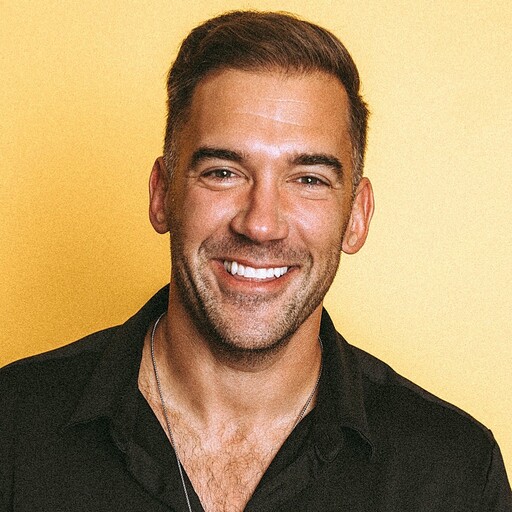 Lewis Howes
ADHD Expert: How To Hack Your Brain For Better Focus | Dr. Sasha Hamdani
Summaries, chapters, transcripts, and FAQs on this page are made by uListen, not YouTube.
CHAPTERS
- 0:00 – 1:02
Focus problems aren’t always ADHD: ruling out other causes
Dr. Sasha Hamdani explains that many different issues can fragment focus and mimic ADHD-like symptoms. She frames ADHD as something distinct from trauma- or anxiety-driven attention problems, setting up the importance of careful evaluation.
- •Trauma can fragment focus, but that doesn’t automatically mean someone has ADHD
- •PTSD and anxiety can also disrupt attention and behavior
- •Thyroid conditions and hormones are mentioned as other focus-fragmenting factors
- •The episode sets an early theme: distinguishing ADHD from look-alike symptoms
- 1:02 – 2:55
ADD vs. ADHD: outdated labels and the three presentations
Lewis Howes asks about ADD versus ADHD, and Dr. Hamdani says they refer to the same condition, with ADD being an outdated term. She breaks ADHD into inattentive, hyperactive, and combined presentations, and describes what each can look like day to day.
- •ADD is described as an outdated term for what’s now considered ADHD
- •ADHD is presented as three categories: inattentive, hyperactive, and combined
- •Inattentive traits include task initiation/completion difficulty, forgetfulness, and organization issues
- •Hyperactive traits include physical and verbal impulsivity and difficulty sitting still
- •Combined presentation involves both inattentive and hyperactive/impulsive traits
- 2:55 – 4:32
How ADHD is diagnosed and why it’s really a regulation issue
Dr. Hamdani walks through common diagnostic routes, from formal testing to clinical interviews and history-taking. She argues the name “Attention Deficit Hyperactivity Disorder” is misleading and that ADHD involves broader regulation challenges beyond attention alone.
- •Diagnosis can involve computer/neuro evaluations, therapists, primary care, pediatricians, or psychiatrists
- •Psychiatric diagnosis often relies on a detailed clinical interview and longitudinal history
- •Clinicians look for patterns over time and how life events or hormones affect functioning
- •She says ADHD is better understood as a regulation issue, involving attention, motivation, energy, and emotion
- 4:32 – 6:13
Medication vs. behavioral approaches: what treatment conversations should include
Lewis raises concerns about medication being the first response, and Dr. Hamdani describes a two-lane approach: behavioral/lifestyle strategies and medication. She notes stimulant medication can be life-changing for some people, while others do well with behavioral management alone.
- •Treatment is described as behavioral/lifestyle modification and medication
- •Best outcomes are often framed as coming from a combination, though not always required
- •Stimulant medication is described as life-changing for some, enabling behavioral changes
- •She emphasizes that an ADHD diagnosis doesn’t automatically mean medication is necessary
- 6:13 – 11:23
Genetics vs. trauma: what causes ADHD and how clinicians tell the difference
Dr. Hamdani says ADHD is primarily genetic, while acknowledging trauma and other factors can still fragment focus. She explains clinicians look for context and longstanding patterns to determine whether symptoms reflect ADHD or another cause.
- •She states ADHD is primarily genetic and not fundamentally caused by trauma
- •She explains her concern that a trauma-only framing can discourage parents from seeking evaluation due to guilt
- •Trauma, PTSD, anxiety, thyroid issues, and hormones are described as potential causes of focus fragmentation
- •Clinicians look for longitudinal patterns and whether symptoms are consistent from early life
- •They also assess whether symptoms cluster around trauma or metabolic/hormonal changes
- 11:23 – 14:35
Adult misdiagnosis and missing emotional regulation in diagnostic criteria
Dr. Hamdani argues ADHD diagnosis has been shaped by early research on hyperactive young males, leaving out internal experiences like emotional dysregulation. She describes how this gap contributes to people being labeled with anxiety or depression and cycled through multiple antidepressants before ADHD is considered.
- •Diagnostic criteria are described as historically based on observable behavior in hyperactive young males
- •She says emotional regulation difficulties can’t be easily observed yet may be central for many people
- •She notes Europe amended criteria to include emotional regulation (as she describes it), while the U.S. has not
- •She describes a common pattern: emotional turbulence gets diagnosed as anxiety/depression instead of ADHD
- •She shares examples of patients cycling through many antidepressants before ADHD is evaluated
- 14:35 – 17:27
Women and ADHD: late diagnosis, hormones, masking, and being dismissed
The conversation turns to why women are often missed or misdiagnosed. Dr. Hamdani connects this to criteria not built to capture adult women, hormonal shifts affecting dopamine and symptoms, and social pressures that encourage masking and compensation.
- •She cites a large gap in average diagnosis age between males and females
- •Many women first recognize ADHD traits when bringing in their child for evaluation
- •She links symptom worsening to hormonal shifts, describing estrogen drops coinciding with dopamine drops
- •Women may be dismissed with labels like “hormonal,” “postpartum,” or “mommy brain,” or treated for anxiety/depression
- •She describes masking: women learn early to compensate, which delays recognition and diagnosis
- 17:27 – 24:04
Rejection Sensitive Dysphoria (RSD): spectrum of emotional sensitivity
Lewis asks about rejection, and Dr. Hamdani introduces Rejection Sensitive Dysphoria as an intense response to real or perceived rejection or criticism. She explains emotional sensitivity as a spectrum from apathy/numbness to feeling things deeply, quickly, and for a long time.
- •Most people dislike rejection but can move on; RSD is described as more profound
- •RSD is defined as an intense emotional response to real or perceived rejection, criticism, or disappointing someone
- •She describes emotional sensitivity on a spectrum, with “normal” as mood shifting appropriately to situations
- •One end of the spectrum is apathy/numbness; the other is deep, fast, long-lasting emotional processing
- •She frames it as neurological wiring rather than a moral failing or character flaw
- 24:04 – 44:10
What’s happening in the brain during overwhelm—and how Dr. Hamdani learned this personally
Dr. Hamdani explains emotional overwhelm through the interaction of a hyper-responsive amygdala and an under-responsive frontal lobe, making emotions overpower logic without skills to bridge the gap. She then shares her personal ADHD diagnosis story and how her father’s death clarified how emotional state can determine functional capacity.
- •She describes the amygdala as an emotional threat detector that can flood the body with alarm chemicals
- •She describes the frontal lobe as responsible for judgment and decision-making, and being under-responsive during overwhelm
- •A weak connection between emotional and logical systems can make emotions outweigh logic
- •She shares being diagnosed in childhood without a clear explanation and later feeling betrayed learning medication details
- •In medical school, she describes a tipping point experience (forgetting to flip an exam page) that pushed deeper understanding
- •She says her father’s death helped her recognize emotional status directly impacts functional status and prompted her writing
- 44:10 – 49:38
Tools for emotional overwhelm: match strategies to how dysregulation shows up
Lewis asks for a practical tool for overwhelm, and Dr. Hamdani emphasizes that dysregulation can present as withdrawal or restless agitation. She describes using movement to shift state and shares an example where doing squats helped her re-read an email more accurately after a rejection-triggering moment on a press tour.
- •She notes common advice like “take a deep breath” can feel unhelpful depending on someone’s state
- •Overwhelm can show up as withdrawal/quiet or as pacing/restlessness and verbal processing
- •She describes “leaning into” the body’s state with movement when the nervous system feels on fire
- •She shares a personal example: a podcast cancellation triggered spiraling thoughts and pacing
- •After brief squats, she re-read the email and noticed it cited a “family emergency,” reducing her emotional escalation
- 49:38 – 1:01:00
The worst thing to say during an RSD moment—and what support can look like
Dr. Hamdani names “just calm down” as the most damaging well-meaning advice for someone in an intense rejection-triggered reaction. She explains how her husband supports her through curiosity, presence, and helping her feel less alone, and she and Lewis discuss emotional literacy and relationship dynamics.
- •She identifies “just calm down” as particularly invalidating during RSD or emotional flooding
- •She explains why it backfires: the person already knows they’re overwhelmed and can’t simply switch it off
- •She highlights a helpful approach: curiosity (“what happened?”) rather than judgment
- •She emphasizes the regulating effect of calm presence and staying with someone rather than storming off
- •They discuss teaching emotional literacy earlier and balancing validation with structure/boundaries
- 1:01:00 – 1:14:53
Overcoming fear of rejection: avoidance patterns, relationships, and a cultural clash story
Dr. Hamdani and Lewis explore what happens when someone can’t tolerate rejection: perfectionism, people-pleasing, avoidance, and not pursuing desired relationships or goals. Dr. Hamdani shares how she used to leave relationships early, then recounts how cultural expectations around arranged marriage nearly ended her relationship before her family ultimately accepted her husband over time.
- •She describes rejection avoidance leading to compensation behaviors like perfectionism and people-pleasing
- •Lewis adds that fear of rejection can prevent people from pursuing careers, projects, or relationships
- •Dr. Hamdani shares she used to leave relationships before being broken up with as conflict intensified
- •She describes fearing rejection from family due to cultural expectations around arranged marriage
- •She recounts breaking up after years, then recommitting when her partner said he would wait as long as it took
- •Over time, she says her parents’ fears eased as they saw the relationship’s support and her husband as a father and caregiver during her father’s illness
- 1:14:53 – 1:18:00
Three truths and a definition of greatness: emotions, loved ones, and kindness
Lewis asks his “three truths” closing question, and Dr. Hamdani shares three lessons she’d leave behind. She ends by defining greatness as understanding and learning to work with your brain to unlock potential.
- •She says not to be scared of emotions and to lean into and process them
- •She says time with loved ones is uniquely precious
- •She says to lead with kindness even when the world expects otherwise
- •She defines greatness as understanding how your brain works and learning to work with it
- 1:18:00 – 1:18:20
Outro clip: motivation, identity, and staying on the couch (separate segment)
After the interview ends, a brief unrelated clip begins with another speaker discussing motivation. The speaker argues that saying “I have no motivation” is incorrect, framing motivation as strongly shaped by identity and often directed toward comfort behaviors like staying home or playing video games.
- •A speaker disputes the claim “I have no motivation,” saying people often have plenty of motivation
- •Examples given include motivation to stay home, play video games, and return to the couch
- •The speaker states that identity shapes motivation
- •The clip appears to set up a different guest/segment as the transcript ends


