By playing, you agree to uListen's Terms and Privacy Policy and YouTube's Terms of Service.
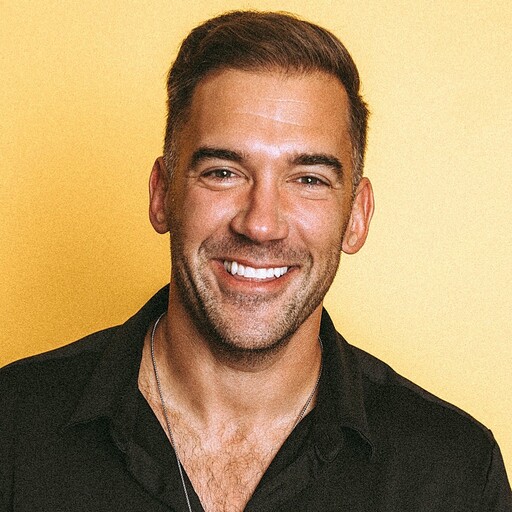 Lewis Howes
Think and Act Like the Rich Person You Haven't Become Yet | Dr Joe Dispenza
 Summaries, chapters, transcripts, and FAQs on this page are made by uListen, not YouTube.
Great conversations run long. Their best ideas don't have to.
uListen is free on iPhone, iPad, Android, Chrome, and Claude.
See howTranscript
50 min read · 9,712 words- 0:00 – 0:43
Intro
- JDDr. Joe Dispenza
I remember sitting with a very wealthy man in Manhattan, and he said to me, "Today I lost everything I, I own." And he's like, "I'll make it back in a few days." It wasn't loss for him, it was a lesson. How you think, how you act, and how you feel is called your personality, and your personality creates your personal reality. That's it. Most people wait for their new relationship to feel love. They're, they're waiting for their success to feel empowerment. They're waiting for their healing to feel wholeness. That's the old model of reality.
- LHLewis Howes
How weak are we making our bodies with low-level thinking? How, like, how much does it actually impact us biologically?
- JDDr. Joe Dispenza
You have to start-
- 0:43 – 2:32
Why people lack the energy to create their dreams
- LHLewis Howes
Why do you think so many people lack the energy to create the vision, the dream that they want? Is it something they're missing? Is it something they don't have access to? Or they lack that energy that heals and draws to them their dreams?
- JDDr. Joe Dispenza
Um, I think that, you know, we live in chronic disbelief. Um, what if the truth was that you're greater than you think, more powerful than you know, more unlimited than you could ever dream? If that was the truth, that you are the creator of your life, you, you have to, you have to start... If you believe that to be the truth, then you have to believe in yourself. And your belief in yourself must be earned. It must be earned. And, and the only way that we can believe in a future is when we feel the emotion associated with it. Because if you feel the emotion associated with it, your body is your, your unconscious mind. It's so objective, it does not know the difference between the real-life experience that's creating that emotion and the emotion that you're creating by thought alone. And so you're giving your body a taste emotionally of the future. And the stronger the emotion you feel, the more you remember that future, and you literally are embossing the circuitry for you to believe in it more. So if we default and become the victim of our life, and we say that some person or some circumstance or some condition is causing me to feel this way and to think this way, the moment we become angry or frustrated or guilty or unworthy or afraid or anxious, we can't believe in that future any longer.
- LHLewis Howes
Mm.
- 2:32 – 4:05
Why we stay addicted to the past
- JDDr. Joe Dispenza
Those emotions are associated with past memories, and those emotions cause us to behave as if we were in our past, make choices that are equal to our past, and believe in our past. And more people believe in their past than they believe in their future, and it's so much easier to forget your vision of the future than to remember it. And so if, if that's the truth then, if you, if you understood that this emotion that you're feeling is really a creative emotion. Uh, living in fear and living in anger and living in hostility and hatred and judgment and resentment, [laughs] that, that has nothing to do with your future. It has everything to do with the past. And so the problem is, is that we get addicted to those emotions that keep us connected to the past, and there's a story that goes with that past. [laughs] And so many people believe in that story, and why not believe in a different story? And it usually takes crisis or trauma or disease or diagnosis or loss, uh, for people to finally make up their mind to change. But that default that takes place so seamlessly when we feel the emotions of our past causes us to think the same way, to act the same way, and to feel the same way.
- 4:05 – 5:23
Your personality creates your personal reality
- JDDr. Joe Dispenza
And how you think, how you act, and how you feel is called your personality, and your personality creates your personal reality. That's it. That's it. So the present personality who's sitting here today called you has created the present personal reality called your life. That's the truth. So if you wanted to create a new personal reality, a new life, you would have to change your personality. And the first step in that is becoming conscious of your unconscious thoughts, those thoughts that say, "I can't. It's too hard. I'll never change. It's my ex's fault. It's of what..." You know, whatever. You know. [laughs]
- LHLewis Howes
It's always the ex.
- JDDr. Joe Dispenza
Or, or if you really truly wanted to be a happy person, you would have to stop complaining. You would have to stop blaming. You'd have to stop allowing your environment to control how you're feeling and thinking. And, and if you truly wanted to become a new personality, you would have to decide that the emotion of lack cannot belong in an abundant person.
- LHLewis Howes
Mm.
- JDDr. Joe Dispenza
Oh, this is where the rubber hits the road now. 'Cause how could you believe in a future that you haven't seen yet? And the end product of an experience in three-dimensional reality is called an emotion.
- 5:23 – 7:38
Stop waiting for wealth to feel abundant
- JDDr. Joe Dispenza
And so most people wait for their wealth to feel abundant. They're waiting for their new relationship to feel love. They're, they're waiting for their success to feel empowerment. They're waiting for their healing to feel wholeness or gratitude. That's the old model of reality. So you gotta trade that emotion of your past, and that, that story's gotta go with it. And when you overcome your emotions, you, you master your creations, and that's freeing the body from the past. So the, so the person who wants to become wealthy- They gotta romance wealth
- LHLewis Howes
Romance it
- JDDr. Joe Dispenza
They have to romance it. And you have to start thinking about how a wealthy person would think-
- LHLewis Howes
Mm
- JDDr. Joe Dispenza
... how a wealthy person would act, how a wealthy person would feel, and you would have to become that personality. And that personality really should begin to create some change in your personal reality. You know, the synchronicities that are not just parking spaces. You know, not that stuff.
- LHLewis Howes
[laughs]
- JDDr. Joe Dispenza
But the bigger stuff that would stretch your belief so that when you see the synchronicity, all of a sudden you're like, "Oh my God, I created that. [audience laughs] Is that possible that I actually created that?" Now you start believing more that you're the creator of the, your reality instead of the victim of your reality, and that's the truth. And you cannot experience that truth unless you step in the realm of creation. And in order for you to arrive at that wealth, you have to make a very clear decision that that person who wants the wealth and who is in lack of having it is going to have to make a lot of changes to finally run into that goal or vision of their wealth. You can't create a new personal reality as the same personality. You gotta, you gotta become someone else. That means you gotta give up some aspect of those unconscious thoughts, behaviors, and emotions that are programmed because we do them so much and think that way, and that's the hard part of change.
- LHLewis Howes
Mm.
- JDDr. Joe Dispenza
When people
- 7:38 – 9:58
Take this feeling with you every day
- JDDr. Joe Dispenza
do the work, I, I wanna be really clear, they don't, they don't do the meditations to heal. They do the meditations to change, and understand that when I change, my body will change, my life will change. That's the experiment they're involved in. So this energy, this feeling that you have, the fundamental question is when you leave this place, can you take it with you every day? Could you remember this feeling and could you bring it up on your own? Ah, now you're becoming the creator of your life because now you'll believe more in that future and less in your past. And then you'll default just like we all do, but how many times do you have to forget until you stop forgetting and start remembering? That's called the moment of change, and that's catching yourself from defaulting seamlessly back to that old personality that where it's been programmed for us to be victims. That if you say to someone, "Why are you so unhappy? Why are you so mad? Why are you so angry?" "Oh, it's that person. It's that circumstance that's causing me to feel this way and think this way." Well, that's an unconscious program. That person is saying that someone in their outer world or some condition is controlling. It's controlling their feelings, controlling their thoughts. Anything that's controlling us, we're victims to.
- LHLewis Howes
Mm.
- JDDr. Joe Dispenza
And that's gotta change. So then to overcome victimization is worth more than all the wealth in the world because that's exactly what creates the wealth. That's exactly what creates the health. It's the overcoming process that is the becoming process, and that's how you arrive at that vision. And this energy is the energy that takes you there, and you gotta be able to bring that up on your own. That means you gotta come out of your resting state, and that when coming out of your resting state and not allowing or c- waiting for someone or something to do it for you, [laughs] but doing it on your own, wow, there's sovereignty and there's empowerment in that. That's how any person arrives at their dream. They just don't let their energy drop, and if they do, they get back into that state again and they earn the belief in themselves. [audience applauds]
- 9:58 – 10:46
How much negative emotion is too much?
- LHLewis Howes
So what are the emotions that cause us to feel in our bodies lacking as opposed to abundant? And caveat, how much of those lacking emotions can we have on a daily basis and still be abundant?
- JDDr. Joe Dispenza
Woo. That's a good question.
- LHLewis Howes
You know what I mean? Is it 50% victimhood and we're still gonna be good? [audience laughs] Is it angry 20% of the time?
- JDDr. Joe Dispenza
[laughs]
- LHLewis Howes
Is it-
- SPSpeaker
Yeah.
- LHLewis Howes
Like, how much, like, how much wiggle room can we give ourselves grace and still, I'm still gonna be able to get my dream?
- JDDr. Joe Dispenza
[laughs]
- LHLewis Howes
So what are the emotions of lack, and how much time can we really allow ourselves to be in a state of frustration or sadness-
- JDDr. Joe Dispenza
Yeah
- LHLewis Howes
... and still be abundant?
- JDDr. Joe Dispenza
Yeah. Oh, got it. [audience laughs] But we create based on lack.
- 10:46 – 14:09
Why we create from lack
- JDDr. Joe Dispenza
We create based on separation. You see the sports car, you see the wardrobe, you see the scene, you see the vacation, and you see that, that experience that you want. Your brain naturally goes, "Oh God, that would be so wonderful to be in that reality, to be in that future." You s- based on the lack of not having it in the plane of duality and separation, the lack causes us to dream about having it.
- LHLewis Howes
Mm-hmm.
- JDDr. Joe Dispenza
So the natural thing is to dream of a new possibility based on the, your understanding that you don't have that experience yet. You understand?
- LHLewis Howes
Yes.
- JDDr. Joe Dispenza
So then now that vision of that future, the brain naturally creates. For the passionate person, that vision where they're seeing their future, they put themselves in that future, and when they do that, they feel the emotion of that future, and they're actually doing that by thought alone. So once they feel the feeling of that future, they can believe in that future 'cause they felt it.
- LHLewis Howes
Interesting.
- JDDr. Joe Dispenza
Right? And they'll tell you there's nobody or no one or no circumstances. I, I know that I could create that, and you've all done it. Everybody in this room has done something great. And [laughs] you kept that vision alive in your mind, and you got your behaviors to match your intentions.
- LHLewis Howes
Mm.
- JDDr. Joe Dispenza
You got your actions equal to your thoughts. You got your mind and body work- working together. You stopped thinking certain thoughts, like, "I can't, it's too hard, I don't feel like it, I'll never change." You had to make different choices, and the hardest part about change is not making the same choices the day before, and that means you're gonna get uncomfortable.
- LHLewis Howes
Mm.
- JDDr. Joe Dispenza
You stop doing the same things, the same habits, sitting on the couch, whatever it was. You didn't have time to complain. You know, that stuff. You start l- staying away from the experiences with certain people and certain circumstances. You didn't want to live that anymore, and you had to really get beyond your emotional feelings and do it anyway. And we do this all the time, and when, you know, then you run, and all of a sudden the synchronicities start to happen, and everybody's experienced this. And the next thing you know, uh, the, the experience occurs and you feel the emotion from that experience, and it takes away the lack or separation from not having it. So the emotion is the end product of the experience in three-dimensional reality.
- LHLewis Howes
D- say it again. The emotion is what?
- JDDr. Joe Dispenza
The end product of the experience. It's the payoff. The payoff from the experience, having the experience, is the emotion that, uh, that is the consequence of the experience, and that emotion is all the sensory information that you're perceiving. Everything you're seeing, hearing, and smelling, and tasting, and feeling. All that information is rushing back to your brain, and jungles of neurons are organizing into networks. And when they string into place, another part of the brain called the chemical brain, the limit brain, the emotional brain, begins to make chemicals to produce that emotion. And that emotion then takes away the lack.
- LHLewis Howes
Mm.
- JDDr. Joe Dispenza
And now you say, "I created that," and then you go to the next one. Now, you can get really good at
- 14:09 – 15:18
Feel the future before it happens
- JDDr. Joe Dispenza
doing this. You could study, you could get schooled, you can get coached, you can learn from your mistakes, you could get disciplined, and you can accumulate more things, and you can get better at doing that. But there is another way to create where you don't have to do so much. And those are laws that transcend just typical Newtonian laws. And, and what if you were to feel the emotion of the future before it happened every single day? Remember that feeling, and that feeling was for your heart to fall in love with your life, to fall in love with your vision. You'd have to awaken that heart.
- LHLewis Howes
Mm.
- JDDr. Joe Dispenza
If you could do that and marry th- that with the vision of your future, I promise you it'll be easier for- make choices, uh, to step into that future. I, I guarantee you'll believe in it and do s- things to, to advance yourself into that future, and you step right into it. So then if it doesn't happen when we want it to happen, you know what I mean? Like, people stop me and they say, "Well, I've been creating my r- reality for three days. Nothing happened."
- LHLewis Howes
[laughs]
- 15:18 – 17:00
"I've been manifesting for 3 days"
- JDDr. Joe Dispenza
[laughs] And I say, well, they, I say to them, "You're not that good. Look, I don't know what else, I don't know what else to tell you. You're not that good." Or they'll say, "How come I'm not living in Mallorca with my, my two dogs and my lover?"
- LHLewis Howes
[laughs]
- JDDr. Joe Dispenza
I'm like, "Because the person who's living in Mallorca looks nothing like you. Like, that's not what the person looks like." So when it doesn't happen, the lack becomes greater.
- LHLewis Howes
Uh-huh. And then what do we do?
- JDDr. Joe Dispenza
And because lack is separation, and separation is based on time. And so when you imagine that vision of your future, you're putting your attention in a future reality. You have one point of consciousness, that's your future, and you are making the choice from this point of consciousness that that's where you wanna go. And the distance between those two is called time. So time is based on lack or separation. Are you with me?
- LHLewis Howes
Yes.
- JDDr. Joe Dispenza
And when it doesn't happen, we start to feel more lack and more separation, so we start to force outcomes.
- LHLewis Howes
So we try harder.
- JDDr. Joe Dispenza
We try harder. We manipulate, we compete, we fight. Because trying is what you do when you're in lack.
- LHLewis Howes
Mm.
- JDDr. Joe Dispenza
And so the person's living in separation their whole entire life, waiting for the event to occur to take away the feeling of not having it. And it could be their whole entire life.
- LHLewis Howes
Wow.
- JDDr. Joe Dispenza
And that becomes a program. So then you ask them, "Why are you this way?" "Well, because life isn't working for me." That's the belief that they have.
- LHLewis Howes
It's unfair.
- JDDr. Joe Dispenza
And they'll have a whole story that goes along with it.
- 17:00 – 22:45
Fall in love with your future
- JDDr. Joe Dispenza
So then if you could fall in love with your future, and the heart produces a very strong magnetic signature, and you get your brain coherent and working really well, that intention that you have has a signal in the field. And we've measured this. And so then if you could begin to experiment by changing your energy, could it change my life?
- LHLewis Howes
Mm.
- JDDr. Joe Dispenza
That's the experiment. I'm just curious. If you started doing it, that, you could actually shorten the distance between the thought of what you want and the experience of having it, and all of a sudden you're no longer going anywhere to do it. It's kinda coming to you. Now, if you experiment like that and then you are successful at it, and you start seeing the synchronicities, I guarantee you you're gonna keep it up.
- LHLewis Howes
Yes.
- JDDr. Joe Dispenza
I guarantee you it's not gonna be like, "Oh, God, I gotta go fall in love with my future now." [laughs]
- LHLewis Howes
[laughs]
- JDDr. Joe Dispenza
It's not gonna be like that. You're gonna be like, "Whoa," like, "It's happening." Like, whatever that is, that I don't know what it is, but you're changing your energy. And so to become a creator in your life and truly, truly practice it, if you're feeling the feeling of your future, you can't look for it How could you look for it if you feel like it already happened? And we cannot attract anything in our life that we feel separate from.
- LHLewis Howes
Mm.
- JDDr. Joe Dispenza
And that means you gotta maintain that modified state of mind and body to keep your vision alive, and if you do, the experiment should be, "H- h- hey. Hey. I'm doing this to experiment. Is it the truth? I'm doing it for the truth, to take the belief and actually behave that way to, to ultimately become the creator of my life." And so then you fall in that zone, you fall into that flow, and now you're gonna, you're gonna wanna feel that feeling more than you're gonna wanna feel your victimization. And that's when you no longer belong to your past, that's when you belong to your future. [cheering]
- LHLewis Howes
This segment is brought to you in partnership with Airbnb. And one of my favorite things about the big game is getting together with friends, watching the competition, and enjoying some great food together, and I love the energy, especially when it comes down to those final few minutes. The big game might still be a few months away, and while it may be too early to start prepping your go-to game time appetizer, it's not too early to start planning, especially if you have a space in LA that you could list on Airbnb while you're away. Fans are already looking ahead to the big game and searching for places to stay, so why not be the place they find? If you're planning to travel during that time, listing your space on Airbnb could be a great way to make some extra cash while you're gone. I can speak from experience while I say listing your space on Airbnb is a really great opportunity. And that extra income can go toward your next vacation, some home improvements, or even just putting a little more money into savings. You can make some extra cash listing your space for the big game. Find out how much at airbnb.com/thebiggame. The Kia Telluride Turbo Hybrid is an undeniable presence for those who welcome what's next. The Telluride Turbo Hybrid now provides best of both worlds, power and efficiency. With 329 horsepower, with a 2.5T Turbocharged engine, and 564-mile range, a world of greater awaits, greater journeys, greater experiences, greater memories. Enjoy premium interior space featuring a panoramic display, detailed quality, and a premium quiet interior. Find innovation that adapts to you, like blind spot view monitor, 360-degree surround view monitor, and a head-up display. And every SiriusXM-equipped Kia vehicle comes with a three-month trial subscription to listen in your Kia and on the SiriusXM app. SiriusXM immerses you in the audio that gets you closer to everything that you love. Experience endless music, talk, sports, news, comedy, original shows, and dive into exclusive insider moments that you won't get anywhere else. Visit kia.com to learn more about the Kia Telluride Turbo Hybrid. This episode is brought to you by Hatch. You know how it goes during the holidays. You're traveling, you're staying up later, and your schedule's all over the place. But before you know it, your sleep routine is completely thrown off. And I've learned that when I'm not sleeping well, I really feel it the next day. It hurts me a lot. And that's where Hatch Sleep Clock comes in. It's a different kind of sleep tracker that sits right on your nightstand. It tracks your sleep without a ring or wristband and gives you personalized insights and recommendations. And one thing I really love about Hatch is the sunrise alarm. So instead of waking up to some loud, jarring alarm, it gradually mimics a sunrise with light. It's just much gentler way to start the morning. Looking for a thoughtful gift this Black Friday? Give the gift of better sleep with Hatch Sleep Clock. Available at hatch.co and amazon.com in the US. How angry can we be every day-
- JDDr. Joe Dispenza
Oh, yeah, we didn't get to that yet
- LHLewis Howes
... and still be abundant? How much can
- 22:45 – 23:37
Can you be angry and still be abundant?
- LHLewis Howes
we fall from grace?
- JDDr. Joe Dispenza
Yeah. Abundance is just one experience in the infinite number of experiences I believe that we could have as creators. And people just, they just forget all the wonderful things they did or became when they, when they created that abundance, and they went unconscious, uh-
- LHLewis Howes
Why, why do we forget what we've created in our past, all the things we've accomplished and achieved? Why is it so easy to forget? Man, I've already accomplished so many things that were hard. I learned so many things. Why do we forget that?
- JDDr. Joe Dispenza
All right, let me answer this question, though.
- SPSpeaker
[laughs]
- JDDr. Joe Dispenza
But, but you were asking me about how-
- LHLewis Howes
Yes, yeah
- JDDr. Joe Dispenza
... can you be angry and-
- LHLewis Howes
Yes
- JDDr. Joe Dispenza
... still be abundant.
- LHLewis Howes
Tie that at the end.
- JDDr. Joe Dispenza
Okay.
- LHLewis Howes
Yeah, yeah, yeah.
- SPSpeaker
[laughs]
- JDDr. Joe Dispenza
You could, you could be angry and be an abundant person.
- LHLewis Howes
You can be.
- JDDr. Joe Dispenza
You certainly can.
- LHLewis Howes
All day angry?
- JDDr. Joe Dispenza
Yeah.
- LHLewis Howes
Wow, okay.
- JDDr. Joe Dispenza
Yeah, you can do that, if you want.
- 23:37 – 25:56
Why some billionaires are miserable
- JDDr. Joe Dispenza
And there are ... You, and you can just be unhappy your whole entire life.
- LHLewis Howes
Yeah.
- JDDr. Joe Dispenza
And, and I've sat with billionaires. I've sat with them, and you know what they say to me? They say, they've said it more than once, "We are miserable. We are in agony." You know why? 'Cause they can't be present enough-
- LHLewis Howes
Mm
- JDDr. Joe Dispenza
... to enjoy a sunset, even though they're on a yacht. They can't, they can't be present enough to j- en- enjoy a great meal. They just can't be present with their families. They can't be present.
- LHLewis Howes
Mm.
- JDDr. Joe Dispenza
And so, like, that's not the life you want. What you want, abundant people wanna be free.
- LHLewis Howes
Yes.
- JDDr. Joe Dispenza
That's what, what they really want. For you to do it, right? And then, and to, and really if your model of abundance is that you have so much more than you need that you would give it away, that would be an abundant person. Yes or no?
- LHLewis Howes
Yes.
- JDDr. Joe Dispenza
And so your experience of abundance in the experiment called life can be way more than being an angry abundant person. Yes or no?
- LHLewis Howes
Yeah.
- JDDr. Joe Dispenza
So then what, so, so you, so you develop that skill of abundance, but there were, there are certain skills and habits and choices and character that you create, and you take that with you. You take that with you to the next dream. There should be, there should... If you're not being defined by a vision of your future, then you're left to the memories of your past, and you'll be predictable in your life. And, and wow, it's so much easier to forget that vision than to remember. That means you gotta make time to remember it. You gotta make time to decide who you're no longer gonna be, and you gotta make time for who you are going to be. And so the experiment can continue, and you should be facing adversity.
- LHLewis Howes
You should be.
- JDDr. Joe Dispenza
You should be facing adversity in the midst of change.
- LHLewis Howes
It shouldn't be easy?
- JDDr. Joe Dispenza
Eh.
- SPSpeaker
[laughs]
- JDDr. Joe Dispenza
Should be earned. Should be earned.
- LHLewis Howes
Should be earned.
- SPSpeaker
[laughs]
- 25:56 – 27:35
How greatness is created
- SPSpeaker
[applause]
- JDDr. Joe Dispenza
Because that means you put your time in, and that means that if you... Th- this is how greatness is created, when you show up to create when you don't feel like it.
- LHLewis Howes
Ah.
- SPSpeaker
[cheers]
- JDDr. Joe Dispenza
When you sit with yourself and not allow your mind to go to the past and all the problems and all the things, and instruct your mind to go to that vision of the future, that's a victory.
- LHLewis Howes
Come on.
- JDDr. Joe Dispenza
That's, that is the overcoming process.
- SPSpeaker
[applause]
- JDDr. Joe Dispenza
We've discovered that when you're sitting with yourself and you go past the point where you would normally stop because of your disbelief, you go past that point, that's when the brain changes the most. That's when you're stepping into the unknown.
- LHLewis Howes
What does that moment look like for people? Like, what does that-
- JDDr. Joe Dispenza
That m- that moment looks like, "I wanna quit."
- LHLewis Howes
Ah.
- JDDr. Joe Dispenza
Or that moment looks like, "I wanna give up." That's the d- that's the end of their emotional belief. But if you show up to be a creator in spite of those voices, uh, i- in spite of y- the mismanagement of your attention and energy and not having enough time or feeling, you know, s- something happened in your day and it caused you to not wanna create, the days that you show up anyway and the, and you remember that's the belief in your future and that's your passion, you will earn that future. And that is the, that is the overcoming process that allows you to become anything. Abundant or healthy or whatever it is that people want.
- LHLewis Howes
What will ensure that we don't earn our future dreams?
- 27:35 – 29:13
What stops us earning our dreams
- JDDr. Joe Dispenza
I think people get in the habit of no longer believing in themselves. I think it's a habit, because they listen to those voices. They, they sit and they can't settle their emotions down, and they, they get up from their inner work believing less in their future instead of more in their future. And the people who actually sit and say, "I'm not getting up [laughs] until I remember my future, and I'm gonna become that very person today," the person who does that and they get up that wa- they, they believe in their future more. So they have to overcome some aspect of themselves in order to do that, and it doesn't take much. It doesn't take much. But to the materialist who's waiting for their life to change to feel joy, you're missing out on a lot of life. Why wouldn't you wanna teach your body emotionally what joy feels like so that you can feel that way? Nobody's gonna make you feel that way. Oh, you should make you happy. Imagine that. And I s- I swear to you, people in your life will wonder what, what medication you're on.
- SPSpeaker
[laughs]
- LHLewis Howes
[laughs]
- JDDr. Joe Dispenza
Just because you're not showing up as the memory they have of you. You're out of phase. That's such power.
- LHLewis Howes
Say, say that part one more time. Please.
- JDDr. Joe Dispenza
You're not showing up as the memory they have of you.
- LHLewis Howes
Now-
- JDDr. Joe Dispenza
Something's different, like, "What? Are you getting happy without me?"
- SPSpeaker
[laughs]
- JDDr. Joe Dispenza
"What?" So
- 29:13 – 30:57
We see reality as we are
- JDDr. Joe Dispenza
we don't see reality how it is. We see reality how we are.
- LHLewis Howes
Mm.
- JDDr. Joe Dispenza
That's really the truth. So you have to, you have to think about what thoughts you do wanna fire and wire in your brain. And a belief is just a thought you keep thinking over and over again. [laughs] And you keep, you keep, with intention and with attention, keep installing the circuitry to remember to think that way. I swear, your biology will be mapped as a, as, as a thought. That would be the new voice in your head that said you can.
- LHLewis Howes
But don't our thoughts just kind of come to us? We don't have control over them. We can't change them. Don't they just, "Ah, I've been hearing the same negative story over and over. I can't change that, can I?"
- JDDr. Joe Dispenza
Yeah, when does that story end? Like, when? If not now, when? Like, what would... W- Fifty percent of that story, according to the research on memory, 50% of it isn't even the truth.
- LHLewis Howes
Mm.
- JDDr. Joe Dispenza
Person is reliving a miserable life they never even had.
- LHLewis Howes
Wow.
- SPSpeaker
[laughs]
- JDDr. Joe Dispenza
All to reaf-
- LHLewis Howes
[laughs] We've imagined it. We've created an imagination
- JDDr. Joe Dispenza
... all to reaffirm their addiction to that emotion connected to the belief that they can't change. They actually, that's what they're committed to. So it takes, it takes an enormous amount of energy, an enormous amount of awareness to change, and, and it is an ongoing process
- LHLewis Howes
Why is it so hard for us to say, "My life's like 70% pretty good,
- 30:57 – 34:39
Why it's hard to change when life is good
- LHLewis Howes
but it's not like exactly what I want"? Why is it so hard to make a change then rather than, than when there's a trauma, a breakdown, a breakup, a near-life or near-life-or-death incident? Why is it so hard to change when things are pretty good? Things are, "I'm doing pretty good. I've got a good job. I've got a good... You know, marriage is pretty good."
- JDDr. Joe Dispenza
Yeah.
- LHLewis Howes
"My health is, I'm like 40 pounds overweight. It's okay." Like why is it hard to say, "Ugh, let's move into something different"? Why is it that much harder when things are good to change?
- JDDr. Joe Dispenza
Because it takes crisis for most people to change. It's got to get so uncomfortable that nothing's making that feeling go away. That's what most people wait for. In the end, you don't have to wait for that. You actually could say, "I want to be defined by a vision of the future every day. That's what I want." Uh, but, but for most people, it takes that crisis or that, something where all of a sudden they can see themselves for the first time. Nothing's making that feeling go away, and they don't feel like themselves, and they can see how they thought. They can notice how they were acting. They can feel how they've spent their whole life feeling, and they objectify their subjective self. They become conscious of their unconscious self. So for most people then, it, it takes that person or that circumstance or that condition to, to, uh, to finally make up their mind to change.
- LHLewis Howes
For me-
- JDDr. Joe Dispenza
And, and, and the last part about that is for the person who's, who's not changing, they're not choosing. They're just comfortable in the known. They're just comfortable being in the known. And the unknown is when you're at your best because there's uncertainty, there's unpredictability-
- LHLewis Howes
Mm
- JDDr. Joe Dispenza
... there's chaos. That's the energy that you have to organize to create with. And if you react and you respond and you do all of that, you're caught up in the chaos, and you're, you're thinking, acting, feeling equal to the environment. Your, your person- your personal reality is creating your personality now. Your environment is controlling the way you think and feel, and that's a program. We got to be able to turn that around.
- LHLewis Howes
The thing that's helped me, maybe you have a, a, a better explanation for what could help trigger the energy and momentum for change when life is good. The thing that's worked for me really well is really having a vision of the future that I don't have yet, that I dream and desire in a big way, that is a, a fulfilling vision of the future for me. That's... 'Cause l- life is usually pretty good for me, unless it's not, and then it's either tragedy, then it's like, okay, I need to completely go to therapy every single day and start transforming and do whatever it takes to finally heal, or it's like, God, there's something, there's something like in my heart that I don't, I haven't lived yet in terms of, of vision that's greater for myself, that I feel like I'm supposed to be living, that's, that's somewhere that I wanna draw in. That is the only time, besides tragedy or trauma, where I'm like, "I will be as disciplined as possible. I'll overcome all negative thoughts. I'll do whatever it takes," because it's so big that it demands a new way of being. It demands new behaviors, disciplines, thoughts, emotions. It demands it in order... It's so big, I have to become different. Like getting to this venue is so much bigger than what I've done before. We had to do things differently. I can't keep doing the comfortable same things. All these different things. I had to become someone different. So I don't know if there's anything else besides
- 34:39 – 37:37
The highest form of motivation
- LHLewis Howes
that that you would recommend or that you're aware of. But for me, it's having that dream or vision so much bigger that it demands me to become different.
- JDDr. Joe Dispenza
Yeah, I th- I think the highest form of motivation is mission motivation. It's v- you know, it's purpose motivation. It's duty motivation. You know, when you have a vision that is big, you know, like in some way selfless to change people, to change the world, to do something, that is the highest form of motivation because it's the most selfless form, and we're wired to be selfless. And then the next form of motivation is called, um, personal conviction-
- LHLewis Howes
Mm
- JDDr. Joe Dispenza
... motivation. Like, "I'm gonna do this 'cause I said I'm gonna do it." And a lot of people who are motivated have that kind of motivation, but people who have kind of that mission and duty motivation will naturally have personal conviction.
- LHLewis Howes
Yes.
- JDDr. Joe Dispenza
Then there's that next form of motivation called ethics motivation or morality-based motivation, and that's based on good and bad, right and wrong, heaven and hell. You know the story. It's ethics and morality, and it's, it's, it's not the highest form of motivation, but it is... it does motivate people. But people who have a very high purpose and/or have personal conviction will naturally have a common sense of ethics and morality. They'll just kind of fall right in line. And then there's that kind of self-aggrandizement, need for recognition and popularity and fame and all that stuff. That's not a very high form of motivation. It requires a lot. But people who have that vision, who have personal conviction, have that ethics and morality naturally get the attention, naturally get the recognition. The science says the lowest form, the data, the research shows the lowest form is, not my research, just research in general, the lowest form is money motivation 'cause it's the most selfish- form of motivation, and that very likely doesn't have any payoff, uh, for a lot of people in the end. And so you have that vision, you have that mission, you have that big thing in your mind, and yeah, you gotta make a lot of changes and do things differently if you're gonna expand your vision. It's just, it's gotta be upgraded, right? And so a person who's on the journey in the process of discovery to be the creator will always wanna step out of the comfort zone of the known and try something out new in the unknown. And if you believe in yourself and every- it all lines up, it, it, it actually works, and then you, from this experience, you can become aware of possibilities you were never aware of before unless you had the experience. So you can dream bigger now. You know, it could be a what is my next vision?
- LHLewis Howes
Right. Right.
- JDDr. Joe Dispenza
It can go on forever, in fact.
- LHLewis Howes
You mentioned money for a moment there. You know, I think
- 37:37 – 39:21
Having a money goal without lack
- LHLewis Howes
a lot of people, we live in a material world where money is needed, and I think a lot of people here want to figure out ways to make more money in their life. They probably feel more options, more flexibility, freedom from that money. Um, but I don't think this is like a money-hungry community, but I think we all probably are striving to increase our income. How can we have a vision towards a money goal without it making us feel separate or being a lower motivation? Like, how do we say, "Yeah, I wanna make more money. I want more money. I want more fin- financial freedom," but you said it was like a lower motivation level. How do we marry that to something greater so it's not just money, money, money-
- JDDr. Joe Dispenza
Yeah
- LHLewis Howes
... but the money also comes?
- JDDr. Joe Dispenza
Yeah, get really good at doing something. Just get really, really, really good at doing one thing. Do it really, really well. Whatever you do that you love to do and you do really well, it'll, it'll, it'll be valued. And just make something of value. Make something valuable to you, and values are being lost in our world right now. So I don't know. I think, I think there's nothing wrong with money. I mean, but if you have a belief that money's bad, that's gonna be... You're gonna have to overcome that. But I don't, I don't think there's anything wrong with having wealth or it's not good or bad or right or wrong. It's just an experience, uh, that you wanna have. And, and, and, and people who do manifest that kind of abundance, the next thing they do, as I said, is they wanna make a difference.
- LHLewis Howes
Yes.
- JDDr. Joe Dispenza
They wanna give in some way. They, they've reached that level, and now there's another level for them.
- LHLewis Howes
I don't know if, um, anyone here has experienced this or feels this right now or if everyone feels completely peaceful around money conversations or
- 39:21 – 41:10
How to change your relationship with money
- LHLewis Howes
having money or not having money, but if for whatever reason someone in the audience feels an amount of stress with money, they feel like they don't have enough. They feel anxious every time they get it. They, they never wanna spend it. They're always counting it. They're, they're just... It's just a anxious feeling. It doesn't feel good. Feels good when they get it, but then they're scared. How can someone have a new emotion towards money when it comes, when it goes, when it, it's not coming-
- JDDr. Joe Dispenza
You gotta-
- LHLewis Howes
... when it's an abundance?
- JDDr. Joe Dispenza
Yeah, you gotta upgrade your model.
- LHLewis Howes
Mm.
- JDDr. Joe Dispenza
I mean, you gotta upgrade your understanding about money. I mean, and m- you r- money is a relationship, and have a great relationship with money. Just like you have a great relationship with anything, have a great relationship with money, and have it just be the side effect of your values.
- LHLewis Howes
Mm.
- JDDr. Joe Dispenza
Have it be the side effect of, of who you are. And yeah, and you, you'll have to put in time. So then a wealthy person then would never feel lack. That's just... unless they really, really want to. But the person who's, who's c- has the money or worried about spending it or v- v- I'm certain it's not money. I'm certain it's the emotion they're addicted to, and they're using that money situation to reaffirm their addiction to that emotion, and [laughs] they're, they're becoming addicted to the life they don't even like, right? And that takes... And so that, that, that's a mismanagement of attention and energy. So that, they have to upgrade their n- their knowledge base. And so you wanna become wealthy, read a book on a wealthy person, someone who became wealthy.
- LHLewis Howes
Say it again. Really what?
- JDDr. Joe Dispenza
Read a book.
- LHLewis Howes
Oh, yeah.
- JDDr. Joe Dispenza
Like a w- read a book. Read a b- uh, does anybody read books?
- 41:10 – 47:14
The man who lost everything in a day
- JDDr. Joe Dispenza
[audience cheering] Actually read a book on a wealthy person and memorize the characteristics-
- LHLewis Howes
Mm
- JDDr. Joe Dispenza
... of how they bec- well, all the failures they had, all the losses. That should be what inspires you to become wealthy. They became wealthy. I remember sitting with a very wealthy man in Manhattan, Harvard grad. I, I, I tutored his kids. He was a really out-of-the-box dude, and he was super wealthy. And I was late for this lunch, and I was like in a cab, and I jumped out of the cab, and I just started walking. And he was, he was eating a hamburger, and he was... 'cause he c- he was wa- he was waiting, and I was late, and he was hungry, so he was eating. And I walked in, and he said, "I got you a salad." [laughs] And he was chewing his hamburger, and he said to me in, while with his mouth full of food, "Today, I lost everything I, I own." And I'm just like... And he looked at me, like, really shocked, and he's like, "What? Will you eat? I am wealth. What are you talking about? I'll make it back in a few days." It wasn't, didn't mean anything.
- LHLewis Howes
Wow.
- JDDr. Joe Dispenza
It didn't... He understood how to do it. He under- it wasn't a loss for him. It was a lesson. He just was going back in the game again, and of course he did. It was like he, he did it again. Wow, that's a great character trait to lead your, be an, that kind of example for your peers or, or your children. I mean, that's a great example.
- LHLewis Howes
Wow. He said, "I am wealth."
- JDDr. Joe Dispenza
Uh, he said, "I am..." He looked at... I was shocked.
- LHLewis Howes
'Cause most people would be stressed or freaking out or on the phone or frantic.
- JDDr. Joe Dispenza
He said, "I am wealth." Like, "I know how to do this." I know how to do it
- LHLewis Howes
This conversation is brought to you by Kia and SiriusXM. And one of the things that I love exploring on The School of Greatness is how we can continue evolving and embracing what's next in our lives, and that's something that Kia is bringing to life with the all-new 2027 Kia Telluride Turbo Hybrid. And I'm actually sitting outside of one right now, and it's a great example of how thoughtful innovation, advanced technology, and everyday practicality can come together to help us move forward. And you know, for a long time, I thought being future-focused meant being first. First to a new platform, first to a new tool, first to whatever everyone was talking about that week. And honestly, a lot of that was just noise. I was moving so fast, but I wasn't always moving forward. And what I've learned is that there's a big difference between chasing trends and making real progress in your life. Because trends will ask you, "What is everyone else doing?" Whereas progress asks you, "What actually makes my life better and the lives of the people that I love?" So now I've got a simple filter. When something new shows up, whether it's a new tool, a new habit, or a new way of doing something, I like to ask three questions: Does it line up with my personal values? Does it fit in the way that I actually live my life day to day? And does it move me toward the person that I wanna be five to 10 years from now? If it doesn't pass that test, it doesn't matter how cool or shiny it is. But there's another side to that. You can't get so grounded that you stop growing and improving. Staying open to what's next takes curiosity. It also takes humility to say, "Well, maybe there's a better way than how I've always done things in my life." And some of the biggest shifts in my life came from finally trying something that I'd resisted for years, and one of those in my life right now is how I work out and how I recover. Back in my 20s when I was playing football, I could train a certain way, and I didn't really need much recovery. Now I've had to learn in my early 40s, as I'm pursuing my dream of going to the Olympics in 2028, that I need to do things differently, and I need to have patience with myself as well in my recovery process. And real progress isn't always about doing more. A lot of the time it's about doing things smarter with less friction, less stress, and a lot more intention. And honestly, my car is where I do some of my best thinking. It's the one place in my day that's quiet enough to reset, and that's what I notice sitting right here. The all-new 2027 Kia Telluride Turbo Hybrid doesn't just feel like technology for technology's sake, it feels thought through. The panoramic display brings everything together in one clean view, and the premium interior feels calm and intentional, and that's the kind of design that makes a busy day feel a lot simpler. Then there's the technology built around real life. The available head-up display keeps key information in your line of sight, and the available blind spot view and 360-degree surround-view monitor help you see more of what's around you. And this is the first ever Telluride hybrid. Kia took its flagship SUV and evolved it for what people care about now. And that's what I mean by meaningful progress, not just change for the sake of change, but evolving with purpose and intention. And one of my favorite ways to use drive time intentionally is with SiriusXM. In the car or on the SiriusXM app, I stay connected to the inspiring conversations and the music that keep me grounded throughout my day. Plus, every SiriusXM-equipped Kia comes with a three-month trial which you can use in the car or on the app. And that's what the all-new 2027 Kia Telluride Turbo Hybrid is all about. It brings together bold design, premium comfort, and forward-thinking technology in a way that's designed for real life. And as the first hybrid Telluride, it's part of Kia's growing lineup of hybrid vehicles. Because moving forward isn't just about what's new, it's about finding what inspires you and helps you get where you want to go. Explore the new Telluride Turbo Hybrid from Kia. And a big thank you to SiriusXM and Kia, movement
- 47:14 – 47:40
What if you've already lost everything?
- LHLewis Howes
that inspires. I mean, what about people that lose it all that don't know how to do it?
- JDDr. Joe Dispenza
Yeah, of course. [laughs]
- LHLewis Howes
Then they found the wealth. "Well, I lost my $1,000. That's all I had." Uh, how do they say I am wealthy? [laughs]
- JDDr. Joe Dispenza
Yeah. Well, this is a, you know, this is ... It is an interesting time to be alive, no? It's a really interesting time to be alive. There's just a lot of things happening, you know? So, so how
- 47:40 – 49:44
How to get out of survival mode
- JDDr. Joe Dispenza
do you stay out of survival?
- LHLewis Howes
Yeah.
- JDDr. Joe Dispenza
I mean, that's really the question.
- LHLewis Howes
Stay out of it.
- JDDr. Joe Dispenza
How do you stay out of survival? Because living in stress is living in survival, and stress is created when you can't predict something, you can't control something, or you have the perception that something's going to get worse. And there's an alarm system that immediately is built into our biology that causes us to get prepared for that threat or that danger. And that arousal then is an awakening, and the brain goes into this super alert state. And when we're in that state, now all of our attention is on our body. All of our attention is on our environment. All of our attention is on time, separation, right? So-
- LHLewis Howes
We start to narrow our focus
- JDDr. Joe Dispenza
... so in, so now, now we're, now we gotta play by the rules of Newtonian physics, and that means you gotta try harder. You gotta work harder. You gotta do something. You gotta cheat. You gotta steal. You gotta do whatever a person does when they're in survival to take away the lack of what they're not having. And it could be anything for people, and it explains a lot of human behavior-
- LHLewis Howes
Yeah
- JDDr. Joe Dispenza
... because in, in that state of stress, in that state of survival, nobody's important but you.
- LHLewis Howes
Mm-hmm.
- JDDr. Joe Dispenza
You become very self-involved, very self-indulgent. It's all about self. And then there's a story that goes along with that. So So I-- there's no easy answer for the person who's lost everything except get over the emotion 'cause if you can't get over the emotion, you can't get past that problem. And justified or not, valid or not, the, the only person that, that, those chemicals, those emotions are hurting are you, and it's dysregulating your autonomic nervous system, and people become addicted to the arousal of those emotions. And just like anything, you can have a bad trip or an overdose.
- LHLewis Howes
Yeah.
- JDDr. Joe Dispenza
And you could actually knock your brain and body out of balance just by thinking. Literally, you become addicted to your own thoughts, and the long-term effects
- 49:44 – 52:17
How your thoughts affect your genes
- JDDr. Joe Dispenza
of that push the genetic buttons that create disease.
- LHLewis Howes
So thinking influences our genetics, which could either create disease or could create healing.
- JDDr. Joe Dispenza
That's w- exactly what we discovered. We discovered that if you teach a person how to stop thinking that way and producing those feelings, you're no longer, you're no longer weakening the body-
- LHLewis Howes
Mm.
- JDDr. Joe Dispenza
-by your own thinking.
- LHLewis Howes
How weak are we making our bodies with low-level thinking? How... Like, how much does it actually impact us biologically?
- JDDr. Joe Dispenza
I don't know what low-level thinking is, but I can tell you that the emotions that are associated-
- LHLewis Howes
Not abundant thinking, you know. Stressed thinking, anxious-
- JDDr. Joe Dispenza
Yeah. Tho- those, those emotions that you're feeling, like anger and aggression and frustration and impatience and fear and anxiety and resentment and jealousy and envy and insecurity, guilt and shame, hopelessness, powerlessness, all of those emotions are the emotions that are derived from the hormones of stress. The biological effects keep every cell in the body in an emergency mode.
- LHLewis Howes
Wow.
- JDDr. Joe Dispenza
Every cell is using, squandering all of its energy for the threat or danger in its outer world. So keep that up for a period of time, there's no energy to heal. There's no energy to create. There's no energy for long-term building projects in the body because when you're living in emergency, it's not a time to create. So the body begins to break down. So, so [chuckles] breaking that conditioning process and having a person sit with themselves for a period of time where they're not thinking about their cellphone or their TikTok or their social media or their texts, and they're, they get beyond all the people in their life, all the things that they have to think about, all the places they need to go. If they can quiet down their brain and s- stop thinking in that way, after a period of time, their biology begins to change, and they naturally no longer activate those same hormonal centers that make them feel those emotions. And if they inhibit that, energy actually naturally moves into their heart. Just whoop, just goes right up in there, and the heart's the creative center. And the heart, the moment energy
- 52:17 – 53:39
Your heart is the creative center
- JDDr. Joe Dispenza
moves into the heart, it starts beating orderly instead of disorderly. When it's in stress, it's resentment, impatience, it's beating disorderly. Now the heart can beat. Now it's, it's got energy, and it begins to inform the brain. It resets the baseline in the chemical brain, the limical, limbic brain. It tells the brain the trauma's over. It's, its past is over, and it tells, it tells the brain to create.
- LHLewis Howes
Mm.
- JDDr. Joe Dispenza
Stop living in survival. Now start creating. And the person starts thinking in different brainwave patterns. They're naturally creative. Turns out if you do that for a period of time, you can upregulate genes just like you downregulated genes from feeling those other emotions. Trade those emotions for those elevated emotions, and you actually change your gene expression ahead of the environment. And if the environment signals the gene, and it does, and the end product of an experience in an environment is an emotion, and you're feeling that emotion, you're signaling genes ahead of your environment. And the, and the body's literally changing in that moment. Do that for seven days, and your body will look like it's living in a whole new environment.
- LHLewis Howes
Wow.
- JDDr. Joe Dispenza
That's what our data shows.
- LHLewis Howes
How much does our energy, either our thoughts and our energy, affect the genetic imprint of our childrens as they grow
- 53:39 – 54:21
How your stress affects your kids
- LHLewis Howes
up? Just our energy and way of being, our thinking, our words, how much of an imprint does it really have-
- JDDr. Joe Dispenza
Oof
- LHLewis Howes
... if we are living in that survival mode, stress, anxious, resentment, frustration thinking?
- JDDr. Joe Dispenza
Yeah.
- LHLewis Howes
Which I still don't know how much time in a day you're allowed to have that.
- SPSpeaker
[laughing]
- LHLewis Howes
How much percentage. Is it 10% of the day? Is it 50%?
- JDDr. Joe Dispenza
It's whatever you want.
- LHLewis Howes
Right. Exactly, but you know, where you can still be abundant, you know. You know, how much of us feeling stressed and anxious and, "Ah, we're running late. Ah, we don't have the money. Ah, your, my, your father, your mother. Ah." How much of that actually really hurts our kids in
- 54:21 – 58:41
Parenting is the fast track to enlightenment
- LHLewis Howes
the world? This is a layup question for you.
- SPSpeaker
[laughing]
- JDDr. Joe Dispenza
I think parenting is the fast track to enlightenment. Um, I really do.
- SPSpeaker
[cheering] [applauding]
- JDDr. Joe Dispenza
And, um, children have mirror neurons, and mirror neurons are empathy neurons. You can, you can say to your kids, "Stop being an emotional basket case," and they'll observe your behavior. They observe behavior, and mirror neurons actually emulate behavior. They model behavior. So then if you're telling your one-year-old while it's running around the house, "Stop that," once it starts walking, "Don't do that, put it that down." And they turn two, you're gonna say something to them, and they're gonna say, "No."
- LHLewis Howes
[laughs]
- JDDr. Joe Dispenza
[laughs] They learn that from you.
- LHLewis Howes
Yeah.
- JDDr. Joe Dispenza
A lioness who's teaching her cubs to hunt, she doesn't say, "Okay, I got a game plan. Huddle up. You go this way, you this... "
- LHLewis Howes
[laughs]
- JDDr. Joe Dispenza
She doesn't do that. She says, "Watch me." And those cubs are already bonded to her, and she's stealth, and she's patient, and she's watching. And the cubs, the neurons in their brain that are firing are the same neurons in the mother.
- LHLewis Howes
Hmm.
- JDDr. Joe Dispenza
The mother's priming their brain for the behavior-
- LHLewis Howes
Wow
- JDDr. Joe Dispenza
... through mirror neurons, and they will behave that way. And children, the very first six or seven years of their life, their brainwaves are in very low brainwave states, delta and theta and low level alpha. And there's no editor. There's no door between the conscious mind and the subconscious mind. All the information that are, that they're getting in is getting in unedited. It's, "Big boys don't cry, little girls should be seen and not heard," whatever, whatever that is. You understand. That's the information that's going in that's actually programming them into certain beliefs about themselves and about reality. And so when our, when, uh, a child is observing a person living in stress and living in survival, they will in time begin to produce the same emotions, uh, that are created from watching their parents go through the same trauma, the same event or perception of life i- in itself. And so then now it takes a little work for that person then to make the change either on their own or when the family changes. And so then when one person can change in the family-
- LHLewis Howes
Hmm
- JDDr. Joe Dispenza
... it allows other people to change in the family.
- LHLewis Howes
Yes.
- JDDr. Joe Dispenza
You don't have to go back into your life and say, "You need to be less addicted to emotions, and you need to stop signaling the same genes in the same way."
- LHLewis Howes
[laughs]
- JDDr. Joe Dispenza
"Need to stop making your heart incoherent. You know, that's not good for you."
- LHLewis Howes
[laughs]
- JDDr. Joe Dispenza
So that's not, that's not what people need. They need for you to show up as the example.
- LHLewis Howes
Yes.
- JDDr. Joe Dispenza
You gotta walk into, you gotta walk into your life back from this event in the state of greatness. And whatever that model is for you, you gotta show them what it looks like. I guarantee you, you do that, they wanna, they'll wanna know what you know.
- LHLewis Howes
Hmm.
- JDDr. Joe Dispenza
You're not s- It's not, the teaching is not what you're saying any longer. It's who you are, right? It's you're, something's different. And, and, and so with children, they are the fast track to enlightenment, and, and they model, they model behaviors. So if you wanna teach your kids how to be more emotionally intelligent, which I think is the best thing you can teach them, how to shorten their emotional responses to certain people and certain things, teach them that by doing it with them.
- LHLewis Howes
Uh-huh.
- JDDr. Joe Dispenza
By doing it with them, I guarantee you'll have a buddy for life.
- LHLewis Howes
Wow.
Episode duration: 58:41
In the uListen app, the transcript lights up word by word as you listen. Get uListen
Transcript of episode swqPeYpt8m0




