Curated by Ahaan Ugale · Last reviewed Apr 29, 2026
On April 18, 2026, President Trump signed an executive order accelerating the federal pathway for psychedelic medicines, with Joe Rogan beside him at the signing; on April 24 the FDA followed with priority review vouchers for psilocybin (treatment-resistant depression and major depressive disorder) and methylone for PTSD. The policy moment ties together threads long-form podcasts had been building for years — MAPS' decade-plus FDA campaign for MDMA-assisted therapy, Schedule I reform pressure from veterans and first responders, HHS Secretary RFK Jr.'s controlled-rollout posture, and state-level ibogaine pushes out of Texas and Kentucky. These eight episodes are the specific conversations that explain how the EO got here and who actually implements it; for the broader psychedelics-science background and the related ibogaine push, see the related topics below. Episodes are interviews and policy discussions, not medical or political advice.
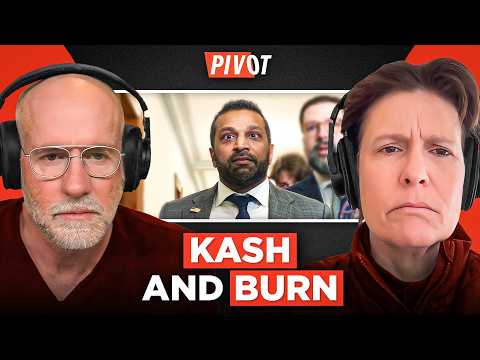
The fastest read on the political optics. In their April 21 episode, Kara Swisher and Scott Galloway treat the EO as a Joe-Rogan-influenced policy win and place it inside Trump's second-term agenda — useful as the mainstream business-tech press take on the signing, recorded three days after it happened.
Kash Patel vs. The Atlantic defamation suitFBI brand erosion and national security concernsIran tensions, Strait of Hormuz, and failed diplomacyChina’s renewables manufacturing advantageJoe Rogan’s influence on executive orders; psychedelics policy
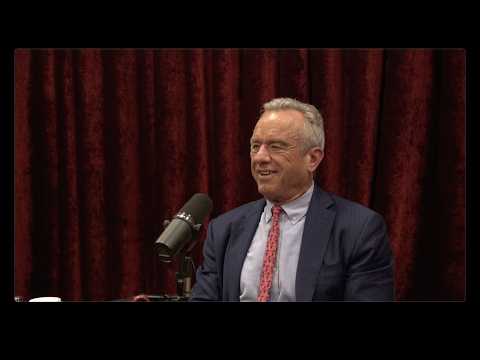
The cabinet member running the rollout. HHS Secretary Robert F. Kennedy Jr. with Joe Rogan in late February 2026, roughly two months before the signing, describing a 'controlled rollout' for psychedelics and ibogaine in addiction and PTSD treatment alongside Medicaid-fraud reform and broader HHS plans. Closest source for what the implementing agency thinks it's doing — listened to as policy-direction signal, not medical guidance.
Medicaid/Medicare fraud and AI-based detectionState waivers, home/community care abuses, program integrity rollbacksChronic disease epidemic and perverse healthcare incentivesPrice transparency for hospitals and consumer-directed careDrug pricing reform (MFN) and “Trump Rx” purchasing
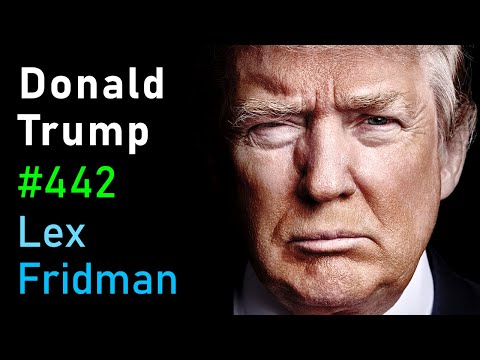
Trump in his own words on drug policy. From his September 2024 Lex Fridman interview, this is the pre-election on-the-record statement of how Trump talks about medical marijuana, psychedelics, and veteran treatment — recorded 19 months before the executive order made the position official.
Trump’s psychology of winning, leadership, and public speakingDifferences between success in business and politicsForeign policy: Ukraine, Russia, China, Israel, and risk of World War IIIU.S. elections, election fraud claims, and political polarizationImmigration, border security, and mass deportation ideas
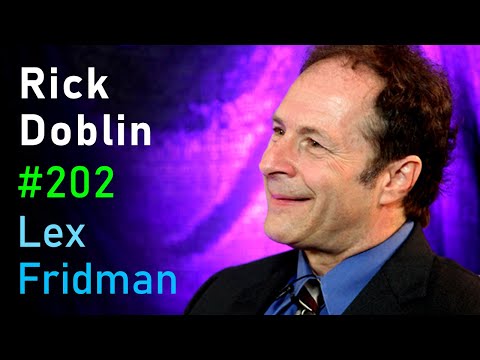
The pre-EO regulatory backstory. MAPS founder Rick Doblin walks Lex Fridman through the decades of FDA strategy, the MDMA-PTSD Phase III trial design, and the licensed-legalization framework the new executive order leans on. Older episode (2021), but the most thorough single source on how psychedelic medicine got onto the FDA-approval track in the first place.
Definition and broad concept of psychedelics as ‘mind-manifesting’ states and toolsDifferences between classic psychedelics and MDMA, including mechanisms and subjective effectsMDMA‑assisted psychotherapy for PTSD and the pivotal phase III clinical trial resultsHistory and politics of psychedelics: MKUltra, Timothy Leary, the drug war, and cultural backlashFuture of psychedelic medicine: new molecules, benefit corporations, and for‑profit vs nonprofit models
Schedule I and the first-responder constituency. Massachusetts police lieutenant and therapist Sarko Gergerian on PTSD and suicide rates among police, how he came to MDMA-assisted therapy through MAPS and Rick Doblin, and why he sees Schedule I as the bottleneck the EO is meant to bypass. Veterans and first responders are the political pressure group the order leans on hardest.
Sarko Gergerian’s background as a police lieutenant and psychedelic-assisted therapistMDMA-assisted therapy, MAPS research, and the FDA’s resistanceTrauma, PTSD, and suicide among police and first respondersCritique of the war on drugs and Schedule I classificationHistory and political economy of cannabis and hemp prohibition
The clinical-evidence base behind the FDA path. Imperial College / UCSF researcher Robin Carhart-Harris with Andrew Huberman on the controlled-trial data for psilocybin and MDMA, treatment-resistant depression outcomes, and the regulatory and integration challenges that the new priority review vouchers formalize. A discussion of clinical research, not personal medical guidance.
Definition, history, and pharmacology of classic psychedelics (psilocybin, LSD, DMT)Unconscious material, ego dissolution, and the role of subjective experience in therapyClinical trials of psilocybin for depression, anorexia, fibromyalgia, and healthy volunteersMicrodosing versus macrodosing: evidence, placebo, and methodological challengesBrain mechanisms: serotonin 2A receptors, global connectivity, entropy, and neuroplasticity
Schedule I, FDA breakthrough therapy, and clinical protocol design. Johns Hopkins researcher Matthew Johnson with Andrew Huberman, including a section explicitly on 'Decriminalization vs. Legalization vs. Regulation' that maps cleanly onto the policy choice points the executive order is now navigating.
Definitions and pharmacology of psychedelics (classic, NMDA antagonists, MDMA, salvinorin A)Serotonin, dopamine, and how psychedelics alter perception, self, and predictive modelsClinical psilocybin therapy protocol: screening, preparation, dosing, monitoring, and integrationMacrodosing versus microdosing: evidence, claims, and safety concernsRisks and contraindications: psychosis, bipolar disorder, bad trips, HPPD, and safety monitoring
The dissenting psychiatric voice. Brain-imaging psychiatrist Dr. Daniel Amen on Diary of a CEO — most of the episode is on alcohol, parenting, and brain health, but the chapter 'What's Wrong With Magic Mushrooms?' (around the 27-minute mark) is one of the few clearly cautious clinician voices in the corpus on widespread psilocybin use, included for balance against the advocacy episodes above.
Neurotoxins and lifestyle risks: alcohol, marijuana, psilocybin, gaming, pornographyAlzheimer’s, dementia, and the BRIGHT MINDS risk-factor frameworkDepression, anxiety, antidepressants versus natural alternatives (e.g., saffron, exercise)ADHD, brain imaging, and the impact of modern environments on attentionTrauma, post-traumatic stress versus post-traumatic growth, and brain reserve
How we picked these
We searched every transcript in our catalog of 6,000+ podcast episodes for substantive discussion of Trump's psychedelics executive order, then ranked by relevance — not popularity, recency, or paid placement. Summaries and topic tags are AI-generated from the full transcripts.