By playing, you agree to uListen's Terms and Privacy Policy and YouTube's Terms of Service.
Summaries, chapters, transcripts, and FAQs on this page are made by uListen, not YouTube.
At a glance
WHAT IT’S REALLY ABOUT
John Cena on purpose, pivots, fame, and earning your life
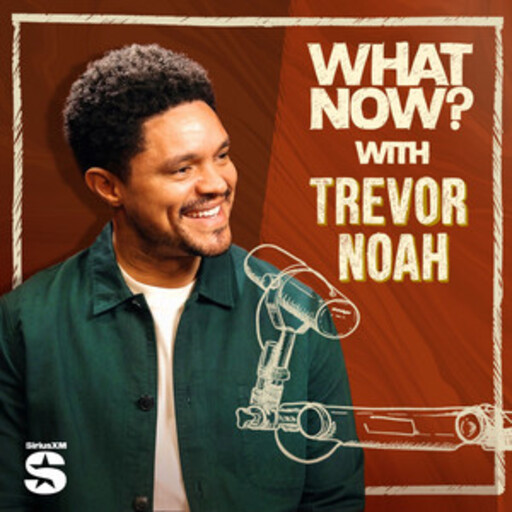
- John Cena and Trevor Noah talk about identity, ambition, and how chasing “the next thing” can block the ability to enjoy what you’ve already achieved.
- John Cena describes using personal rituals and reminders (including a pocket watch philosophy) to manage insecurity, comparison, and the emotional realities of fame.
- They compare wrestling to stand-up comedy as road-based, audience-sensitive performance work that requires constant adaptation and self-management.
- John Cena explains how fear of financial instability shaped his approach to responsibility and why he sees “job stability” as largely an illusion for most people.
- He discusses major life choices—retiring from wrestling, not having children, and approaching Make-A-Wish as a ‘conduit for joy’—as decisions guided by clarity about purpose and capacity.
IDEAS WORTH REMEMBERING
5 ideasChasing happiness through milestones can become a trap.
He says he’s learned that focusing on “if I just get this, I’ll be happy” becomes an endless treadmill where the next goal immediately replaces the last.
Small reminders can help interrupt insecurity and comparison in high-pressure spaces.
He describes using objects (like a pocket watch with “Memento mori” and “Comparison is the thief of joy”) as practical prompts to stay grounded and stop spiraling into status comparison.
Being highly successful doesn’t remove the full range of human emotions.
He argues that despite fame and success, he still experiences insecurity, embarrassment, shame, guilt, excitement, and joy, and that numbing one emotion tends to numb them all.
Fear of going broke can be redirected into disciplined responsibility rather than denial.
He says his early life of financial instability (and seeing his father’s job disappear “overnight”) shaped his habit of tracking where money goes and treating success as fragile.
Wrestling and comedy share a surprisingly similar performance and survival skillset.
He explains that both wrestling and stand-up require paying your own way early on, owning your “act,” reading the room, pivoting in real time, and living a tough road life.
WORDS WORTH SAVING
5 quotesI've eliminated the word deserve from my vocabulary. I've replaced it with the word earn.
— Unattributed
When I've focused on the, If I just get this, I'll be happy, as soon as I get that, I'm just looking for the next thing.
— Unattributed
It could end with this interview. Like, everybody sees this interview and they're like, Fuck that dude, and it's lights out.
— Unattributed
My actions define that like, yo, this dude is going for life. He's going at it.
— Unattributed
What we often forget, though, is when we get the something to eat, we don't, we're not really good at switching over to now eating mode. We're still in hungry mode.
— Trevor Noah
SPEAKERS
Trevor Noah
hostComedian and TV host; host of "What Now? With Trevor Noah".
Eugene
hostCo-host/sidekick on "What Now? With Trevor Noah".
High quality AI-generated summary created from speaker-labeled transcript.


