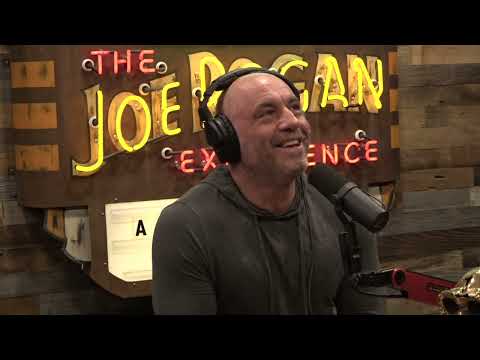
Joe Rogan Experience #1876 - Greg Fitzsimmons
Narrator, Joe Rogan (host), Greg Fitzsimmons (guest), Narrator, Narrator, Narrator, Narrator, Narrator, Narrator
In this episode of The Joe Rogan Experience, featuring Narrator and Joe Rogan, Joe Rogan Experience #1876 - Greg Fitzsimmons explores joe Rogan and Greg Fitzsimmons dissect fitness, comedy, money, madness Joe Rogan and Greg Fitzsimmons range widely across topics including obsessive fitness challenges, the mental health benefits of cardio, stand-up comedy careers, unions and corporate greed, fame, and extreme human behavior. They reflect on how rigorous exercise quiets anxiety and internal chatter, and contrast that with the constant fear cycle driven by news and politics. A large portion of the conversation examines how comedy and podcasting changed the business model for comedians, allowing autonomy from Hollywood gatekeepers and woke signaling. They also dive into darker territory—CTE and bad decision-making, soldiers’ PTSD, organized crime and historical brutality—using these as lenses on human nature, addiction, and how thin the veneer of civilization really is.
Joe Rogan and Greg Fitzsimmons dissect fitness, comedy, money, madness
Joe Rogan and Greg Fitzsimmons range widely across topics including obsessive fitness challenges, the mental health benefits of cardio, stand-up comedy careers, unions and corporate greed, fame, and extreme human behavior. They reflect on how rigorous exercise quiets anxiety and internal chatter, and contrast that with the constant fear cycle driven by news and politics. A large portion of the conversation examines how comedy and podcasting changed the business model for comedians, allowing autonomy from Hollywood gatekeepers and woke signaling. They also dive into darker territory—CTE and bad decision-making, soldiers’ PTSD, organized crime and historical brutality—using these as lenses on human nature, addiction, and how thin the veneer of civilization really is.
Key Takeaways
Rigorous daily cardio can dramatically reduce anxiety and negative self-talk.
Rogan and Tom Segura found that multi-hour cardio sessions quiet internal chatter and produce a 'who cares' calm, suggesting many people’s everyday anxiety might be significantly improved by consistent, intense exercise rather than only medication.
Get the full analysis with uListen AI
In comedy, focusing on getting funnier beats obsessing over career goals.
Rogan argues that chasing status or credits leads nowhere; repeatedly writing, getting on stage, and overcoming resistance (à la Steven Pressfield’s 'War of Art') reliably creates momentum, confidence, and opportunities in today’s podcast-driven ecosystem.
Get the full analysis with uListen AI
Autonomy through podcasts and direct audiences frees comics from Hollywood conformity.
They note many performers publicly echo fashionable 'woke' views to stay employable; owning your own platform lets you be honest, take risks, and not depend on being cast by ideologically rigid gatekeepers.
Get the full analysis with uListen AI
Corporate structures incentivize endless profit growth, often at human expense.
They discuss unions as imperfect but crucial counterweights to corporations whose duty to shareholders demands 'every quarter is summer,' driving outsourcing, cost-cutting, and even misaligned systems like profit-maximizing healthcare.
Get the full analysis with uListen AI
Past failures and humiliations don’t have to define your identity.
Rogan describes learning not to carry childhood bullying and early losses into adulthood, warning that many people live as the person from their worst moment (e. ...
Get the full analysis with uListen AI
Head trauma and extreme careers can warp risk-taking and judgment.
They connect Brett Favre’s welfare fraud scandal and post-career spirals of athletes and soldiers to CTE and trauma, noting that repeated concussions and combat can erode impulse control, leaving people addicted to high-risk behavior.
Get the full analysis with uListen AI
Civilization’s order is historically recent and surprisingly fragile.
By recounting Comanche torture, Vlad the Impaler, Columbus, and modern riots, they argue that mass brutality is the historical norm; if modern systems (like power) failed for months, many people would quickly revert to violent, tribal behavior.
Get the full analysis with uListen AI
Notable Quotes
“You can decide you are your worst failures, or you can decide that you're you right now.”
— Joe Rogan
“Most people aren't far right and they're not far left. They're far in their garage.”
— Greg Fitzsimmons
“Every quarter has to be more. There can't be a quarter where you go, 'Hey, we're rebuilding.' No winter. Fuck you, pay me.”
— Joe Rogan
“Every time I've been frustrated with where I'm at career‑wise, I just write some new shit and do it. And all of a sudden something happens.”
— Greg Fitzsimmons
“For most of history, people were cunts—just horrible, murdering cunts.”
— Joe Rogan
Questions Answered in This Episode
How much of modern anxiety and depression could be alleviated if people committed to truly rigorous, daily cardio for a month?
Joe Rogan and Greg Fitzsimmons range widely across topics including obsessive fitness challenges, the mental health benefits of cardio, stand-up comedy careers, unions and corporate greed, fame, and extreme human behavior. ...
Get the full analysis with uListen AI
Has the podcast era permanently shifted power away from Hollywood gatekeepers, or will new centralized gatekeepers simply emerge online?
Get the full analysis with uListen AI
Where should we draw the ethical line between understanding CTE/trauma as a factor in crimes and still holding high-profile offenders fully accountable?
Get the full analysis with uListen AI
If corporate structures demand perpetual profit growth, what realistic reforms—unions, regulation, ownership models—can prevent the worst human costs?
Get the full analysis with uListen AI
How can individuals stop defining themselves by their most humiliating moment in an age where that moment might live forever online?
Get the full analysis with uListen AI
Transcript Preview
(drumbeats) Joe Rogan podcast, check it out. The Joe Rogan Experience.
Train by day, Joe Rogan podcast by night, all day. (instrumental music) ... (whispers) two days per... and one must be sober for a month.
Does one... must one work out every day? Isn't that part of it too?
Must one work out every day.
Yeah.
One must work out. One must burn 500 calories in a workout every single day, seven days a week, 365 days.
(laughs)
Well, 60.
Oh, what hap-
30.
30.
30 days. (laughs)
(laughs)
(laughs)
I'm already... I'm expanding. (laughs)
So, what... isn't it... is there a contest about who can burn the most calories?
No. We're not doing that-
No.
... because we go crazy.
Yeah.
The problem with contests is they absorb your whole life.
Yeah.
And everybody, except Ari, has a family and obligations and jobs and-
Right.
... podcasts and different things they have to do, just the... We did it one year, the contest, and it was pretty obvious halfway in that we were fucked, 'cause-
I remember you got behind and then you just powered through and came from behind with, like, some crazy workouts.
Well, I was never really behind. I mean, I might have been behind for, like, a day. It was though... in the beginning, we were trying to figure out how much we were gonna burn, you know, because we were using this MyZones thing, so it's, like, you wear a chest strap and the chest strap gives you points, uh, with the application for however many minutes you are at 80% of your max heart rate versus 90% of your max heart rate, I think 90 is two points, 80 is one or something like that.
Yeah.
And (sighs) Ari figured out that you could watch TV while you were doing cardio, so he watched movies on an iPad-
Uh-huh.
... while he was doing cardio.
Yeah.
And he ran up a big number, like, 400 in a day and we were like, "Fuck."
Uh-huh.
That's a big number. That was, like, two movies.
Yeah.
And so then we really started getting crazy, and then one day I did 1,100 points. I did seven hours of cardio.
No shit.
Yeah. Yeah.
Mostly what, running?
No, mostly elliptical machine-
Uh-huh.
... because you could watch movies.
Yeah.
So I watched John Wick, like, 50 times.
(laughs)
I kept... (laughs) I kept rewinding it to the scene in the bathhouse where he kills everybody.
(laughs)
It's just because it's so adrenaline-filled, you can keep going.
Yeah.
I watched some fights, I watched a bunch of shit, and it's like, ugh, it just got too crazy.
Install uListen to search the full transcript and get AI-powered insights
Get Full TranscriptGet more from every podcast
AI summaries, searchable transcripts, and fact-checking. Free forever.
Add to Chrome