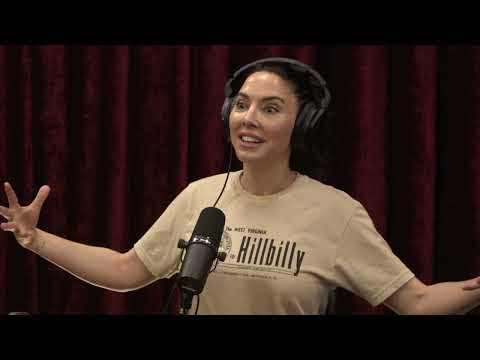
Joe Rogan Experience #1850 - Whitney Cummings
Narrator, Narrator, Whitney Cummings (guest), Joe Rogan (host), Narrator, Narrator, Narrator, Narrator, Narrator, Narrator, Narrator, Narrator, Narrator, Narrator, Narrator, Narrator, Narrator
In this episode of The Joe Rogan Experience, featuring Narrator and Narrator, Joe Rogan Experience #1850 - Whitney Cummings explores whitney Cummings, comedy, cults, and culture wars on Rogan’s couch Joe Rogan and Whitney Cummings cover an enormous range of topics, from stand‑up craft and pandemic-era touring to cults, religion, and the future of technology and media. They dig into how long-form podcasting changed comedy, why audiences can feel when comics get lazy, and why tight, honed material matters more than crowd-pleasing ‘clapter.’
Whitney Cummings, comedy, cults, and culture wars on Rogan’s couch
Joe Rogan and Whitney Cummings cover an enormous range of topics, from stand‑up craft and pandemic-era touring to cults, religion, and the future of technology and media. They dig into how long-form podcasting changed comedy, why audiences can feel when comics get lazy, and why tight, honed material matters more than crowd-pleasing ‘clapter.’
The conversation repeatedly returns to power structures—Hollywood gatekeeping, abusive religions and cults (Scientology, Mormon fundamentalists, Catholic Church, Teal Swan), and how platforms and media companies control narratives and money. They also touch on deepfakes, Neuralink, genetic data, and how future tech will disrupt privacy, trust, and even relationships.
Throughout, Cummings shares personal stories: rebuilding her act during the pandemic, pressure and backlash around her sitcom ‘Whitney,’ having nudes leaked, and being brutally honest about Hollywood sexism and deal-making. Rogan contrasts old media (Comedy Central, late-night TV) with the freedom and reach of podcasts and self-owned specials.
The episode mixes serious critique with graphic humor—discussing revenge porn, OnlyFans, porn trends, bizarre health stories (ticks, Lyme, hookworm, rabies shots), and dark Hollywood history (Shirley Temple, child exploitation), underscoring their broader point that culture, technology, and power are shifting faster than institutions can handle.
Key Takeaways
Great stand-up takes longer than most comics admit—and then needs even more time.
Cummings and Rogan argue that the old ‘every two years’ special model often produced half-baked hours; both found that pandemic delays let them ruthlessly cut, sharpen, and rework bits until they were truly finished, recommending comics think they’re ready, then do months more work.
Get the full analysis with uListen AI
Owning your work is now a critical business move for comedians.
Cummings financed and owns her special ‘Jokes,’ licensing it to Netflix rather than giving up rights; they frame this as protection against constantly changing platforms and an antidote to the bad legacy deals where networks re-sold comics’ work without meaningful additional pay.
Get the full analysis with uListen AI
‘Clapter’ and fan adoration can quietly ruin a comic’s act.
They distinguish involuntary laughs from applause for opinions: when comics chase cheers (especially on big tours with their own fans) instead of laughs, they drift into preaching, politics, or self-righteousness and stop improving; small, honest rooms are the antidote.
Get the full analysis with uListen AI
Cults and high-control groups thrive by offering certainty and belonging in chaotic times.
From Scientology to FLDS Mormons to online ‘trauma healers’ like Teal Swan, they note the same pattern: vulnerable people facing anxiety and a sense of doom latch onto leaders who promise clarity, community, and healing, often at the cost of autonomy and critical thinking.
Get the full analysis with uListen AI
Future tech will make trust dramatically harder: deepfakes, DNA sales, and Neuralink.
They discuss celebrity deepfake porn, 23andMe data being sold to pharma, and Neuralink’s potential to read thoughts; while Rogan sees mind-reading as potentially eliminating con men and reducing miscommunication, Cummings worries about intrusive transparency and the loss of private, messy first thoughts.
Get the full analysis with uListen AI
Media institutions often protect abusers and distort narratives to preserve power.
They cite the Catholic Church (moving predator priests, Vatican age-of-consent history), FLDS leadership arranging child marriages, and Hollywood’s long tolerance of exploitative producers and directors as examples of systems that shield power figures rather than victims.
Get the full analysis with uListen AI
Podcasts and online platforms have displaced TV as the core of comedy promotion—and authenticity wins.
Rogan and Cummings note that doing a run of major podcasts now moves the needle far more than late-night TV; the shows that grow are the ones where comics talk like they really do offstage instead of trying to maintain a sanitized, network-friendly persona.
Get the full analysis with uListen AI
Notable Quotes
“If you think you’re ready, do it for another three months.”
— Joe Rogan (advice he gave Whitney Cummings about filming a special)
“I am not gonna bring you in promising you comedy and then do a secret TED Talk halfway through.”
— Whitney Cummings, on why she titled her special ‘Jokes’
“The sign of an intelligent person is someone who can argue the other side.”
— Whitney Cummings (quoting advice from her father)
“That’s what happens when comics start to suck—they conflate cheering with involuntary laughs.”
— Whitney Cummings
“This thing that you’re not supposed to do has become so much more successful than the thing you’re supposed to do.”
— Joe Rogan, on unscripted podcasting beating network TV
Questions Answered in This Episode
How much responsibility should comedians have to avoid ‘clapter’ and keep their acts focused on laughs rather than shared politics or identity?
Joe Rogan and Whitney Cummings cover an enormous range of topics, from stand‑up craft and pandemic-era touring to cults, religion, and the future of technology and media. ...
Get the full analysis with uListen AI
Given the examples of Scientology, FLDS, and Teal Swan, what early warning signs should people look for to avoid being drawn into cult-like groups—online or offline?
The conversation repeatedly returns to power structures—Hollywood gatekeeping, abusive religions and cults (Scientology, Mormon fundamentalists, Catholic Church, Teal Swan), and how platforms and media companies control narratives and money. ...
Get the full analysis with uListen AI
As deepfakes and Neuralink-like tech advance, what new systems (legal, social, or technical) will we need to distinguish truth from fabrication and protect personal autonomy?
Throughout, Cummings shares personal stories: rebuilding her act during the pandemic, pressure and backlash around her sitcom ‘Whitney,’ having nudes leaked, and being brutally honest about Hollywood sexism and deal-making. ...
Get the full analysis with uListen AI
Should audiences change how they consume old media (films, music, children’s content) in light of what we now know about exploitation and abuse in Hollywood and religious institutions?
The episode mixes serious critique with graphic humor—discussing revenge porn, OnlyFans, porn trends, bizarre health stories (ticks, Lyme, hookworm, rabies shots), and dark Hollywood history (Shirley Temple, child exploitation), underscoring their broader point that culture, technology, and power are shifting faster than institutions can handle.
Get the full analysis with uListen AI
In a world where comics can finance and own their specials, how should legacy platforms like Netflix or Comedy Central adapt if they want to stay relevant to top talent?
Get the full analysis with uListen AI
Transcript Preview
(drumbeats) Joe Rogan podcast, check it out.
The Joe Rogan Experience. (drumbeat music) Train by day, Joe Rogan podcast by night. All day. (rock music)
I love that.
What do you love? Oh, the, the-
Yeah, what is that?
It's an NFT, sort of. It's, like, digital art. It's Beeple. Do you know who Beeple is?
I lo- He's-
He's the best.
... brilliant.
Every day-
Brilliant.
... that guy puts out a new piece.
Insane. And it's computer generated, but does he go in and, like, paint it?
I don't understand how it works, but there's something involving computers. (laughs)
They should, I think ... (laughs)
(laughs)
I think there's a PalmPilot. Um-
I think. (laughs)
Uh, I w- think every time I see one of his pieces on Instagram, like, you know, there'll be a sweeping sort of dystopian city.
Look at the new one. (laughs) What the fuck is that? (laughs)
This is gonna give me nightmares for a while. I mean-
This is ... But s- the hair on b- I got hairy legs.
But wait, are these-
Biden.
Why are ... They look raspberries, but those are germs?
I think, yeah. See, it says mild symptoms. That's what it's called.
Oh, funny. (laughs)
He's just such a character too. He's a really fun guy. You, you, you, would enjoy him on your podcast.
My uterus right now. Um-
Wow.
What is the, (laughs) what is the one where it's, he'll do like a cityscape, and I'm like, "Oh, they should make an animated movie about his world."
Yeah.
Um, not that one. That was-
There's a bunch of them. Well, there's so many. The problem is he puts out one every single day.
God, it's wild.
Yeah, it's amazing stuff. It's really good.
Wow. There, it's almost, uh, um ... I don't wanna compare it. 'Cause he'll probably hate me if he hears this, but it feels like it's got Banksy-esque commentary, like using-
Hmm.
... sort of famous iconic images and subverting them.
But he'll say, like, when you ask him, like, well, you know, "Why, why do you have all the, you know, dicks dressed up as missiles?" He's like, "I don't know. Fucking just made a fucking picture of some dicks." Like ... (laughs)
That was us last night watching Top Gun.
Yeah.
Which I loved. It was a mind-bending thrill ride. I was-
Mrs. Rogan wasn't that into it.
Well, it was-
She was like, "Eh."
(laughs) We definitely were laughing-
"Eh."
... at parts that got a little too, like-
Homoerotic?
Like melodramatic. It felt a little telenovela. And it was, it didn't help that all the machines look like giant dicks flying through the air. (laughs)
Install uListen to search the full transcript and get AI-powered insights
Get Full TranscriptGet more from every podcast
AI summaries, searchable transcripts, and fact-checking. Free forever.
Add to Chrome