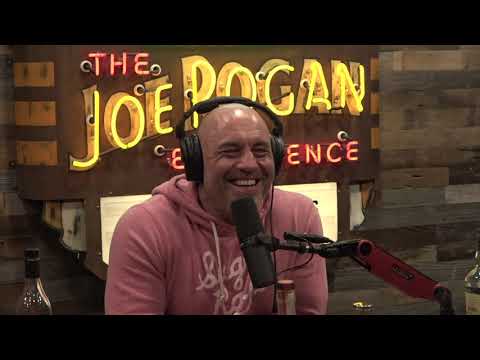
Joe Rogan Experience #1738 - Ben O'Brien
Joe Rogan (host), Narrator, Joe Rogan (host), Ben O'Brien (guest), Unknown cameo (guest), Unknown hunting friend (guest), Jamie Vernon (guest), Unknown cameo (guest), Unknown guest reader (guest), Unknown guest commenter (guest), Unknown guest commenter (guest)
In this episode of The Joe Rogan Experience, featuring Joe Rogan and Narrator, Joe Rogan Experience #1738 - Ben O'Brien explores joe Rogan and Ben O’Brien Dive Deep Into Hunting, Conservation, Survival Joe Rogan and hunting writer Ben O’Brien reminisce about past trips, then spend most of the episode unpacking modern hunting, wildlife management, and what it means to remain self-reliant in a cushioned society.
Joe Rogan and Ben O’Brien Dive Deep Into Hunting, Conservation, Survival
Joe Rogan and hunting writer Ben O’Brien reminisce about past trips, then spend most of the episode unpacking modern hunting, wildlife management, and what it means to remain self-reliant in a cushioned society.
They explain how difficult and technical real hunting is, especially DIY elk and bowhunting, and why it becomes a lifelong craft rather than a weekend hobby.
A major focus is the North American conservation model, especially the Pittman–Robertson Act, where gun, ammo, and gear taxes fund habitat and wildlife management far more than most people realize.
They also wander into related territory: predator–prey dynamics (wolves, grizzlies, mountain lions), ethical debates with vegans, media bias in cases like Rittenhouse, and the idea that hunting—and time in real danger—can be an antidote to modern cultural problems.
Key Takeaways
Hunting is a complex craft, not a casual weekend activity.
O’Brien describes spending years learning to call elk, read landscapes, and succeed on public land; Rogan likens his progress to moving from white belt to purple belt in jiu-jitsu—illustrating how deep and demanding real hunting is.
Get the full analysis with uListen AI
Predator management is necessary, not optional, in modern ecosystems.
They recount grizzly attacks, wolf predation, and overabundant mountain lions in places like California and New Jersey, arguing that without human management, predators overpopulate, decimate prey, and eventually threaten people.
Get the full analysis with uListen AI
Hunters and shooters quietly fund most American wildlife conservation.
Through the Pittman–Robertson Act and related laws, an 11% excise tax on guns, ammo, and certain gear, plus license sales, bankroll state wildlife agencies and habitat projects—often far more than non-hunting users of the outdoors contribute.
Get the full analysis with uListen AI
Vegans and ethical hunters start from a surprisingly similar place.
O’Brien’s discussions with animal-rights philosophers and activists reveal shared concerns about suffering and industrial meat; their divergence is over method, not moral starting point, suggesting more room for dialogue than culture war rhetoric implies.
Get the full analysis with uListen AI
Modern comfort has severed people from the realities of food and survival.
They note that poor people have become obese for the first time in human history, supermarket shelves can empty overnight, and many who condemn hunting still eat factory-farmed meat—signs of a profound disconnect from where food comes from.
Get the full analysis with uListen AI
The conservation funding model could inspire other policy areas.
Rogan and O’Brien speculate that earmarked micro-taxes—like Pittman–Robertson for wildlife—could be applied to computers for education or outdoor gear for trails, making funding transparent, user-tied, and more publicly acceptable.
Get the full analysis with uListen AI
Skepticism and humility are critical antidotes to polarized narratives.
Using the Kyle Rittenhouse trial and media reactions as examples, they argue that people should be skeptical of both politicians and their own tribes, admit when they’re wrong, and resist joining ideological ‘cults’ on either side.
Get the full analysis with uListen AI
Notable Quotes
“If you can hunt, you can’t have fun. It’s like the Grand Canyon—on one side is ‘I want to hunt’ and on the other side is ‘hunting.’ You need a bridge.”
— Ben O’Brien
“We’re trying to recreate something that was once essential to human life. You couldn’t separate hunting and life for millions of years.”
— Joe Rogan
“User pays, public benefits. Hunters, shooters, fishermen are paying into a system that many of them have no idea about—and it keeps wildlife on the landscape.”
— Ben O’Brien
“I don’t want everyone to hunt, but I want everyone to understand it and make an informed decision—not just eat meat from the store and condemn the people who do the killing themselves.”
— Joe Rogan
“We were just one branch of the tree that kept growing while others died. Now we’re out here struggling with why we should still do the thing that kept us alive the whole way here.”
— Ben O’Brien
Questions Answered in This Episode
How would your view of hunting change if you personally experienced the full process—from tracking an animal to butchering it and eating it?
Joe Rogan and hunting writer Ben O’Brien reminisce about past trips, then spend most of the episode unpacking modern hunting, wildlife management, and what it means to remain self-reliant in a cushioned society.
Get the full analysis with uListen AI
Should non-consumptive outdoor users (hikers, climbers, campers) pay a dedicated tax like Pittman–Robertson to support the lands they rely on, and if so, at what rate?
They explain how difficult and technical real hunting is, especially DIY elk and bowhunting, and why it becomes a lifelong craft rather than a weekend hobby.
Get the full analysis with uListen AI
Where do you personally draw the ethical line between predator control, hunting for food, and activities like African trophy hunting?
A major focus is the North American conservation model, especially the Pittman–Robertson Act, where gun, ammo, and gear taxes fund habitat and wildlife management far more than most people realize.
Get the full analysis with uListen AI
In a future pandemic or supply-chain crisis, what level of self-reliance—food, defense, skills—would you feel comfortable with, and how would you get there?
They also wander into related territory: predator–prey dynamics (wolves, grizzlies, mountain lions), ethical debates with vegans, media bias in cases like Rittenhouse, and the idea that hunting—and time in real danger—can be an antidote to modern cultural problems.
Get the full analysis with uListen AI
If vegans and hunters share a concern for animal suffering and ecological health, what kind of joint projects or conversations could they realistically collaborate on?
Get the full analysis with uListen AI
Transcript Preview
(drum roll) Joe Rogan podcast, check it out.
The Joe Rogan Experience. (energetic music) Train by day, Joe Rogan podcast by night, all day.
Oh, hi, Ben O'Brien.
Hey, Joe Rogan.
Good to see you, my friend. This, been a while.
God, it feels really comfortable in here. I know. I missed you.
Oh, this is, uh, so appropriate that I'm mixing this with a nice little Benchmade knife.
Oh.
We're- we're making rye brains. We-
Yeah.
This is a, uh-
Yeah. We are.
Well, we figured out a couple of different drinks one time on a hunting trip in Lanai, and one of them was the Cat Lady.
(laughs)
That was John Dudley's creation. (laughs)
(laughs)
The Cat Lady.
Remember that? I, there's no way to know. Do you remember what was in the Cat Lady?
The Cat Lady had red bull, red wine, and I think it was tequila?
Tequila.
Yeah.
For sure.
Yeah. And, uh-
There's no way, there's no way to really-
That John Dudley.
... recreate that. John Dudley's everybody's uncle.
He can put them away.
Who can... Yeah.
Yeah, he knows how to put them away and we did a podcast and-
Podcasts in Paradise?
It was, yeah, it is was a lot of fun. Who was on that? Remy was on that one.
Remy, Sam Sohol was on that one.
Yeah, yeah.
Shane Dorian.
That was the Shane Dorian. Oh, it was a classic, and we had a giant, like, dinner table in my hotel room-
(laughs)
... just covered with bottles.
And you emptied the minibar.
Yeah, yeah. (laughs)
You were like, "Guys, guys."
Yeah, we did. (laughs)
"Let's have a podcast."
We literally-
I know.
... opened up the minibar-
Yeah.
... and, uh, I don't even remember what equipment we used to record.
I was employed then as a marketing person, and I was like, "This is it."
(laughs)
(laughs)
Was that when you worked for Yeti?
This is... Yeah, I was like, "This is the end of my career."
Yeah.
This is... I think I might have even told you guys after, like, "Ah-
Yeah.
"... that could be it for me."
That could be a problem. It, we got a little wild, but I don't-
We got a little wild.
... think it was that bad.
No, no.
I don't think we said anything that was too crazy.
I think we did just fine. We created the worst drink ever, and people actually-
(laughs)
... to the discredit of the American public, people actually made that and drank that.
Start drinking Cat Ladies.
Install uListen to search the full transcript and get AI-powered insights
Get Full TranscriptGet more from every podcast
AI summaries, searchable transcripts, and fact-checking. Free forever.
Add to Chrome