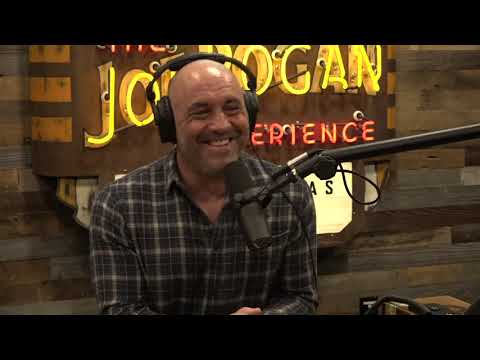
Joe Rogan Experience #1680 - Jakob Dylan
Jakob Dylan (guest), Narrator, Joe Rogan (host), Narrator
In this episode of The Joe Rogan Experience, featuring Jakob Dylan and Narrator, Joe Rogan Experience #1680 - Jakob Dylan explores jakob Dylan and Joe Rogan dissect rock history, fame, and streaming Joe Rogan and Jakob Dylan range widely from Los Angeles life and the club scene to rock history, conspiracies around Laurel Canyon, and how iconic bands evolved and fell apart.
Jakob Dylan and Joe Rogan dissect rock history, fame, and streaming
Joe Rogan and Jakob Dylan range widely from Los Angeles life and the club scene to rock history, conspiracies around Laurel Canyon, and how iconic bands evolved and fell apart.
They dig into how great music scenes emerge (’60s Laurel Canyon, ’80s Sunset Strip, ’90s Seattle), why certain bands kill whole genres overnight, and what it was like for Dylan to grow up as Bob Dylan’s son.
A big chunk of the conversation examines the changing music business: pay‑to‑play clubs, Napster, streaming economics, social media pressures, and how those changes affect young artists versus legacy acts.
They close by talking about songwriting as a semi‑mysterious process, the arc of a music career, authenticity versus fakery on stage, and even classic muscle cars as another expression of a lost but beloved era.
Key Takeaways
Great music scenes are time‑ and place‑specific—and hard to copy on purpose.
Jakob and Joe note how ’60s Laurel Canyon, ’80s Sunset Strip, and ’90s Seattle each had unique conditions that drew artists together; by the time outsiders try to chase a scene, it’s usually already over.
Get the full analysis with uListen AI
Influence quality matters: early rock bands benefited from having only good inputs.
Jakob argues that ’50s/early ’60s musicians were surrounded almost exclusively by great records and little bad gear, so even modestly talented players tended to rise because their reference points were so high.
Get the full analysis with uListen AI
Streaming and social media shifted how artists are evaluated and paid.
Labels now look at follower counts and online engagement as proof an artist can ‘do the work’, while per‑stream payouts are so low that touring, sync deals, and side projects are often more critical than album sales.
Get the full analysis with uListen AI
Social media can help careers, but it’s not creatively healthy for everyone.
Jakob is wary of platforms that demand constant personal exposure; he says if an artist doesn’t genuinely enjoy it, being forced to feed the machine can feel fake and may not lead to meaningful engagement anyway.
Get the full analysis with uListen AI
Band longevity is rare because people grow apart once youth and scarcity fade.
He notes bands are usually formed by very young people with little life experience; as members age, build families, and discover who they really are, keeping a ‘for life’ collective together becomes increasingly unrealistic.
Get the full analysis with uListen AI
Audience expectations trap big acts into old hits and discourage new work.
Legacy artists often find fans mainly want the classics, making it hard to justify the time, expense, and emotional effort of making new records, especially when the current market doesn’t reward albums like it once did.
Get the full analysis with uListen AI
Songwriting blends mysterious flashes with disciplined labor.
Jakob describes the best ideas as arriving when you’re relaxed and receptive, like ‘automatic writing,’ but emphasizes that turning those sparks into full songs still requires sitting down, editing, and hard craft.
Get the full analysis with uListen AI
Notable Quotes
““No intoxicant like nostalgia. It’s the most powerful.””
— Jakob Dylan
““The goal is to be awesome and really big. Like Prince.””
— Jakob Dylan
““If you like it and it’s good, wouldn’t you want other people to know about it?””
— Jakob Dylan
““If you’re starting out in 1960, thirty years is from the ’30s. There was nothing for them to be running around doing.””
— Jakob Dylan
““Don’t make a big deal out of it. You’re not special. It’s just a song.””
— Jakob Dylan
Questions Answered in This Episode
How would Jakob Dylan advise a talented 20‑year‑old navigating today’s streaming‑driven, social‑media‑obsessed music industry?
Joe Rogan and Jakob Dylan range widely from Los Angeles life and the club scene to rock history, conspiracies around Laurel Canyon, and how iconic bands evolved and fell apart.
Get the full analysis with uListen AI
To what extent do he and Rogan really believe in the more conspiratorial accounts of Laurel Canyon and CIA involvement in ’60s counterculture?
They dig into how great music scenes emerge (’60s Laurel Canyon, ’80s Sunset Strip, ’90s Seattle), why certain bands kill whole genres overnight, and what it was like for Dylan to grow up as Bob Dylan’s son.
Get the full analysis with uListen AI
Given his views on influence quality, what current artists or scenes does Jakob think are getting ‘good inputs’ and might be tomorrow’s classics?
A big chunk of the conversation examines the changing music business: pay‑to‑play clubs, Napster, streaming economics, social media pressures, and how those changes affect young artists versus legacy acts.
Get the full analysis with uListen AI
How does Jakob emotionally reconcile audiences mainly wanting older songs while he still feels the creative urge to write new material?
They close by talking about songwriting as a semi‑mysterious process, the arc of a music career, authenticity versus fakery on stage, and even classic muscle cars as another expression of a lost but beloved era.
Get the full analysis with uListen AI
What would a fairer, sustainable revenue model for recorded music look like in Jakob Dylan’s ideal world, balancing labels, platforms, and artists?
Get the full analysis with uListen AI
Transcript Preview
(drum roll) Joe Rogan podcast, check it out.
The Joe Rogan Experience.
Train by day, Joe Rogan podcast by night. All day. (rock music plays) Hello, Jacob.
How you doing?
Good to see you again, man.
Good to see you.
First time we met, we were talking about it earlier, uh, you took your kids to Fear Factor where it was a gross day, right?
Uh, d- weren't they all, I suppose?
No, the, the second day is always the gross day.
Oh, I didn't know that.
Yeah, it was the first day is a big stunt.
Oh, today ... The first day is the sports day more.
Yeah, and then the second day-
Oh. (laughs)
... it's disgusting and then the third day it's usually something epic.
Well, had I had a choice, we would've picked the disgusting day anyway.
(laughs)
That was pretty wild.
I don't remember what it was. Do you?
No, you know, it was downtown. It was in an abandoned building, like a-
Yeah.
... warehouse style and it was disgusting before you guys even started.
It was.
I do remember the, what looked like an exploded melted cat on a chair.
Oh.
There was fur, there was a face and it had been, like, for many ... I don't know how, how long it had been there, but-
That might be just a part of the landscape.
I'm just saying that had nothing-
Yeah.
That wasn't you guys.
Those downtown buildings, like, that was when I first found out about Skid Row, was working for Fear Factor. Like, if you're a person that just spends time in Hollywood or Beverly Hills or Tarzana or whatever, you don't know that there is this crazy spot in downtown where they've basically contained homeless people. They've set up shelter and food and then people-
Yeah.
... just camp out on the street and obviously that's an issue now in LA.
Yeah.
But this was 2003.
Yeah, that's, that was mainly where you saw it then but if you've been out there lately, it's um-
It's crazy.
It's pretty much everywhere.
Yeah. I'm excited to have escaped.
Yeah, good for you.
Yay. (laughs)
(laughs)
You live in there?
I do, just ma- mainly 'cause I've always been there.
Yeah.
And my, I, I think often about going somewhere else. You just transplanted here.
Yeah, that was, uh, my concern too is that I, I, I've been there for so long that I was just gonna stay there and-
Where were you out there?
I was in Calabasas.
Okay.
I was out, like, in the, the suburban area.
Yeah.
Which is nice. It's quieter and it's, but it's not quiet enough. When I moved, I moved there in '96.
Install uListen to search the full transcript and get AI-powered insights
Get Full TranscriptGet more from every podcast
AI summaries, searchable transcripts, and fact-checking. Free forever.
Add to Chrome