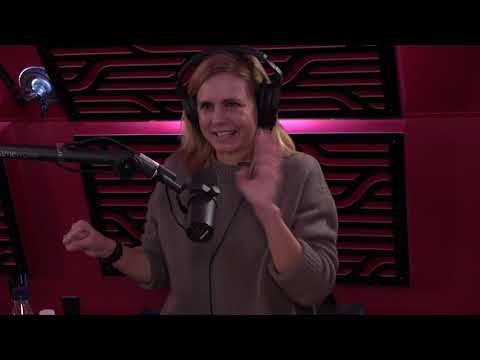
Joe Rogan Experience #1576 - Mariana van Zeller
Narrator, Joe Rogan (host), Mariana van Zeller (guest), Narrator
In this episode of The Joe Rogan Experience, featuring Narrator and Joe Rogan, Joe Rogan Experience #1576 - Mariana van Zeller explores inside Global Black Markets: Drugs, Guns, Tigers, Scams, and Ethics Joe Rogan interviews investigative journalist Mariana van Zeller about her National Geographic series *Trafficked*, which embeds inside global black markets from cocaine and fentanyl to guns, steroids, wildlife, and scams.
Inside Global Black Markets: Drugs, Guns, Tigers, Scams, and Ethics
Joe Rogan interviews investigative journalist Mariana van Zeller about her National Geographic series *Trafficked*, which embeds inside global black markets from cocaine and fentanyl to guns, steroids, wildlife, and scams.
They discuss the human stories behind traffickers and smugglers, emphasizing that many participants are driven by poverty, lack of opportunity, and trauma rather than pure greed or evil.
A major theme is the futility and hypocrisy of the war on drugs: U.S. demand, U.S. guns, and legal drugs like OxyContin fuel enormous harm while prohibition empowers cartels and organized crime.
The conversation also explores ethical gray zones in journalism, drug policy reform examples like Portugal and Oregon, performance-enhancing drugs in sports, wildlife exploitation, and the moral complexity of global consumerism.
Key Takeaways
Prohibition fuels cartels; demand and illegality create violent black markets.
Cocaine, fentanyl, and meth move through complex pipelines sustained by U. ...
Get the full analysis with uListen AI
Most traffickers and “bad guys” are motivated by poverty and lack of opportunity, not innate evil.
From Peruvian teenage cocaine backpackers who just want to pay for college to chemists hoping to leave labs, many participants share ordinary human goals like security, education, and family support.
Get the full analysis with uListen AI
The war on drugs is massively expensive and largely ineffective.
Despite billions spent, drugs are cheaper and more available than ever, violence in Mexico keeps rising, and law enforcement officers themselves admit their efforts barely dent the trade.
Get the full analysis with uListen AI
Drug policy reform can reduce harm when it shifts from punishment to treatment.
Portugal’s decriminalization of all drugs led to lower incarceration, fewer HIV cases, and more resources for rehab, suggesting a treatment-first approach outperforms criminalization.
Get the full analysis with uListen AI
U.S. systems and consumers are deeply entangled in global black markets.
U. ...
Get the full analysis with uListen AI
Investigative journalism requires navigating real physical risk and ethical gray areas.
Mariana must secure sources, hide identities, and sometimes witness crimes like drug smuggling without intervening, balancing personal safety, source protection, and the public’s right to know.
Get the full analysis with uListen AI
Exploitation extends beyond drugs into wildlife, steroids, and scams.
Tiger wine, vaquita-killing fish bladders, steroid-fueled bodybuilding, and Jamaican phone scams all reveal how status, desperation, tradition, and profit drive people to destroy animals, health, and vulnerable victims.
Get the full analysis with uListen AI
Notable Quotes
“No story is worth a life. We minimize the risk. But these are important stories to tell.”
— Mariana van Zeller
“Unless you start understanding the root causes of what leads people into these lives, you're never going to be able to address black markets.”
— Mariana van Zeller
“You’re just lucky you were born here. We won the lottery ticket and most people don’t realize that.”
— Mariana van Zeller
“We’re pretending that drugs are illegal when drugs are everywhere. We’re pretending we’re stopping drugs by keeping them illegal, but we’re just propping up organized crime.”
— Joe Rogan
“Mexico supplies the corpses; the U.S. supplies the guns.”
— Mariana van Zeller, relaying a source’s saying
Questions Answered in This Episode
If legalization or decriminalization is the answer, how do we design systems that minimize addiction and maximize treatment without creating new corporate predation?
Joe Rogan interviews investigative journalist Mariana van Zeller about her National Geographic series *Trafficked*, which embeds inside global black markets from cocaine and fentanyl to guns, steroids, wildlife, and scams.
Get the full analysis with uListen AI
How should journalists ethically handle situations where documenting a crime (like smuggling fentanyl) may directly contribute to future harm?
They discuss the human stories behind traffickers and smugglers, emphasizing that many participants are driven by poverty, lack of opportunity, and trauma rather than pure greed or evil.
Get the full analysis with uListen AI
To what extent are ordinary Western consumers morally responsible for the exploitation embedded in their drugs, electronics, meat, and luxury goods?
A major theme is the futility and hypocrisy of the war on drugs: U. ...
Get the full analysis with uListen AI
At what point do performance-enhancing technologies (steroids, CRISPR, cognitive enhancers) fundamentally change what fair competition even means?
The conversation also explores ethical gray zones in journalism, drug policy reform examples like Portugal and Oregon, performance-enhancing drugs in sports, wildlife exploitation, and the moral complexity of global consumerism.
Get the full analysis with uListen AI
How can societies realistically reduce participation in black markets when those markets often provide the only viable economic lifeline for entire communities?
Get the full analysis with uListen AI
Transcript Preview
(drum music) Joe Rogan podcast, check it out. The Joe Rogan Experience.
Train by day, Joe Rogan podcast by night. All day. (instrumental music plays) Good to see you again.
Thanks.
When did, uh, we do the podcast before? What year was it?
I think it was 10 years ago. 10 or 11-
Wow.
... years ago.
That's crazy. You were one of the first guests that I remember going, "We gotta s- I gotta talk to that lady." I go, "We gotta find them." Because th- the- the piece, the OxyContin Express that you did, I'm like, "That was a mind-blower." That was when I first found out about what was going on in the pill mills down in Florida. I was like, "That is fucking insane." And, um, that was, like, in the beginning of the podcast, the early days.
It was, yeah.
Yeah.
You reached out to me on Twitter, and I was super excited.
Is that what it was? (laughs)
Yeah. It's like, "Do you wanna come on the show?" I was like, "Fuck yeah." (laughs)
Yeah. Well, um, I love your new show. First of all, tell people what it is, what it's called, and how they can-
For sure. It's, it's called Trafficked. It's on Wednesdays, 9:00 PM on National Geographic. And, uh, in every episode, we go on a journey, a wild journey into black markets around the world.
You do real boots-on-the-ground investigative journalism. You are a fucking gangster woman.
(laughs)
The shit that you did in Peru and in Colombia, I was watching that episode on cocaine, I, my hands were sweating watching-
(laughs)
... you do this. It's like you were, you went to the places where they're growing it, to the places where they make it.
That's right.
Whew.
Yeah.
That- that was, you marched with the people that carry it through the route when they're carrying it in their backpacks.
Yeah.
I was like, "Oh my god." Like, "You're risking your life," like, l- genuinely risking your life.
I don't like to see it that way. You know, no story is worth, uh, a life. So I hate, I ha- you know, we, we mini- minimize the risk. But, you know, there's, these are important stories to tell. These black markets are happening all around us. They are super widespread. I think we have this idea that they're happening in sort of faraway lands and deep and secret locations, but they're not. And they have a real impact on our lives. Um, so there is a reason why we do the kind of reporting. And you're right, you know, boots on the grounds, uh, old-school journalism, I think, is more important now than ever. And we are seeing less of it nowadays, um-
It's so hard to do. I mean-
Install uListen to search the full transcript and get AI-powered insights
Get Full TranscriptGet more from every podcast
AI summaries, searchable transcripts, and fact-checking. Free forever.
Add to Chrome