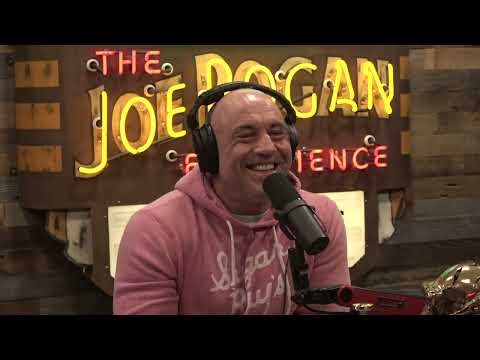
Joe Rogan Experience #1939 - B-Real
Joe Rogan (host), Narrator, B-Real (guest), Narrator, Narrator, Narrator, Narrator, Narrator, Narrator
In this episode of The Joe Rogan Experience, featuring Joe Rogan and Narrator, Joe Rogan Experience #1939 - B-Real explores b-Real and Rogan Explore Drugs, Policy, Hustle, and Human Limits Joe Rogan and B-Real cover the decline and politics of Los Angeles, the economics and over‑regulation of legal cannabis, and how prohibition fuels black markets and mass incarceration.
B-Real and Rogan Explore Drugs, Policy, Hustle, and Human Limits
Joe Rogan and B-Real cover the decline and politics of Los Angeles, the economics and over‑regulation of legal cannabis, and how prohibition fuels black markets and mass incarceration.
They dive deep into psychedelics and weed—microdosing, therapeutic use, dangers, drug combinations, and why illegality breeds both medical stagnation and contaminated street drugs.
The conversation branches into addiction and the fentanyl crisis, extreme drug stories (PCP, ketamine, coke), and how culture, policy, and profit motives shape what substances are legal or demonized.
Outside of drugs, they talk about performance and longevity—vocal training, training while high, breakdancing as an elite sport, MMA, and how human beings can transform themselves and push physical and mental limits.
Key Takeaways
Over‑taxing and over‑regulating legal cannabis strengthens the black market.
California’s high cannabis taxes and difficult licensing regime make legal operations expensive while illegal sellers avoid regulation and taxes, undercut prices, and capture much of the market; this undercuts state revenue goals and punishes those trying to operate legitimately.
Get the full analysis with uListen AI
Decriminalizing and legalizing drugs should be paired with honest education, not propaganda.
Both argue that people already learn about drugs from peers; the safer path is transparent, evidence‑based drug education (risks, dosing, interactions) instead of fear‑based messaging that leaves users unprepared and more vulnerable to harm.
Get the full analysis with uListen AI
Psychedelics and cannabis can be powerful therapeutic tools but require respect and structure.
Microdosing and guided sessions with psilocybin and cannabis have helped people with PTSD, depression, anger, and end‑of‑life anxiety, yet high doses, mental health vulnerabilities, and drug interactions can be risky—emphasizing the need for careful dosing, sitters, and ideally clinicians.
Get the full analysis with uListen AI
The drug war’s illegality drives most of the violence and contamination, not the substances themselves.
Stories about Miami cocaine days, Griselda Blanco, pill mills, and fentanyl‑laced street drugs underscore that prohibition pushes production and distribution into criminal networks, incentivizing adulteration, extreme violence, and mass incarceration for non‑violent offenses (e. ...
Get the full analysis with uListen AI
Weed doesn’t inherently make people lazy; it often coexists with high performance and discipline.
Examples like B‑Real, Wiz Khalifa, Action Bronson, and athletes training while high show cannabis can enhance focus, creativity, and bodily awareness when used intentionally; structure, habits, and personal responsibility matter more than the substance itself.
Get the full analysis with uListen AI
Human potential is highly malleable—people can radically reshape their bodies, minds, and trajectories.
They discuss David Goggins’ transformation, elite breakdancers, fighters, and B‑Real’s own vocal and performance regimen to illustrate how deliberate practice, mindset shifts, and sometimes even plant medicines can unlock capacities people didn’t know they had.
Get the full analysis with uListen AI
Artists who want long careers must treat their craft like a serious profession, not a party.
B‑Real describes quitting blunts and whiskey pre‑show, working with an opera‑style vocal coach, and structuring live sets around fan‑favorite hits; longevity comes from preserving your “instrument” and respecting the audience, not just chasing the next high.
Get the full analysis with uListen AI
Notable Quotes
“If you’re an open book, they’ll still rewrite your chapters.”
— Joe Rogan
“It’s like they say: there’s no money in the cure.”
— B-Real
“Cannabis makes people so much friendlier…I’ve stood out of a lot of altercations being as high as I am.”
— B-Real
“Hard drug addiction is like getting captured by a demon—a chemical demon.”
— Joe Rogan
“Nothing good is ever easy. You gotta work toward it and develop it.”
— B-Real
Questions Answered in This Episode
How would U.S. cities like Los Angeles change if cannabis were taxed reasonably and licensing were streamlined to favor small, legal operators over cartels and black‑market sellers?
Joe Rogan and B-Real cover the decline and politics of Los Angeles, the economics and over‑regulation of legal cannabis, and how prohibition fuels black markets and mass incarceration.
Get the full analysis with uListen AI
What frameworks could safely bring psychedelics and cannabis into mainstream therapy without repeating the excesses or blind spots of Big Pharma?
They dive deep into psychedelics and weed—microdosing, therapeutic use, dangers, drug combinations, and why illegality breeds both medical stagnation and contaminated street drugs.
Get the full analysis with uListen AI
Given the fentanyl crisis and widespread contamination, is there a realistic model for legalizing or regulating harder drugs that reduces deaths without massively increasing use?
The conversation branches into addiction and the fentanyl crisis, extreme drug stories (PCP, ketamine, coke), and how culture, policy, and profit motives shape what substances are legal or demonized.
Get the full analysis with uListen AI
How much responsibility do artists, athletes, and influencers bear for modeling responsible drug use versus simply sharing their personal experiences?
Outside of drugs, they talk about performance and longevity—vocal training, training while high, breakdancing as an elite sport, MMA, and how human beings can transform themselves and push physical and mental limits.
Get the full analysis with uListen AI
What does the evolution of hip‑hop and breakdancing—from marginalized street culture to the Grammys and the Olympics—tell us about how fast culture can legitimize what it once demonized?
Get the full analysis with uListen AI
Transcript Preview
(drumming music) Joe Rogan podcast. Check it out.
The Joe Rogan Experience.
Train by day, Joe Rogan podcast by night. All day. (instrumental music)
It's good to be here, bro.
Good to see you, my friend.
Yeah.
We're up and at 'em. What's going on, man?
Chilling, man. Working hard, as always.
Escape from LA.
Escape from LA, man.
(laughs)
That thing... You know, every time we go on tour, that's, (laughs) that's what I look at. Like, any shows, all right, we're get- getting away for, for a little bit.
Just take a breather.
Yeah.
Although it's like, I have hope LA comes back. I really do. I hope it reemerges as what it used to be or better, but-
Yeah. You know, I believe it, it can, too.
Sure.
And it, it, it possibly might, man. But it, it, it's gonna take a minute before (laughs) we get the right people in there-
I know.
... running the spot, man.
Who are the right people though? That's the problem.
That's, that's hard to say, right? 'Cause-
Yeah.
I mean, it's, it's just hard to trust any politician these days, man.
(laughs)
I mean, my friends have hit me up like, "Hey, when are you gonna run for mayor?" I'm like, "I'm never running for mayor."
(laughs)
Are you crazy?
Bro, you would win.
I probably would in that, that-
Oh my God, you would win.
That would be the curse of me right there.
It would be the curse, bro. They would go digging deep into your past.
Exactly.
Yeah, they'd find a bunch of liars, distort a bunch of facts.
True that.
Come up with a narrative.
As much of an open book as I've been, you know, and open about everything I, I've, I've done, yet they'll always dig deeper to try to find more. Especially when you're in that kind of spot, you know?
For sure. Also, if you're an open book, they'll still rewrite your chapters.
They'll rewrite the chapters.
They'll go in there and go, "No, no, no, no, this is, this, let's change this around and make it a lot worse than it really was."
Absolutely.
It's a dirty game. Who, who fucking wants to... That's the problem. Like, who wants to do that job?
You know what, it's crazy. The people that wanna do that job these days, they're not there to do any, uh, work of what a politician's supposed to do. They're trying to get famous. You know, they wanna-
Yeah.
... be famous for something, 'cause now that's, it's a seat to be famous in.
Yeah.
You know? And it's, it's, it's a shame because people that w- that would actually maybe do the work, they don't even got a chance to get in there, 'cause they don't wanna be famous. They're, they're trying to get in there to do the work. While others, like, you know, they're like, "I got this seat. I'm showboating this shit all, you know, this whole run."
Install uListen to search the full transcript and get AI-powered insights
Get Full TranscriptGet more from every podcast
AI summaries, searchable transcripts, and fact-checking. Free forever.
Add to Chrome