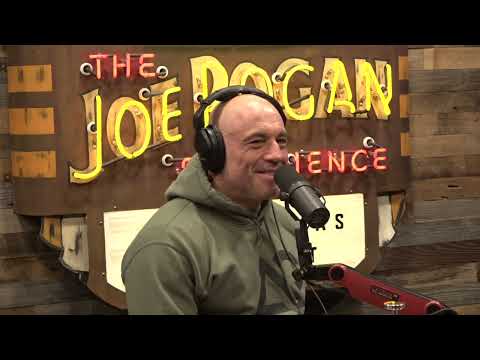
Joe Rogan Experience #2100 - Steven Rinella & Cameron Hanes
Steven Rinella (guest), Cameron Hanes (guest), Joe Rogan (host), Steven Rinella (guest), Narrator, Narrator
In this episode of The Joe Rogan Experience, featuring Steven Rinella and Cameron Hanes, Joe Rogan Experience #2100 - Steven Rinella & Cameron Hanes explores joe Rogan, Rinella, Hanes Dive Deep Into Modern Hunting Ethics Joe Rogan, Steven Rinella, and Cameron Hanes spend a long, free‑ranging conversation on hunting—covering gear, archery technique, predator management, and the cultural war around hunting and wildlife. They contrast public and private land hunts, rifle vs. bow, and how technology like trail cams, thermals, and smart sights complicate fair‑chase ethics and regulation.
Joe Rogan, Rinella, Hanes Dive Deep Into Modern Hunting Ethics
Joe Rogan, Steven Rinella, and Cameron Hanes spend a long, free‑ranging conversation on hunting—covering gear, archery technique, predator management, and the cultural war around hunting and wildlife. They contrast public and private land hunts, rifle vs. bow, and how technology like trail cams, thermals, and smart sights complicate fair‑chase ethics and regulation.
A major through‑line is how hunting is portrayed publicly: grip‑and‑grin photos, YouTube restrictions, TV edit formats, and social media all shape non‑hunters’ perception, often in ways hunters don’t intend. They argue hunters must present the full story—meat, ecology, effort, and failure—not just trophies.
They also tackle controversial topics like wolves and mountain lions in Colorado, coyote control, “trophy hunting” ballot language, and internal jealousy and infighting within the hunting community. Throughout, they return to the spiritual, demanding nature of bowhunting and the responsibility that comes with killing animals.
Key Takeaways
Develop a deliberate shot process to beat target panic.
Using a spoken or mental checklist (e. ...
Get the full analysis with uListen AI
Practice in real hunting contexts to normalize high‑pressure moments.
Hanes and Rogan stress that you can’t simulate the adrenaline of a bull elk at 20 yards in your backyard; frequent hunts for pigs, deer, or other game build reps that make the rare shot on a big elk or buck feel manageable instead of overwhelming.
Get the full analysis with uListen AI
Hunters must tell the whole story—especially the meat and the failures.
Rinella explains that early TV hunting rarely showed butchering or cooking, which made kills look like pure trophy pursuits; now, showing necropsies, meat care, cooking, and even unsuccessful hunts helps non‑hunters understand the purpose and difficulty of hunting.
Get the full analysis with uListen AI
Technological advances force regulators to constantly redraw ethical lines.
Smart sights, cellular trail cams, thermals, drones, long‑range rifles, and electronic nocks all increase effectiveness; states respond by banning or limiting them to preserve low‑success, high‑opportunity seasons and prevent technology from erasing challenge and disrupting quotas.
Get the full analysis with uListen AI
Predator policy is being decided at the ballot box, often by non‑hunters.
Colorado’s wolf reintroduction and proposed bans on mountain lion/bobcat hunting show how urban voters, guided by emotionally loaded language like “trophy hunting,” can override biologists and rural stakeholders, threatening hunting opportunity and ungulate populations.
Get the full analysis with uListen AI
Internal jealousy among hunters weakens the defense of hunting rights.
The three argue that hunters who attack others’ success (high‑quality private land hunts, big animals, social media followings) out of envy are playing into anti‑hunting narratives; instead, hunters need to support all legal forms of hunting and present a united front.
Get the full analysis with uListen AI
Public perception can hinge on small framing choices.
Posting only bloody grip‑and‑grins or spear‑kill highlight reels, without context or meat shots, makes hunting easy to vilify; being intentional—leading with landscape, effort, meat, and respect—can reduce backlash and keep regulators and platforms like YouTube more tolerant.
Get the full analysis with uListen AI
Notable Quotes
“If I read some study that said eating mule deer’s the best thing you can possibly do, I’d be like, ‘Now that’s my kind of study.’”
— Steven Rinella
“The more things that you can shoot, the better… The difference between how I feel in elk season on years I’m confident is always that I went on a couple other hunts.”
— Joe Rogan
“I’ve taken quite a number of people on their first hunting trips. I’ve never had any of them regret it, but a strong majority did not pursue it. Didn’t regret it, glad they did it, but didn’t make it part of life.”
— Steven Rinella
“All I know is that where there’s wolves, there’s way less elk.”
— Cameron Hanes
“When you see someone and you measure yourself up to him and you fall short, and so you start shitting on that person, everybody knows what you’re doing… Jealousy is a poison that ruins the vessel that carries it.”
— Joe Rogan
Questions Answered in This Episode
How should states balance hunter effectiveness and fair chase when new technologies—like thermals, smart sights, and long‑range rifles—keep making success easier?
Joe Rogan, Steven Rinella, and Cameron Hanes spend a long, free‑ranging conversation on hunting—covering gear, archery technique, predator management, and the cultural war around hunting and wildlife. ...
Get the full analysis with uListen AI
At what point does predator protection (wolves, mountain lions, coyotes) begin to meaningfully undermine ungulate populations and hunter opportunity, and who should make that call?
A major through‑line is how hunting is portrayed publicly: grip‑and‑grin photos, YouTube restrictions, TV edit formats, and social media all shape non‑hunters’ perception, often in ways hunters don’t intend. ...
Get the full analysis with uListen AI
How can hunters better communicate the ethical and culinary side of hunting to urban, non‑hunting audiences who mostly see decontextualized kill photos online?
They also tackle controversial topics like wolves and mountain lions in Colorado, coyote control, “trophy hunting” ballot language, and internal jealousy and infighting within the hunting community. ...
Get the full analysis with uListen AI
Is it possible—or even desirable—to create a widely accepted definition of “trophy hunting,” or will that label always be weaponized against hunters in general?
Get the full analysis with uListen AI
What practical steps can individual hunters take to reduce jealousy and infighting in the community and instead mentor newcomers the way Rinella and Hanes describe?
Get the full analysis with uListen AI
Transcript Preview
(drum roll) Joe Rogan podcast, check it out. The Joe Rogan Experience.
Train by day, Joe Rogan podcast by night, all day. (rock music) You're good to go.
All right. Steve Rinella, Cam Hanes, what's happening? Good to see you guys.
Yeah, thanks for having me out, man.
My pleasure. Cam, explain that ridiculous thing around your neck. (laughs)
What? What are you talking about?
(laughs)
(claps) Oh, this?
That thing.
Oh. Oh.
(laughs)
What, what cam- where am I? What camera am I on?
Uh, right there.
Yeah. So this is, uh, how badass is this? Solid gold mold of-
(laughs)
... this is my first brown bear I killed with Roy. So they made a mold off this claw. I had this just tanned hide laying around, I'm like, "I gotta, we gotta... I don't know, what's it gonna do, just lay there?" So I'm like, "I gotta have something." And I took it to Skee's jewe- jeweler, which has been in Eugene for 104 years, so it's kind of a cool little story. And they came up with this crazy necklace. So it's... Oh, they wanted me to tell you, it's, uh, it's r- re- uh, what is it? It's not d- not newly mined gold. It's-
Recl- oh, reclaimed?
Reclaimed, yeah. Yeah.
Oh, okay.
So they're not ruining the planet to get it.
(laughs)
So they wanted me to- this is, like, reclaimed gold. But it's solid, and then there's six carats of rubies on there and black diamonds, so.
So the rubies, if- if people can't see it-
If this is a ridiculous thing you're talking about-
Yeah.
... yeah.
Okay.
That was it.
Yeah. So the rubies, though-
That's a lot of pawn shop wedding rings laid up in there, man.
(laughs)
I know (laughs) a lot of failed marriages there.
Failed dreams. (laughs)
This, yeah, this is probably-
Because you know where that, that's where that came from.
I don't know, but for sure.
It didn't come from, like, gold wiring.
Yeah, like, fif- 50 failed marriages right here.
(laughs)
And the rubies look like blood.
Yeah.
So what, what they did was, it's pretty fucking dope, they made the rubies, if you could hold it up for the camera there so people can see it, the rubies look like it's dipped in blood.
There's black diamonds, too.
Oh, nice.
Yeah.
That's a lot, dude.
(laughs)
You're balling out of control, son.
I know, I know. It's crazy. So the last, I had that one from Scooby, the CH he made for me.
Yeah (laughs)
Never worn it since, but I wore it here.
(laughs)
Then the last time I had, my son, uh, had an ivory from a bull I killed in Arizona. He just put it on a leather strap, and that was my last podcast, uh, adornment. Now here we are.
Install uListen to search the full transcript and get AI-powered insights
Get Full TranscriptGet more from every podcast
AI summaries, searchable transcripts, and fact-checking. Free forever.
Add to Chrome