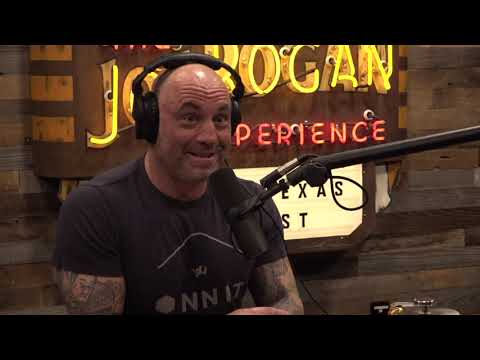
Joe Rogan Experience #1668 - Krystal & Saagar
Narrator, Narrator, Joe Rogan (host), Saagar Enjeti (guest), Krystal Ball (guest), Narrator, Narrator, Narrator, Narrator, Narrator, Narrator, Narrator, Narrator, Narrator
In this episode of The Joe Rogan Experience, featuring Narrator and Narrator, Joe Rogan Experience #1668 - Krystal & Saagar explores krystal and Saagar Explain Leaving Corporate Media, Power, And Propaganda Joe Rogan interviews Krystal Ball and Saagar Enjeti about leaving The Hill to launch their independent show, Breaking Points, digging into why corporate media incentives distort coverage and subtly constrain criticism of powerful interests.
Krystal and Saagar Explain Leaving Corporate Media, Power, And Propaganda
Joe Rogan interviews Krystal Ball and Saagar Enjeti about leaving The Hill to launch their independent show, Breaking Points, digging into why corporate media incentives distort coverage and subtly constrain criticism of powerful interests.
They recount concrete examples of indirect political pressure and advertiser conflicts (from Maxine Waters and TikTok to Chevron and Huawei) to show how access journalism and corporate funding shape what gets covered—and what doesn’t.
The conversation broadens into a critique of U.S. capitalism, Amazon’s labor model, billionaire power (Bezos, Gates), COVID culture wars, lab-leak censorship, domestic-terrorism narratives, and how partisan media stokes tribal hatred while ignoring systemic economic problems.
They argue that audiences are migrating to independent platforms because they want honest, fallible truth-seeking rather than polished narratives, and they see their own project as encouraging people to hate each other less and focus more on the corrupt ruling class.
Key Takeaways
Corporate media rarely censors directly—but incentives and access quietly shape coverage.
Krystal and Saagar describe how The Hill never explicitly told them what not to say, yet advertiser relationships and politicians’ staff complaints (e. ...
Get the full analysis with uListen AI
Audiences are rewarding independent outlets that reject both party scripts and corporate sponsors.
Their rapid success with Breaking Points, and Rogan’s own model, show people will pay directly for content when they sense genuine independence—hosts stating their biases clearly, criticizing both sides, and refusing to carry water for parties or corporations.
Get the full analysis with uListen AI
Amazon’s labor model is setting a dangerous national standard for low-wage work.
They outline Amazon’s hyper-surveillance, brutal productivity quotas, bag-shitting delivery routes, built-in churn (Bezos believing workers become ‘lazy’), anti-union campaigns, and how its growing dominance in logistics and retail will let it effectively dictate conditions for millions of workers.
Get the full analysis with uListen AI
“Woke” corporate branding often masks exploitative practices and deep inequalities.
Examples like Amazon’s ‘Black Lives Matter’ banners alongside discriminatory warehouse policies, Disney thanking Chinese security agencies tied to Uyghur abuses, and Hollywood bowing to Chinese censors (John Cena, Mulan) illustrate how social-justice language is weaponized to protect profits and global market access.
Get the full analysis with uListen AI
Media partisanship and Trump derangement broke basic truth-seeking norms around COVID and lab-leak.
They argue many journalists reflexively trusted Fauci and Peter Daszak, dismissed lab-leak as ‘racist’ because Trump mentioned it, and protected scientific funding networks—leading to a WMD‑scale failure where a plausible origin theory was suppressed for a year, undermining trust and delaying a real gain‑of‑function debate.
Get the full analysis with uListen AI
Framing domestic extremism as the top security threat risks a new, dangerous surveillance regime.
Using January 6th, the administration and security agencies are pushing to repurpose war-on-terror tools domestically; Krystal and Saagar warn vague definitions of ‘domestic terrorism’ will creep from white supremacists to political dissidents, echoing post‑9/11 entrapment, overreach, and permanent budget expansion.
Get the full analysis with uListen AI
Culture war obsession lets elites avoid fixing material problems like wages, housing, and debt.
They stress that both parties and cable news focus on symbolic battles (Dr. ...
Get the full analysis with uListen AI
Notable Quotes
“We believe in making people hate each other less and hate the corrupt ruling class more.”
— Saagar Enjeti
“People don’t want this spoon-fed narrative…they’re sick and tired of having their attention monetized.”
— Krystal Ball
“The biggest mistake America made is we convinced our upper class that they earned it.”
— Saagar Enjeti
“You can’t have a country where the only fricking value is money.”
— Krystal Ball
“It’s actually a viable strategy to tell the truth now—as a marketing strategy.”
— Joe Rogan
Questions Answered in This Episode
How sustainable is independent media’s business model if platforms or payment processors themselves become politicized gatekeepers?
Joe Rogan interviews Krystal Ball and Saagar Enjeti about leaving The Hill to launch their independent show, Breaking Points, digging into why corporate media incentives distort coverage and subtly constrain criticism of powerful interests.
Get the full analysis with uListen AI
If unions are the historical answer to corporate power, what would a modern, tech-era union movement need to look like to be effective against firms like Amazon?
They recount concrete examples of indirect political pressure and advertiser conflicts (from Maxine Waters and TikTok to Chevron and Huawei) to show how access journalism and corporate funding shape what gets covered—and what doesn’t.
Get the full analysis with uListen AI
Where should the line be drawn between combating real domestic extremism and protecting civil liberties, encryption, and dissenting speech?
The conversation broadens into a critique of U. ...
Get the full analysis with uListen AI
Given the lab-leak fiasco, what concrete incentives or structural changes would force mainstream newsrooms to prioritize truth over partisan or institutional loyalty?
They argue that audiences are migrating to independent platforms because they want honest, fallible truth-seeking rather than polished narratives, and they see their own project as encouraging people to hate each other less and focus more on the corrupt ruling class.
Get the full analysis with uListen AI
What would a realistic, politically viable package of reforms look like to reduce billionaire power—without killing innovation or entrenching a different set of elites?
Get the full analysis with uListen AI
Transcript Preview
(drum roll) Joe Rogan podcast, check it out.
The Joe Rogan Experience.
Train by day, Joe Rogan podcast by night. All day. (instrumental music) We're rolling. So, uh, you guys have a new show. (laughs)
(laughs)
Hey, Joe. What's up?
I just wanna say, I told you. I knew it was gonna work.
Yeah. You were-
It never would've happened without you. I-
I knew it was gonna work. I was like, "Why are you, like, trapped?" Yeah.
I mean, uh, it really is actually true. We've been thinking about going independent for a while, because it's just more consistent with our values. The Hill takes money from all kinds of people-
Mm-hmm.
... that are very contrary to the things that we've been talking about. But you know, it's scary to... I got kids. I got, you know, bills-
Health insurance, yeah.
... to handle, the health insurance, all this stuff.
Yeah, yeah. (laughs)
And so, I think especially during COVID when we couldn't actually directly interact with the audience in person, it's hard to know how real it is. So, when we talked to you and we were like, "Uh, we're thinking about it. We're kinda nervous," and you were s- you weren't just like, "Maybe," you were like, "Yes, do this," it actually really did help us to make the move. So thank you.
No, no question.
I am the terrible person to take advice like that from 'cause I'm always like, "Jump!"
Yeah.
(laughs)
Fucking jump!
Well, in this case-
No, but you were right.
... it was the right call, so...
(laughs)
It was-
... broken clock or whatever.
It's really scary. Um, and it's one of those things where, we were telling you this before, where you're like, you don't know, uh, if you're, you're like, "Am I gonna miss this?" You have these guys. You have the support. Like, I don't have to-
Yeah.
... deal with all this, like, administrative stuff and, like, set design and upload. But honestly, we love it so much. Like, we, we wrapped, I think, our second show, so we could finally hang out. And I w- I, I text her. I was like, "This is amazing! Like, we're free!"
Yeah.
We do it the way that we want. We produce it the way that we want. And just having all the, like, big stuff outta your mind in terms of, like, the pressures of corporate media, because to be clear, like, The Hill never, like, directly censored us, right? But, and you've talked about this, it's about these outside interests. Like, there's interests that their company has that have nothing to do with us but could impact their interest based upon what I say. And I've told this story publicly now about what happened, but like, we were doing a segment, just a basic segment. I wanna, I wanna be very charitable. And once again, to be clear, The Hill never said anything. They said, "Don't say this," or whatever. But we're talking about the seniority system for Democrats in Congress. And I was like, this creates really perverse incentives because you have all these really old people who run Congress, like Maxine Waters, who's, like, 80 years old. Here's all I said. "Maxine Waters will be chairwoman of the Financial Services Committee till the day she dies." That's it. So, I later find out, her fucking press secretary called someone at The Hill and said, "Sagar's issuing a death threat against Maxine Waters."
Install uListen to search the full transcript and get AI-powered insights
Get Full TranscriptGet more from every podcast
AI summaries, searchable transcripts, and fact-checking. Free forever.
Add to Chrome