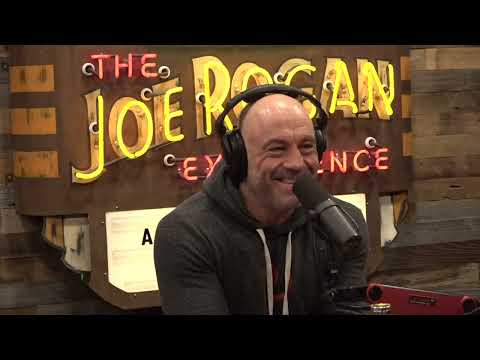
JRE MMA Show #151 with Bo Nickal
Narrator, Narrator, Joe Rogan (host), Bo Nickal (guest), Narrator, Narrator, Narrator, Narrator, Narrator
In this episode of The Joe Rogan Experience, featuring Narrator and Narrator, JRE MMA Show #151 with Bo Nickal explores bo Nickal Reveals Blueprint For Dominating MMA Through Wrestling Mastery Bo Nickal joins Joe Rogan to discuss state-sponsored doping in wrestling, the ethics and impact of PEDs, and the proposed 'Enhanced Games' where drug use is allowed. They dive deep into Bo’s transition from elite collegiate wrestling to MMA, emphasizing his analytical, systematic approach to striking, film study, and training. Nickal explains how he structures his life around optimization—strength and conditioning, recovery, and mental preparation—drawing heavily from Penn State’s data-driven wrestling dynasty and coach Sam Calavita’s brutal but measured conditioning programs. The conversation expands to technology, AI, politics, COVID-era manipulation, and bowhunting, tying together themes of personal responsibility, discipline, and resisting institutional control.
Bo Nickal Reveals Blueprint For Dominating MMA Through Wrestling Mastery
Bo Nickal joins Joe Rogan to discuss state-sponsored doping in wrestling, the ethics and impact of PEDs, and the proposed 'Enhanced Games' where drug use is allowed. They dive deep into Bo’s transition from elite collegiate wrestling to MMA, emphasizing his analytical, systematic approach to striking, film study, and training. Nickal explains how he structures his life around optimization—strength and conditioning, recovery, and mental preparation—drawing heavily from Penn State’s data-driven wrestling dynasty and coach Sam Calavita’s brutal but measured conditioning programs. The conversation expands to technology, AI, politics, COVID-era manipulation, and bowhunting, tying together themes of personal responsibility, discipline, and resisting institutional control.
Key Takeaways
Leverage one world-class specialty, then make everything else elite.
Nickal argues modern MMA favors fighters with one overwhelming skill (e. ...
Get the full analysis with uListen AI
Systematize training instead of just 'training hard.'
He stresses building a structured system—specific weekly schedules, clear roles for each session (striking, grappling, S&C, recovery), and long-term periodization—rather than randomly sparring and 'going hard' like many MMA gyms still do.
Get the full analysis with uListen AI
Treat film study as seriously as physical training.
Bo spends 4–5 hours a week watching tape analytically, often with specialist coach Barry Robinson, breaking down positioning, reactions, southpaw/orthodox dynamics, and opponent tendencies—mirroring how elite quarterbacks study defenses.
Get the full analysis with uListen AI
Use data and honest feedback to define your limits and recovery needs.
Working with strength coach Sam Calavita, Nickal tracks heart rate, VO2, metabolic data, and even stress responses (like breaking out in cold sores) to set volume caps, schedule two weekly rest days, and avoid overtraining.
Get the full analysis with uListen AI
Mental discipline and emotional control are as critical as cardio.
He emphasizes staying relaxed, managing output across three- and five‑round fights, and not getting baited into emotional brawls; the psychological pressure his wrestling threat creates often exhausts opponents faster than physical exchanges.
Get the full analysis with uListen AI
Career pacing can be more important than rapid hype.
Despite fast UFC interest, Nickal intentionally slows his climb—fighting often early, then taking many months off to improve before facing ranked fighters—so he can dominate at every stage rather than rush into the top 15 underdeveloped.
Get the full analysis with uListen AI
True professionalism requires full‑lifestyle alignment, not just camp effort.
From never drinking during competitive years to daily nutrition, sleep, and cold/heat therapy, Bo frames success as optimizing every aspect of life, then using the UFC’s platform (not just its pay) to build long‑term opportunity.
Get the full analysis with uListen AI
Notable Quotes
“If you’re willing to take a back door and juice, to me that’s a character thing. You’re afraid you can’t do it without it.”
— Bo Nickal
“I’ve been training MMA for a little over two years, I’m 5–0, and I haven’t even been hit yet.”
— Bo Nickal
“MMA needs to move toward how an NFL quarterback talks about reading a defense—systematic, analytical, professional.”
— Bo Nickal
“If you’re not in the UFC, are you really playing football? It’s the NFL of fighting.”
— Joe Rogan
“I don’t want to guess if I’m ready. I want to know for a fact I’ve done everything right.”
— Bo Nickal
Questions Answered in This Episode
How far can a data-driven, analytical approach actually push MMA performance compared to traditional 'tough guy' training cultures?
Bo Nickal joins Joe Rogan to discuss state-sponsored doping in wrestling, the ethics and impact of PEDs, and the proposed 'Enhanced Games' where drug use is allowed. ...
Get the full analysis with uListen AI
At what point, if ever, should combat sports allow therapeutic or performance‑enhancing substances like peptides or even steroids under medical supervision?
Get the full analysis with uListen AI
How will AI-based game-planning and opponent analysis change coaching, fight IQ, and the way fighters prepare over the next decade?
Get the full analysis with uListen AI
For elite wrestlers considering MMA, what is the optimal balance between preserving their wrestling edge and rapidly developing striking and jiu-jitsu?
Get the full analysis with uListen AI
How can fighters maintain individual autonomy and health-first decision-making in a landscape shaped by powerful promotions, sponsors, and politicized media narratives?
Get the full analysis with uListen AI
Transcript Preview
(drumming music) Joe Rogan podcast, check it out.
The Joe Rogan Experience.
Train by day, Joe Rogan podcast by night, all day. (rock music)
What's up, Bo? How are you?
Good. How you doing?
What's happening?
Not much.
I was gonna ask you, w- we were just looking at that photo of Karelin and talking about the Soviet program and the doping program. Did you ever see that movie, uh, Icarus?
Yeah, I did watch that.
Fucking wild.
Crazy. I- I thought it was just insane too how it didn't even really start off the way that it ended. Like, he wasn't even really trying to like figure all this stuff out. He just like fell into it, right?
Yeah.
Yeah.
Total dumb luck.
Yeah, but I mean, since I- I wrestled my whole life and stuff and pay attention to the international scene, it's like, it's not really a secret. Like, everybody kind of knows, right? Just like, that's the first legitimate real proof that somebody's kind of come out with. But I mean, everybody kind of knew, like that's what's going on.
But that was so insane though, that they had a hole in the wall where they were-
Yeah.
... handing through-
The urine samples, right? Yeah.
... the dirty urine and getting back clean urine and then submitting that. And if it wasn't for microanalysis of the jars, then they realize, oh, the Soviets had figured ... well, it wasn't the Soviets, it was the Russians, had figured out some way to- to open up these unopenable jars-
Yeah.
... 'cause they had scratched them-
Right.
... in little places.
Yeah, yeah, I mean, they freaking ... they wanna win really bad. And it's like, for them too, it's a- it's a different level. Like, uh, the guys that- that won that were very successful, um, maybe 10, 15, 20 years ago, those guys are like big government positions and stuff. Like m- like in the U.S., in the U.S. you win the Olympics in wrestling, you win like a quarter million bucks and it's a big deal for like a month and then you kind of move on. But over there, it's like you're kind of set for life.
Really?
So it's like ... yeah, it's like a different ... it's a completely different, uh, kind of motivation I think.
Yeah, what is it like competing when you know that there's like state-sponsored programs that are involved in these other countries-
(laughs)
... doping up their athletes?
It's pretty weird. You know, I think that because like I said, I kind of grew up ... you grow up with an understanding o- of it, knowing like this is kind of the way it works, uh, you just ... you're ready for it, you're prepared, you understand, but ... and I'm sure I've competed against a lot of guys that were doping and doing stuff, but the one experience that I had that was like, uh, really kind of prominent in my mind, so I wrestled this dude ... I- I wrestled at a tournament in Rome. This was a few years ago and I was trying to go up from ... I was in between weights, so my weight was, uh, 86 kilos or 97 kilos, and I was ... and I ... it was kind of having a little trouble with my lower back, so I was like, "I don't wanna cut, I just wanna like get bigger." And so I came in, uh, and I was weighing, uh, like 210, which the weight class is 213, 97 kilos, and I was like, "I'll be fine, like I'll be good." And, uh, I rolled up, uh, to this second round match and I was wrestling this Ir- Iran- Iranian dude, and my coa- uh, my coaches weren't there with me so I had like some different coaches and they didn't really warn me who this dude was. I had wrestled the number one Iranian guy a few months earlier and I tech- I tech falled him, like I killed him, so I was like, "I'm gonna smash this dude, like I don't even ... I don't give a crap." This dude comes out, he's like two inches taller than me, freaking jacked as hell, and, uh, does a forward roll and h- like squat jump and his feet are like over my head, and I'm like, "What the hell is going on here?"
Install uListen to search the full transcript and get AI-powered insights
Get Full TranscriptGet more from every podcast
AI summaries, searchable transcripts, and fact-checking. Free forever.
Add to Chrome