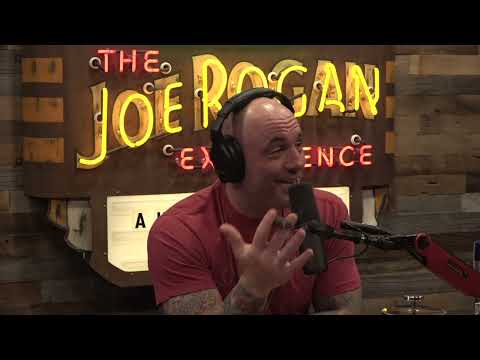
Joe Rogan Experience #1821 - Bert Kreischer & Tony Hinchcliffe
Tony Hinchcliffe (guest), Narrator, Joe Rogan (host), Bert Kreischer (guest), Narrator, Narrator, Narrator, Narrator, Guest (uncertain which, brief aside) (guest), Narrator, Tony Hinchcliffe (guest), Tony Hinchcliffe (guest), Tony Hinchcliffe (guest), Narrator, Tony Hinchcliffe (guest), Tony Hinchcliffe (guest), Tony Hinchcliffe (guest), Narrator, Narrator, Narrator
In this episode of The Joe Rogan Experience, featuring Tony Hinchcliffe and Narrator, Joe Rogan Experience #1821 - Bert Kreischer & Tony Hinchcliffe explores comics riff on fame, trials, history, addictions, and absurd hobbies Joe Rogan, Bert Kreischer, and Tony Hinchcliffe improvise a long, free‑form conversation that bounces from celebrity gossip and court cases to dark history, stand‑up craft, and midlife obsessions like disc golf and surfing.
Comics riff on fame, trials, history, addictions, and absurd hobbies
Joe Rogan, Bert Kreischer, and Tony Hinchcliffe improvise a long, free‑form conversation that bounces from celebrity gossip and court cases to dark history, stand‑up craft, and midlife obsessions like disc golf and surfing.
They spend significant time mocking and dissecting the Amber Heard–Johnny Depp trial and its media ecosystem, then veer into slavery, colonial atrocities, Bill Cosby, OJ, and how history is sanitized.
The comics analyze how stand‑up careers actually work—being “undeniable,” the impact of podcasts, touring in buses, green‑room culture, and dealing with fame, money, and substance use.
Throughout, they mix serious commentary with outrageous stories, self‑deprecation, and inside‑baseball comedy talk, giving a snapshot of how modern comics think, work, and entertain offstage.
Key Takeaways
Being “undeniable” is still the core career strategy in stand‑up.
Rogan reiterates that comics break through by killing onstage so consistently that gatekeepers can’t ignore them; Kreischer describes obsessively working his Netflix hour every night with that mantra.
Get the full analysis with uListen AI
Podcasting and direct fan connection have radically changed comedians’ leverage.
They recount how early JRE episodes and personal podcasts instantly translated into ticket sales, creating independence from networks, travel shows, and traditional TV validation.
Get the full analysis with uListen AI
Fame can fuel delusion, especially when no one around you says “no.”
Using Amber Heard and certain actors as examples, they argue that some celebrities mistake success for intelligence, overestimate their cleverness, and walk into public disasters without honest feedback.
Get the full analysis with uListen AI
History is far darker and more censored than most schooling reveals.
They highlight disturbing facts—George Washington’s dentures made from enslaved people’s teeth, Columbus’s atrocities, Portuguese slavery, Nazi‑linked fashion houses, Genghis Khan’s mass killings—and note how little of this is taught.
Get the full analysis with uListen AI
Vices and health can coexist for a while, but there’s a breaking point.
Bert details his heavy but time‑boxed drinking, weed use to drink less, and surprising “good” bloodwork, while openly acknowledging he needs a real reset (no booze, two‑a‑day workouts, cold plunges).
Get the full analysis with uListen AI
Green‑room dynamics and hang culture matter as much as raw talent.
They describe how comics evaluate who’s fun or disruptive backstage, why “casuals” talking over pros ruin the warmup, and how being enjoyable to tour with influences who gets opportunities.
Get the full analysis with uListen AI
New hobbies can become powerful identity and mental‑health outlets.
Rogan and Kreischer show how going deep into disc golf, pool, archery, or surfing gives them beginner’s mind again, structure outside work, and a healthier way to channel their obsessive tendencies.
Get the full analysis with uListen AI
Notable Quotes
“You just have to be undeniable. And as a comic… if you fucking kill, people wanna see you and they wanna come back and see you again.”
— Joe Rogan
“When they get famous, they think because they did that magic trick that they’re one of the smartest people in the world. You didn’t get smarter—you just can act good.”
— Bert Kreischer
“This is probably the first public thing where a guy who's a famous guy and a girl who's a famous girl are in a spat, and the guy’s winning.”
— Bert Kreischer (about Depp vs. Heard)
“It’s wild to give [Columbus] a holiday… you read the shit about Columbus, it’s terrifying because there’s a day dedicated to this guy.”
— Joe Rogan
“The things you’re interested in, other people find interesting. If you’re into pool—if you’re into archery—and you talk about it, people go, ‘Goddammit, I should do that.’”
— Bert Kreischer
Questions Answered in This Episode
How fair or dangerous is it for public opinion to be shaped by highly edited viral trial clips like the Amber Heard donation exchange?
Joe Rogan, Bert Kreischer, and Tony Hinchcliffe improvise a long, free‑form conversation that bounces from celebrity gossip and court cases to dark history, stand‑up craft, and midlife obsessions like disc golf and surfing.
Get the full analysis with uListen AI
What responsibility do schools and media have to present the brutal, less flattering parts of national history that the comedians discuss?
They spend significant time mocking and dissecting the Amber Heard–Johnny Depp trial and its media ecosystem, then veer into slavery, colonial atrocities, Bill Cosby, OJ, and how history is sanitized.
Get the full analysis with uListen AI
How much should stand‑up rely on being “undeniable” versus networking, branding, and platform strategy in today’s comedy economy?
The comics analyze how stand‑up careers actually work—being “undeniable,” the impact of podcasts, touring in buses, green‑room culture, and dealing with fame, money, and substance use.
Get the full analysis with uListen AI
At what point does a comic’s drinking or drug routine stop being a persona and become an ethical issue for audiences and peers?
Throughout, they mix serious commentary with outrageous stories, self‑deprecation, and inside‑baseball comedy talk, giving a snapshot of how modern comics think, work, and entertain offstage.
Get the full analysis with uListen AI
Could niche activities like disc golf or pool ever break into mainstream sports culture, and what role could celebrity advocates realistically play in that shift?
Get the full analysis with uListen AI
Transcript Preview
(drum roll) Joe Rogan podcast, check it out.
The Joe Rogan Experience. (rock music plays)
Train by day, Joe Rogan podcast by night, all day. So what, so explain. So bogey, what's the best? Is like, what's a pro-level golfer?
Scratch.
Scratch.
The scratch is if, if you're, you're pouring-
So Santino's, like, pro level?
I would... No, so a pro is different. So he's not playing from the tips.
Oh by the way, cheers, gentlemen.
Cheers.
Cheers.
Cheers. Cheers, gentlemen. I miss you guys.
Hell yeah.
(glasses clink) So we should talk about how this podcast came about. Not me and Bert. Bert and I got stem cells today at, uh, Waste Well.
(clears throat)
Shout out to Brigham. And then, uh, we got something to eat, uh, got some barbecue. And we were driving, and I see this yellow Corvette, and I go, "Is that the great and powerful Tony Hinchcliffe?"
It's me at a red light.
And I go, "What are you doing?" He goes like, "Nothing, chilling."
(laughs)
I go, "Come do a podcast with us." And so we're here.
I saw the car, and I was like, "God damn it, that's the car LeeAnn wanted." It's a fucking badass car.
Yeah, they're, they're dope.
You guys are cool with cars, man. I wish I had better taste in cars.
Move here, you will. It happens naturally.
But what's, what's wrong with your taste in cars?
I am an old man. I like, uh, I, I like to... A sedan, a big-bodied sedan.
Sedans are nice.
With a nice cool, dark interior.
Ooh. Yeah.
Yeah, like a, like a chocolate interior.
You know what you should get?
A what?
The new Cadillac.
So I try... I... Uh, the car I wanted that I really liked was when they came back out with the Continental.
Oh.
They came back out with the Continental. I said, "That's my car."
Yeah.
I went and drove it, and uh, it felt, it didn't feel solid to me.
Well, get a Mercedes.
I got a Mercedes.
Do you?
Yeah, I got the, whatever the one is.
You have the S Class?
Yeah, I think.
Mm-hmm.
I don't know. I'm, I'm not a... Like I-
You don't even know what you have.
I don't even know what I have. I know it's the, the big one, you know, the big one.
(laughs) The, the big one.
But like I said, I said, one time I told someone it was a AMG-
Yeah.
... 'cause, 'cause the wheels say AMG.
Right.
And then they were like... and I fucked up, and I, it turned into a drunk fight.
(laughs)
Install uListen to search the full transcript and get AI-powered insights
Get Full TranscriptGet more from every podcast
AI summaries, searchable transcripts, and fact-checking. Free forever.
Add to Chrome