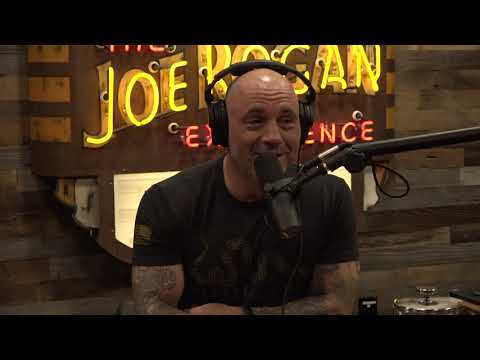
Joe Rogan Experience #1685 - Shane Gillis
Narrator, Narrator, Joe Rogan (host), Shane Gillis (guest), Narrator, Narrator, Narrator, Narrator
In this episode of The Joe Rogan Experience, featuring Narrator and Narrator, Joe Rogan Experience #1685 - Shane Gillis explores shane Gillis on SNL Firing, Cancel Culture, Standup, Psychedelics, Fights Joe Rogan and Shane Gillis spend over three hours talking candidly about Gillis’s short‑lived SNL hiring and firing, the mechanics and psychology of cancel culture, and how the experience reshaped his standup career. They dive into comedy club dynamics, the difference between talking shit and genuine beliefs, and why corporate media is fundamentally at odds with real standup.
Shane Gillis on SNL Firing, Cancel Culture, Standup, Psychedelics, Fights
Joe Rogan and Shane Gillis spend over three hours talking candidly about Gillis’s short‑lived SNL hiring and firing, the mechanics and psychology of cancel culture, and how the experience reshaped his standup career. They dive into comedy club dynamics, the difference between talking shit and genuine beliefs, and why corporate media is fundamentally at odds with real standup.
The conversation ranges widely into drinking, drugs, psychedelics, and wild road stories, as well as MMA—especially Conor McGregor, Khabib, Nate Diaz, and what makes certain fighters and comics uniquely compelling. Rogan repeatedly emphasizes standup’s importance as an art form that depends on free speech and contextual understanding of jokes.
Gillis describes how losing SNL led to deeper appreciation of clubs, his sketch series ‘Gilly & Keeves,’ and a stronger connection with audiences who see him as having survived cancellation. Both argue that cancellations often come from bitter, failed creatives and that the long‑term backlash is pushing audiences toward less censored platforms.
Key Takeaways
Getting ‘canceled’ early can redirect a career into more authentic work.
Gillis went from unknown comic to SNL hire to public firing in four days; instead of destroying him, it pushed him deeper into standup and into making his own sketch series ‘Gilly & Keeves,’ which he and Rogan argue is funnier and freer than what he could have done on network TV.
Get the full analysis with uListen AI
Corporate media and real standup comedy are structurally incompatible.
NBC’s demand for an instant, scripted apology and SNL’s need to appease advertisers show how large institutions can’t tolerate the risk inherent in unfiltered comedy, which thrives on crossing lines, context, and talking shit.
Get the full analysis with uListen AI
Online outrage is often driven by failed or bitter creatives, not true offense.
Both argue that many who lead pile‑ons are mediocre comics or writers using moral outrage to climb; they often knew about problematic behavior for years but only attack once someone is vulnerable because it benefits them socially and professionally.
Get the full analysis with uListen AI
Apologizing in the corporate PR sense can permanently cripple a comic’s voice.
Gillis rejected NBC’s drafted ‘inexcusable’ apology because it would brand all his past and future jokes as unacceptable, making it impossible to return to honest standup; Rogan suggests you can apologize to individuals you hurt, but not issue sweeping PR confessions.
Get the full analysis with uListen AI
Standup clubs and close comic communities are crucial for resilience.
Gillis describes the Comedy Cellar, The Stand, and now Austin’s scene as refuges where comics and audiences understand context and still want dangerous material, providing emotional support and career oxygen when the wider internet is hostile.
Get the full analysis with uListen AI
Psychedelics can deliver brutal but useful feedback about ego and behavior.
Rogan recounts a DMT trip where jesters flipped him off until he realized he took himself too seriously, which permanently changed how he handled fame; Gillis’s intense mushroom trip functioned as a personal ‘overdose warning’ that made him reassess drugs.
Get the full analysis with uListen AI
Audiences increasingly seek uncensored content on independent platforms.
They cite YouTube specials (Normand, Schultz), Patreon podcasts, and sketch channels as evidence that when mainstream outlets drop comics, fans follow them to places with fewer constraints—and often reward them with bigger careers.
Get the full analysis with uListen AI
Notable Quotes
““If you’re a comedian and you virtue signal to other comedians, you’re a traitor. You know what’s going on. You know these guys are just talking shit.””
— Joe Rogan
““I went from poor and nobody knowing who I was to getting canceled immediately. That was my thing. I didn’t get famous then canceled. I got canceled on the way.””
— Shane Gillis
““Don’t ever apologize. You can apologize for hurting people’s feelings, sure—but don’t issue a giant PR statement saying everything you did was inexcusable. That kills comedy.””
— Joe Rogan
““While everybody was crushing me online, I could still go do standup and people in the room were like, ‘We like you.’ That was the only time I was happy.””
— Shane Gillis
““Anybody taking standup or podcast lines, typing them out and pretending that’s who you are is a cunt. They know what they’re doing. They’re taking things out of context on purpose.””
— Joe Rogan
Questions Answered in This Episode
How should comedians balance the need to ‘push boundaries’ with the real possibility of losing mainstream opportunities like SNL?
Joe Rogan and Shane Gillis spend over three hours talking candidly about Gillis’s short‑lived SNL hiring and firing, the mechanics and psychology of cancel culture, and how the experience reshaped his standup career. ...
Get the full analysis with uListen AI
Is there any productive version of public accountability for jokes, or does online cancel culture inevitably become punitive and opportunistic?
The conversation ranges widely into drinking, drugs, psychedelics, and wild road stories, as well as MMA—especially Conor McGregor, Khabib, Nate Diaz, and what makes certain fighters and comics uniquely compelling. ...
Get the full analysis with uListen AI
Could a major network or streaming platform realistically design a show that preserves true standup freedom, or is independence the only option?
Gillis describes how losing SNL led to deeper appreciation of clubs, his sketch series ‘Gilly & Keeves,’ and a stronger connection with audiences who see him as having survived cancellation. ...
Get the full analysis with uListen AI
To what extent do psychedelic experiences actually change long‑term behavior, versus just feeling profound in the moment?
Get the full analysis with uListen AI
Given the backlash against cancellations, are we heading toward a pendulum swing where audiences actively seek out ‘uncancelable’ comics and platforms?
Get the full analysis with uListen AI
Transcript Preview
(drumming music) Joe Rogan podcast, check it out.
The Joe Rogan Experience.
Train by day, Joe Rogan podcast by night, all day. (rock music plays) All right, we're back after a brief hiatus. We had a little fuck-up here.
Yeah.
But we're back. Cheers again.
Yeah, cheers.
So we were saying that, uh, I was saying that this is Stanhope's move, drinking Bud Light, and you were saying that you like drinking Bud Light because, uh, you could drink more. And then I said Stanhope switched to cocktails. This, all this happened, we had a fuck-up-
Yeah.
... with the recording. But you said you lived with Stanhope.
I did.
At the fucking Neverland Ranch?
Yes. It was crazy.
Yeah, what's he doing out there?
Uh, what do you think?
Yeah. (laughs)
(laughs) Just guess.
Just being bombed and having-
He's nuts.
... random strangers show up at his house?
Yeah. He doesn't care. I mean, he's, he's still, he's so funny, but yeah, every once in a while, he'd get, he'd get a little nasty.
Yeah?
He'd turn on me.
He'd turn on you?
Yeah, I'd say every, because we, I mean, it was, it was like a month and I, I can drink, but I can't-
So, you lived with him for a whole month?
Yeah, I lived, I stayed in the guest house.
What is that place like, that Bisbee, Arizona?
It's a cool town.
Yeah?
It's really cool, yeah. Yeah, I don't know. It's like an old mining town, so every house is like an old mine shack. It's crazy.
And most of the people there, what do they do?
Uh, I think when the mines closed, because it was an old copper mine, uh, they all, like hippies from California moved in there, so it's like a real artsy, artsy town.
Is he like the mayor of the town?
Yeah, pretty much.
Yeah.
Although I think all he does is... I could be wrong. Maybe his routine changed during COVID. I, in fact, I know it did. Uh, but they...
Look at your nose.
(laughs) Yeah, that was it. Uh, he would just go to the grocery store and come back. That was his...
That's it?
That was it.
That's it?
That's it.
Just make sure he's got enough money in the bank?
Yeah, talk shit, do podcasts, yeah.
Wow.
Yeah. Yeah. It was fun. But yeah, like I said, every once in a while, he'd get a couple drinks and be like, "Look at you."
(laughs)
(laughs) Like, we'd be hanging out and out of nowhere he'd be like, "You're fat." I'd be like, "All right man, what the fuck, dude?"
Oh my God. (laughs)
Install uListen to search the full transcript and get AI-powered insights
Get Full TranscriptGet more from every podcast
AI summaries, searchable transcripts, and fact-checking. Free forever.
Add to Chrome