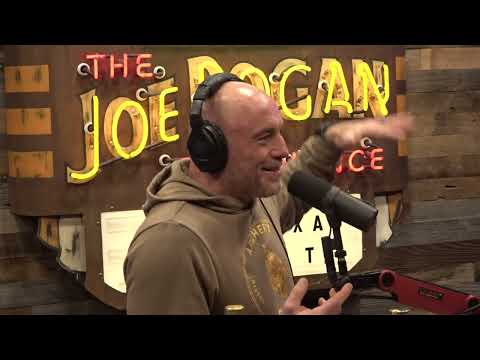
Joe Rogan Experience #2122 - Protect Our Parks 11
Narrator, Narrator, Shane Gillis (guest), Joe Rogan (host), Ari Shaffir (guest), Mark Normand (guest), Guest (guest), Guest (guest), Guest (guest), Guest (guest), Guest (guest), Guest (guest), Guest (guest), Guest (guest), Guest (guest), Guest (guest), Guest (guest), Guest (guest), Guest (guest), Guest (guest), Narrator, Guest (guest), Guest (guest), Narrator, Guest (guest), Guest (guest), Guest (guest), Narrator, Guest (guest), Guest (guest), Narrator, Guest (guest), Guest (guest), Guest (guest), Guest (guest), Guest (guest), Narrator, Guest (guest), Guest (guest), Narrator
In this episode of The Joe Rogan Experience, featuring Narrator and Narrator, Joe Rogan Experience #2122 - Protect Our Parks 11 explores comedians Clash Over Free Speech, Conspiracies, Drugs, And Degeneracy This Protect Our Parks episode of the Joe Rogan Experience is a five‑hour, free‑form hang with Joe Rogan, Shane Gillis, Mark Normand, and Ari Shaffir, bouncing between politics, comedy culture, conspiracies, and absurd personal stories.
Comedians Clash Over Free Speech, Conspiracies, Drugs, And Degeneracy
This Protect Our Parks episode of the Joe Rogan Experience is a five‑hour, free‑form hang with Joe Rogan, Shane Gillis, Mark Normand, and Ari Shaffir, bouncing between politics, comedy culture, conspiracies, and absurd personal stories.
They riff on European hate-speech laws and private-chat prosecutions, CIA and MKUltra lore, the JFK and Epstein/McAfee conspiracies, and how online outrage, cancel culture, and corporate cowardice are reshaping comedy and media.
The group swings between serious critiques of censorship, insider corruption, and war, and completely unhinged bits about drugs, sex, self-sucking, and comics’ physical ineptitude, constantly undercutting heavy topics with dark humor.
Underlying the chaos is a recurring point: comedy, independent media, and not caring what online mobs think are, in their view, the healthiest responses to an increasingly surveilled, politicized, and hysterical culture.
Key Takeaways
Hate-speech laws aimed at ‘protecting’ people often chill comedy and private speech.
They cite Scotland’s new hate-crime framework and a Belgian case where memes in a private chat led to jail time, arguing that vague, subjective standards (“stirring up hatred”) inevitably incentivize police and bureaucrats to overreach and intimidate comics.
Get the full analysis with uListen AI
Assume everything you say can eventually be recorded and weaponized.
The group jokes about group-chats being worse than the podcast, but their point is serious: between phones, smart speakers, and state capabilities, treating private speech as if it could be subpoenaed or leaked is increasingly rational self‑defense.
Get the full analysis with uListen AI
Government and intelligence abuses are easier to sell when paired with moral panic.
They frame MKUltra, Manson, anti-drug crusades, and even JFK’s assassination as examples where the state allegedly used drugs, media, and staged horror to discredit movements (antiwar, civil-rights, hippies) and expand control over civilians.
Get the full analysis with uListen AI
Insider trading and legal corruption erode public trust more than any conspiracy theory.
Looking at Congressional stock performance, they argue that it’s openly absurd for lawmakers to front‑run legislation with trades and then hide behind ‘ethics compliance’—and that this normalized, legal grift fuels more radical distrust of institutions.
Get the full analysis with uListen AI
Big Tech and platforms shape culture through what they amplify and what they silence.
They’re angry that YouTube’s copyright and speech rules prevent them from showing the very clips and music they want to riff on, seeing this as a microcosm of how corporate gatekeepers tilt discourse while pretending to be neutral pipes.
Get the full analysis with uListen AI
Comedy’s healthiest lane is refusing to become an arm of partisan politics.
They contrast independent shows, Skankfest, and club lineups that ‘just book funny’ with legacy institutions (JFL, SNL, some clubs) that chased identity boxes and political respectability, arguing those who hold the line on funny ultimately win audiences.
Get the full analysis with uListen AI
Outrage and cancellation can backfire, making comics bigger and freer.
Shane Gillis walks through being fired from SNL, then hosting it years later; for him and the others, this shows that if you keep writing and selling tickets, online mobs lose leverage and institutions are eventually forced to admit they overreacted.
Get the full analysis with uListen AI
Notable Quotes
“We’re essentially waging a psychological war on the population that’s paying our salary.”
— Joe Rogan (on CIA/MKUltra-style domestic operations)
“If everyone’s private shit got leaked, we’d all be in jail.”
— Shane Gillis
“Hold the line. Just book who’s funny and you’ll be fine.”
— Ari Shaffir (on comedy clubs resisting political pressure)
“If you don’t see it online, it doesn’t exist. I’m the Jewiest-looking guy in the world and I’ve never seen antisemitism in my real life.”
— Ari Shaffir
“You’re concentrating on the musings of morons. Out in the real world, most people are cool if there’s communication.”
— Joe Rogan
Questions Answered in This Episode
Where should the line be between protecting people from genuine incitement and allowing jokes, memes, and offensive private speech to exist without criminal penalties?
This Protect Our Parks episode of the Joe Rogan Experience is a five‑hour, free‑form hang with Joe Rogan, Shane Gillis, Mark Normand, and Ari Shaffir, bouncing between politics, comedy culture, conspiracies, and absurd personal stories.
Get the full analysis with uListen AI
How much weight should we give to historical allegations about CIA operations like MKUltra when interpreting current government narratives about drugs, protests, and domestic extremism?
They riff on European hate-speech laws and private-chat prosecutions, CIA and MKUltra lore, the JFK and Epstein/McAfee conspiracies, and how online outrage, cancel culture, and corporate cowardice are reshaping comedy and media.
Get the full analysis with uListen AI
Are social-media outrage cycles and cancel campaigns mostly an online mirage, or do they meaningfully change who gets booked, promoted, and platformed in comedy and media?
The group swings between serious critiques of censorship, insider corruption, and war, and completely unhinged bits about drugs, sex, self-sucking, and comics’ physical ineptitude, constantly undercutting heavy topics with dark humor.
Get the full analysis with uListen AI
What responsibility do platforms like YouTube and TikTok have to balance copyright, moderation, and free expression when their policies clearly shape what kinds of comedy can thrive?
Underlying the chaos is a recurring point: comedy, independent media, and not caring what online mobs think are, in their view, the healthiest responses to an increasingly surveilled, politicized, and hysterical culture.
Get the full analysis with uListen AI
If corruption and legal insider trading are as normalized as the hosts suggest, what realistic reforms—if any—could restore public trust without just empowering a new set of gatekeepers?
Get the full analysis with uListen AI
Transcript Preview
(drum roll) Joe Rogan podcast, check it out.
The Joe Rogan Experience. (drum music)
Train by day, Joe Rogan podcast by night, all day. (rock music)
Hello.
Yes, we're back.
Whoo!
Fellas, let's go. So much shit to talk about.
So much.
You see that wild shit that's going on in Scotland where they're, they're targeting comedians for hate crime laws?
No.
Still?
Yeah, yeah, yeah.
From, uh, what's his name?
Keep tr-
Count Chocula? Count Dracula?
Well, yeah, that was the si- same place with that guy, Dankula, right?
Count Dankula?
Yeah.
Dankula?
He got in trouble. You know the story?
Sounds like a weed head.
Do you remember that one?
No.
He got in trouble for making his dog do a Hitler.
He turned his- (laughs)
Oh, that. (laughs)
He trained his dog to go "Heil Hitler," just do it to fuck with his girlfriend. (laughs)
Yeah. German shepherd.
You got in trouble for that?
No, it was a little pug.
Yeah, he got, by the law.
It was a cute little pug.
Pull it up.
Bro, I think he got arrested for that.
I've done that in my whole life.
Like, why?
(laughs) They brought him to fucking jail.
You get in trouble for... I do that every time I see a dog. I did it with my ki- my friend's kid.
Yeah, you push his elbow and he does it. It's great.
Oh, really?
"Please, Scotland, we don't, won't target comedians under new hate crime law." That's what you say now, but standup shows still come under its scope.
Hmm.
Jesus Christ, Scotland, you have one of the biggest fucking comedy festivals on Earth-
That's true.
... every year. It's a huge comedy festival.
But they're pretty queefy over there. They'll, they'll-
(laughs)
... cancel the show quick.
They will be. They'll queef it up.
But this is so queefy.
Hate crime?
Age, disability, religion, sexual orientate-
Fuck, my whole act.
What? Yeah, everyone's whole act.
(laughs)
(laughs)
(laughs)
I was gonna say marital acts. (laughs)
Stirring up hatred on certain grounds.
(laughs)
Yeah.
It's everybody's act.
Sexual orientation, yeah.
What? These are just things that exist. You gotta talk about age.
This is so ridiculous.
(laughs)
Wow, Scotland got weird.
That's... Is that a real thing? No way.
"The training materials based on Scottish government's explanatory notes which accompany the legislation. This included examples of a range of scenarios where offensive, um, offenses might take place, but this does not mean officers have been told to target these situations or locations."
But they can if they want?
Install uListen to search the full transcript and get AI-powered insights
Get Full TranscriptGet more from every podcast
AI summaries, searchable transcripts, and fact-checking. Free forever.
Add to Chrome