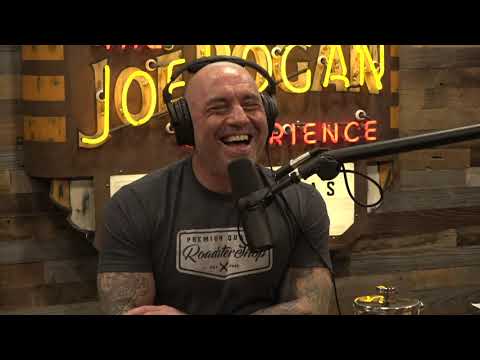
JRE MMA Show #112 with Don Frye
Don Frye (guest), Joe Rogan (host)
In this episode of The Joe Rogan Experience, featuring Don Frye and Joe Rogan, JRE MMA Show #112 with Don Frye explores don Frye Recounts Wild MMA Origins, Pride Wars, And Lasting Damage Joe Rogan sits down with MMA pioneer and Pride legend Don Frye for a long-form conversation about his path from firefighter and horseshoer to UFC star, Japanese pro wrestler, and iconic Pride fighter.
Don Frye Recounts Wild MMA Origins, Pride Wars, And Lasting Damage
Joe Rogan sits down with MMA pioneer and Pride legend Don Frye for a long-form conversation about his path from firefighter and horseshoer to UFC star, Japanese pro wrestler, and iconic Pride fighter.
Frye details the brutal physical toll of fighting and pro wrestling, including multiple neck and back surgeries, severe staph infections, painkiller dependence, and daily chronic pain.
They revisit the early days of the UFC and Pride—bare‑knuckle brawls, lax rules, shady promoters, yakuza ties, and epic fights with Tank Abbott, Ken Shamrock, Takayama, and others—while contrasting that era with today’s more regulated sport.
Frye reflects candidly on addiction, aging, and whether he’d do it all again, while still half‑seriously eyeing a comeback if stem‑cell treatments can repair his battered body.
Key Takeaways
Wrestling remains the most important foundational discipline in MMA.
Rogan and Frye agree that elite wrestlers have a built‑in advantage: they dictate where the fight takes place and can impose or nullify takedowns, which historically correlates with the highest number of UFC champions.
Get the full analysis with uListen AI
The early UFC and Pride eras were both experimental and dangerous.
Stories of bare‑knuckle fights, headbutts, ad‑hoc rules, shady contracts, and yakuza involvement in Pride reveal a wild, unregulated environment that forged the sport but left many fighters exploited and badly injured.
Get the full analysis with uListen AI
Pro wrestling can be more damaging than MMA due to volume and schedule.
Frye says his worst injuries came from New Japan Pro Wrestling, where constant bumps, nightly shows, and brutal travel compounded damage far beyond what single MMA fights typically caused.
Get the full analysis with uListen AI
Chronic pain and easy access to meds push fighters toward painkiller dependence.
Frye openly admits that after the Ken Shamrock fight he fought on pain pills, mixing opiates and alcohol, and that his career and personal life deteriorated as he tried to manage escalating pain from multiple surgeries.
Get the full analysis with uListen AI
Severe infections are a hidden but life‑threatening risk of combat sports and surgery.
He describes multiple staph infections—including one inside his spinal cord—near‑death hospitalizations, open‑back wound care, and how misdiagnosis and poor aftercare nearly killed him.
Get the full analysis with uListen AI
The mental preparation for high‑stakes fights is isolating and psychologically brutal.
Frye compares serious fight camps to prison: you cut yourself off from family and normal life, live with constant anxiety about the upcoming battle, and often leave a permanent part of yourself in the ring.
Get the full analysis with uListen AI
Despite the costs, many fighters would still choose the same path.
When asked if he’d do it all over again despite crippling injuries and chronic pain, Frye answers immediately that he would, and even talks about seeking stem‑cell treatment in hopes of fighting at the highest level once more.
Get the full analysis with uListen AI
Notable Quotes
“You bet your sweet ass I’d do it again.”
— Don Frye
“My ass crack goes from my balls up to my shoulder blades.”
— Don Frye
“If I could get my back fixed up, I’m there, buddy. I’d love to fight Ngannou.”
— Don Frye
“We knew more about martial arts after four years of the UFC than had been done in 400 years.”
— Joe Rogan
“Those weren’t my words. When you’re pilled up and drunk, you spew a lot of hatred.”
— Don Frye
Questions Answered in This Episode
Given the long‑term damage he describes, what safeguards should MMA promotions implement today to better protect fighters’ health and post‑career lives?
Joe Rogan sits down with MMA pioneer and Pride legend Don Frye for a long-form conversation about his path from firefighter and horseshoer to UFC star, Japanese pro wrestler, and iconic Pride fighter.
Get the full analysis with uListen AI
How much of the early MMA and Pride success depended on the very chaos and lack of regulation that also harmed fighters?
Frye details the brutal physical toll of fighting and pro wrestling, including multiple neck and back surgeries, severe staph infections, painkiller dependence, and daily chronic pain.
Get the full analysis with uListen AI
If stem‑cell and regenerative medicine advance significantly, should aging legends like Frye be encouraged or discouraged from making comebacks?
They revisit the early days of the UFC and Pride—bare‑knuckle brawls, lax rules, shady promoters, yakuza ties, and epic fights with Tank Abbott, Ken Shamrock, Takayama, and others—while contrasting that era with today’s more regulated sport.
Get the full analysis with uListen AI
What lessons about painkiller use and mental health should current fighters take from Frye’s candid admissions about addiction and withdrawal?
Frye reflects candidly on addiction, aging, and whether he’d do it all again, while still half‑seriously eyeing a comeback if stem‑cell treatments can repair his battered body.
Get the full analysis with uListen AI
How would Don Frye’s skill set and style translate against today’s heavyweights in a fully modern, well‑regulated UFC?
Get the full analysis with uListen AI
Transcript Preview
(drum roll) Joe Rogan podcast, check it out.
The Joe Rogan Experience. Train by day, Joe Rogan podcast by night, all day. (rock music plays) Don Frye, it's a goddamn honor and a pleasure.
Hey, partner. Thank you. Uh, you know, like I said earlier, first time, first and only time we met, I insulted you. It was-
I don't remember that.
It was down there in Alabama, right?
(laughs) Those are early days, right?
Yeah, number 12.
Oh, UFC 12. That was my first one.
Yeah. And-
What'd you say?
Well, we were backstage, and, you know, they introduced us, and I says, you know, "Do you know who this guy is?" They said, and I says, "Yeah, he, he plays that real dumb guy on, (laughs) on the news radio show." (laughs)
(laughs)
And you looked so-
But that's not an insult.
... and you looked so hurt. Then I find out-
(laughs)
... I find out, you know, your character's really actually part of who you are, and (laughs) ...
That's part of the problem. It's very, it was very close to who I am, unfortunately. (laughs)
All right, fine. I've been watching your dr- ... And you're a smart bastard, man. I'm impressed.
I have a good memory. I'm not that smart-
No, you ...
... but I have a good memory.
You know what the hell's going on in a lot of the stuff, you know?
I know what some things, some things.
The Bob Lazar stuff? I mean, that's impressive.
Oh, yeah. Are you interested in UFOs?
Oh, yeah.
Yeah.
Yeah, yeah.
A lot of folks in Arizona are interested in UFOs.
There's a lot of that.
They visit there quite a bit-
Yeah.
... it seems like.
Yeah, there's a ... The house that I have, um, it was built ... I guess the guy who built it, um, built it so his wife could watch the UFOs (laughs) over at the mountain there.
Wow, that's a high maintenance lady.
Yeah.
(laughs)
Yeah. Well, they all are, aren't they?
(laughs) But imagine that. "What, what kind of house you want, honey?" "I want a house where I watch UFOs."
Yeah. (laughs)
"I need an observation deck."
That's basically it. (laughs)
Mm-hmm.
It was, it was like a bunker. (laughs)
Was it?
Yeah. Half of it's in the ground, and then half's ... And then all the block, you know, you got the big 16 by 8 block, and they're all filled with cement, so like-
Oh, there's a lot of weird houses like that. There's a house for sale in Arizona right now, it used to be Steven Seagal's house. It might still be his house. He's selling it. But it's bulletproof. It's got bulletproof glass. It's like a compound.
Install uListen to search the full transcript and get AI-powered insights
Get Full TranscriptGet more from every podcast
AI summaries, searchable transcripts, and fact-checking. Free forever.
Add to Chrome