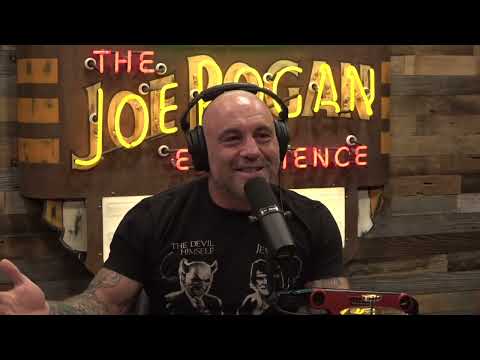
Joe Rogan Experience #1856 - Nate Bargatze
Narrator, Narrator, Joe Rogan (host), Nate Bargatze (guest), Narrator, Narrator, Narrator, Narrator, Narrator, Narrator, Narrator, Narrator, Narrator, Narrator, Narrator, Narrator
In this episode of The Joe Rogan Experience, featuring Narrator and Narrator, Joe Rogan Experience #1856 - Nate Bargatze explores joe Rogan and Nate Bargatze Dissect Standup, Stardom, and Sanity Online Joe Rogan and Nate Bargatze spend a long, loose conversation digging into the craft and business of standup comedy, from building an hour and surviving the pandemic to the difference between club, theater, and arena shows.
Joe Rogan and Nate Bargatze Dissect Standup, Stardom, and Sanity Online
Joe Rogan and Nate Bargatze spend a long, loose conversation digging into the craft and business of standup comedy, from building an hour and surviving the pandemic to the difference between club, theater, and arena shows.
They contrast real-world touring comics with social‑media and politically obsessed performers, stressing the importance of having an actual act, staying on the road, and growing with your audience over years.
The discussion branches into Hollywood’s absurdities (pilots, casting, multicam vs. single‑cam), the rise of podcasts and YouTube as parallel industries, and how technology like deepfakes and platforms like 4chan change culture.
Throughout, they weave in stories about legends (Pryor, Rock, Attell, Chappelle), near-fights with Wesley Snipes, COVID-era shows, and how fame, family life, and online outrage affect both comedy and personal sanity.
Key Takeaways
A strong, cohesive act is more important than online fame.
Rogan and Bargatze argue that social media followers and political hot takes don’t sustain a career—what keeps people coming back is a well‑built hour that flows, evolves, and consistently crushes in front of real audiences.
Get the full analysis with uListen AI
Time on the road is the fastest way to write and tighten material.
Long headlining sets in clubs, theaters, and varied venues let comics experiment, sit in silence, and stretch bits; short city spots teach tightness, but hours onstage build depth, flow, and a real ‘show’ instead of stitched‑together chunks.
Get the full analysis with uListen AI
The pandemic exposed who was truly committed to standup.
Some comics found any way to keep performing (outdoor shows, drive‑ins, weird gigs) and kept the muscle sharp; others disappeared into Twitter politics, revealing how fragile their standup identity and discipline actually were.
Get the full analysis with uListen AI
Community with other comics is critical for sanity and growth.
Both stress that having a circle of peers—whether at the Comedy Store, the Cellar, or in Austin—keeps comics honest, improves their material, and prevents the psychological isolation that can come with fame or nonstop touring.
Get the full analysis with uListen AI
Hollywood’s gatekeeping is brittle; creator-owned paths are rising.
They describe pilots that never air, casting notes that make no sense, and network fear of risk—then contrast it with YouTube specials, podcast-driven careers, and examples like MrBeast or Ms. ...
Get the full analysis with uListen AI
Jealousy is wasted energy; use it as fuel to become ‘undeniable.’
Rogan echoes Steve Martin’s advice: instead of resenting others’ success or rooting for them to fall off, pour that emotional energy into getting so good that people can’t ignore you, regardless of industry politics.
Get the full analysis with uListen AI
Online outrage and anonymous spaces distort reality and behavior.
Their dive into Twitter, 4chan, QAnon, and deepfakes shows how anonymity, algorithmic outrage, and hyper‑politicization push people toward performative anger, making it even more important to choose what information you consume.
Get the full analysis with uListen AI
Notable Quotes
“You still have to have an act. People will go watch someone once, but if they do not have an act, no one’s going to come back.”
— Nate Bargatze
“It’s a muscle. During the pandemic some people did whatever they had to do to stay funny, and others just collapsed on themselves and got political.”
— Joe Rogan
“It’s a show. You can’t just take four 15‑minute sets and sort of jam them together. You really want it to flow, and the only way to learn that is to do the hour.”
— Joe Rogan
“As a comedian, what you are selling is yourself. You’re going, ‘I am me, this is what I’m doing,’ and that’s what it is.”
— Nate Bargatze
“Be so good they can’t ignore you. It’s much easier doing it that way than going to cocktail parties.”
— Steve Martin (quoted by Joe Rogan)
Questions Answered in This Episode
How has your approach to building a new hour changed as your audience and venues have grown from clubs to theaters and arenas?
Joe Rogan and Nate Bargatze spend a long, loose conversation digging into the craft and business of standup comedy, from building an hour and surviving the pandemic to the difference between club, theater, and arena shows.
Get the full analysis with uListen AI
What specific habits or guardrails do you use to keep from getting sucked into political outrage or social media addiction?
They contrast real-world touring comics with social‑media and politically obsessed performers, stressing the importance of having an actual act, staying on the road, and growing with your audience over years.
Get the full analysis with uListen AI
If you were starting standup today, would you prioritize traditional club work, podcasting, or building an online following—and in what order?
The discussion branches into Hollywood’s absurdities (pilots, casting, multicam vs. ...
Get the full analysis with uListen AI
How do you think deepfakes and AI voice cloning will change what we can trust in media and comedy over the next decade?
Throughout, they weave in stories about legends (Pryor, Rock, Attell, Chappelle), near-fights with Wesley Snipes, COVID-era shows, and how fame, family life, and online outrage affect both comedy and personal sanity.
Get the full analysis with uListen AI
What’s the right balance between being ‘undeniably good’ and still navigating the realities of casting, streaming platforms, and industry gatekeepers?
Get the full analysis with uListen AI
Transcript Preview
(drumming) Joe Rogan podcast, check it out.
The Joe Rogan Experience.
Train by day, Joe Rogan podcast by night, all day. (instrumental music plays) Hello, Nate.
Joe.
Good to see you, my friend.
Good to see you, buddy.
It was fun last night. It was a fun day, yeah.
It was fun. Yeah. I- y- yeah, that worked out great. I came here at like, you know, to go do a spot. I was in two very different environments, of just a corporate gig and then, uh, the Vulcan. It was, uh ... But it wa- it was awesome. It was awesome to see your, uh, your hour. It's tight, my friend.
Thank you.
It really was. It was very fun.
Thank you.
Which was, uh ... I'm big fan of fun.
(laughs) Me too. (laughs)
Yeah. Yeah. And like stuff's not getting as fun anymore. And it was-
Yeah.
... fun. It's like you can see when everybody's watching something and it's like they're just having a good time, like they're ... It's just a fun-
Yeah.
Like, you know, what comedy is. Standup is you're like enjoy it, let's have fun.
I think there's still people doing that.
Oh, yeah.
But there's a lot of people who've kinda lost their way.
It's, uh ... Yeah. And I- I think you're gonna see a separation though. I think it will be ... It's, uh, people that are gonna, you know, not wanna go on ... They don't wanna go on the road anymore, and they like ... It- it's a- it's a lot to go do standup. And so, I think you're gonna see ... The pandemic almost like split it to be like all right, who like did whatever they had to do to do shows, where they did them outside, they, you know, or tried to, just try to stay funny-
Right.
... during the pandemic.
Versus?
Versus just collapsing on themselves and not being funny. And it's- that's a mu- you know, it's a muscle.
Have you noticed how many people have gotten like very, very political on Twitter? Like during the pandemic?
Yeah.
It became like i- i- f- especially comedians, and this is ... I'm not trying to be mean, but who are not that good-
(laughs)
... and were not that successful.
Yeah.
You know?
Yeah.
They were kinda like kinda hanging on. And now you go to their fucking Twitter feed and it's just this political extravaganza.
Yeah.
It's ... I mean, the- and they- they'll go deep. They're like people who know like, uh, like third string quarterbacks-
(laughs)
... that play for colleges, you know.
Yeah.
That's how they handle, that's how they handle politics. Yeah.
You know, they'll do, they'll- they'll talk about like s- obscure senators from North Dakota.
Install uListen to search the full transcript and get AI-powered insights
Get Full TranscriptGet more from every podcast
AI summaries, searchable transcripts, and fact-checking. Free forever.
Add to Chrome