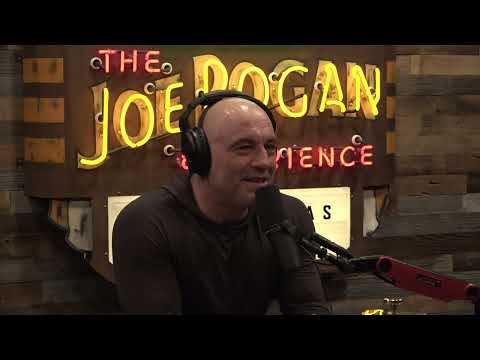
Joe Rogan Experience #1815 - The Black Keys
Narrator, Joe Rogan (host), Patrick Carney (guest), Dan Auerbach (guest), Narrator, Narrator, Narrator, Narrator, Patrick Carney (guest), Narrator, Narrator, Dan Auerbach (guest), Narrator, Patrick Carney (guest), Narrator
In this episode of The Joe Rogan Experience, featuring Narrator and Joe Rogan, Joe Rogan Experience #1815 - The Black Keys explores black Keys recount scrappy origins, wild tours, music and madness Joe Rogan talks with Dan Auerbach and Patrick Carney of The Black Keys about their 20-plus-year journey from basement recordings in Akron to platinum records and arena tours. They reminisce about DIY beginnings, brutal early tours, influential blues and outsider music, and the almost fated nature of their partnership. The conversation veers into live music’s power, bizarre road stories, drugs and altered states, conspiracies, social media toxicity, and the strange instability of the modern world. Throughout, they circle back to creativity, longevity, and what it means to make authentic records while the culture and industry keep shifting.
Black Keys recount scrappy origins, wild tours, music and madness
Joe Rogan talks with Dan Auerbach and Patrick Carney of The Black Keys about their 20-plus-year journey from basement recordings in Akron to platinum records and arena tours. They reminisce about DIY beginnings, brutal early tours, influential blues and outsider music, and the almost fated nature of their partnership. The conversation veers into live music’s power, bizarre road stories, drugs and altered states, conspiracies, social media toxicity, and the strange instability of the modern world. Throughout, they circle back to creativity, longevity, and what it means to make authentic records while the culture and industry keep shifting.
Key Takeaways
Creative longevity often comes from shared taste and learning together.
Dan and Pat attribute their consistency to growing up a few houses apart, teaching themselves recording on four-tracks, and developing a musical language in tandem, which keeps them aligned decades later.
Get the full analysis with uListen AI
DIY constraints can forge a distinct, lasting sound.
With no advance and no studio budget, they made their first records in rat‑infested basements and abandoned factories, guessing their way through mixing; the raw, lo‑fi results became a core part of The Black Keys’ identity.
Get the full analysis with uListen AI
Early touring success demands extreme risk tolerance and discomfort.
They drove cross‑country in a beat‑up minivan with no credit cards, $50 guarantees, and sketchy hostels, enduring fear, exhaustion, and bizarre encounters—experiences that both hardened them and created their mythology.
Get the full analysis with uListen AI
Live music offers a transformative dimension recordings can’t fully capture.
They and Rogan emphasize that great shows—whether Hendrix at the Whisky, Black Sabbath in 1970, or juke joints in Mississippi—feel almost spiritual, synchronizing band and crowd in a way video never can.
Get the full analysis with uListen AI
Outsider and self‑taught artists can be deeply influential.
Stories about Tonetta, The Shaggs, obscure bluesmen, and physically limited musicians like Sydel Davis highlight how raw, imperfect, or unconventional recordings can have powerful character and inspire future artists.
Get the full analysis with uListen AI
Online culture amplifies both cruelty and fake niceness.
They describe being rattled by YouTube comments and toxic Twitter spats, noting that people say things online—whether vicious attacks or overblown praise—that almost no one would say face‑to‑face.
Get the full analysis with uListen AI
Modern anxieties are fueled by tech, drugs, and information overload.
The conversation links Adderall, ketamine, social media, deepfakes, UFO lore, CIA experiments, and geopolitical tensions into a broader sense that the world feels unstable and hard to truly understand.
Get the full analysis with uListen AI
Notable Quotes
““Our first record came out 20 years ago this week, and we’ve been doing this thing… it kind of feels like a dream.””
— Patrick Carney
““We knew we wanted to learn how to make records, we just taught ourselves how to do it.””
— Patrick Carney
““Nothing quite can rip your face off like being in the same room with a great band.””
— Dan Auerbach
““I don’t believe in ghosts, but I don’t not believe in ghosts… being alive is weird. Ghosts ain’t shit.””
— Joe Rogan
““When you think about everything that’s been going on the last couple of years… I don’t know what the fuck the future holds for the human race.””
— Patrick Carney
Questions Answered in This Episode
How much of The Black Keys’ signature sound do they credit to the limitations and accidents of their early recording setups?
Joe Rogan talks with Dan Auerbach and Patrick Carney of The Black Keys about their 20-plus-year journey from basement recordings in Akron to platinum records and arena tours. ...
Get the full analysis with uListen AI
If you could preserve only three historic studios or venues in the world, which would you choose and why?
Get the full analysis with uListen AI
In an era of deepfakes and algorithmic feeds, how can artists maintain authenticity and real connection with listeners?
Get the full analysis with uListen AI
Where do you personally draw the ethical line on licensing music for commercials or corporate uses today?
Get the full analysis with uListen AI
Do you think powerful drugs and altered states ultimately help or hurt creativity over a lifetime, and why?
Get the full analysis with uListen AI
Transcript Preview
(drum music) Joe Rogan podcast. Check it out. The Joe Rogan Experience.
Train by day, Joe Rogan podcast by night, all day. (rock music plays) And we're up and running. What's up, gentlemen?
What's up?
What's happening?
Good to see you.
Good to see you, man.
Great to see you guys. First of all, before we even get started, your fucking new album is fantastic.
Thank you. Thank you so much.
Thanks, man.
I listened to it at the gym this morning, in fact, right before I got here. It was fucking good, man. It's so- it's classic Black Keys.
Thank you.
It's so good.
Oh, shit, man. Thank you.
You guys consistently make just fucking banging music.
(laughs)
It's so good. It's so consistent. How the fuck are you guys so consistent?
You know, we, we learned to play together, you know, 20, a couple, 23 years ago. I got- I, like, literally started playing drums with him, 'cause before that I was playing guitar, and I guess we just learned how to play together. We have this kind of dynamic, and I think we also have the- very similar tastes. It's all kind of very, it's very... I believe in fate, after meeting, after this-
Mm-hmm.
... existence we have, because if it weren't for us growing up a few houses down from each other, we would have never met, and we've become, you know, like, literally like brothers. We have this, we're like... Our, our first record came out 20 years ago, uh, this week, and we've been doing this thing, and it's- it's kind of feels like a dream, you know, when I think back about all the shit we've been through, and... But as far as the consistency, it's like we've always been on the same page. We just wanted to... We were, like, fascinated with albums. We wanted to make records, and we were, like, you know, two dorks living around the corner from each other who had f- these things called four tracks, you know, like a little cassette, and you could record four different sounds.
I didn't have one. The first time I saw one was at Pat's.
I had, yeah, I had one. He would come over.
Blew my mind, man. It was so cool.
You could, like, record guitar, vocals, drums.
What year is this about?
'97.
Oh.
And then we would, like, fuck around on our four track, and I would take it over to his house, his parents' house, and we'd, like, set microphones up in the bathroom and- to get different sounds.
He just sat on the toilet, put the drums in front of him, use the toilet as the seat. (laughs)
(laughs) Yeah. And, uh, we would just have fun, and then, you know, like, around 2000 and, uh, it was 2001, it was like right around 9/11, I bought this, like, digital 12 track recorder, and it was a big deal 'cause it cost like $1000, and I- I went into debt. And I ran into Dan right around then, we were both like 21, and, uh, I told him about it, and he's like, "You should come record my, uh, you should record my band." He had a bar band, and so, uh, I told him to come over, and, uh, the other dudes just never showed up, and so I was there with this recorder, and he's like, "You should just play the drums," which I didn't really play. And so we set up the mics, and he showed me the songs, and we recorded them real quick. And then, like, I'm- I spent a couple days mixing it, and se- gave him the CD-R, and he's like, "Dude, we should start a band."
Install uListen to search the full transcript and get AI-powered insights
Get Full TranscriptGet more from every podcast
AI summaries, searchable transcripts, and fact-checking. Free forever.
Add to Chrome