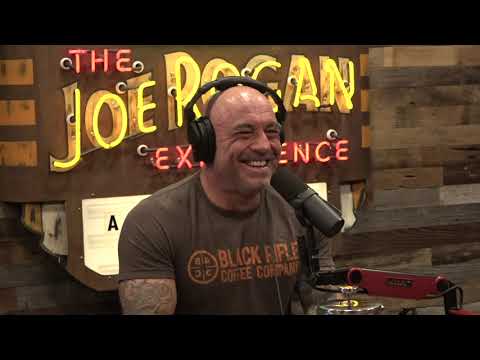
Joe Rogan Experience #2036 - Kurt Angle
Joe Rogan (host), Narrator, Kurt Angle (guest), Tony Hinchcliffe (guest), Guest co-host (guest), Guest co-host (guest), Narrator, Narrator, Narrator
In this episode of The Joe Rogan Experience, featuring Joe Rogan and Narrator, Joe Rogan Experience #2036 - Kurt Angle explores kurt Angle on broken neck glory, painkiller hell, and redemption Kurt Angle joins Joe Rogan and Tony Hinchcliffe to detail his journey from Olympic gold medalist wrestling with a broken neck to becoming one of pro wrestling’s greatest performers—and the physical destruction that came with it. He explains multiple catastrophic neck injuries, chronic nerve damage, and his search for solutions like artificial disc replacement versus spinal fusion. The conversation dives deeply into his long, near‑fatal addiction to painkillers and alcohol, his brutal cold‑turkey rehab, and 12 years of sobriety. They also explore the wider issues of wrestler and fighter health, the opioid crisis, performance enhancement, and the obsessive work ethic of figures like Vince McMahon.
Kurt Angle on broken neck glory, painkiller hell, and redemption
Kurt Angle joins Joe Rogan and Tony Hinchcliffe to detail his journey from Olympic gold medalist wrestling with a broken neck to becoming one of pro wrestling’s greatest performers—and the physical destruction that came with it. He explains multiple catastrophic neck injuries, chronic nerve damage, and his search for solutions like artificial disc replacement versus spinal fusion. The conversation dives deeply into his long, near‑fatal addiction to painkillers and alcohol, his brutal cold‑turkey rehab, and 12 years of sobriety. They also explore the wider issues of wrestler and fighter health, the opioid crisis, performance enhancement, and the obsessive work ethic of figures like Vince McMahon.
Key Takeaways
Extraordinary drive can push you through impossible circumstances—but the bill always comes due.
Angle refused to abandon his Olympic dream after breaking his neck, wrestling trials and the Games on Novocain injections, and later main‑eventing WrestleMania with a broken neck. ...
Get the full analysis with uListen AI
Know the real cost of painkillers and set strict limits from day one.
What began as medically prescribed Vicodin for injury pain escalated to 65 pills a day, 12 doctors, 2,700 pills a month, and mixing morphine, Xanax, and alcohol—nearly killing him. ...
Get the full analysis with uListen AI
If you’re deep in addiction, cold‑turkey withdrawal is hell—but survivable, and it can anchor long‑term sobriety.
Rehab forced Angle to quit opioids and alcohol abruptly. ...
Get the full analysis with uListen AI
Second and third medical opinions can change your career—and your life trajectory.
Initial doctors told Angle his broken neck ended his wrestling future; another proposed a risky Novocain strategy that preserved his one Olympic shot. ...
Get the full analysis with uListen AI
The sports‑entertainment grind is far more dangerous and demanding than it appears on TV.
Angle details wrestling 260–270 nights a year on what is essentially plywood, constantly working with tears, breaks, and concussions, and often being rushed back before fully healing. ...
Get the full analysis with uListen AI
Big‑system incentives around drugs and healthcare often run directly against patient well‑being.
Their discussion of the Sacklers, Purdue Pharma, and the Netflix series ‘Painkiller’ shows how aggressive marketing, kickbacks, and misleading claims about addiction warped medical decision‑making. ...
Get the full analysis with uListen AI
Properly managed hormone therapy and modern orthopedic procedures can dramatically extend quality of life for broken‑down athletes.
Angle now uses doctor‑supervised testosterone replacement to restore normal levels and has had successful double knee replacement and shoulder surgery without painkillers, returning to daily function and light running. ...
Get the full analysis with uListen AI
Notable Quotes
“I broke my neck in the first round of the Olympic Trials and didn’t know it—so I just kept wrestling.”
— Kurt Angle
“I was taking 65 extra‑strength Vicodin a day. I don’t think I should be here today.”
— Kurt Angle
“You’re not beating up people, you’re beating yourself up. That’s what pro wrestling is.”
— Kurt Angle
“When you give everybody OxyContin all day, every human being becomes a drug addict.”
— Joe Rogan
“There’s only one Vince. He sleeps two hours a day, works out at 3 AM, and runs a billion‑dollar company at 78.”
— Kurt Angle
Questions Answered in This Episode
How should organizations like WWE and UFC balance athlete autonomy with stricter policies to protect performers from competing while seriously injured?
Kurt Angle joins Joe Rogan and Tony Hinchcliffe to detail his journey from Olympic gold medalist wrestling with a broken neck to becoming one of pro wrestling’s greatest performers—and the physical destruction that came with it. ...
Get the full analysis with uListen AI
Given Angle’s experience, should combat sports and pro wrestling institutions provide long‑term medical and addiction support to retired athletes as part of their contracts?
Get the full analysis with uListen AI
What specific safeguards could be put in place to allow therapies like TRT or BPC‑157 for fighters without opening the door to rampant performance‑enhancing abuse?
Get the full analysis with uListen AI
How much responsibility should individual doctors bear for over‑prescribing opioids when they are operating inside a profit‑driven healthcare and pharma ecosystem?
Get the full analysis with uListen AI
If weight cutting is as dangerous and distorting as described, what would an ideal, safer weight‑class system look like for MMA—and could it realistically be implemented?
Get the full analysis with uListen AI
Transcript Preview
(drumming music plays) Joe Rogan podcast, check it out.
The Joe Rogan Experience.
Train by day, Joe Rogan podcast by night, all day. (rock music plays) We're up with, uh, the greatest pro-wrestling fan in the history of the world, Tony Hinchcliffe, and the great and powerful Kurt Angle.
(laughs)
It's an honor, sir. Thank you for being here, man.
Thanks for having me on, Joe.
Dude, I've been a fan of yours for a long time. You ... What you did in the Olympics with a broken neck is just nothing short of insane.
Yeah, y-
How did you do that?
I didn't have a choice. I mean, uh, what happened was I got thrown on my head, uh, in the first round of the Olympic Trials.
Pull that microphone up close to you. There you go.
What happened was I got thrown on my head the first round of the Olympic Trials, and I broke my neck and I didn't know it, so I kept wrestling.
(laughs)
My arms were numb, and, and my neck was in excruciating pain, and I wrestled through to semis and won, and then I had to go on to the finals and wrestle, and I won, I won there. So I won the first round of the Olympic Trials with my neck broken. I went home the next day, and I went to my doctor, and he took an MRI of my neck. He said, "You have four discs," or, "four broken vertebrae and two discs sticking directly in your spinal cord." He said, "You can't wrestle anymore. You're done."
(exhales loudly)
And I was devastated, man. I, I, I didn't know what to do. I, I figured I better get a second opinion.
(laughs)
So I, I went to another doctor and he said basically the same thing, but he said, "When is the next round of the trials?" I said, "Six weeks." He said, "You know what? I might be able to get you ready by then." I said, "Well, what's your plan?" He said, "Well, we're gonna ... We're not, you're not gonna be able to train much. You're not g- You're gonna have to let your neck rest and heal for the next six weeks and it won't be completely healed, but it'll be healed enough that you can still go, and what I'm gonna do is I'm gonna have a doctor travel with you, and this doctor's gonna stick you with 12 shots of Novocain in your neck five minutes before each one of your matches."
(laughs)
He said, "Therefore, you won't feel the pain, you'll forget your neck is broken, and you'll wrestle more freely." Uh, but, but he said, "I'm warning you, an hour after your matches are over, you're gonna be in excruciating pain from the abuse your neck takes during those matches." And he said, "Are you okay with this?" And I said yes, and it worked.
Install uListen to search the full transcript and get AI-powered insights
Get Full TranscriptGet more from every podcast
AI summaries, searchable transcripts, and fact-checking. Free forever.
Add to Chrome