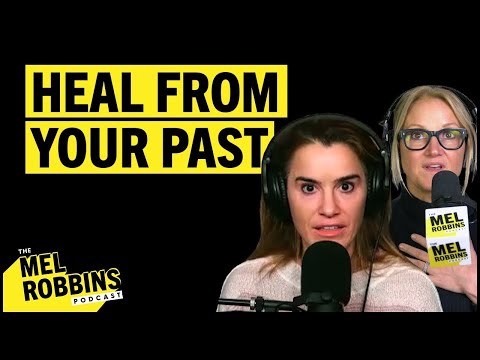
3 Surprising Reasons Why You Have No Childhood Memories ft. Dr. Nicole LePera | Mel Robbins Podcast
Dr. Nicole LePera (guest), Mel Robbins (host), Narrator
In this episode of The Mel Robbins Podcast, featuring Dr. Nicole LePera and Mel Robbins, 3 Surprising Reasons Why You Have No Childhood Memories ft. Dr. Nicole LePera | Mel Robbins Podcast explores unlocking Childhood Trauma: Why Adult You Feels Numb And Stuck Mel Robbins and Dr. Nicole LePera explore how emotionally immature parenting, chronic childhood stress, and nervous system dysregulation shape adult disconnection, numbness, and the feeling of being a "child in an adult body."
Unlocking Childhood Trauma: Why Adult You Feels Numb And Stuck
Mel Robbins and Dr. Nicole LePera explore how emotionally immature parenting, chronic childhood stress, and nervous system dysregulation shape adult disconnection, numbness, and the feeling of being a "child in an adult body."
They explain that many adults who seem high‑functioning on the outside secretly feel unfulfilled, disconnected, or "not alive," and that this awareness is actually the crucial first step of healing.
A major focus is on how unresolved childhood experiences show up not as clear memories, but as automatic reactions, hypervigilance, shutdown, or emotional outbursts in everyday adult situations.
Dr. LePera outlines a practical path to healing that starts with becoming conscious, regulating the nervous system, and gently re‑parenting oneself, emphasizing that transformation is possible at any age.
Key Takeaways
Feeling stuck, numb, or "not alive" is a sign of awakening, not personal failure.
The discomfort and frustration you feel with your current life are forms of consciousness; noticing that something is off is the first step toward change rather than proof that something is inherently wrong with you.
Get the full analysis with uListen AI
Most adult emotional problems trace back to childhood stress, trauma, and unsafe emotional environments.
Without emotionally attuned caregivers, children adopt coping patterns like hypervigilance, shutdown, people‑pleasing, or outbursts that become automatic survival modes in adulthood, driving anxiety, depression, and relationship issues.
Get the full analysis with uListen AI
Childhood trauma usually returns as reactions, not memories.
You may have few childhood memories due to dissociation and stress‑impacted brain development, but the past still lives in your body and behaviors—showing up in overreactions, tone, withdrawal, or intense anxiety in seemingly small situations.
Get the full analysis with uListen AI
A dysregulated nervous system keeps you in survival mode and blocks access to purpose, joy, and authentic connection.
When your body constantly signals threat, you can’t truly rest, feel safe, or explore passions; healing requires learning to regulate your nervous system so you can tolerate emotions and everyday stress without shutting down or exploding.
Get the full analysis with uListen AI
Emotionally immature parenting leaves children to manage overwhelming feelings alone.
Parents who are explosive, distant, inconsistent, boundaryless, or who use tactics like the silent treatment or parentification teach children that their needs are unsafe or burdensome, leading to shame, self‑abandonment, and hypervigilance in adult relationships.
Get the full analysis with uListen AI
Healing often feels worse before it feels better.
As you come out of autopilot and stop numbing, previously suppressed emotions, bodily tension, and old beliefs surface; this increased discomfort is a sign that you’re finally contacting what needs to be processed and integrated.
Get the full analysis with uListen AI
A simple daily consciousness check‑in is a powerful first step toward change.
Choosing one consistent moment each day to notice where your attention is and gently bring it back to your breath, body, or senses starts to weaken automatic patterns and builds the muscle of being present with yourself.
Get the full analysis with uListen AI
Notable Quotes
“At 32 years old, I realized I was a child in an adult body.”
— Dr. Nicole LePera
“Childhood trauma doesn’t come back as a feeling, it comes back as a reaction.”
— Dr. Nicole LePera
“When we rob ourselves of our emotional experience of life, we’re robbing ourselves of life itself.”
— Dr. Nicole LePera
“We only can do what we’ve been trained to do until we wake the hell up and heal ourselves.”
— Mel Robbins
“A lot of times, we know we’re healing when we begin to feel worse—because we feel more of life.”
— Dr. Nicole LePera
Questions Answered in This Episode
Which of my current reactions—shutdown, anger, over‑explaining, people‑pleasing, hypervigilance—might actually be childhood coping strategies replaying themselves?
Mel Robbins and Dr. ...
Get the full analysis with uListen AI
If I stopped defending or idealizing my parents for a moment, what honest picture of my emotional childhood would I see?
They explain that many adults who seem high‑functioning on the outside secretly feel unfulfilled, disconnected, or "not alive," and that this awareness is actually the crucial first step of healing.
Get the full analysis with uListen AI
Where in my daily life do I notice that constant "buzz" of stress, and what might it be trying to protect me from?
A major focus is on how unresolved childhood experiences show up not as clear memories, but as automatic reactions, hypervigilance, shutdown, or emotional outbursts in everyday adult situations.
Get the full analysis with uListen AI
How does my nervous system respond in small frustrations (emails, traffic, minor conflict), and what does that reveal about my underlying sense of safety?
Dr. ...
Get the full analysis with uListen AI
What would it look like to re‑parent myself today—to give the younger me the emotional validation, boundaries, or safety they never got?
Get the full analysis with uListen AI
Transcript Preview
(ticking sound) As I looked around, I kept almost telling myself, "Well, what is wrong with you, Nicole? Why aren't you, you know, feeling good about yourself? Why aren't you feeling fulfilled? Why aren't you feeling even connected to this life that you created?" And for me, I landed on the answer being the childhoods that most of us have grown up in were keeping us disconnected from ourselves, from our life, and from our relationships.
If somebody is going, "That's me," what is something, Dr. Nicole, that you want to tell them right now about what this means if you're experiencing this disconnection from what your life is like today, and what you're feeling inside? (instrumental music) Dr. Nicole, thank you for joining me.
Thank you so much for having me, Mel.
Um, I want to start with, um, a particular post that you put on social media that went crazy viral, and it really struck a nerve for me, and y- you posted this thing where you said, "At 32 years old, I realized I was a child in an adult body," and this just hit deep for so many people. What did you mean?
What I... Thank you, um, for, for calling out that post. Um, I think, you know, for a lot of us that, that can be really challenging, um, to hear that about ourselves, and for me, if I'm speaking honestly, it was very challenging to come to that awareness, and what I meant was mainly around my emotions and the way that I hadn't learned, um, of course, in early childhood, to, to tolerate, to navigate, to be able to process my emotions, and in many ways, and I use this language, I think this is the, the part that becomes difficult is, in a lot of ways, I was very emotionally immature in the way that I handled the frustrations, the difficulties, and the stresses of life. Because the reality for me, as I think is the case, which is, I think, why it resonates force with so many of us, is that so few of us, for many different reasons, which I'm sure we'll dive into, many of which today, um, we didn't have those safe environments. We didn't have those emotionally attuned caregivers who themselves learned how to navigate their own emotions. So, I mean, needless to say, parenting is a, is a large, large task in and of itself, and, you know, when we don't have that safety, and when we don't have someone modeling, mirroring, attuning to us emotionally, what we do then appear is like a child in an adult body.
I want to take a step back, because for those of you who have not, uh, read Dr. Nicole's New York Times number one best-selling book, which is a game changer, How to Do the Work, um, I... Or you don't follow her online like millions and millions and millions of people do, can you tell everybody what your life looked like at the age of 32? Because, you know, when you talk about emotional immaturity, it's not like you were running down the street naked, taking a baseball bat to the side of a wall, like kind of rambling gobbledygook. You were high functionally- high functioning and successful. So will you just give everybody, like what does life for Dr. Nicole at 32 look like when you have this realization that, "Holy shit, I can't process my emotions maturely"?
Install uListen to search the full transcript and get AI-powered insights
Get Full TranscriptGet more from every podcast
AI summaries, searchable transcripts, and fact-checking. Free forever.
Add to Chrome