What Is The Fitness Menopause? | Modern Wisdom Podcast 173
Yusef (guest), Jonny (guest), Chris Williamson (host), Jonny (guest), Yusef (guest), Narrator
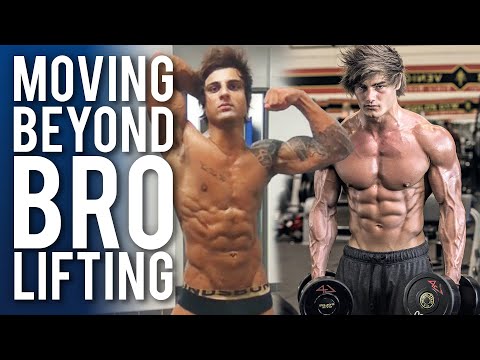
In this episode of Modern Wisdom, featuring Yusef and Jonny, What Is The Fitness Menopause? | Modern Wisdom Podcast 173 explores escaping Bro Lifting: Navigating the ‘Fitness Menopause’ And Beyond The episode explores “fitness menopause” – the point where long-time gym bros and lifters become bored, disenchanted, or injured from years of bodybuilding-style training and begin questioning what they actually want from fitness. Chris Williamson and guests Jonny and Yusuf trace how a generation of Millennials got swept into low-skill, aesthetics-focused lifting via sites like T Nation and bodybuilding.com, only to later crave performance, health, and enjoyment over pure looks. They argue many people confuse liking exercise with liking bodybuilding and would be happier pivoting to other sports or modalities once basic strength and muscle are built. The conversation also covers injury-driven wake‑up calls, how goals shift with age, and why objective performance metrics beat purely subjective aesthetic judgment.
Escaping Bro Lifting: Navigating the ‘Fitness Menopause’ And Beyond
The episode explores “fitness menopause” – the point where long-time gym bros and lifters become bored, disenchanted, or injured from years of bodybuilding-style training and begin questioning what they actually want from fitness. Chris Williamson and guests Jonny and Yusuf trace how a generation of Millennials got swept into low-skill, aesthetics-focused lifting via sites like T Nation and bodybuilding.com, only to later crave performance, health, and enjoyment over pure looks. They argue many people confuse liking exercise with liking bodybuilding and would be happier pivoting to other sports or modalities once basic strength and muscle are built. The conversation also covers injury-driven wake‑up calls, how goals shift with age, and why objective performance metrics beat purely subjective aesthetic judgment.
Key Takeaways
Fitness menopause is the phase where long-time lifters outgrow bro-style bodybuilding.
After years of chest days, curls, and chasing aesthetics, many lifters hit their late 20s–30s, get bored, feel unfit, or accumulate injuries, and realize their current style of training is no longer fulfilling or sustainable.
Get the full analysis with uListen AI
Bodybuilding is popular because it’s low-skill, low-barrier, and highly rewarding socially.
You can teach a total beginner to do biceps curls quickly, get visible ‘pump’ rewards, and set your own standards for form, which makes it psychologically easier than complex sports like Olympic lifting or running-based sports.
Get the full analysis with uListen AI
Most people don’t love bodybuilding; they love what they think it will give them.
The hosts stress that many attach to a training style because of promised outcomes—abs, big lifts, social media validation—not because they genuinely enjoy the training itself, which explains why big goals often feel anticlimactic once achieved.
Get the full analysis with uListen AI
Objective performance goals age better than purely aesthetic ones.
Sports like powerlifting, CrossFit, or endurance events provide clear, external metrics (weights, times, reps) so you know you’re progressing, whereas bodybuilding relies on subjective judgment from yourself or judges, which can be psychologically draining.
Get the full analysis with uListen AI
A basic strength and muscle foundation is still essential before branching out.
They argue that most untrained people would massively improve health, injury risk, and quality of life by building enough muscle and strength to do bodyweight squats, push-ups, and basic barbell work before worrying about complex sports or ‘fitness menopause.’
Get the full analysis with uListen AI
Injuries and mortality awareness often trigger training reevaluation.
Serious setbacks—torn muscles, back issues, declining recovery—force lifters to confront the cost of maximal loading for marginal gains and often push them toward more sustainable, enjoyable forms of training that support broader life goals.
Get the full analysis with uListen AI
Switching away from hated bodybuilding programs can actually improve physique.
When people find a sport or modality they genuinely enjoy, compliance and training volume naturally increase; if the new activity still includes loading, intensity, and progression, it can deliver better body composition than grudgingly doing splits you resent.
Get the full analysis with uListen AI
Notable Quotes
“Do you like bodybuilding training, or do you like exercise? Because those are not the same thing.”
— Chris Williamson
“Everybody wants to be a bodybuilder, but nobody wants to lift no heavy-ass weight.”
— Yusuf (quoting Ronnie Coleman and expanding on it)
“I would much sooner not be bothered about being lean because I’ve been lean, than not be bothered about being lean because I gave up.”
— Chris Williamson
“It’s one of the most depressing things about bodybuilding as a sport that… the way it’s ultimately judged is by a subjective panel of judges’ preference.”
— Yusuf
“If you’ve been training less than two, three years, you are nowhere near the fitness menopause.”
— Yusuf
Questions Answered in This Episode
How can someone practically identify whether they’re in a ‘fitness menopause’ versus just going through a temporary dip in motivation?
The episode explores “fitness menopause” – the point where long-time gym bros and lifters become bored, disenchanted, or injured from years of bodybuilding-style training and begin questioning what they actually want from fitness. ...
Get the full analysis with uListen AI
If you’ve only ever done bodybuilding-style splits, what’s a smart, low-risk way to experiment with new sports or training modalities without losing all your gains?
Get the full analysis with uListen AI
How should lifters reframe their goals when they realize big numbers or extreme leanness didn’t deliver the life satisfaction they expected?
Get the full analysis with uListen AI
What objective performance metrics should a non-competitive lifter track to stay motivated and grounded as they age?
Get the full analysis with uListen AI
Where is the line between ‘paying your dues’ in strength training and stubbornly clinging to a training identity that’s no longer serving your health or happiness?
Get the full analysis with uListen AI
Transcript Preview
So I- I've got quite strong views on this, which is that everybody wants to be a bodybuilder.
(laughs)
But nobody wants to lift no heavy-ass weight.
Have you ever spent weeks trying to improve your hammer curl, for example?
(laughs)
Because you, because you were t- you read an article on T Nation th- that spoke about how it attacked the biceps slightly differently, and you felt like that was what your life was missing? If you know who Zyzz is?
If you know who Zyzz is, yeah, that's it.
That's it. Like that's the, that's the certificate.
That's the ƒ.
Like if, if you know who Zyzz is, this'll all completely make sense-
Make sense.
... to you, and you'll just be sat there nodding along.
Did the squats and milk program, which is ... So three times a week, you take your 10 rep max, you do a set of 10, and then you keep the bar on your back and you take five to 10 deep breaths, and you do another rep, and you keep doing that until you hit 20. And then you have a gallon of milk a day. So I was having a gallon of whole milk, 4.7 liters-
(laughs)
... of whole milk every day, just sat in class. And I remember doing this and, like, throwing up raspberry whey down my top while I had the bar on my back.
(laughs) .
Doing these, like, squats and milk, being so out of breath.
(wind blowing) I'm joined by Jonny and Yusuf from propanefitness.com. Look at that.
Hello.
So good to see you. Are you doing some boxing?
I was just enjoying the, the effect.
You're like a-
It's quite impressive, isn't it?
... like a cat. Uh, today, we are talking about the fitness menopause. It's something that we've dropped on podcasts for the last couple of years. I'll start off. I'll try and give a, a broad definition so everyone knows what we're talking about, and then we'll, we'll take it from there. So, fitness menopause was something that I'd identified within myself toward my late 20s when I'd been doing bro lifting, fitness stuff, bodybuilding for a while, and realized as I became chronically aware of my own mortality as I approached 30, uh, realized that I was getting out of breath going up a, a big hill and I was kind of a little bit bored of just doing, you know, chest Mondays and chest Tuesdays and chest Wednesdays and curls and stuff like that, and training purely for aesthetics. And I was just disenchanted. I kind of lost my love with training. Um, certainly lost the motivation to do it without really grinding myself to get out of bed and, and go to the gym. Um, so then just started trying to do different things. The fitness menopause describes a period, I think, in a lot of fitness people's lives, who perhaps have just entered into the world of training by doing bodybuilding or bro style lifting, um, from just the age of teens or early 20s or whatever, and then never tried anything else. And as they approach their late 20s, they think, "Oh, hang on. Like, this, this maybe isn't fulfilling me in quite the way that I thought." How do you think about that as a definition? You reckon that's about right?
Install uListen to search the full transcript and get AI-powered insights
Get Full TranscriptGet more from every podcast
AI summaries, searchable transcripts, and fact-checking. Free forever.
Add to Chrome