Curated by Ahaan Ugale · Last reviewed Apr 25, 2026
GLP-1 drugs — Ozempic, Wegovy, Mounjaro — went from diabetes treatment to cultural phenomenon faster than the public-health conversation could keep up, and most coverage flattens into either miracle-cure hype or thinly-sourced danger. These eight long-form conversations bring in the people actually navigating the drugs at the front lines: an endocrinologist on patient candidacy, Johann Hari twice on his year-long *Magic Pill* investigation, a naturopath on microdosing, a peptide pharmacologist, and a muscle-medicine specialist on what gets lost alongside the fat. Best for listeners who want the actual mechanism, side-effect, and prescribing-context discussion behind the headlines.
Start here for the clinician's-eye view. Triple board-certified endocrinologist Dr. Rocio Salas-Whalen with Mel Robbins on obesity as a chronic disease, who actually qualifies for GLP-1 medications, and the muscle-loss, dosing, and long-term-use risks she sees in practice.
Obesity as a multifactorial chronic disease, not a personal failureThe five main contributors to obesity: lifestyle, genetics, hormones, aging, environmentHow GLP‑1 medications (e.g., Ozempic, Wegovy) work and their medical historyProper patient evaluation: body composition, risk factors, and candidacy for GLP‑1sBenefits and risks of GLP‑1s, including muscle loss, side effects, and long‑term use
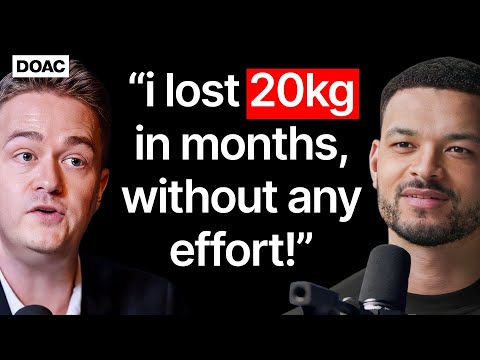
Johann Hari on his year-long Ozempic experiment for Magic Pill — what GLP-1s do biologically, the documented and emerging risks (cancer, pancreatitis, muscle loss, suicidality), and why the obesity epidemic itself is downstream of the ultra-processed food environment.
Mechanism of GLP‑1 weight-loss drugs (Ozempic, Wegovy, Mounjaro, etc.)Benefits for obesity, diabetes, and cardiometabolic healthDocumented and emerging risks: cancer, pancreatitis, muscle loss, mental healthPsychology of eating: trauma, comfort, satiety, and addictionObesogenic food environments and policy solutions (Japan, Mexico, Finland, UK)
Hari's same Magic Pill argument from a different host — Chris Williamson presses harder on whether GLP-1s are just the next chapter of failed 'miracle' diet drugs and whether pharmacological appetite suppression is a real solution or an artificial fix for the ultra-processed food environment that broke satiety in the first place.
Johann Hari’s personal experience using Ozempic and losing significant weightHow GLP-1 agonists work in the body and brain to suppress appetiteHistory and failures of past “miracle” diet drugs versus this new classUltra-processed food, satiety disruption, and the roots of the obesity epidemicLimits of diet and exercise for long-term weight loss in today’s environment
Naturopathic physician Dr. Tyna Moore argues GLP-1s are widely misused at high one-dimensional doses, and walks through microdosing protocols and applications beyond weight loss — autoimmune pain, PCOS, fertility, mood, and addiction.
Naturopathic medicine vs. conventional allopathic care and root‑cause philosophyMetabolic dysfunction, insulin resistance, and their role in modern chronic diseaseMechanisms of GLP‑1 agonists (Ozempic/semaglutide) in brain, gut, and metabolismMicrodosing Ozempic vs. standard high‑dose protocols for weight lossApplications beyond weight loss: autoimmune pain, PCOS, fertility, mood, addiction
Peptide pharmacology specialist Dr. Alex Tatem on how GLP-1s work as receptor-targeted 'keys' alongside the broader peptide protocols patients are stacking around their Ozempic use, and the safety realities of the post-2023 'research-use-only' gray market.
What peptides are (keys/locks, amino acids)Peptides vs small-molecule drugs (targeting and side effects)Compounding pharmacies and FDA category system2023 peptide ban, “forbidden fruit” effect, and TikTok-driven demandGray market “research use only” supply and safety risks
Dr. Gabrielle Lyon argues the real upstream issue isn't obesity but inadequate skeletal muscle — and frames GLP-1s as something to combine with serious resistance training so patients lose fat without losing the organ she calls the true 'organ of longevity'.
Skeletal muscle as the organ of longevity and its health impactsBehavior change: worthiness, trauma, mindset, and standards vs. goalsResistance training, activity guidelines, and age-appropriate trainingDiet fundamentals: protein targets, carbs, and weight loss misconceptionsOzempic, GLP‑1 drugs, and muscle-preserving obesity treatment
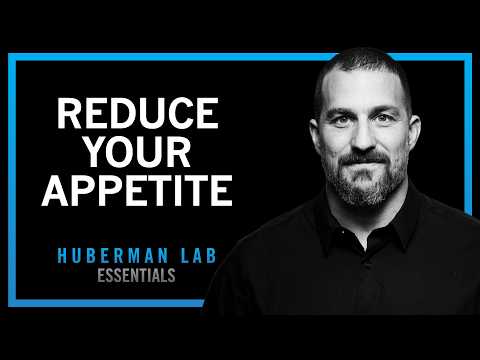
The biology background for the rest of the list. Andrew Huberman walks through how GLP-1, ghrelin, CCK, insulin, leptin, and the gut-brain axis jointly control hunger and satiety — useful context for what Ozempic-class drugs are actually mimicking.
Neural control of hunger and satiety (hypothalamus, insular cortex)Key appetite-related hormones: ghrelin, MSH, AgRP, CCK, leptin, GLP‑1Gut-brain axis and effects of highly processed foods and emulsifiersBlood glucose regulation: insulin, glucagon, and diabetesMeal composition, food order, and their impact on glucose and satiety
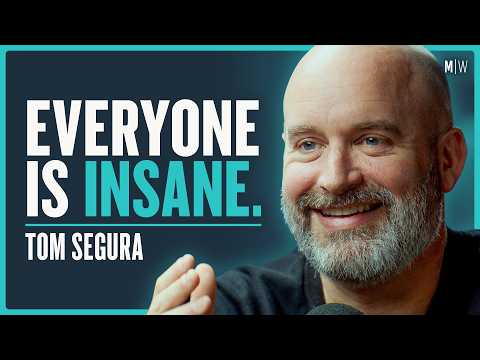
The contrarian counterpoint to the rest of the list. Tom Segura with Chris Williamson on 'shortcut culture' — Ozempic, steroids, body-positivity denial — and the case that long-term fitness still requires the unglamorous work the drugs let people skip.
Long-term health, fitness, and weight loss vs shortcut culture (Ozempic, steroids)Unteachable lessons about money, fame, relationships, and fulfillmentBody positivity, fat acceptance, and the denial of health realitiesSocial media algorithms, attention addiction, and nudged preferencesDeclining alcohol use, nightlife changes, and rising loneliness/sexlessness
How we picked these
We searched every transcript in our catalog of 6,000+ podcast episodes for substantive discussion of GLP-1 and Ozempic, then ranked by relevance — not popularity, recency, or paid placement. Summaries and topic tags are AI-generated from the full transcripts.