By playing, you agree to uListen's Terms and Privacy Policy and YouTube's Terms of Service.
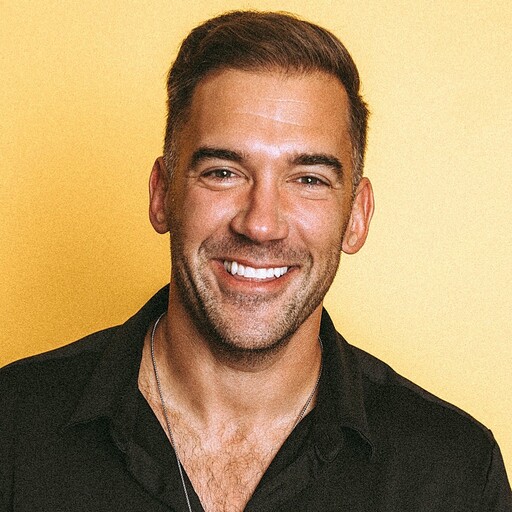 Lewis Howes
Doctor Explains Form Of PREVENTION & TREATMENT of Viruses | Roger Seheult & Lewis Howes
Summaries, chapters, transcripts, and FAQs on this page are made by uListen, not YouTube.
CHAPTERS
- 0:00 – 4:39
Vitamin D as a Steroid Hormone
The host asks about vitamin D's role in preventing and treating COVID-19. Dr. Seheult shares his background making vitamin D products in a college lab and explains that vitamin D is a steroid hormone that alters how cells transcribe DNA and make proteins.
- •Seheult treats COVID-19 patients in the ICU and tracks the emerging science
- •He worked in an organic chemistry lab making vitamin D products as an undergraduate
- •Vitamin D is structurally a steroid hormone, unlike other vitamins
- •It binds a receptor, enters the nucleus and changes protein production
- •It can inhibit or enhance transcription, acting like a lever during a cytokine storm
- 4:39 – 9:22
Evidence for Vitamin D: Meta-Analyses and Observational Studies
Seheult describes pre-COVID meta-analyses showing vitamin D supplementation reduces acute chest infections. He then explains that early COVID data were observational, linking low vitamin D to worse outcomes, and why association isn't causation.
- •Scientists were skeptical because vitamin D research had often come up blank before
- •A British Medical Journal meta-analysis found supplementation decreased acute chest infections
- •Early 2020 observational studies linked deficiency, older age and darker skin to worse COVID
- •The cigarette-lighter example illustrates association versus causation
- •Randomized controlled trials are needed to test whether giving vitamin D changes outcomes
- 9:22 – 11:28
Randomized Trials of Vitamin D in COVID-19
Seheult reviews the trials so far: the SHADE study in India with high oral doses and a Brazilian single mega-dose trial that had randomization problems. He notes a large UK trial is still pending.
- •A UK trial of about 5,000 people has no data yet
- •SHADE gave 60,000 units daily for seven days, with lower inflammatory markers and 60% versus 20% viral clearance at three weeks
- •The Brazilian trial gave 250,000 units once and saw no improvement
- •The Brazilian trial's randomization left the vitamin D group sicker, with more diabetes
- 11:28 – 15:36
Sunlight, UVB, and How the Body Makes Vitamin D
Seheult explains how UVB converts cholesterol in skin to vitamin D, why windows and sunscreen block it, and how skin color affects production. The discussion covers the risk-benefit of sun exposure and why people with darker skin tend to have lower levels.
- •UVB converts cholesterol in the skin into vitamin D, while UVA does not and ages skin
- •UVB does not penetrate glass and is not blocked well by sunscreen
- •Roughly 15 to 30 minutes of sun a day was mentioned, with longer needed for darker skin
- •Fish oil, mushrooms and supplements are alternatives
- •He sees more people of color hospitalized with COVID, who historically have lower vitamin D
- 15:36 – 18:34
Calcifediol Trial in Spain
Seheult explains that the liver must convert vitamin D into 25-hydroxy vitamin D, the form measured in blood tests. He describes a pilot study in Spain giving calcifediol, which sharply reduced ICU admission.
- •The liver adds a hydroxyl group to make 25-hydroxy vitamin D, which can take days
- •The Spanish pilot gave calcifediol on days one, three and seven
- •ICU need fell from 50% in the placebo group to 2%
- •Nobody died in the intervention group versus 7.7% in placebo, though randomization was imperfect
- •Calcifediol is a prescription drug, used by kidney doctors, and is now being used cautiously in his hospital
- 18:34 – 25:16
Daily Supplement Protocol: Vitamin D, NAC, Zinc, Quercetin
Asked what he recommends, Seheult lists vitamin D dosing and target levels, NAC, zinc and quercetin. He gives doses and the rationale for each, noting where the evidence is stronger or weaker.
- •Those at risk for deficiency should consider vitamin D; the Endocrine Society's unsupervised maximum is 4,000 IU daily, and he suggests testing levels and aiming above 50 ng/mL
- •NAC at 600 mg twice daily reduced flu severity, not incidence, in a prior study
- •Zinc up to 40 mg elemental daily, mindful of copper balance
- •Zinc may inhibit viral replication, and quercetin may help get zinc into cells
- •He relies on his wife to set out his pills each morning
- 25:16 – 30:44
Contrast Showers and the Innate Immune System
Seheult introduces contrast showers and explains the two phases of COVID-19. He describes how the virus suppresses innate immunity and interferon early, while later inflammation is overactive, so timing of treatments matters.
- •His shower routine alternates hot and cold, learned from Dr. Neil Nedley
- •COVID at home differs from COVID in the hospital
- •The virus suppresses the innate immune system and interferon early on
- •People with low interferon due to mutations have bad courses
- •Remdesivir works best early and steroids work late
- 30:44 – 41:26
1918 Pandemic: Sanitariums vs. Army Camps and Fomentations
Seheult recounts pre-penicillin hydrotherapy, Kellogg's Battle Creek Sanitarium and Wagner-Jauregg's fever therapy Nobel Prize. He compares 1918 flu outcomes: Army camps using aspirin versus sanitariums using hydrotherapy.
- •Wagner-Jauregg cured neurosyphilis by inducing fever with malaria
- •Dr. Ruble pooled data from about 10 sanitariums and compared them with Army camps
- •Army camps gave aspirin to suppress fever, with about 6% mortality
- •Sanitariums used rest, fresh air, sunlight and hot fomentations, with about 1% mortality
- •Seheult says it isn't a randomized trial but shows it has been tried
- 41:26 – 50:40
Practicing Hydrotherapy at Home and the Finnish Sauna Example
Seheult describes what he does at the first sign of illness: hot foot bath, hot towels, and cold towels on the head, followed by a cold rinse. He cites the interferon response at about 39°C, Finland's sauna culture, and resources for learning hydrotherapy.
- •Heat the body core while keeping the head cool for about 20 minutes, then cold water briefly
- •Monocytes show about a tenfold interferon increase near 39°C
- •Finland's saunas and COVID outcomes are discussed, with caveats about immigrants' vitamin D
- •Grandmas in many cultures know to heat up a sick person
- •Resources include hydrotherapyathome.com, hydro4covid.com and Kellogg's Rational Hydrotherapy
- 50:40 – 57:40
Politics, Masks, Ventilation and Airplanes
After discussing his own exposure and comorbidities, Seheult says politics shouldn't drive medical discussion. He explains the two ways the virus spreads, droplets and airborne, why masks and ventilation are both needed, and why planes are relatively safe when engines run.
- •Masks block large droplets but not fine airborne particles
- •Ventilation is needed for airborne spread, as Joseph Allen of Harvard emphasized
- •Shutting outdoor dining may push gatherings indoors
- •Planes use HEPA filtration, but only while engines are running
- •The nose-breathing and nitric oxide question leads to in vitro versus in vivo caution
- 57:40 – 1:06:27
Comorbidities, Diet, and Compassionate Lifestyle Change
Seheult explains how kidney disease, diabetes and obesity make COVID more dangerous through oxidative stress and ACE2 disruption. The host asks how to discuss weight without shaming, and Seheult describes gradual diet change and his own plant-based path.
- •Kidney disease and diabetes are major risk factors, and the virus knocks out ACE2, tipping the body over
- •Diet and activity are central; he cites high-fructose corn syrup
- •Accepting someone doesn't mean wanting them to stay as they are
- •Change one thing at a time, since tastes shift after two or three months
- •He is plant-based and discusses Loma Linda and Adventist Health Study 2
- 1:06:27 – 1:14:56
Exercise, Depression, Anxiety and the J-Curve
Seheult describes a McMaster randomized trial of students before exams comparing no exercise, moderate exercise and high-intensity exercise. Moderate exercise lowered depression, anxiety and inflammation, while the J-curve shows too much exercise can raise risk.
- •Control group depression rose over six weeks of stress
- •Moderate exercise lowered depression, anxiety and inflammatory markers
- •High-intensity exercise gave smaller benefits and no drop in reported stress
- •The J-curve means moderate exercise helps but excessive exercise raises risk
- •Exercise improves sleep, and he stresses it is part of a multi-pronged approach alongside masks and distancing
- 1:14:56 – 1:22:12
Understanding the COVID Vaccine: Risk, Benefit and mRNA
The host asks about the vaccine and those who oppose it. Seheult frames the choice as vaccination versus infection, compares known unknowns of long-term effects, and explains mRNA using the Social Security card and sticky note analogy.
- •Everything carries risk, so the question is whether benefit exceeds risk
- •The decision is vaccine versus infection, and long-term effects of both are unknown
- •Infection can cause myocarditis, Guillain-Barré, clots and long-haul symptoms
- •mRNA is a temporary message that degrades within about a day, unlike DNA
- •The vaccine produces the spike protein so antibodies can prepare, with 95% efficacy cited
- 1:22:12 – 1:30:26
Vaccines in General, Side Effects, Faith and Herd Immunity
Responding to the host's story of an unvaccinated upbringing, Seheult discusses polio and smallpox elimination and collective benefit. He covers potential adverse reactions, the faith-versus-presumption question, and why uncontrolled herd immunity would overwhelm hospital beds.
- •Eliminated diseases show vaccines benefit the community as well as individuals
- •Common reactions reflect the immune system revving up; allergic reactions are possible
- •He cites narcolepsy after a 2009-2010 European flu vaccine as a past example
- •He distinguishes presumption from faith for those with religious objections
- •Only about 900,000 acute care beds exist, so letting everyone get infected would overwhelm hospitals
- 1:30:26 – 1:43:04
Kids, Vaccines, Immune Exposure, and Further Immune Boosters
Seheult discusses vaccine eligibility for ages 16 and up, why children's innate immunity is strong, and why early exposure to antigens is good. He then adds intermittent fasting and forest bathing, with Japanese studies on phytocides and eucalyptus.
- •Vaccination of younger people is mainly about reducing spread to vulnerable people
- •Children have strong innate immune systems
- •Protecting kids from antigens is linked to more asthma and atopic disease
- •Intermittent fasting may rebuild the immune system
- •Forest bathing raised natural killer cell activity for about seven days, with cortisol benefits only in the actual forest
- 1:43:04 – 1:52:19
Virus Variants, Closing Thoughts and the Three Truths
Seheult explains that the UK variant appears covered by current vaccines and that mRNA vaccines could be quickly updated for escape mutations. The host wraps up, and Seheult shares his three truths and definition of greatness.
- •Data on the UK variant suggest current vaccine coverage, while others are still being studied
- •mRNA sequences could be changed quickly if needed
- •Truth one: be skeptical but investigate for yourself
- •Truth two: good comes from above, so he tries to reflect it
- •Truth three: think big and be a Renaissance man; greatness is reflecting and getting out of the way


