8 Strait of Hormuz Podcasts
Curated by Ahaan Ugale · Last reviewed Apr 29, 2026
The Strait of Hormuz is the narrow waterway between Iran and Oman through which a large share of the world's seaborne oil — and less obvious shipments of fertilizer inputs and helium — passes most days unnoticed. The February 2026 strikes on Iran's nuclear sites and the subsequent transit collapse have made the chokepoint front-and-center for the first time since the 1970s, but the underlying stakes predate this cycle and will outlast it. These eight long-form conversations cover both layers: economist Steve Keen on what actually moves through the chokepoint beyond oil, political scientist Robert Pape on Iran's military leverage and the oil-market spillovers, and Pivot, All-In, and Lex Fridman's debates on the strategic doctrine that's underwritten US Persian Gulf policy since the Carter Doctrine. The chokepoint as infrastructure, with the 2026 cycle as live evidence.
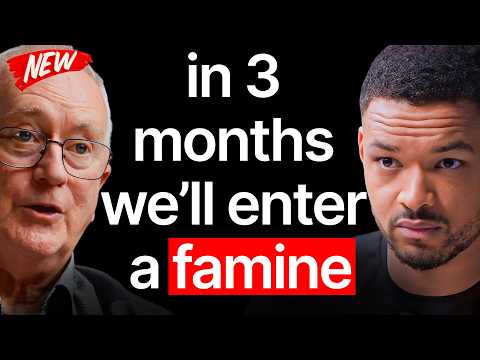
Best for what Hormuz actually moves beyond oil — economist Steve Keen argues the strait routes major shares of fertilizer inputs and helium, making a closure a direct hit to food supply and semiconductor production, not just gasoline prices.
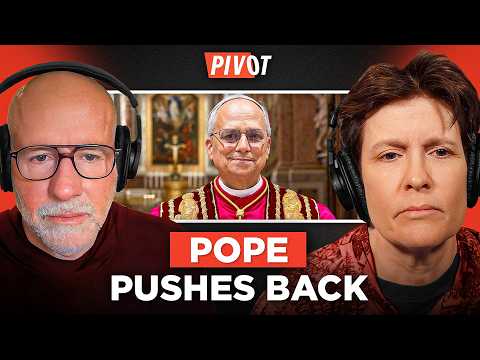
Pick this for the news-cycle read on the Hormuz blockade itself — Kara Swisher and Scott Galloway on what closure does to Iran's negotiating incentives, set alongside the week's Trump-vs-Pope drama.

Scott Galloway and Kara Swisher on the oil-shock fallout and Hormuz disruption — global market winners and losers, including Russia's windfall, that come with sustained Persian Gulf instability.

All-In with Brad Gerstner on Brent crude volatility through prior oil-shock cycles, China's incentives around Hormuz and energy dependency, and the macro path through inflation, GDP, and unemployment.
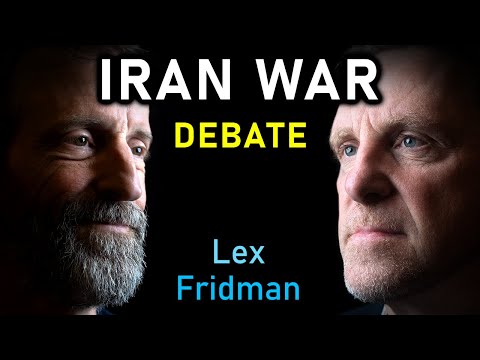
Iran War Debate: Nuclear Weapons, Trump, Peace, Power & the Middle East | Lex Fridman Podcast #473
Guests: Mark Dubowitz, Scott Horton
For the strategic doctrine debate behind US Iran policy — anti-war libertarian Scott Horton and Iran-hawk Mark Dubowitz on Iran's nuclear program, the post-strike landscape after Operation Midnight Hammer, and competing US foreign-policy frameworks, moderated by Lex Fridman.
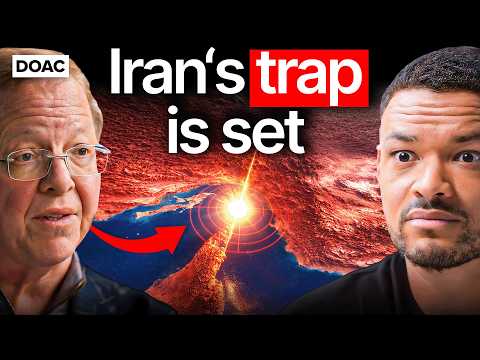
University of Chicago war-game expert Robert Pape on how Iran's buried missile and drone infrastructure makes Hormuz disruption a viable retaliation lever, and how that flows into oil markets, inflation, and the bond market.
For the historical foundations under today's US-Iran tensions — Scott Horton's deep-dive walks from Iran 1953 through the Carter Doctrine to Iraq, Afghanistan, and the post-9/11 wars, tracing how decades of Persian Gulf interventionism shaped current policy.
Emergency pod with Under Secretary of Defense for Research & Engineering Emil Michael on how China's oil-flow leverage runs through Iran, Venezuela, and Russia — plus Trump's maritime insurance play around Hormuz disruption and the inflation knock-on.
How we picked these
We searched every transcript in our catalog of 6,000+ podcast episodes for substantive discussion of the Strait of Hormuz, then ranked by relevance — not popularity, recency, or paid placement. Summaries and topic tags are AI-generated from the full transcripts.



