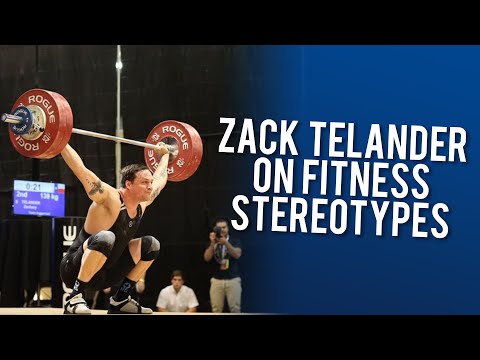
Stereotypes In The Fitness Industry - Zack Telander | Modern Wisdom Podcast 168
Zack Telander (guest), Chris Williamson (host), Narrator, Narrator
In this episode of Modern Wisdom, featuring Zack Telander and Chris Williamson, Stereotypes In The Fitness Industry - Zack Telander | Modern Wisdom Podcast 168 explores protein, Performance, and Stereotypes: Inside Modern Strength Culture Today Chris Williamson and Zack Telander explore how different strength communities—CrossFit, weightlifting, and powerlifting—approach training, nutrition, recovery, and identity. They dive into practical topics like high‑protein diets, pre‑workout routines, and time-efficient training, then zoom out into media, creativity, and building an online brand. A major theme is embracing personal nuance and "weirdness" rather than copying others, both in training and content creation. They also discuss high-performance psychology, expectations versus standards, and the dangers of low-agency, online criticism in a world shaped by social and traditional media.
Protein, Performance, and Stereotypes: Inside Modern Strength Culture Today
Chris Williamson and Zack Telander explore how different strength communities—CrossFit, weightlifting, and powerlifting—approach training, nutrition, recovery, and identity. They dive into practical topics like high‑protein diets, pre‑workout routines, and time-efficient training, then zoom out into media, creativity, and building an online brand. A major theme is embracing personal nuance and "weirdness" rather than copying others, both in training and content creation. They also discuss high-performance psychology, expectations versus standards, and the dangers of low-agency, online criticism in a world shaped by social and traditional media.
Key Takeaways
High-protein diets significantly improve body composition and performance, but require deliberate planning.
Neither muscle gain nor leanness happens by accident; eating 200–250g of protein daily demands structure, multiple shakes, and high‑protein food choices, but allows you to be looser with other macros while still staying relatively lean.
Get the full analysis with uListen AI
Cheat meals can be “strategic” if you prioritize protein over pure calories.
Zack contrasts chicken wings or burgers (high protein, relatively better macro profile) with pizza or ice cream (mostly carbs and fat), arguing you can still ‘let your diet go’ while minimizing damage by choosing protein-heavy indulgences.
Get the full analysis with uListen AI
Different strength sports shape athlete identity and recovery behavior in distinct ways.
Weightlifters’ identities are tightly tied to snatch and clean & jerk performance; CrossFitters, with many ways to ‘win’ a workout and a shirtless culture, often place more day‑to‑day emphasis on nutrition, sleep, and recovery habits.
Get the full analysis with uListen AI
Your unique mix of experience and interests is your competitive edge in content creation.
Zack’s channel grew when he stopped copying vlog styles like Casey Neistat and instead leaned into his specific expertise—technical weightlifting breakdowns with nuance—demonstrating that authenticity and specialization beat imitation.
Get the full analysis with uListen AI
Low expectations with very high standards is a healthier performance mindset for most people.
Telander argues that expecting specific outcomes breeds disappointment and anxiety, whereas focusing on giving maximal effort (high standards) without demanding a certain result yields better progress and better mental health for 99% of athletes.
Get the full analysis with uListen AI
Extreme success often carries hidden psychological costs that outsiders don’t see.
Using examples like Matt Fraser, Tiger Woods, and Elon Musk, they highlight that obsessive standards and internal self‑torment can produce world‑class results but might compromise happiness; you can’t selectively emulate only the ‘good’ parts.
Get the full analysis with uListen AI
Credibility in coaching comes from results, not opinions: what you’ve done, who you’ve helped, and how you keep learning.
Zack’s three-part test for a good coach—personal achievement, success with others, and ongoing education—exposes most online critics as non‑participants who never show up in real‑world settings like meets or gyms.
Get the full analysis with uListen AI
Notable Quotes
“There’s no one who accidentally falls into a high-protein diet.”
— Zack Telander
“Your weirdness is your superpower.”
— Chris Williamson
“Having low expectations but incredibly high standards is usually going to bid you the best result for most of the time.”
— Zack Telander
“If you could, you would.”
— Max Aita (quoted by Zack Telander)
“Ideas are meaningless; it’s what you do with them that matters.”
— Paraphrased by Zack Telander via Max Aita
Questions Answered in This Episode
How can an everyday lifter practically transition to a genuinely high-protein diet without feeling overwhelmed?
Chris Williamson and Zack Telander explore how different strength communities—CrossFit, weightlifting, and powerlifting—approach training, nutrition, recovery, and identity. ...
Get the full analysis with uListen AI
What concrete steps can athletes take to adopt the “low expectations, high standards” mindset in their training and competition?
Get the full analysis with uListen AI
In what ways can someone identify and lean into their own ‘weirdness’ to create unique content or a unique coaching niche?
Get the full analysis with uListen AI
How should we balance admiration for ultra‑successful athletes or founders with awareness of the psychological costs they may bear?
Get the full analysis with uListen AI
What responsibilities do influencers and commenters have during crises like COVID-19, given the real-world impact of misinformation and low-agency criticism?
Get the full analysis with uListen AI
Transcript Preview
For a weightlifter, if they don't snatch and clean and jerk well, well, their identity is now missing. So they're going to snatch and clean and jerk well, and they're gonna do whatever it takes to do that. CrossFitters can get theirs in the gym in so many different ways. So in-
There's more, more places to hide as a CrossFitter.
Yeah. Yeah, but when you're taking your shirt off and you're wearing your hot pants, you can't hide, right? And so for them, it's like, "I'm gonna get my nutrition locked in. I'm not gonna go party on the weekends. I am going to get enough sleep." You know? There's the recovery aspect that I really do feel like CrossFitters work on really, really hard, compared to powerlifters or maybe, maybe weightlifters.
Talk to me about what your favorite pre-workout drink is. What's your pre-workout of choice?
Uh, I, I love caffeine, so like, um, you know, there's... Uh, do you know who Omar Issa is?
No.
He's a, he's a, he's kind of, he's a YouTuber. Um, he actually does have a lot of good knowledge around, um, fitness and, you know, strength and culture and stuff like that.
Mm-hmm.
And, uh, his product is called Ouroboros or Ouroboros.
(laughs)
Um, and it's, it's really, like, clean. It's, there's only, like, five ingredients, you know? It's, like, caffeine, creatine, uh, beta-alanine, like, the five core ingredients to a pre-workout, and it's only 200 milligrams of caffeine. I usually try to take that a half hour before training. Um, and then I, I like to have a relatively kind of empty stomach before I take my pre-workout, so I, sometimes I will wake up, um, and, you know, I might have, like... I, I always drink, like, a, a green drink, uh, to get my greens in. And then I might just, like, take my pre-workout and go to the gym, like, without anything in my stomach. But if I'm gonna train a little bit later, like, say, (clears throat) like, 2:00, 3:00, 4:00 PM, I'll have, uh, oats or, like, some sort of carb, and then I'll just chill for, like, two hours and then go. I will never really... Sometimes I guess I'll have, like, scrambled eggs too, 'cause, like, for me, it's really hard to get all of my protein in per day.
Mm-hmm.
So if I'm not eating protein for, you know, four of the hours of the day or five hours a day, and then I go to the gym and I come back, now I'm in this huge kind of hole where I have-
Yeah.
... to gain back all the protein.
It's the, it's the never-ending treadmill of trying to eat, uh, everyone that's listening that's got a diet that requires them to have high volumes of protein, and mine at the moment, my cals are, like, I think 210, two, 210 grams of protein per day.
Install uListen to search the full transcript and get AI-powered insights
Get Full TranscriptGet more from every podcast
AI summaries, searchable transcripts, and fact-checking. Free forever.
Add to Chrome