Climbing The Fourteen Highest Mountains On Earth - Nims Purja | Modern Wisdom Podcast 256
Nims Purja (guest), Chris Williamson (host), Narrator, Narrator
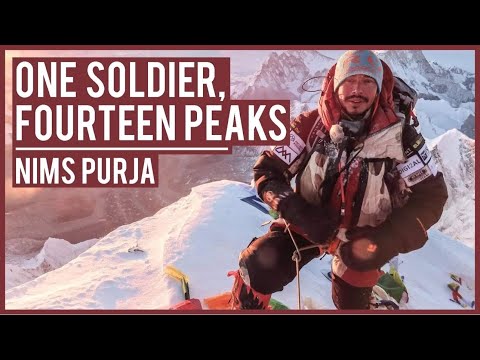
In this episode of Modern Wisdom, featuring Nims Purja and Chris Williamson, Climbing The Fourteen Highest Mountains On Earth - Nims Purja | Modern Wisdom Podcast 256 explores ex-Special Forces Soldier Redefines Human Limits on Earth’s Highest Peaks Former UK Special Forces operator Nims Purja explains why he left a secure military career and pension to climb all 14 of the world’s 8,000m “death zone” peaks in under seven months, shattering a previous record of almost eight years.
Ex-Special Forces Soldier Redefines Human Limits on Earth’s Highest Peaks
Former UK Special Forces operator Nims Purja explains why he left a secure military career and pension to climb all 14 of the world’s 8,000m “death zone” peaks in under seven months, shattering a previous record of almost eight years.
He shares his deeper purpose: proving what humans are capable of, elevating the reputation of Nepali climbers, and using his platform to highlight climate change and environmental responsibility.
Throughout the conversation, Nims details his extreme training, near-impossible climbing feats, high‑altitude rescues, and the mental frameworks that allowed an underprivileged, often‑doubted kid from Nepal to achieve “impossible” goals.
The discussion also tackles media misconceptions about Everest, the realities of high‑altitude mountaineering, and Nims’ ongoing drive to take on new “impossible” challenges like a winter ascent of K2.
Key Takeaways
A clear purpose can justify extreme sacrifice and sustain effort under impossible odds.
Nims walked away from job security, a near-certain pension, and family approval, re‑mortgaging his house and enduring daily rejection because he believed his project served a mission bigger than himself—human potential, Nepali recognition, and climate awareness.
Get the full analysis with uListen AI
Relentless, structured hard work can compensate for lack of opportunity or early setbacks.
Rejected from the Gurkhas on his first attempt and coming from an underprivileged background, he responded with an extreme training regime (multiple loaded marches, workdays, runs, cycling, and swimming in a single day) to force his way into Special Forces and later into elite climbing.
Get the full analysis with uListen AI
Loving what you do transforms suffering into meaning and unlocks top performance.
Nims emphasizes that passion for the craft—rather than money, status, or ego—made brutal training, sleep deprivation, and deadly conditions feel worthwhile, similar to how a footballer can run marathon distances in a game without fixating on the pain.
Get the full analysis with uListen AI
Mental framing and belief dramatically influence physical limits at extreme altitude.
He argues that the brain leads the body: deciding that he could acclimatize, heal faster, or push through exhaustion (“Nims, not today”) repeatedly enabled him to function in conditions that incapacitate most people, even when awake for days or climbing without oxygen during rescues.
Get the full analysis with uListen AI
Ethical responsibility can override personal goals, even in high-risk environments.
Despite racing a world-record schedule, Nims repeatedly abandoned summit plans and oxygen reserves to conduct high-altitude rescues above 8,000m, accepting suicidal risk because he could not live with leaving someone to die when he had the ability to help.
Get the full analysis with uListen AI
Media narratives about Everest and ‘tourist alpinism’ often miss the real difficulty.
He explains that the infamous Everest queue photo reflected a single, weather‑dictated summit window, not mass trivialization: every climber still must endure weeks at altitude, lethal objective hazards, and technical terrain that remain extremely challenging even with support.
Get the full analysis with uListen AI
Climate change is visibly reshaping high mountains, demanding everyday action.
From vanished snowfields on Ama Dablam to rapidly melting glaciers on Dhaulagiri, Nims has seen dramatic changes within just a few years, pushing him to adapt his own lifestyle and advocate that individuals, leaders, and businesses factor Earth’s wellbeing into every decision.
Get the full analysis with uListen AI
Notable Quotes
“Every moment when I was in the mountain, when I felt like I was gonna die, I said, ‘Nims, not today. Not today.’”
— Nims Purja
“If the world record for the full marathon is two hours, I’m gonna do that in 10 minutes. That was the equivalent of this project.”
— Nims Purja
“We all have our own mountains to climb. We all have our own challenges. But if you work hard enough, if you commit to it, you can achieve success against all the odds.”
— Nims Purja
“For me, I’ve never left anyone behind in war, and that’s not gonna happen on the mountain.”
— Nims Purja
“Our actual home is Earth. Your house doesn’t relieve you, but nature does.”
— Nims Purja
Questions Answered in This Episode
How can someone who isn’t an athlete or soldier practically apply Nims’ mindset of ‘not today’ to their own daily challenges and fears?
Former UK Special Forces operator Nims Purja explains why he left a secure military career and pension to climb all 14 of the world’s 8,000m “death zone” peaks in under seven months, shattering a previous record of almost eight years.
Get the full analysis with uListen AI
Where is the ethical line between pursuing extreme personal goals and taking life‑threatening risks to rescue others in high‑risk environments?
He shares his deeper purpose: proving what humans are capable of, elevating the reputation of Nepali climbers, and using his platform to highlight climate change and environmental responsibility.
Get the full analysis with uListen AI
What specific training or psychological practices could help ordinary people build the kind of resilience Nims describes, short of climbing in the death zone?
Throughout the conversation, Nims details his extreme training, near-impossible climbing feats, high‑altitude rescues, and the mental frameworks that allowed an underprivileged, often‑doubted kid from Nepal to achieve “impossible” goals.
Get the full analysis with uListen AI
How might the mountaineering community better communicate the true difficulty and ethics of 8,000m climbing to counter misleading media narratives?
The discussion also tackles media misconceptions about Everest, the realities of high‑altitude mountaineering, and Nims’ ongoing drive to take on new “impossible” challenges like a winter ascent of K2.
Get the full analysis with uListen AI
Given what Nims has seen firsthand, what concrete lifestyle changes should individuals prioritize if they genuinely want to help slow climate change’s impact on places like the Himalaya?
Get the full analysis with uListen AI
Transcript Preview
At 8,450 meters, we found a climber with oxygen was running out. Then we gave our oxygen to him, so he's straightaway, he's alive. We started rescuing him down. Then we got another climber. He also ran out of his oxygen. So we gave our oxygen, so we are off oxygen now. Conducting the rescue from 8,450 meters without oxygen when you are not acclimatized is a suicidal mission. But we knew what our body was capable of. All these rescue stuff, you know, for me, it comes because I want to sleep peacefully when I go to bed, brother. And I don't want to say that, "Okay, and I left this, you know, fellow climbers behind," when I had the ability to do, do the rescue.
(wind blowing) Nims Bloody Purja, how are you, my brother?
I'm good, Chris, and so, you know, glad to be here, you know, talking with you in your podcast and all. You keeping well?
I'm very well, man. I'm in the fifth location that I've recorded in, out in Dubai, so for everybody that's watching, this is yet another backdrop that you need to get used to. Thankfully, the internet is significantly better here, and you're in... Is that your garden?
I'm in Kathmandu, brother, you know, so yeah. I'm staying in this, you know, uh, Hotel Park Palace. They're like family to me, and, uh, yeah, that's why I'm here quarantined, so, uh...
It looks beautiful, man. It looks beautiful.
Yeah.
Let's get into it. You were six years away from a full pension-
(clears throat)
... from the Special Forces, and then you leave to climb 14 of the highest mountains on Earth. Why?
Wow. Spot on, buddy. So for me, everything, what I do in life, it needs to have a purpose. And, um, I started climbing, you know, first when I was 29 year old, and that kind of start leading into, into the project, which was to climb all the 14 highest mountain of the world, which is over 8,000 meters. We call that as a Death Zone peak, and there are only 14 of those. And, uh, the fastest someone had climbed this was, you know, nearly eight years, you know, 14 days short, eight years. And, uh, I felt like I could do this in, you know, within seven months. Um, and why, why I left all my, you know, like job security, pension, and everything, it was purely because I felt like I had a bigger purpose. And, um, honestly, if it was money, for money, I would have never been able to achieve this kind of, you know, uh, goal or project. If it was for the selfishness or it was just for our family or, you know, all this love, affections, and all those bubbles that we live in, again, I wouldn't be even close to achieving this kind of, you know, mission. But what I had purely believed in was, I really wanted to show the world that, you know, what human body is capable of. And for those who doesn't understand, you know, the big, you know, high altitude mountaineering in the thin air and all that, just to put things into perspective, what I was saying at that point was, "Okay, if the world record for, you know, the full marathon is two hours, I'm gonna do that in 10 minutes."
Install uListen to search the full transcript and get AI-powered insights
Get Full TranscriptGet more from every podcast
AI summaries, searchable transcripts, and fact-checking. Free forever.
Add to Chrome