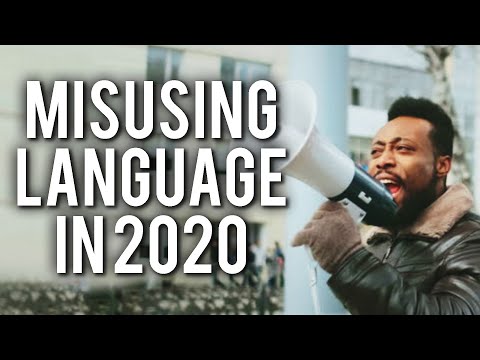
The Abuse Of Moral Talk For Self Promotion | Justin Tosi | Modern Wisdom Podcast 221
Justin Tosi (guest), Chris Williamson (host), Narrator, Narrator
In this episode of Modern Wisdom, featuring Justin Tosi and Chris Williamson, The Abuse Of Moral Talk For Self Promotion | Justin Tosi | Modern Wisdom Podcast 221 explores how Moral Grandstanding Corrupts Discourse, Politics, And Personal Integrity Online Justin Tosi explains moral grandstanding as using moral language primarily for self-promotion rather than to solve real problems or help others. He distinguishes between prestige-seeking and dominance-seeking grandstanding, showing how social media dramatically lowers the cost and raises the rewards for this behavior. The conversation covers how grandstanding fuels polarization, shifts the Overton window, incentivizes bad public policy, and erodes trust in both morality and politics. Tosi argues that the most effective remedy is individual self-scrutiny and starving grandstanders of attention, allowing new social norms against this behavior to emerge over time.
How Moral Grandstanding Corrupts Discourse, Politics, And Personal Integrity Online
Justin Tosi explains moral grandstanding as using moral language primarily for self-promotion rather than to solve real problems or help others. He distinguishes between prestige-seeking and dominance-seeking grandstanding, showing how social media dramatically lowers the cost and raises the rewards for this behavior. The conversation covers how grandstanding fuels polarization, shifts the Overton window, incentivizes bad public policy, and erodes trust in both morality and politics. Tosi argues that the most effective remedy is individual self-scrutiny and starving grandstanders of attention, allowing new social norms against this behavior to emerge over time.
Key Takeaways
Moral grandstanding turns morality into a vanity project.
Instead of using moral talk to help others or solve problems, grandstanders use it to advertise their own virtue, treating public discourse as a stage for self-branding.
Get the full analysis with uListen AI
There are recognizable behavioral patterns that signal grandstanding.
Tosi’s “field guide” includes piling on, ramping up to more extreme positions, trumping up obscure moral problems, constant outrage, and dismissing dissenters as irredeemable—all red flags for status-seeking rather than truth-seeking.
Get the full analysis with uListen AI
Social media supercharges grandstanding by lowering effort and raising rewards.
Posting moralized content is nearly costless and can quickly deliver likes, status, and in-group approval, making extreme and emotional moral claims a rational strategy for attention.
Get the full analysis with uListen AI
Grandstanding shifts and fragments the Overton window.
Loud moral extremists can drag what’s considered “acceptable speech” toward the poles, creating multiple incompatible Overton windows where each side treats nuanced or middle-ground views as a lack of conviction.
Get the full analysis with uListen AI
Grandstanding undermines effective politics and good policy.
Politicians are incentivized to make flashy moral gestures and adopt expressive but ineffective policies (like rent control) and to refuse compromise, which makes democratic problem-solving harder and governance more symbolic than functional.
Get the full analysis with uListen AI
Grandstanding is a moral failing, not just bad manners.
It produces harmful consequences (polarization, cynicism, outrage fatigue), treats targets as mere props for self-display, and offers a fake “achievement” instead of real moral effort—what Tosi calls an abuse of morality itself.
Get the full analysis with uListen AI
The most productive response is self-policing, not calling others out.
Directly accusing people of grandstanding usually backfires and feeds their need for attention; instead, individuals should ask themselves whether they’d still say something if it gained them no status, and be willing to “sit one out” when the motive is mainly to look good.
Get the full analysis with uListen AI
Notable Quotes
“Moral grandstanding is the use of moral talk for self-promotion.”
— Justin Tosi
“Morality is supposed to be about helping other people, about resolving important social problems. But what grandstanders do is they turn morality into just an opportunity to show other people how good they are.”
— Justin Tosi
“Being morally outspoken is not in itself an achievement.”
— Chris Williamson
“We get what we ask for from politicians in a democracy. If what we want is just to be comforted, we’ll get irresponsible moral proclamations instead of people doing the hard, boring work.”
— Justin Tosi
“You should ask yourself: am I trying to do good here, or am I just trying to look good?”
— Justin Tosi
Questions Answered in This Episode
How can an individual realistically distinguish between sincere moral concern and their own subtle drive for status when posting online?
Justin Tosi explains moral grandstanding as using moral language primarily for self-promotion rather than to solve real problems or help others. ...
Get the full analysis with uListen AI
What concrete norms or platform design changes could reduce incentives for moral grandstanding without suppressing legitimate moral criticism?
Get the full analysis with uListen AI
How can people safely express nuanced or minority views in highly polarized environments without becoming their group’s “black sheep”?
Get the full analysis with uListen AI
In what ways does grandstanding differ from, or overlap with, traditional hypocrisy, virtue signaling, and pure political propaganda?
Get the full analysis with uListen AI
Could there be circumstances where a certain amount of grandstanding actually helps moral causes by drawing attention, or is it always corrosive in the long run?
Get the full analysis with uListen AI
Transcript Preview
So, morality is supposed to be about helping other people, being kind to them, about resolving important social problems. But what grandstanders do is they turn morality into just an opportunity to show other people how good they are and, you know, what an achievement for, for me to have such pure moral beliefs. But this is an empty achievement, and it's actually kind of pathetic if you think about it that way. (wind blows)
I am joined by Justin Tosi. Justin, welcome to the show.
Thanks for having me, Chris.
Pleasure to have you on. Grandstanding. What is grandstanding?
Yeah. So if you want just a bumper sticker description of, of the idea, moral grandstanding is the use of moral talk for self-promotion. So if you see people on your social media feeds or you just encounter people in everyday life who are, are, you know, walking around talking like corporate press releases or sounding like politicians, giving these carefully crafted statements about, you know, how they've long stood on, on the side of the disadvantaged and so on, and kind of making moral talk about them and turning it into a vanity project or a big show where they're the main character, that's grandstanding.
Why do they do it?
So human beings, uh, care a lot about what other people think about them. We're all impression managers. So there are really fun social science studies showing that, you know, if you tell people, um, "You know, I'm gonna leak to the university community that you got this really bad score on this, uh, this, uh, implicit association test that reveals, uh, perhaps racial bias," they will do horrible things, you know, that you'd see on Fear Factor or whatever, sticking their hands in a bowl of worms and, you know, nasty stuff like that, because they care a lot about what their communities think of them. They don't want to be ostracized, and they all know that if people think, um, you know, that they are not very good people morally, uh, that they run the risk of being kind of run out of their friend groups or their, their political groups, things like this. People are also self-enhancers. Uh, so we all like to think that we are morally good, uh, and morally above average, all of us (laughs) . So we kind of have this impression of ourselves as, "You know, I'm better than, than the average person. Um, my heart is really in the right place." And we want other people to share that impression, so we take steps to present a flattering picture of ourselves to the world. Uh, and that's why we engage in grandstanding, because it's a very easy way to show people that our heart is in, in the right place. So why not do it?
It seems like there's kind of two types of grandstanding there. One of them is, like, defensive grandstanding, and the other is offensive grandstanding. Is that kind of right?
Install uListen to search the full transcript and get AI-powered insights
Get Full TranscriptGet more from every podcast
AI summaries, searchable transcripts, and fact-checking. Free forever.
Add to Chrome