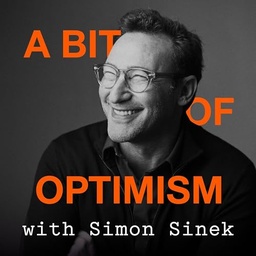
 Simon Sinek
The Culture That Converts Even the Biggest Cynics with former WD-40 CEO Garry Ridge
Simon Sinek and Garry Ridge on how WD-40 built a high-performance culture through coaching leadership daily.
In this episode of Simon Sinek, featuring Garry Ridge and Simon Sinek, The Culture That Converts Even the Biggest Cynics with former WD-40 CEO Garry Ridge explores how WD-40 built a high-performance culture through coaching leadership daily Garry Ridge describes shifting from command-and-control to servant leadership, starting with personal behavior change and the humility to say “I don’t know.”
At a glance
WHAT IT’S REALLY ABOUT
How WD-40 built a high-performance culture through coaching leadership daily
- Garry Ridge describes shifting from command-and-control to servant leadership, starting with personal behavior change and the humility to say “I don’t know.”
- WD-40’s culture was built deliberately around a purpose (“create positive, lasting memories”), hierarchical values, and relentless consistency rather than perks or “fairy dust.”
- Replacing “manager” with “coach” operationalized leadership expectations through frequent check-ins, clarity on what success (“an A”) looks like, and active people development.
- They argue performance follows culture via a simple formula—strategy quality multiplied by the will/engagement of the people executing it—making culture a hard, measurable business lever.
- WD-40’s long-term results (market cap and stock growth, global expansion, high engagement during COVID) are presented as proof that people-first leadership scales and converts even skeptics.
IDEAS WORTH REMEMBERING
7 ideasChange the leader before changing the company.
Ridge emphasizes that culture transformation started with his own behavior—moving from “be brief, be bright, be gone” to humility, praise, and asking for help—because CEOs often underestimate how their presence shapes fear and trust.
Treat culture as a daily operating system, not an offsite exercise.
WD-40 framed culture as “values + behavior × consistency,” meaning the real work is repeated practice and reinforcement over time, not a one-time training or a poster on the wall.
Make purpose human and non-product-based to unify decisions at scale.
“Create positive, lasting memories” is a statement about the kind of company they want to be, which then guides how people treat each other and customers across 176 countries, regardless of the simplicity of the product.
Rename “managers” to “coaches” to force better leadership behavior.
By removing the word “manager,” WD-40 clarified expectations: coaches develop people, don’t steal the ball, and hold regular conversations about obstacles, wellbeing, and progress—raising respect for direct leaders dramatically.
Define what “an A” looks like, then help people earn it.
Performance management becomes development-oriented when leaders set clear standards and collaborate on progress, replacing gotcha evaluations with ongoing coaching and fewer surprises.
Reduce fear by replacing “mistakes” with “learning moments.”
WD-40 encouraged open sharing of positive and negative outcomes to benefit everyone; Ridge modeled it by celebrating early contributors until reporting scaled from a handful of emails to hundreds.
Culture drives financial outcomes by multiplying execution energy.
Ridge’s formula—strategy score × percentage of people passionately executing—argues that even a “70% plan” wins when engagement is high, which their market cap/stock growth is used to substantiate.
WORDS WORTH SAVING
5 quotes“No, I didn’t. I missed your numbers.”
— Simon Sinek (recounting Garry Ridge)
“Culture equals values plus behavior times consistency.”
— Garry Ridge
“The will of the people times the strategy equals the outcome.”
— Garry Ridge
“We do not make mistakes. We have learning moments.”
— Garry Ridge
“I’m not smart enough to run a company in 90-day intervals.”
— Garry Ridge
QUESTIONS ANSWERED IN THIS EPISODE
5 questionsWhat did WD-40’s “hierarchical values” look like in practice, and how did you decide which value came first?
Garry Ridge describes shifting from command-and-control to servant leadership, starting with personal behavior change and the humility to say “I don’t know.”
When you replaced “manager” with “coach,” what systems changed (hiring, training, promotions, compensation) to make it real rather than symbolic?
WD-40’s culture was built deliberately around a purpose (“create positive, lasting memories”), hierarchical values, and relentless consistency rather than perks or “fairy dust.”
How did you handle a high performer who delivered numbers but repeatedly violated the “positive, lasting memories” value?
Replacing “manager” with “coach” operationalized leadership expectations through frequent check-ins, clarity on what success (“an A”) looks like, and active people development.
What were the first 2–3 concrete culture moves you made in year one, before momentum built over five years?
They argue performance follows culture via a simple formula—strategy quality multiplied by the will/engagement of the people executing it—making culture a hard, measurable business lever.
Can you share an example of a “learning moment” that materially changed a process or saved the company money?
WD-40’s long-term results (market cap and stock growth, global expansion, high engagement during COVID) are presented as proof that people-first leadership scales and converts even skeptics.
EVERY SPOKEN WORD
Install uListen for AI-powered chat & search across the full episode — Get Full Transcript
Get more out of YouTube videos.
High quality summaries for YouTube videos. Accurate transcripts to search & find moments. Powered by ChatGPT & Claude AI.
Add to Chrome