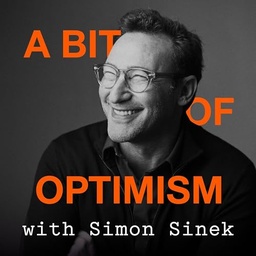
 Simon Sinek
The Privilege of Bad Experiences with NASA astronaut Jonny Kim | A Bit of Optimism Podcast
astronaut Jonny Kim on adversity, love, service, and human connection.
In this episode of Simon Sinek, The Privilege of Bad Experiences with NASA astronaut Jonny Kim | A Bit of Optimism Podcast explores astronaut Jonny Kim on adversity, love, service, and human connection Jonny Kim argues that both good and bad experiences—plus timely support from mentors—shape who we become and can become a source of strength.
At a glance
WHAT IT’S REALLY ABOUT
Astronaut Jonny Kim on adversity, love, service, and human connection
- Jonny Kim argues that both good and bad experiences—plus timely support from mentors—shape who we become and can become a source of strength.
- He explains that while proving others wrong can be motivating early on, lasting fulfillment requires healthier, intrinsic motivations rooted in purpose and values.
- Kim reframes hardship as the “privilege of bad experiences” when people can metabolize pain into compassion, empathy, and a commitment to serve.
- The conversation highlights love as a practical driver of courage, elite team performance, and public service—even in cultures stereotyped as tough or unemotional.
- From the International Space Station, Kim describes the ISS as a living example of cross-cultural unity, where shared risk and shared work reveal common humanity.
IDEAS WORTH REMEMBERING
7 ideasAdversity can be formative when paired with support.
Kim credits hardship for shaping him, but emphasizes that intrinsic resilience alone isn’t enough—having even one steady person (like a parent, coach, or mentor) can keep you “whole and straight” through chaos.
Early “prove them wrong” motivation has a shelf life.
Kim admits external validation fueled him at first (e.g., becoming a SEAL), but he warns it’s not sustainable and can lead to disappointment if it remains the primary driver.
Gratitude differs from approval-seeking.
Sinek and Kim distinguish between chasing someone’s approval and honoring someone’s investment; the latter can be a healthy form of gratitude and relational responsibility.
The “privilege of bad experiences” is the ability to transform pain into empathy.
Kim carefully qualifies that trauma is not inherently good, but if someone emerges with deeper compassion and perspective, that outcome becomes a powerful advantage—and a story worth sharing.
Courage often comes from protecting what you love.
Kim describes a defining childhood moment of standing up to someone he feared, and says love—care for others—was the emotion that unlocked courage when he felt powerless.
Love is operational, not sentimental.
Kim frames love as something you practice through actions: accountability, apologies (“I’m sorry”), repair after harm, and daily empathy—skills that also strengthen teams.
High-performing service cultures run on camaraderie and love.
He argues the same force that sustains NASA teams and SEAL teams is mutual care—love for the mission, ideals, and especially for each other—more than ego or toughness.
WORDS WORTH SAVING
5 quotes“I’m a firm believer that all of us are the summation of our experiences, whether they’re good or bad.”
— Jonny Kim
“I’m really careful about motivation and why you do things… Doing something for someone else’s approval is… not sustainable.”
— Jonny Kim
“It’s that kind of privilege of experience… privilege of just having bad experiences… If you can come out of that… stronger and more compassionate… it’s a real superpower.”
— Jonny Kim
“Where did you find the courage?… And that’s love.”
— Jonny Kim
“The number one trait of a warrior is love.”
— Jonny Kim
QUESTIONS ANSWERED IN THIS EPISODE
5 questionsKim says the “right challenges” arrived when he “needed them”—what does he mean by that, and how can someone tell whether a challenge is shaping them or breaking them?
Jonny Kim argues that both good and bad experiences—plus timely support from mentors—shape who we become and can become a source of strength.
He cautions against motivation driven by approval; what practical steps did he take to shift from extrinsic validation to intrinsic purpose?
He explains that while proving others wrong can be motivating early on, lasting fulfillment requires healthier, intrinsic motivations rooted in purpose and values.
How does Kim reconcile calling hardship a “privilege” while also not diminishing trauma—what boundaries or caveats does he think are essential in that framing?
Kim reframes hardship as the “privilege of bad experiences” when people can metabolize pain into compassion, empathy, and a commitment to serve.
Kim describes love as something you “practice”; what specific behaviors did he see in SEAL teams and at NASA that made love tangible day-to-day?
The conversation highlights love as a practical driver of courage, elite team performance, and public service—even in cultures stereotyped as tough or unemotional.
What is one example from ISS life where cultural differences could have created friction, and how did the crew intentionally find commonality instead?
From the International Space Station, Kim describes the ISS as a living example of cross-cultural unity, where shared risk and shared work reveal common humanity.
EVERY SPOKEN WORD
Install uListen for AI-powered chat & search across the full episode — Get Full Transcript
Get more out of YouTube videos.
High quality summaries for YouTube videos. Accurate transcripts to search & find moments. Powered by ChatGPT & Claude AI.
Add to Chrome